


Hybrid Hotels Unlock High Yield Revenues in Southeast Asia
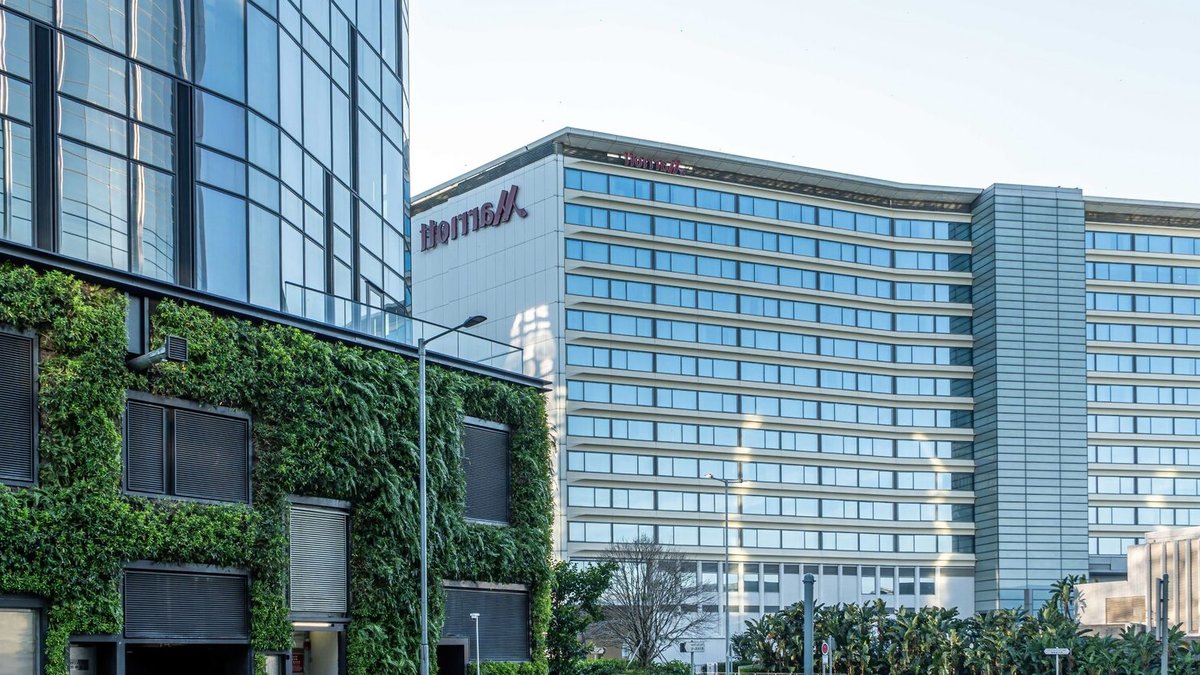
Hybrid hotel design is reshaping Southeast Asia’s hospitality sector, offering a financial strategy to stabilize revenues amid a volatile travel market.
The rise of remote work has triggered a fundamental transformation in global real estate, nowhere more visibly than in the region’s hospitality industry. By integrating fluid co-working spaces, modular accommodations, and locally connected social hubs into a single property, operators are successfully capturing a massive share of the modern travel market. Recent industry data highlights this momentum: the global hybrid hospitality market was valued at $14.2 billion in 2025 and is projected to reach $39.7 billion by 2034, expanding at a robust Compound Annual Growth Rate (CAGR) of 12.3%. The Asia-Pacific region commands a massive 38.2% revenue share of this market, with the digital nomad tourism sector alone reaching $89.7 billion in 2025 and expected to surge to $243.6 billion by 2034.
Related: Luxury leader champions sustainable travel ethics
Southeast Asia’s unique positioning acts as a natural accelerator for hybrid concepts, with distinct operational models emerging across the region’s primary destinations. In Indonesia, properties in Canggu and Uluwatu blend tropical open-air architecture with robust, air-conditioned co-working zones to stabilize seasonal occupancy dips. Thailand focuses heavily on converting expansive, underutilized lobby space into active community hubs, driving immense food and beverage sales from both incoming travelers and local freelancers. Malaysia is rapidly expanding digital nomad hubs through initiatives like the DE Rantau program, certifying nomad-ready accommodations. Singaporean operators focus intensely on space optimization, deploying modular furniture and shared communal kitchens to maximize revenue per square meter. In Vietnam, these properties function as entrepreneurial incubators, while the Philippines sees developers retrofitting older boutique properties with communal kitchens and reliable satellite internet to create resilient networks.
While the economic case for hybrid properties is strong, the rapid shift toward this model presents a complex challenge for traditional operators. The transition requires more than just structural changes; it demands a fundamental rethinking of staff roles and revenue management systems. As the sector matures, the pressure will increase on smaller independent hotels to adopt these integrated designs, or risk being priced out of a market that increasingly values multi-use functionality over traditional service models.
Related: Luxury Jewelry with Lab-Grown Diamonds
Monetizing Every Square Meter
The primary catalyst for this region-wide shift is the profound impact that hybrid design has on a property’s financial performance. Traditional hotels suffer from systemic spatial inefficiencies, leaving massive lobbies empty during the day and meeting rooms underutilized. Hybrid design solves this structural waste by treating every square meter of real estate as an active asset capable of generating revenue 24 hours a day. By converting dead space into high-yield co-working environments, operators unlock new, recession-proof revenue streams that operate completely independently of room occupancy.
This spatial optimization directly improves a hotel’s core financial performance indicators. Hybrid properties stabilize their baseline revenue by hosting extended-stay guests, whose average length of stay often ranges from two weeks to several months. These longer bookings dramatically lower customer acquisition costs and mitigate the seasonal volatility that frequently plagues traditional leisure resorts. During mid-week periods, when leisure travel naturally bottoms out, the integrated co-working infrastructure attracts local corporate clients and mid-market enterprises. This continuous inflow of foot traffic ensures a steady baseline of ancillary revenue through hot-desk memberships, private meeting room hourly rentals, and corporate workshops. Traditional hotel restaurants in Southeast Asia struggle to compete with local street food, but hybrid hotels counteract this by designing lively, communal culinary hubs. Because these spaces blend seamlessly with co-working areas, remote workers naturally transition from buying coffee during morning meetings to ordering artisanal cocktails and dinner at night, boosting total ancillary spend.
Related: The Ethical Considerations of Firearms Ownership and Use
The long-term financial viability of hybrid spaces has caught the attention of global institutional investors, who are actively redirecting capital toward adaptive hospitality projects across primary and secondary Southeast Asian corridors. Major hotel brands are launching or expanding specialized lifestyle sub-brands explicitly tailored to these evolving consumer habits. As the boundaries between working, traveling, and living continue to blur, developers and operators who adopt flexible, multi-use design principles will inevitably secure a dominant financial and competitive advantage in the region’s rapidly evolving tourism economy.


