


Southeast Asian Capitals Diverge in Q2 Hotel Gains
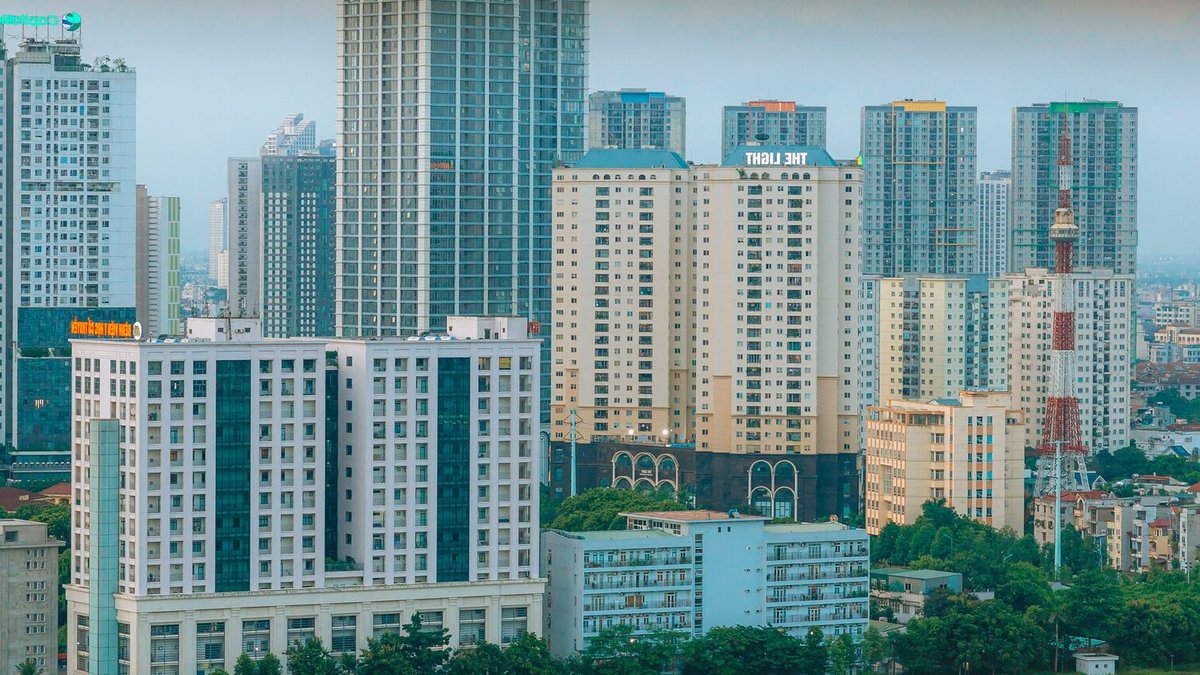
Hotel performance in Southeast Asia’s capital cities diverged significantly during the second quarter of 2026. Data from real estate firm JLL shows that while some markets like Hanoi and Singapore leveraged pricing power and high-end supply, others faced softer demand and shifting demographics. Hoteliers in the region are currently balancing rate discipline against incoming pipeline surges.
Hanoi’s hospitality sector demonstrated strong pricing resilience in Q2 2026. The capital captured 18.0 million total visitors, including 4.6 million foreign tourists, as Vietnam welcomed 12.3 million international arrivals nationwide in the first half of the year. Market metrics reflect this strength, with RevPAR increasing by 7.4% year-over-year and ADR growing 5.4%. Inventory additions remained tight with zero new rooms added in Q2.
Related: Asia Travel 2026: Culinary and Local Destinations Surge
The sole opening in the first half of the year was the Fairmont Hanoi, which added 241 luxury keys. The pipeline points toward high-end expansion, with four Upper Upscale and Luxury properties scheduled to open within the next six months. This incoming inventory directly supports Hanoi’s initiative to scale its MICE handling capacity alongside expanded municipal metro connectivity.
Bangkok’s hotel market bucked broader national headwinds during the quarter. While international arrivals to Thailand fell 2.3% year-over-year to 14.0 million through May, the city recorded a 1.7% increase in total tourism. This growth was driven by a 3.4% rise in domestic arrivals, which totaled 12.7 million visitors.
Related: Modern Minimalism: Sleek and Simple Diamond Rings
RevPAR grew by 1.0% year-over-year in Q2 2026, supported by steady occupancy. Additions remained tight, featuring only the 405-key Grand Nikko Bangkok Sathorn, bringing year-to-date additions to 491 keys. Upscale and midscale properties currently comprise nearly 75% of existing stock. Between mid-2026 and 2030, the upscale segment will lead new supply, accounting for 49% of planned inventory (7,495 keys).
Metro Manila experienced a mid-year operational dip in Q2 2026, creating a temporary divergence between strong top-line foreign arrival growth and local property-level yield performance. Foreign arrivals to the Philippines reached 2.9 million by June 2026, up 6.2% year-over-year, anchored by nearly 600,000 visitors from the United States. However, occupancy softened by 70 basis points quarter-on-quarter to 81.1%, and ADR decreased 0.7% quarter-on-quarter to PHP 7,976.
Related: Bordon’s Sustainable Glamour: The Beauty of Lab Grown Diamonds
While no new keys opened in Q2 2026, an estimated 3,500 rooms are slated to launch before year-end. This influx, part of a 6,200-key pipeline through 2030 heavily dominated by domestic brands, will intensify local market competition. Expanded regional flight capacity supports medium-term arrival goals, but existing operators must defend yield through segmented marketing.


