


Andrew Khoo Outlines Heritage Hospitality Revamp
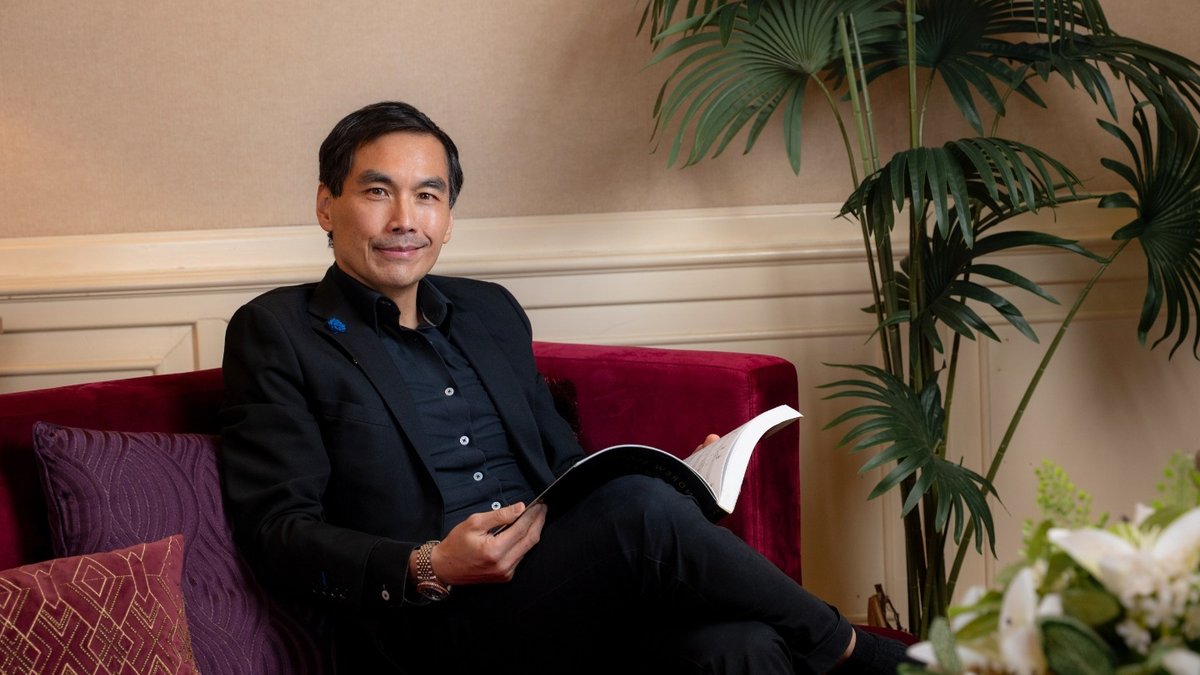
Andrew Khoo, Chairman and CEO of The MUI Group, has spent decades managing a multinational portfolio spanning hospitality, property development, department store retail, and food and beverage operations across Malaysia and beyond. His approach to modernizing heritage hotels offers a framework other operators might find useful as the industry grapples with shifting guest expectations and digital disruption.
Preserving What Matters
Every established hotel carries decades of accumulated meaning. Guests return not just for rooms but for emotional connections forged over years. Khoo argues that modernization should enhance those bonds rather than sever them.
“Every hotel has a story. Our responsibility is not to erase that story, but to help it evolve,” he said. The process begins with identifying which elements guests genuinely value—whether that’s a prime location, service culture, architectural character, or community ties—and protecting those attributes while introducing contemporary design, operational technology, and sustainability measures.
Successful modernization enhances the guest experience through intuitive design and service innovation while creating new revenue streams that keep assets relevant. Generic renovations risk alienating loyal customers while missing opportunities to attract new segments.
The Decision Framework
Khoo evaluates properties through four operational lenses: market positioning, brand strength, operational performance, and investment returns. The goal is maximizing long-term asset value without emotional attachment to any single strategy.
Related: Japan’s New Luxury Hospitality Era Unleashes Landmark Openings
Market premium capability determines whether an existing brand can continue commanding higher rates than competitors. Repositioning value assesses if reflagging or rebranding will unlock significantly higher net operating income. Real estate re-use evaluates whether developing the site unlocks greater long-term land value than continued hotel operations. Capital recycling decides whether selling the asset delivers better risk-adjusted returns than ownership.
“Sometimes that means preserving a hotel, sometimes transforming it, and sometimes exiting the investment altogether,” Khoo explained.
His portfolio includes Metrojaya Berhad, A&W Malaysia, West Cooperation Sdn Bhd, and London Vista Hotel. He also served as Immediate Past President of the Franchising and Licensing Association (Singapore), giving him a holistic view of total asset yield and brand evolution across different markets and consumer segments.
Global Standards, Local Character
Integrating properties into global brand networks provides distribution channels, loyalty program access, and operational discipline. Yet modern travelers increasingly reject standardized hospitality in favor of authentic local character.
“Global standards should enhance, not replace, a property’s local personality,” Khoo said. The strongest hotels combine international quality with genuine sense of place. This means standardizing operational excellence and safety protocols while granting individual properties freedom to express local culture through design, regional cuisine, storytelling, and service touchpoints.
When scaling Asian service concepts into Western markets, the core philosophy of attentiveness remains universally appealing. What adapts is delivery style—Western travelers generally prefer greater informality, personal space, and self-directed independence. Modifying the mechanism while maintaining the ethos allows regional concepts to expand internationally without diluting their identity.
Related: Discover Your Dream Komodo Adventure
Mixed-use integration has become essential for optimizing financial performance. Treating a hotel purely as a night-stay property leaves substantial revenue unrealized. Modern properties function as lifestyle destinations that draw both guests and local communities.
Thoughtfully curated restaurants, wellness facilities, retail concepts, and co-working spaces achieve multiple commercial benefits. They diversify revenue away from room inventory, capture higher ancillary spending throughout the day, and maintain steady cash flows during off-peak periods. The result is healthier operating margins compared to standalone hotel models.
Balancing Immediate and Long-Term Returns
Generating short-term operating profits should never compromise long-term capital appreciation. A resilient asset strategy balances immediate cash flow with continuous reinvestment in product quality, technology, and destination integration.
“A hotel should never sacrifice its future simply to maximise today’s profits,” Khoo noted. Healthy cash flow funds growth while strategic investment strengthens asset appreciation. When hotels become integral anchors of thriving neighborhoods, they generate higher real estate value over three to five year horizons.
Strategy success is measured through sustainable RevPAR growth, consistent ADR expansion, healthy GOP margins, and overall asset appreciation. These metrics matter because hospitality today is no longer simply about managing buildings—it’s about creating enduring assets that guests love, employees are proud of, and investors value.

Japan's New Luxury Hospitality Era Unleashes Landmark Openings


