


Lucky Ou Crafts Distinctive Enduring Hospitality Brands
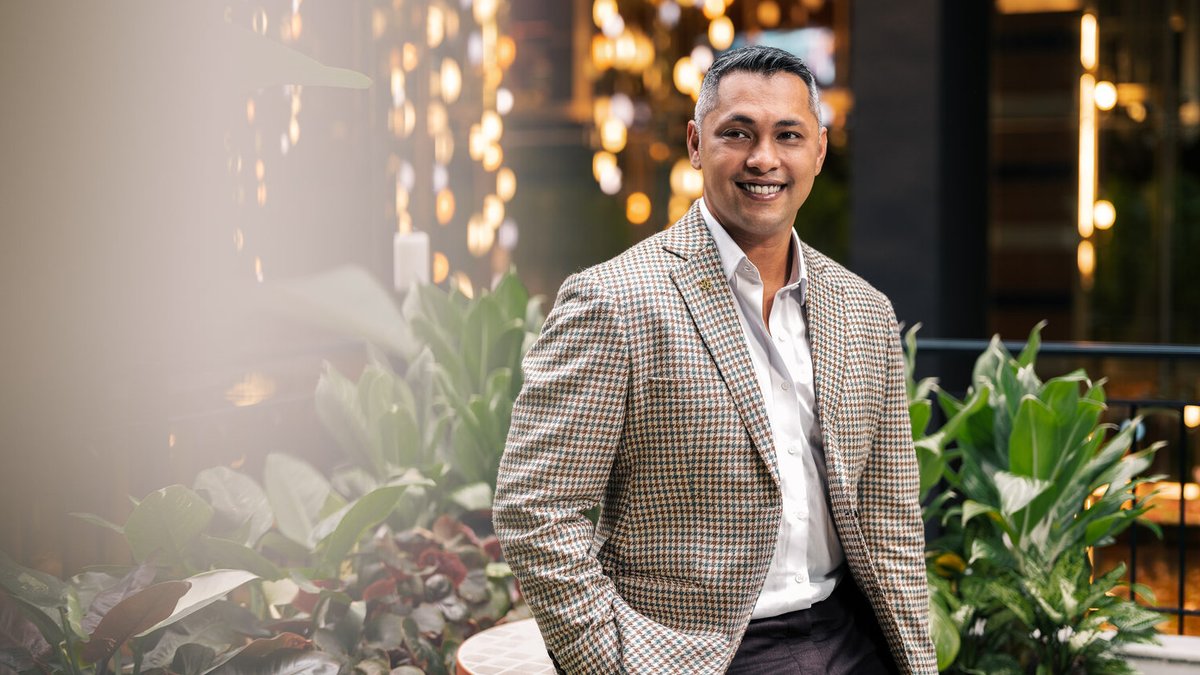
Lucky Ou leads the opening of Canopy Bangkok Sukhumvit, Hilton’s newest lifestyle property in the busy Asoke‑Sukhumvit district. The hotel aims to blend the brand’s global standards with a distinctly Bangkok feel, offering both travelers and locals a familiar yet fresh place to stay. Ou brings years of regional experience, having managed food‑and‑beverage operations, hotel conversions and full‑service openings across Australia and Southeast Asia before taking on this launch.
Pre‑opening focus and culture building
Ou describes pre‑opening as the period when a hotel’s identity is forged. Hiring, training and testing spaces happen before any guest steps through the door, allowing the team to shape service style from the ground up. This stage also establishes the standards and ways of working that the staff will rely on together as a cohesive unit.
He warns against fixating solely on opening day. While readiness is essential, establishing a culture that endures months or years later is the real reward, according to the interview. The goal is to embed habits that can sustain performance for six months, a year or even longer.
The most critical milestone, Ou says, is defining a clear, authentic positioning. Every decision—from recruitment to food concepts—must reinforce that vision, ensuring the hotel feels cohesive rather than a collection of unrelated ideas. That positioning guides everything from training modules to partnership choices, guest programming and marketing messages.
Balancing global brand with local flavor
Hilton provides a quality framework, but Ou stresses understanding the Asoke‑Sukhumvit neighborhood. Travelers now seek experiences that connect them to the city, while Bangkok residents look for spaces to work, dine and socialize. Guests increasingly want to go beyond traditional tourist sites and discover the everyday rhythm of the district.
Local partnerships are central to this strategy. By collaborating with nearby businesses, the hotel can introduce guests to unique cultural touchpoints and embed itself in the community’s daily rhythm. Such collaborations add value by presenting guests with people, ideas and experiences they would otherwise miss, while also helping the hotel tell the story of its location.
The design reflects Bangkok’s character, yet the service model follows Hilton’s standards. This dual approach lets guests enjoy the reliability of a global brand while discovering local stories through food, décor and programming. Design creates a powerful first impression, but the lasting connection comes from the service culture, culinary authenticity and community engagement.
Read Also: Green Lodging Trends Report Reveals Top Sustainability Strategies
“The right partners can introduce guests to people, ideas and experiences they might not otherwise encounter,” Ou notes, highlighting how collaborations add authenticity without compromising brand consistency. These relationships also enable the hotel to craft distinctive experiences that resonate with both visitors and residents.
Beyond design: service, food, community
Design draws attention, but Ou believes lasting loyalty stems from service culture, culinary offerings and a sense of place. A guest may book for aesthetics, but returns because of how the stay made them feel. The combination of attentive staff, genuine hospitality and a welcoming atmosphere turns a one‑time stay into a repeat visit.
Food and beverage concepts are crafted to showcase regional flavors, and social spaces are designed to attract both hotel guests and neighborhood residents. This creates a lively hub that functions beyond overnight stays. By offering venues that serve locals as much as travelers, the property becomes a gathering point for the community.
Keeping Hospitality Human
“Recommending somewhere to go, reading when a guest needs help, resolving a problem well or recognizing someone who has returned to the hotel all depend on people.We increasingly use technology and AI”, Ou explains, emphasizing that while technology is a tool, the core of hospitality remains human interaction.
Guests may use the hotel’s bar, restaurant or meeting rooms without ever sleeping there. Consequently, the property’s public areas must stand on their own, offering experiences that appeal to locals as well as travelers.
When locals begin to view Canopy Bangkok Sukhumvit as a natural part of their daily environment, Ou will consider the launch fully realized, signaling a sustainable blend of global hospitality and local relevance.


