

Plan & prepare now for Cyclone Gabrielle advises RANZ –
The Restaurant Association is urging hospitality businesses across the North Island to prepare for every event, as Cyclone Gabrielle arrives.
In its online resources it highlights the need to clear outdoor eating areas, compile stock takes, and consider backing up power supplies.
“Our advice to members is that you can never be over prepared for a situation like this,” said CEO Marisa Bidois.
“Hospitality businesses are uniquely affected by weather events such as cyclones so it’s wise to plan ahead to minimize the damage and business interruption.”
The Association has put together a checklist for businesses looking to get prepared ahead of the storm. This includes:
- Ensure you are monitoring weather conditions regularly – things can change rapidly. Keep up to date with the advice of your local Civil Defense organisation.
- For businesses with outdoor eating areas, ensure any chairs, tables and other loose items are secured or stored away safely.
- Move everything off the floor that you can store elsewhere.
- Ensure contact numbers (and emergency contacts) of team members are updated and easily accessible. Have a plan for communicating with your team.
- Ensure any critical documents and business related data is securely backed up and accessible.
- Check insurance is up to date and in place.
- Ensure adequate supplies of torches, fresh batteries, brooms, mops and buckets as well as a backup water source.
- Clearing any obstructions disturbing the flow of water down any storm water drains.
- Do a walkthrough of the business and clear any materials around the area that can easily be considered flying debris during a cyclone.
- Carry out a stock take of all supplies and equipment in case there is any damage or loss of stock. Take photos of high-value items.
- Ensure vehicles are away from low lying areas (and insurance is up to date).
- Create a business continuity plan.
- Consider an alternate power source. Some businesses are able to operate during power outages if they have a generator. This can also ensure that fridges and freezers do not turn off and minimize stock loss.
- Communicate with customers. Use your social media channels to keep people informed on whether you have been impacted or not.
- Be sure to remind your team to also be prepared in their own homes.
“It is really important to be prepared but also to remain calm. Our businesses have been under a lot of pressure over the last few years and it is important to look after yourself and your wellbeing. We have a number of resources on our site to help you through this.”
The Restaurant Association also urges diners to listen to warnings from local emergency information hubs and civil defense as well as communicating with local businesses.
For customers, it is important to listen to warnings from your local emergency information hubs and civil defense. Contact the business on the day to see if they are still open for business. Some of the feedback we have had from members has been that bookings are canceled often well in advance and at times unnecessarily so be sure to communicate. The businesses will also be in touch with you regarding any changes that may need to take place.”
Hospitality business owners can access the Restaurant Association resources here
Mental wellbeing resources can be accessed via the First Steps website here
Go to https://www.restaurantnz.co.nz/emergency-response-hub/ for more information.

$5m Govt flood support package announced –
The Government is providing a $5 million package of emergency support to help businesses significantly affected by the recent flooding in Auckland.
This includes:
- $3 million for flood recovery payments to help significantly affected businesses
- $1 million for mental wellbeing support through a boost to the First Steps programme
- $1 million for small business advice focused on business continuity and resilience
- Inland Revenue will also waive penalties for late payments for Auckland, Northland, the Bay of Plenty, Thames/Coromandel and Waikato.
“The floods were devastating for many businesses in the Auckland region. It was sudden and could not be reasonably prepared for so it is expected that it will take a long time for many businesses to recover and start operating again,” Grant Robertson said.
“We developed this package of support through discussions with Auckland business leaders so it reflects the needs they identify.
“The money will be delivered through the Auckland Business Chamber, the Employers and Manufacturers Association, Whāriki (Auckland’s Māori Business Network) and the Pacific Business Trust.
“We will consider further support if required,” Grant Robertson said.
Inland Revenue will also provide support for affected businesses.
“If taxpayers are affected by the flooding and other weather-related damage contact IRD, it can waive penalties for late payments or late filing of returns,” David Parker said.
“It can waive interest on late payments by taxpayers in Auckland, Northland, the Bay of Plenty, Thames/Coromandel and Waikato.”
“On Tuesday I met with some of our small businesses who were hit hard by the Auckland floods. What they told me is that using existing business networks on the ground in Auckland is the most efficient and effective way to deliver this help, and that is what we are doing,” said Ginny Andersen.
“We know that for Auckland businesses who are still dealing with the impact of COVID, the floods have been another blow.
“This is a tough time, and in order to provide further support we are boosting funding for the business led First Step program which provides targeted mental health support to small business owners,” Ginny Andersen said.
The Government’s $5 million support package for Auckland businesses hit by the recent flooding is a welcome start that followed strong advocacy, says Hospitality New Zealand.
“No one has any idea what the true and final cost to the business of this event will be, but this package is a good start to getting businesses across Auckland, Northland, Bay of Plenty, Thames/Coromandel and Waikato back on their feet,” says Chief Executive Julie White.
“Hospitality NZ, as the voice for hospitality and accommodation has been working with the Government and advocating for targeted support for those businesses impacted by the weather events and flooding.
“Details on how businesses can apply for funds will be made available soon, and we will be strongly advocating to quickly get the money out the door to those who need it.
“We also welcome Inland Revenue’s decision to waive penalties for late payments or late filings of returns for businesses.
“This event has hit many businesses at a time they were still recovering from the shocks of recent years, so they need all the help they can get as quickly as we can get it to them.”
Hospo Hui scheduled for 2023 Fine Food NZ exhibition –
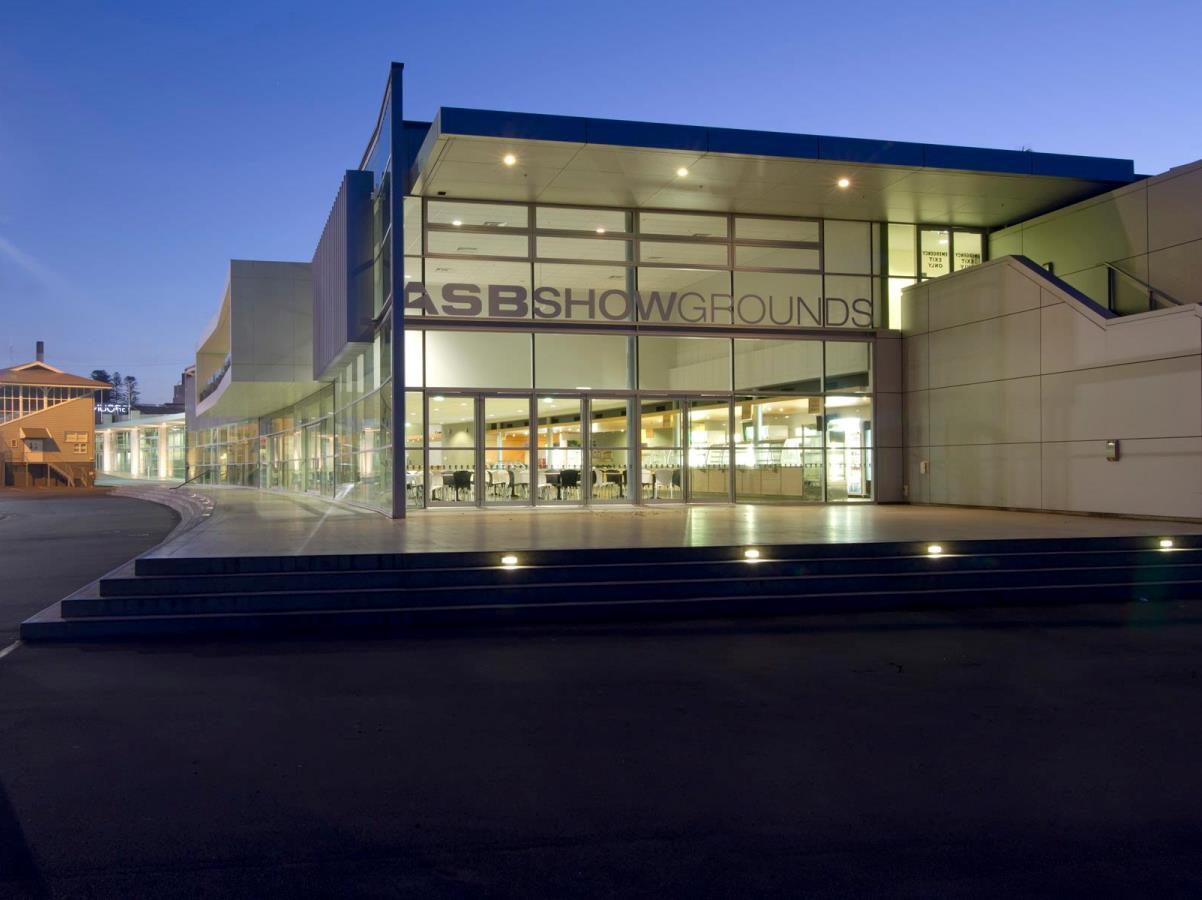
Fine Food New Zealand, the largest trade only event in the country for the foodservice, hospitality and food retail industries returns to Auckland on June 25-27.
From top quality food and drink ingredients to kitchen equipment and technology solutions, everything you need to upgrade your business will be on display. This year the Restaurant Association of New Zealand will host its Hospo Hui at the show.

Over 200 exhibitors, expert seminars, trade deals, networking opportunities will be available at the show.
Hospo Hui brings together leaders, thinkers and innovators to share thoughts and ideas on how to pave a sustainable hospitality industry for Aotearoa.
Through speaker and panel discussions the event will offer a valuable insight into the ideas that are shaping the hospitality industry today. By bringing together leading restaurateurs, operators, chefs and thought leaders the event will also offer a rare chance to network with the industry’s finest – and provide a forum for discussion and innovation.
Restaurant Association CEO Marisa Bidois says “This is a must attend event for anyone in our industry but also for anyone with a passion for food, drink and innovation. There will be something to offer for everyone in the food and drink industry, regardless of whether you work for a brand restaurant or cafe, bar, retailer, supplier, manufacturer, or hotel.
“The aim of this event is to bring together like-minded people from all walks of our industry, and provide a unique platform for information-sharing and inspiration.”
Rebecca Stewart, General Manager of XPO Exhibitions added “XPO Exhibitions is pleased to announce its partnership with the Restaurant Association to co-locate Fine Food New Zealand, the country’s most comprehensive trade exhibition for the hospitality, food service, and food retail industries, with the Hospo Hui, a thought-provoking and inspiring summit for the hospitality sector.
“By combining these events, we aim to provide a complete industry solution that supports learning, education and business development.
“Attendees will have the opportunity to visit over 200 exhibiting companies at Fine Food New Zealand while also engaging in the full range of Hospo Hui content – it could prove to be the most beneficial day out of the year!
“We look forward to presenting the 2023 edition of Fine Food New Zealand and the Hospo Hui, which comes at a crucial time to help address the challenges faced by the industry.”
Speakers will be announced over the coming months and tickets will be on sale later this month. Registration for FFF will also open soon at https://www.finefoodnz.co.nz/

RANZ reports positive meeting with new PM outlining immediate priorities –
The Restaurant Association, along with other members of the business community, met with the new Prime Minister, Chris Hipkins yesterday morning for the first time to discuss the impact of flooding on North Island hospitality businesses.

Marisa Bidois, CEO of the Restaurant Association of New Zealand said the meeting, which lasted about an hour was “constructive and positive” and it was clear that the Prime Minister was aware of the many challenges faced by the business community, which was encouraging to see.
The Restaurant Association raised immediate priorities with the Prime Minister:
Business communications – Ensuring that the message around staying at home is followed by strong messages around when it is ok to come out again.
Clear communications around road closures and the length of time for repairs were also discussed as vital to getting businesses back up and running again.
Business support – cash flow in the hospitality industry is severely impacted by a downturn of customers or business closure. In the case of the floods 75 per cent of respondents to a Restaurant Association survey had experienced a downturn in revenue since the floods. For an industry still recovering from the impacts of the pandemic this presents further cash flow challenges.
Reviewing planned policies – there is enormous financial pressure on businesses at the moment and reviewing some of the upcoming regulatory changes would be welcomed by businesses. Parking the minimum wage increases set for this year would go some way to supporting businesses dealing with skyrocketing costs; delaying the Fair Pay Agreements process and other policy directing impacting businesses could assist with easing some of the pressure on these businesses.
International communications – ensuring our international communities understand that New Zealand is open for business. We need more messaging calling for workers showing how great it is to work here. We are currently facing a severe skills shortage and competing with other markets for workers.
Immigration policy – Being able to access the labor needed to run our business is imperative to ongoing stability in the industry.
Other issues discussed included interruptions to the supply chain causing shortages of food, insurance contracts not covering financial downturns or damage due to natural disasters along with exponential price increases.
“The rain continued throughout January which culminated with the floods that have come at the very worst time for hospitality businesses, many of whom are still trying to recover from the effects of the pandemic,” said Marisa Bidois.
“The summer months are traditionally a bumper time for hospo, particularly the Auckland Anniversary and Waitangi weekends.
“We’ve been taking calls all week from members looking for support and targeted communication to help them work through the situation and get back and running again.”
“I’m pleased to report that the prime minister was extremely open and receptive to our suggestions and I’m looking forward to working with him and his senior ministers on the important issues facing our industry,” concluded Bidois.
Contingency planning essential says NZ Events Association –
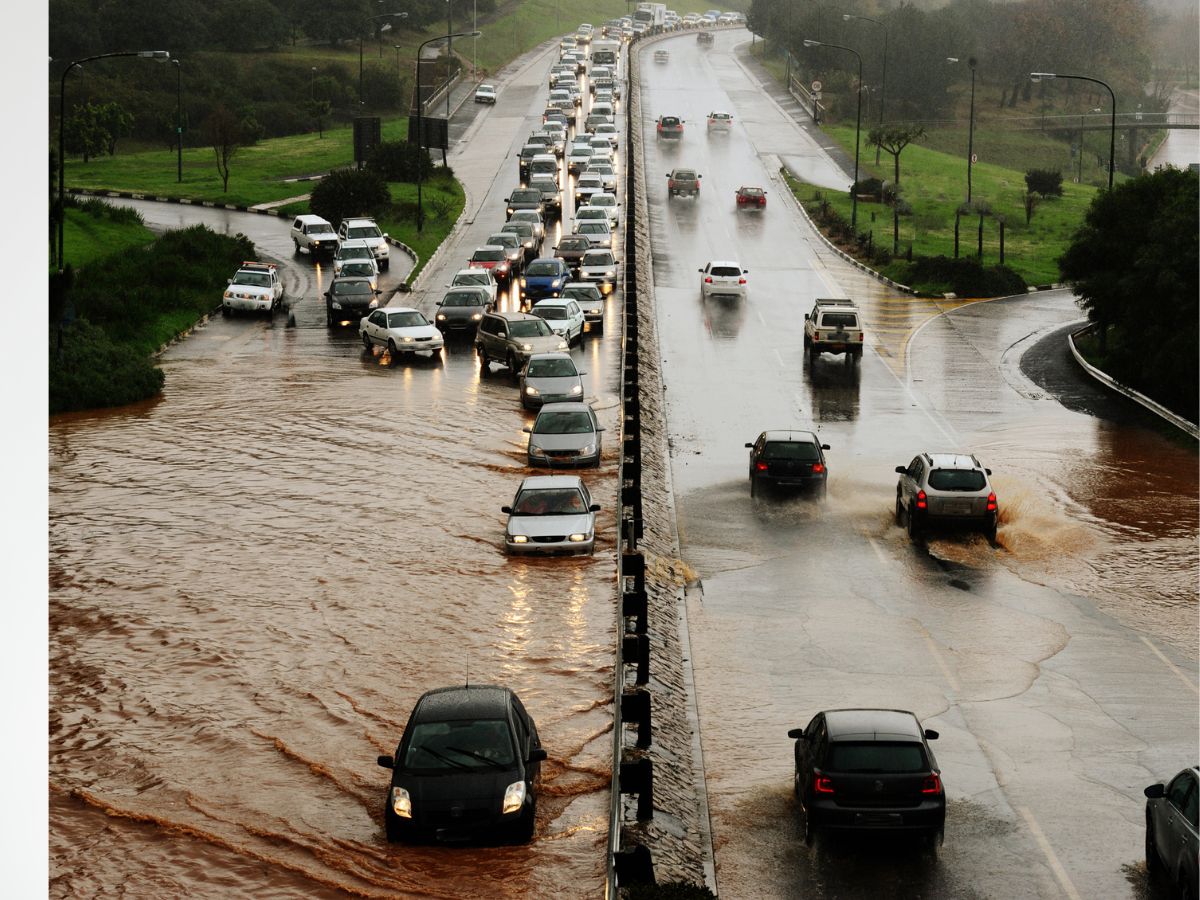
The New Zealand Events Association (NZEA) says the cancellation of multiple events at short notice is heartbreaking for organizers and concertgoers alike, but says it is a timely reminder of the necessity for emergency contingency plans.
“Just when things seemed to be getting back to normal for the events industry, it started raining and hasn’t stopped,” says Elaine Linnell, General Manager, NZEA.
“It’s devastating for all our members as the cancellation of major events has a knock-on effect which is hitting hard. It also demonstrates the necessity for emergency plans – after all, this is New Zealand and the unexpected can occur at any time thanks to Mother Nature.”

“Deciding on a cancellation is always difficult and takes into account multiple considerations including loss of revenue, disruption to travel plans and other arrangements for ticket holders, difficulty in communicating clearly with all stakeholders, including suppliers, and potential reputational damage (which can result if the event goes ahead in bad weather or is canceled, and the weather reflects).”
But the one overriding concern is the safety of everyone concerned. “Cancellations are always a minefield and it’s upsetting for everyone,” Linnell says. “That’s why having a plan is essential, whether you’re organizing Elton John, or running the local Jazz in the Park.”
The NZEA’s top tips include:
1. have a plan
Always plan for the possibility of cancellation or postponement. If the weather changes, you’ll be ready to communicate effectively with vendors, suppliers, ticket holders and even transport providers. Health and safety is paramount, and communicating plans early helps everyone understand what needs to happen. Working together is key; arrange an alternate date ahead of the planned fixture if possible, and include venues, talent, and suppliers in the planning for the second calendar entry.
2. Get insured
Loss of profits is among the biggest concerns with event cancellations or postponements. A lot of work goes into every event, and delaying or stopping the show is a huge waste of effort. An insurance policy provides some peace of mind, with several companies available to cover your event. Organize well in advance of your fixture.
3. Communication is key (from start, to finish, with everyone)
Well ahead of your event, be sure to include cancellation clauses in all vendor/supplier/talent contracts so everyone knows what to expect. If a cancellation is necessary, prompt and efficient communication across your supply chains is just as important as fast and efficient communication with your ticket holders.
Update your website and social media platforms, send emails and/or text messages, and send push notifications on the event app (if applicable). Get everyone on board with a consistent message: your talent, suppliers and vendors will get the word out. Answer their questions and be specific. People want reasons for cancellation or postponement, they want to know about refunds, and they want information about new dates, times and venues.
4. Provide clear reasons for cancellation or postponement
Before sending any messages, clarify why the event isn’t going ahead. Severe weather is a safety hazard; wind and flooding can compromise the venue, interrupt transport, and crowd control can become difficult or impossible. Explain ‘why’ concisely so everyone understands the necessity for action with safety as the top priority.
5. Reflect and assess
Regardless of whether the cancellation or postponement went well or not, take the opportunity to evaluate your response. Determine what went right and why with the same vigour as assessing what went wrong. Use it as a learning experience; we can’t prevent natural disasters or significant weather events, but we can change how we respond to them. Include suppliers and vendors in your assessment, and even consider reaching out to ticketholders with a follow-up survey. Your customers have views and expectations, understanding them is important to help create a better customer experience, even if the weather has ruined the fun.
“Planning ahead is the name of the game,” says Linnell. “Nobody wants to see an event canceled, but we all want to get home safely and we all have to accept that we live in an unpredictable world. Bad things do happen, but that’s how we deal with them that determines our success.”

Hospitality Business Leader’s Forum 2023:
Bring back hospitality
By Mayor of Auckland, Wayne Brown
Thank you for inviting me to contribute to the Hospitality Business magazine Leader’s Forum. Hospitality is my third biggest spend, after taxes and rates, and I have invested in this industry, so I’m probably a good person to listen to.
Studies have shown that 68% of all lost business results from the indifferent, uncaring attitudes of employees towards customers.
I cannot tell you the number of times I’ve entered a restaurant and stood there, being ignored by staff who don’t appear to be busy or told that a half-empty dining room is fully booked. It’s almost a weekly occurrence.
We need to put the hospitality back in this industry.
Every customer who comes through the door is an opportunity for repeat business – they’re going to spend more, more often, and promote your business to others. Where’s the friendly, generous reception for your customers, and your staff?
Staffing is a real problem, but the industry’s skills gap – compounded by COVID-19, closed international borders, and fewer graduates from hospitality and tourism schools – can’t be solved through immigration alone.
My view is, if you want something done properly, you might have to do it yourself.
In a survey of 396 hospitality workers, Voices from the Front Line, 81% stated they received no training in their jobs. If you want to keep people, you have to train them and pay them. If you pay the least, you’re going to lose people to your competitors eventually.
It’s important to understand the industry you’re in, and your business has to be competitive. Know your customers and your competitors, and offer superior quality, superior value, or something different – and don’t stand still.
Plenty of people changed their business model or product offering during COVID-19 and continued to trade well. It’s pretty simple, but it’s never easy, and I applaud those of you whose businesses have emerged stronger and competitive. There is something to be learned here.
If we look at Auckland’s inner-city, a recent resident’ survey shows the main reason people like living in the city center is access to shops and restaurants (63%), and the main reason to dislike living in the city center is that people do not feel safe (45%).
Safety issues, anti-social behavior, violence, and crime had a real impact on retail and hospitality post-COVID, and all agencies must work together effectively with businesses to address these problems.
As an interim solution, I want to see more police on the streets, and I urge business associations like the Heart of the City to spend any excess funds on regular security patrols. It’s free to become a member of your local business association because they’re funded by a targeted rate on local business rate payers, so make sure you join.
Spending money on security is a better bet than spending money on events to attract customers in the current environment, because they won’t stick around or come back if they don’t feel safe.
We also need to think about long-term practical measures to bring people back to inner-city Auckland, such as making it easier to convert empty office spaces into much-needed residential housing.
More people mean busier, safer streets, and thriving businesses.

Grand Chateau Tongariro Hotel announces permanent closure –
The Grand Chateau Tongariro will close permanently from Sunday February 5.
The Chateau, located in the Tongariro National Park, has been in consultation with the Department of Conservation (DOC) regarding the renewal of its 30-year lease, which expired in April 2020.
As part of the hotel’s due diligence in preparing to renew the lease, it had specialists conduct site and seismic assessments as part of plans to renovate the building and surrounding infrastructure.
The most recent seismic assessment, however, found that underground shifts over time meant some of the hotel infrastructure no longer met current safety standards.
“This decision has also been influenced by other factors including the significant cost of ensuring long-term site safety from seismic risk, Ruapehu Alpine Lifts (RAL) falling into voluntary administration and related uncertainty over the future of the ski resort upon which the Chateau Tongariro The hotel depends, and off the back of recent poor snow season conditions and pandemic restrictions,” a spokesperson said.
Senior vice president commercial of the Chateau Tongariro Hotel’s parent company, Kevin Peeris, said it’s a “very sad day for our hotel family”.
“Surrounded by the Ruapehu, Ngauruhoe and Tongariro, and its history in Aotearoa New Zealand, it is disappointing for our hotel community that the Chateau Tongariro Hotel chapter will come to an end in February, despite initial plans to invest in its long-term future ,” Peeris said.
He said although the hotel had been given the possibility of an extension to “undertake rectification works” it would’ve been too expensive.
To ensure the safety of those at the hotel, including its 36 staff, the decision has been made to close it.
Peeris said it was disappointing and sad that the iconic hotel would have to shut its doors “despite initial plans to invest in its long-term future”.
“The hotel has been given 25 years with the possibility of an extension of another 10 years to undertake rectification works, however the costs involved in these works, combined with other external factors such as the voluntary administration of Ruapehu Alpine Lifts and the poor snow season , and rebounding tourist numbers from the pandemic means continuing operations is not financially viable.”
Discussions are underway with DOC regarding the handover of the property.
The hotel said it was supporting directly affected staff.
Owners of the Chateau Tongariro Hotel and its sister hotel, Wairakei Resort Taupō, have confirmed they will continue investing in New Zealand, and the Wairakei Resort Taupō and its staff are not impacted by the closure.

Bocuse d’Or Aotearoa team placed 15th in global culinary Olympics –
Denmark has won the Bocuse d’Or with Norway and Hungary coming second and third place respectively in the world’s most high profile cooking competition.
Led by Chef William Mordido, the NZ team placed 15th in our first final participation in the biennial competition, which was held in Lyon, France at the SIRHA Lyon Trade Exhibition centre. Australia placed 18th.
Twenty-four teams consisting of some of the best chefs on the planet were gathered in Lyon at the Olympics of Food. Known to be the most prestigious and difficult culinary competition on Earth, the Bocuse d’Or is an event that makes fine dining an arena sport.
It comes with all the trimmings including uniforms, judges, cheering fans holding flags, bronze-silver-and-gold statuettes, and winners on podiums beaming while their national anthem blares in the speakers. And while there’s glory in winning one of the culinary Oscars, the road to Lyon is a long process that takes passion, dedication, and a strong desire for perfection.
The Kiwi team spent months preparing and fundraising for the competition, engaging creative director and graphic designer Alan Hughes to lead the design process.
“We really wanted to challenge ourselves to create shapes and designs that had not been seen or done before. We were given an international platform so it was our chance to showcase how far we could stretch our creativity,” – says Mordido.
On Day One, Sunday January 23, 12 countries were competing: Norwegian, China, belgium, Moroccan, japan, Chile, New Zealand, Canada, Switzerlandthe UK, sweden, and Sri Lanka. For the first event, the teams had to make a ‘Feed the kids’ menu based on squash, working from starter to dessert in a playful way.
A jury of children aged 10 on average was also present to evaluate the different dishes, which brought some comic relief to the proceedings.