

Alcohol legislation major threat to small businesses says HNZ –
Proposed changes to alcohol legislation could threaten the future of many small license holders, says Hospitality New Zealand.
The select committee considering the Sale and Supply of Alcohol (Community Participation) Amendment Bill has ignored pleasure from license holders in its report back to Parliament, says Chief Executive, Julie White.*
“This bill is likely to cause great uncertainty for license holders and could even threaten the very future of their businesses,” says White.
“Allowing District Licensing Committees to take new Local Alcohol Policies (LAP) into account when considering renewals, including giving them the ability to decline license renewals if they are viewed as inconsistent with any new local alcohol policy, is a step way too far.
“We are very disappointed that the voices of long-standing license holders are not reflected in the committee’s report.
“Though we support the intention of the bill, we do not believe it will meaningfully address alcohol-related harm, and it will have an adverse effect on consumer choice.
“Under this bill, if a new LAP imposed license density restrictions or buffer zones then they could be grounds for declining renewals, and that would create immense uncertainty for license holders and the future of their business.
“I believe the committee has not fully understood the ramifications, despite the submissions clearly pointing out these risks.
“Though there are certainly some big businesses that hold liquor licenses, many are small business owners and family-run operations that provide a place for people to connect, in addition to employment opportunities and community benefits.
“Do we really want to see them driven out of business?
“They are an important part of New Zealand’s social fabric, the vast majority are responsible, and they deserve to be heard.
“In light of the other checks and balances removed from the Act as a result of this bill – such as removing the right of appeal against provisional local alcohol policies – there is little control license holders have over retaining a key asset in their business.
“This is another blow to hospitality businesses facing a squeeze on increased costs of goods and labor shortages.
“The safest place to consume alcohol is on premise, and that’s what drove our submissions.
“The Parliament needs to take a further serious look at this and not just rubber-stamp what the select committee has done.”
*Steve Armitage has been elected CEO of HNZ, effective August 2023.
Disappointment at APTR decision –
The accommodation industry has expressed its disappointment with the Supreme Court ruling that the Auckland Council’s Accommodation Provider Targeted Rate (APTR) funding for tourism is valid.
The contentious hotel bed tax was introduced in 2017 by the Auckland Council to boost tourism funding and has now been given the green light after being suspended in 2020 due to the impact of the COVID-19 pandemic on the hospitality economy.
Hospitality New Zealand’s Accommodation Association Lead & Sector Chair, Troy Clarry, says the decision to overturn the Court of Appeal ruling will have long-term implications for operators; not only for Auckland but probably throughout New Zealand.
“The APTR, as proposed by the council, is unfair, inappropriate and simply does not work – Covid-19 proved that beyond all doubt.
“It did not work as intended and now Auckland has no funding for marketing and events, inevitably affecting New Zealand’s ability to attract major events going forward. But this ruling is the end of the matter and we now need to move forward.
“We pleaded with other local councils around New Zealand to work with the industry on models similar to the fairer funding model for destination marketing that has worked on with Tataki Auckland Unlimited and the wider tourism sector since the Court of Appeal ruling 18 months back.
“This is well advanced and covers the wider industry on a much fairer basis, and we ask other councils to look at what is being done and work with local tourism operators on similar models.
“At the same time we also ask the Government to work with us to develop a centralized funding model.
“This is urgent – not just for the industry but also for the benefits tourism can provide to the whole economy – GtDP, tax take, GST, branding etc.
“We still have a concern around targeted rates in general, and our concern with this ruling is that councils around New Zealand will now be tempted to implement targeted rates, not just for tourism but for other sectors going forward.
“So, we urge councils to work with the sector to find alternative fair, reasonable, and nationally endorsed funding models for tourism.
“Ultimately, we want to solve the funding for tourism problems, and this needs central government involvement.
“The hospitality and accommodation sector has always been willing to work with councils and the government, and we think this is the perfect time to do that. But it needs to be done quickly because we’re already falling behind competitively in international tourism and our ability to attract travelers from abroad.”
The Supreme Court ruling, released on May 12 determined that the APTR was reasonable and complied with the legislation in the Local Government Act 2002.

Training investment leads RANZ’ Budget wish list –
The Restaurant Association of New Zealand has produced its own budget wish list ahead of Thursday’s 2023 financial announcements from the Government.
“While the hospitality industry itself is leading the long-term work that will make our sector more resilient, we also know that ongoing skills shortages, increased costs of doing business and the ever-changing regulatory environment only add to the pressures we have experienced over the past three years.
“Increased investment in training to address the national skills shortage is one of our top priorities, so we would like to see investment in work-based training initiatives, to both fill the immediate skills gaps that we are facing and up the skills of New Zealanders at the same time,” said Marisa Bidois, CEO of the Restaurant Association.
“This means investing in hospitality apprenticeships and other on-the-job training schemes. This would help to alleviate the immediate pressures on our industry, and assist us to prepare for the future.
“Alongside the training we would like to see an increase in investment in supporting hospitality as an industry. The regulatory environment for our industry is constantly changing and with so many small businesses making up our industry, it’s more important than ever that the Government understands the impact of these changes on business owners.
For that reason, as tourist numbers finally start to reach (and even exceed) pre-pandemic levels, our hospitality businesses are being left without the staff numbers to remain open and meet the demands of the influx of holiday-makers.. Ensuring the regulatory environment is conducive to productivity and business growth while still prioritizing the well-being of employees and consumers remains a top priority.
“Promotion of New Zealand to the world as a place to work, as well as study and travel, is something that we are keen to see investment in. As tourist numbers finally start to reach (and even exceed) pre-pandemic levels, our hospitality businesses are being left without the staff numbers to remain open and meet the demands of the influx of holiday-makers.
“We are glad that infrastructure development is a priority for this budget. Ensuring that our businesses and communities are resilient in the face of future natural disasters is of the utmost importance.
“There are other areas that we would like to invest in for example community policing to keep our cities and communities, staff and businesses safe; or lowering GST (and removing it from food items altogether) which will benefit both the food services industry and the public at a time when the cost of living is skyrocketing.
“While we won’t know exactly which initiatives will be funded until the Budget is announced, we remain hopeful that the Government’s investment in skills, science and infrastructure is a good sign for our sector, through the priorities that we’ve identified in our 2023 election manifesto.”

7 Ways to Save on Summer Travel in 2023
Key points
- Travel credit cards can help you save in multiple ways, from redeeming rewards and travel credits to making use of valuable perks and benefits.
- The more flexible you are about your travels, the more affordable it will be.
- Pack less, travel together, and be creative about when, where, and how you travel.
Check out our picks for the best credit cards
Depending on your destination, the cost of a family summer vacation can easily get into the four digits. But you don’t necessarily need to drain your bank account just to have a good time this summer. There are all kinds of ways to save money on your vacation, from credit cards to carpools. Here are some tips to consider.
1. Redeeming rewards
My favorite way to save on travel expenses is to redeem travel rewards instead of paying cash. This could be a reward you earn with a travel credit card or loyalty points picked up on previous trips.
Pro tip: Don’t assume every redemption is a good redemption. Divide the cash cost of the room by the number of points you’d need to redeem to see the per-point cost. You want your per-point value to be as high as possible.
save: This credit card has one of the longest intro 0% interest periods around
more: Save while you pay off debt with one of these top-rated balance transfer credit cards
Travel credits and free night certificates can also be great tools for scoring free travel. For example, your card may offer you an annual statement of credit you can use toward travel purchases. This can be far more convenient than redeeming rewards, as it typically doesn’t require looking for award space. Similarly, many hotel cards can pay for themselves in free night certificates alone if you’re a little strategic about when and where you redeem them.
2. Maximizing perks
Travel cards, elite status, special booking deals — there are all kinds of ways to get valuable travel perks. For example, the elite status of your hotel credit card can help you score free breakfast or a room upgrade. Airline credit cards often give you free checked bags.
Many issuers also have travel portals through which you can book your vacation, often with extra perks. American Express’s Fine Hotels & Resorts program, for example, can unlock all sorts of extras, like 4 pm check-out (terms apply). Chase’s Luxury Hotel & Resort Collection comes with similar benefits.
3. Sharing the burden
Do you have some friends or family members who are also planning a summer vacation? Consider vacationing together! A larger group can actually make your per-person costs much lower, especially when it comes to housing and activities. Renting a vacation house with room for two families, for example, could be cheaper than trying to rent multiple hotel rooms.
Many activities you may want to experience can also be made cheaper with larger groups. Tours, excursions, and other activities often have group discounts that your smaller family may not qualify for — but your multi-family group could.
4. Packing light
The easiest way to increase your travel costs is to pack too much stuff. Checked bags alone can easily run you $30 a pop. But even if you’re doing carry-on only, you could be looking at extra costs. Discount airlines often have remarkably affordable deals — provided you don’t need overhead bin space.
It’s not just flights, either. More luggage means a larger rental car, more space in your hotel room, maybe even paying for bag storage if your flight arrives before you can check into your hotel. Overall, one-bagging your trip could substantially reduce your per-person travel costs.
5. Being flexible
This is arguably the most important tip on this entire list when it comes to saving money on travel, especially during the busy summer season. When possible, be flexible about when you travel, how you travel, and even where you travel.
Avoid traveling around major summer holidays (July 4, Memorial Day, Labor Day) if you can. If you’re flying, make sure to look up deals for all of your nearby airports. (Driving a little further to another airport can be well worth it if you can save money or find better award availability.)
If you’re renting a car, consider whether taking a taxi away from the airport to pick up a car will save you money. Picking up your car at the airport usually means paying a few surcharges.
6. Finding fun for free
It can be really easy to get caught up in the idea that you need to do something BIG on your summer vacation, like hitting a theme park or a major landmark. But these popular activities tend to be very expensive, particularly during peak season.
With a little research, you can easily find tons of free — or at least affordable — activities to keep your family entertained. Even if you still want to hit the parks, you can supplement your activities with a few free museums, nature walks or outdoor concerts.
7. Earning bonuses
Alright, so this one is most likely going to save you on yours next vacation, rather than your summer travel. But if you open a new card before booking, you could potentially earn a big sign-up bonus you can redeem in the future, all by just booking the travel you were going to buy anyway.
That said, your sign-up bonus could also be used to help pay for your summer vacation if it’s in the right currency. For example, if you earn your bonus quickly, you could potentially redeem it for cash back or a statement of credit to cover your current expenses.
Mix and match for the best results
Summer vacations are a cornerstone of American life. But the fact that we all tend to travel at the same time — and to the same places — means it’s often a pricey experience. Hopefully, with a bit of mixing and matching, you can use these tips (and any of the thousands of others all over the internet!) to make your summer vacation not only more affordable, but maybe even more fun, too.
Alert: the highest cash back card we’ve seen now has 0% intro APR until 2024
If you’re using the wrong credit or debit card, it could be costing you serious money. Our experts love this top pick, which features a 0% intro APR until 2024, an insane cash back rate of up to 5%, and all somehow for no annual fee.
In fact, this card is so good that our experts even use it personally. Click here to read our full review for free and apply in just 2 minutes.
Read our free review
Sixty hospitality venues join Ponsonby festival month –
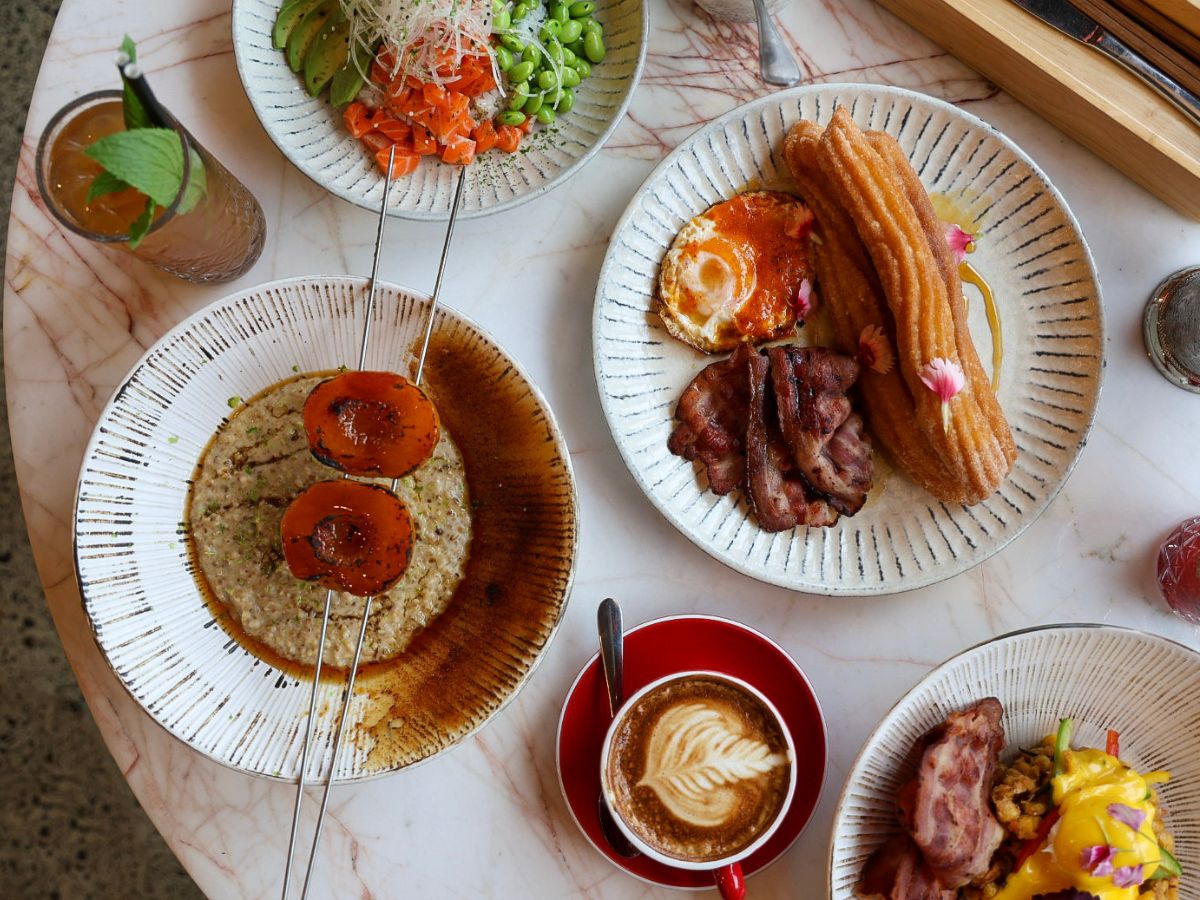
Ponsonby’s month long restaurant festival, Eat, Drink, Love Ponsonby, is back for another year and is bursting with the flavors of a culinary melting pot of cuisines, from Bangkok to Bali, Mexico to Malaysia, India to Italy–and beyond.
Taking place from 4-28 May along the length of Ponsonby Road, the popular festival is in its fourth year and is once again highlighting specific food and beverage offers for every appetite and budget.

A record 60 establishments are taking part this year, including bars, cocktail bars, casual restaurants, food court eateries, cafes, gourmet burger bars, hole in the wall snack spots, pizzerias, newcomers to the strip, Ponsonby Road stalwarts and a fine dining establishment–all showing the best of what the popular urban village has to offer.
With offers that fall within three fixed price ranges, $30 & Under, $30 to $50, and $50 & Over, below is a snapshot of what’s on offer in Ponson by this May.
the $30 and Under category features cocktails, gourmet burgers and sandwiches, bento boxes, baos, crêpes, ice creams, kebabs, laksas, bread rolls, pizza, platters, tacos, and more.
The two remaining categories – $30 to 50 and $50 and Over – offer a range of lunch and dinner menus for groups of all sizes. The fixed price ranges help take the guess work out of enjoying lunch or dinner, with hero or signature dishes included in the offer.

A snapshot of some of the participating bars and eateries include Azabu, Bali Nights, Bedford Soda & Liquor, Better Burger, Bird On A Wire, Boy & Bird, Burger Burger, Clipper Bar, Chop Chop Noodle House, Daphne’s Taverna, Dante’s Pizzeria, Dedwood Deli, Dida’s Wine Lounge, El Sizzling Chorizo, Elmo’s, Farina, Fitzroy Lounge Bar, Gaja. Gusto Italiano, Hoppers Garden Bar, INCA Ponsonby, Khu Khu, KOL, Longroom, Mekong Baby, Mexico, Mumbaiwala, Okumnandi, Ponsonby Friends, Ponsonby International Food Court, Ponsonby Road Bistro, Revelry, Sidart, Tokyo Club, The Blue Breeze Inn, The Broken Lantern, The Gyoza Bar, The Hidden Village, Win Win Bar.
Ponsonby Business Association General Manager Viv Rosenberg says she is delighted with the number of participating eaters for the 2023 festival.
“While there are 60 special offers this year, Eat Drink Love Ponsonby is about supporting all the area’s bars and eateries and encouraging people to revisit their old favourites and to check out something new.

“Ponsonby just does it better,” she says. “Whether it’s for a quick café pick-me-up or fine dining cuisine at one of our award-winning restaurants, Eat Drink Love Ponsonby will help people find their next foodie obsession thanks to an entire street’s worth of mouth-watering adventures. The fixed-price menus in the three price categories keep everything simple – and delicious. So, are you ready to Eat Our Street?”
With 60 venues and offers coming to the party for this year’s festival, Eat Drink Love Ponsonby 2023 and their offers can be found at eatdrinkloveponsonby.co.nz. For giveaways and more information follow Instagram @iloveponsonby. All offers are available from 4-28 May and can be booked directly with the restaurants and bars.

Sarin Group unviels Thordon Quay apartment hotel –
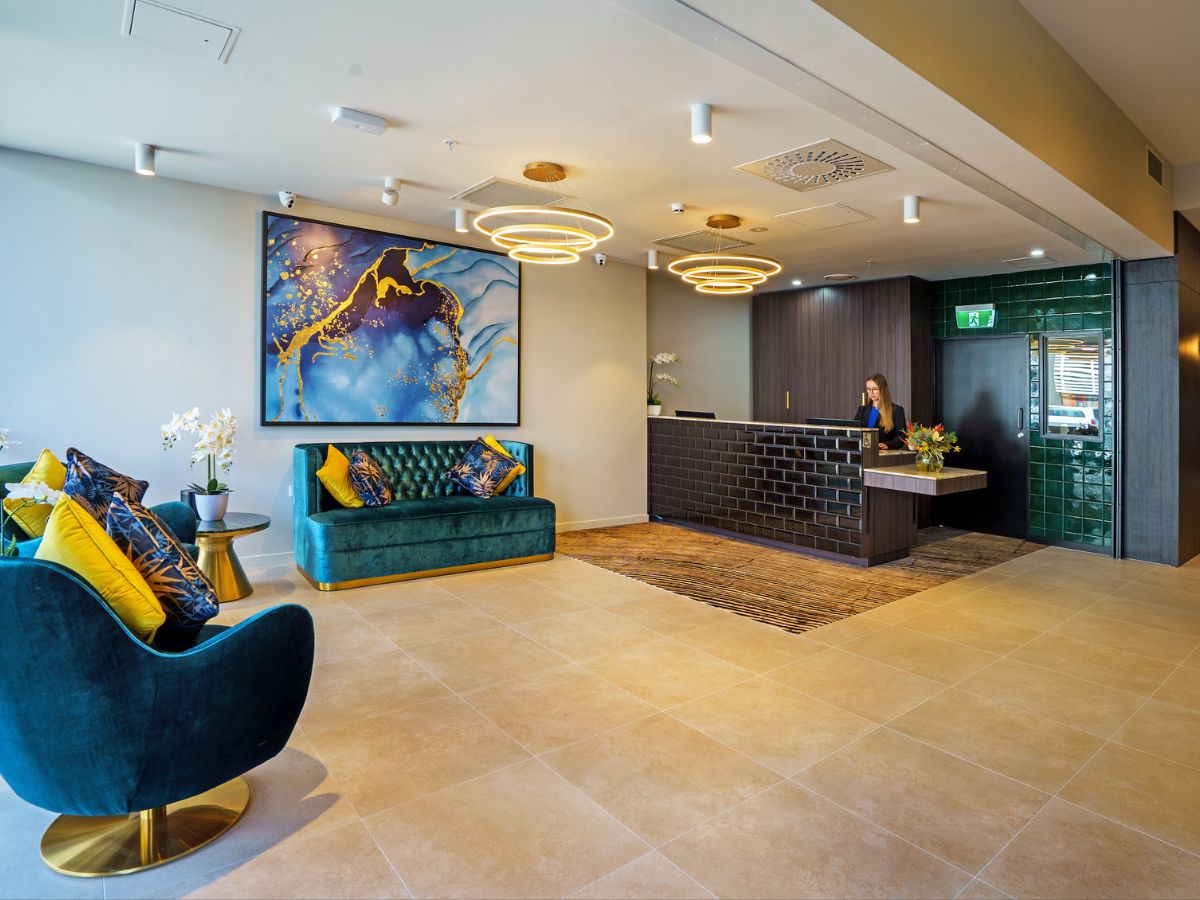
New Zealand-owned family business Sarin Hotels has opened a 72-room apartment hotel on Thorndon Quay – the eponymously named Proximity Apartments, located near Sky Stadium and The Beehive.
The project has been four years in the making, with delays caused by Covid-19. The new 9-storey building is owned by Wellington property developer Craig Stewart and is his first hotel development.

As the third hotel operated by Sarin in the Wellington area, and its eighth throughout New Zealand, the 4.5-star Proximity Apartments join the Sarin-managed DoubleTree by Hilton Wellington and The Sebel Lower Hutt, which opens in May/June. The group also operates the Lower Hutt Events Centre.
Offering short, long and residential stay options, Proximity Apartments are priced in the $199-$299 per night range. The hotel features undercover parking, 24/7 guest services, full-service kitchenette and digital check-in.
Speaking about the launch, Udai Sarin, CEO of Sarin Hotels said, “Wellington offers so much to travelers. It’s not just the political capital, it’s becoming the country’s cultural capital as well.
“During one of my business trips, I realized this is one of the very few cities across the globe to have a great balance between work and play. These new apartments are affordably priced, and styled to meet the needs of business people, domestic and international tourists alike.”
Given the city’s ongoing room shortage, David Perks, General Manager, Tākina Commercial Development at Wellington City Council welcomes the new hotel.
“As Wellington has emerged from the pandemic the demand for commercial accommodation in the city has quickly picked up to what it was in 2019, with demand driven by an unusually varied business mix of leisure and business travelers.
“Tākina – Wellington’s new Convention and Exhibition Center – opens at the end of May. We expect to see 500,000 visits to the center, 60 percent from outside the Wellington region. Hoteliers are going to be busy every day of the year.”
Also commenting on hospitality’s post-pandemic recovery, Stephen Hamilton, Director of leading hotel, tourism and leisure consulting firm Horwath HTL New Zealand, also predicts the recovery in Wellington’s hotel occupancy will be reasonably strong.
“The average room rates in Wellington have particularly risen, and in the last six months were 25 percent higher than the same period before the first national lockdown three years ago. The imminent opening of Tākina will provide a further boost to hotel occupancy in the city, and probably room rates as well.”
Other Sarin family-operated hotels include the stylish new Observatory Hotel in Christchurch’s Arts Centre, which recently received a 5-star ranking, as well as Christchurch’s MUSE Art Hotel, Holiday Inn Queenstown Frankton Road, Ibis Invercargill by Accor, and another Proximity Apartments hotel in Manukau.
Finalists named in Southern Lakes Hospitality Awards –
The finalists have been announced at the Southern Lakes Hospitality awards and locals are being invited to vote for their favorite place to dine out.
The finalists represent excellent dining establishments in the region as voted by the hospitality industry, including Queenstown restaurant Jervois Steakhousenominated in four award categories, including outstanding restaurant.
Also up for outstanding restaurant is Ben Bayly’s Arrowtown restaurant Aosta, a small 50 seat restaurant that brings a taste of Northern Italy to the gold-rush village of Arrowtown. The restaurant is nominated in the category of outstanding restaurants, and best regional establishments.
Aosta and Jervois Steak House will be going up against Oro Restaurant and Sherwood Queenstown who are also nominated for the outstanding restaurant award.
Situated in newly opened The Carlin boutique hotel, Oro is a fine-dining restaurant with modern French, British and New Zealand influences. It’s chefs Yann Robert and Beata Balogh have both been recognized in the categories for best chef and best emerging chef respectively.
Yann Robert has esteemed competition from Sam Gruar of La Rumbla; Koji Kiminai of Tanoshi and Ben Norfolk of The Bunker all up to the outstanding chef accolade.
Great cafes are not lacking in the region with 11th Avenue by Frank’s, Bespoke Kitchen, Odd Saint, The Boat Shed Cafe & Bistro all finalists in the category of outstanding cafe.
Those looking for a place to get a great drink won’t be disappointed with the region’s assortment of top-notch drinking establishments recognized.
Bardeaux, Ferg’s Bar, Little Blackwood and Little Mez are all contenders for the title of best bar while Botswana Butchery, Eichardt’s Bar, Jervois Steak House Queenstown and The Bunker are all recognized in the category of best winery restaurant.
Anyone looking for the best quick and tasty place to grab a bite should check out Francesca’s Mobile Pizza, Margo’s Queenstown, Ramen Ramen by Tanoshi and Taco Medic who are all nominated for outstanding street food/casual dining.
Nineteen awards will be given to the best of the region’s hospitality industry. From crew members, to suppliers, to establishments – the best of the best will be celebrated for their contribution to creating a world-class hospitality scene in the Queenstown and Southern Lakes area.
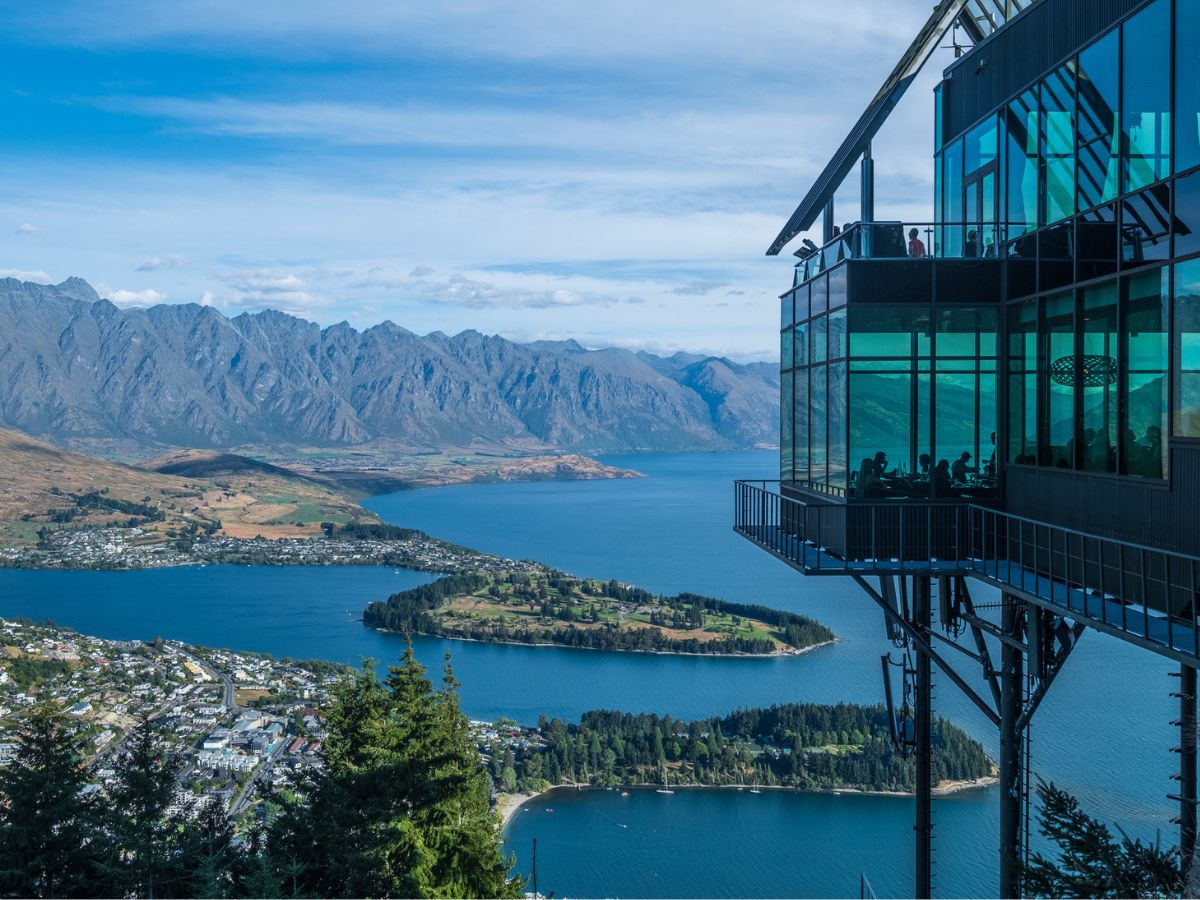
CEO Marisa Bidois says, “Queenstown is now a destination dining experience offering exceptional experiences in some of the world’s most stunning settings.
“From quick and easy street eats, to luxury winery restaurant experiences, Queenstown has it all.
“With all categories keenly contested, this year’s winners truly exemplify what it means to be at the top of their respective categories.”
Voting closes on Sunday, 23 April 5.00pm and the winners will then be announced at the awards evening on Monday, May 7 at Walter Peak in Queenstown.
Tickets to the event are on sale now, to purchase or for more information regarding the awards please visit For more information regarding the awards please visit https://hospitalityawards.co.nz/southernlaklakes, Facebook @qthospitalityawards
The Southern Lakes Hospitality Awards Finalists 2023
DineFind Outstanding Baristas
Lauren Peters, Beach St Cafe
Michaela Jandackova, Kamana Lakehouse
Liam Wright, The Boat Shed Cafe & Bistro
Alex Tong, Wolf Coffee Roasters
Hospo Start Outstanding Bartender
Shaun White, Eichardt’s Bar
Kate Marshall, Jervois Steak House Queenstown
Liam Cabourn, Little Blackwood
Stuart Campbell, Little Mez
Antipodes Outstanding Front of House Team
Botswana Butchery
Jervois Steak House Queenstown
Margo’s Queenstown
Tanoshi Cow Lane
Mt Cook Alpline Salmon Emerging Chef
Beata Balogh, Oro Restaurant
Bella Maroszek, The Hilton Queenstown Resort & Spa
Brandon Ferrari, Flame Bar & Grill
Callum Plank, The Bunker
Ritu Sharma, Kamana Lakehouse
Hospo Start Emerging Front of House
Brooke Owens, Slow Cuts
Ratchadaporn Tongjan, Thai Siam Kitchen
Jacob Bull, The Grille by Eichardt’s
Samaria Spyker, Vudu Cafe & Larder
Anchor Food Professional Outstanding Chef
Yann Robert, Oro Restaurant
Sam Gruar, La Rumbla
Koji Kiminami, Tanoshi
Ben Norfolk , The Bunkers
DineFind Outstanding Street Food/Casual Dining
Francesca’s Mobile Pizza
Margo’s Queenstown
Ramen Ramen by Tanoshi
Taco Medic
Bidfood Outstanding Café
11th Avenue by Frank’s
Bespoke Kitchen
Odd Saint
The Boat Shed Cafe & Bistro
Southern Hospitality Outstanding Bar
Bardeaux
Ferg’s Bar
LittleBlackwood
Little Mez
Restaurant Association of NZ Outstanding Wine & Beverage List
Botswana Butchery
Eichardt’s Bar
Jervois Steak House Queenstown
The Bunkers
Restaurant Association of NZ Outstanding Winery Restaurants
Gibbston Valley
Kinross
Mora Wines & Artisan Kitchen
Amisfield
OneMusic Outstanding Ambience & Design
Ferg’s Bar
Hyde Liquor and Social
Tanoshi Five Mile
Yonder
DineFind Outstanding Regional Establishments
Amisfield
Aosta
Bannockburn Hotel
The Dishery
Lumina Lamb Outstanding Restaurant
Aosta
Jervois Steak House Queenstown
Oro Restaurant
Sherwood Queenstown
Restaurant Association of NZ Outstanding Sales Rep
Ross Mander, Canyon Brewing
Theo Arndt, Cardrona Distillery
Karen Bisacre, Pernod Ricard
Devan Tyler, Wolf Coffee Roasters
Real NZ Outstanding Supplier
Bidfood
Crisp NZ
Harbor Fish
Pernod Ricard
Wolf Coffee Roasters

SME concerns grow as risk of recession continues –
A nationwide survey of 1,000+ SME owners, directors and managers from across New Zealand by MYOB has highlighted the ongoing impact of inflation and the Reserve Bank’s efforts to control it are taking its toll on local businesses.
Based on recent inflation increases, more than a third (38%) of local SME leaders could only sustain their business for up to six months before they would need to dip into their personal finances or seek additional finance, according to new data from the 2023 MYOB Business Monitor.
A third (33%) of local SME decision-makers who respondents to the survey are ‘quite’ or ‘very’ concerned about the impact increasing interest rates will have on their business’ finances, and just over a fifth (21%) say their current cashflow levels are poor or very poor, while 44% say they are satisfactory and 35% say their cashflow levels are good.
On average, SMEs estimate their business overheads, such as rent and electricity, have increased by over $1500 per month in the last year, with just 13% of SMEs saying they haven’t seen their costs increase in the past 12 months.
MYOB spokesperson, Jo Tozer, explains that inflationary pressures continue to dampen SME confidence, which has remained stubbornly low over the past year.
“Across the country, SME leaders have pointed to rising inflation and the high cost of living generating the most pressure, with three quarters saying it was having the biggest impact on their level of confidence,” said Jo. “Likewise, the other major influences on SME confidence are also inflation-related, including the cost of fuel (64%) and rising interest rates (61%).”
“As a result, confidence levels among SMEs have remained largely unmoved since our last Business Monitor in March 2022, but these are worryingly close to the historic lows we saw immediately after the outbreak of the COVID-19 pandemic,” Jo adds.
More than two-thirds (69%) of local SMEs believe the New Zealand economy will decline in the next 12 months, one percentage point more than the same time last year (2022: 68%), with 30% believing that decline in economic activity will be significant. Just 16% of SME decision-makers expect the economy to improve – the same proportion as seen in the 2022 Business Monitor, and 13% believe it will remain the same.
Low growth and constrained profitability
“Tough trading conditions and falling consumer confidence have also seen local SMEs struggle to achieve revenue growth over the last year, and profitability in the last quarter has become particularly constrained,” said Jo.
Just over one-in-five (22%) local SMEs saw their revenue improve over the 12 months to March 2023, while more than a third (34%) saw revenue decline. The majority – 43% – say their year-on-year revenue has remained static.
The past quarter has also seen profitability restricted. Forty-five percent of SMEs report that their business has become less profitable over the last three months, while 41% say it has stayed the same. In contrast, only 13% of SMEs say their business has become more profitable over this time.
“In this sort of low growth environment, where businesses are dealing with increasing cost pressures, SMEs are finding themselves with dwindling cash reserves, and becoming more vulnerable to a growing number of external shocks – from natural disasters to a downturn in the economy,” Jo explains.
“With these risks and pressures in mind, heading into the new financial year is a good opportunity for SMEs to review their fundamentals – cashflow, debt levels and the stock they are carrying – and use this as a time to reset their business for a tighter market . Working with their accountant, bookkeeper or financial advisor now to start putting in place strategies could prove vital to their survival if there was further downturn in the economy.”
Risk of recession growing
On top of the most recent StatsNZ GDP data showing the economy shrank by 0.6% in the final quarter of 2022, the falling profitability and revenue amongst SMEs could also point to a possible contraction in activity for the first quarter of 2023.
According to MYOB’s Business Monitor, recession warnings are flashing red for the SME community, with 80% polled saying they are concerned about the risk of the New Zealand economy entering a recession in 2023. If this occurs, the survey insights show it could generate a wave of cost-cutting among SMEs, which will further limit local growth.
When asked what changes they would make to their business plans or operations if New Zealand was to enter a recession, the Business Monitor insights revealed:
- 38% would implement strict cost controls across the business
- 29% would dip into personal savings to keep trading
- 18% would reduce marketing spend to save money
- 14% would freeze wages/salaries
- 14% would need to increase the time they take to pay bills and suppliers
- 11% would close the business altogether
“This is a critical moment for many local SMEs, as they face the risk of recession with very little in the way of resources to give them a buffer against a major downturn in trade. Rampant inflation, a significantly disrupted supply chain and recent extreme weather events have all taken their toll on SME reserves – particularly in sectors like agriculture, hospitality and retail,” says MYOB’s Jo Tozer.
“SMEs give a lot to our local communities and they are going to need a great deal of support this year, so we’d encourage policy makers to give this careful consideration before implementing any changes which could add to the already growing range of costs to SMEs. For the rest of us Kiwis, if it is within your means, please continue to buy local to support our diverse and valuable network of small and medium businesses.”