
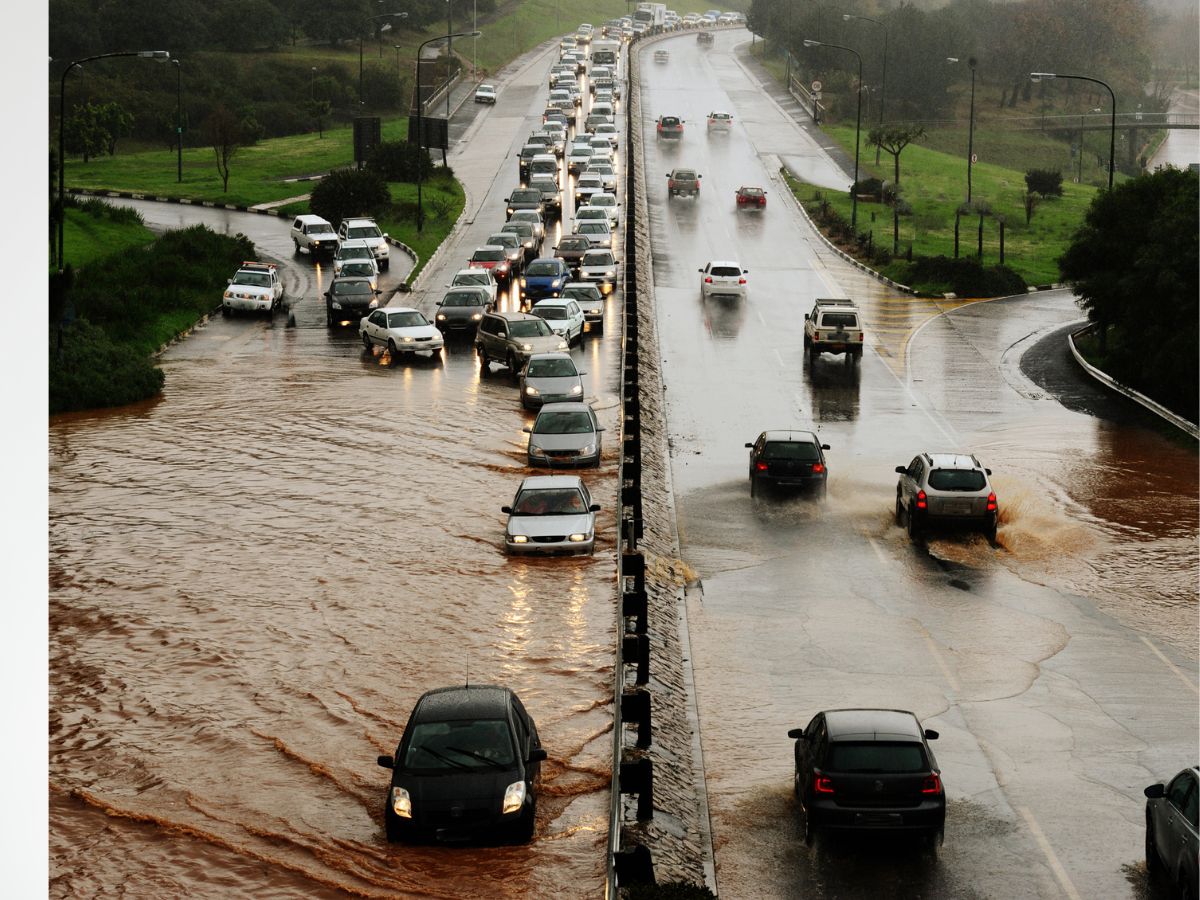
Contingency planning essential says NZ Events Association –
The New Zealand Events Association (NZEA) says the cancellation of multiple events at short notice is heartbreaking for organizers and concertgoers alike, but says it is a timely reminder of the necessity for emergency contingency plans.
“Just when things seemed to be getting back to normal for the events industry, it started raining and hasn’t stopped,” says Elaine Linnell, General Manager, NZEA.
“It’s devastating for all our members as the cancellation of major events has a knock-on effect which is hitting hard. It also demonstrates the necessity for emergency plans – after all, this is New Zealand and the unexpected can occur at any time thanks to Mother Nature.”

“Deciding on a cancellation is always difficult and takes into account multiple considerations including loss of revenue, disruption to travel plans and other arrangements for ticket holders, difficulty in communicating clearly with all stakeholders, including suppliers, and potential reputational damage (which can result if the event goes ahead in bad weather or is canceled, and the weather reflects).”
But the one overriding concern is the safety of everyone concerned. “Cancellations are always a minefield and it’s upsetting for everyone,” Linnell says. “That’s why having a plan is essential, whether you’re organizing Elton John, or running the local Jazz in the Park.”
The NZEA’s top tips include:
1. have a plan
Always plan for the possibility of cancellation or postponement. If the weather changes, you’ll be ready to communicate effectively with vendors, suppliers, ticket holders and even transport providers. Health and safety is paramount, and communicating plans early helps everyone understand what needs to happen. Working together is key; arrange an alternate date ahead of the planned fixture if possible, and include venues, talent, and suppliers in the planning for the second calendar entry.
2. Get insured
Loss of profits is among the biggest concerns with event cancellations or postponements. A lot of work goes into every event, and delaying or stopping the show is a huge waste of effort. An insurance policy provides some peace of mind, with several companies available to cover your event. Organize well in advance of your fixture.
3. Communication is key (from start, to finish, with everyone)
Well ahead of your event, be sure to include cancellation clauses in all vendor/supplier/talent contracts so everyone knows what to expect. If a cancellation is necessary, prompt and efficient communication across your supply chains is just as important as fast and efficient communication with your ticket holders.
Update your website and social media platforms, send emails and/or text messages, and send push notifications on the event app (if applicable). Get everyone on board with a consistent message: your talent, suppliers and vendors will get the word out. Answer their questions and be specific. People want reasons for cancellation or postponement, they want to know about refunds, and they want information about new dates, times and venues.
4. Provide clear reasons for cancellation or postponement
Before sending any messages, clarify why the event isn’t going ahead. Severe weather is a safety hazard; wind and flooding can compromise the venue, interrupt transport, and crowd control can become difficult or impossible. Explain ‘why’ concisely so everyone understands the necessity for action with safety as the top priority.
5. Reflect and assess
Regardless of whether the cancellation or postponement went well or not, take the opportunity to evaluate your response. Determine what went right and why with the same vigour as assessing what went wrong. Use it as a learning experience; we can’t prevent natural disasters or significant weather events, but we can change how we respond to them. Include suppliers and vendors in your assessment, and even consider reaching out to ticketholders with a follow-up survey. Your customers have views and expectations, understanding them is important to help create a better customer experience, even if the weather has ruined the fun.
“Planning ahead is the name of the game,” says Linnell. “Nobody wants to see an event canceled, but we all want to get home safely and we all have to accept that we live in an unpredictable world. Bad things do happen, but that’s how we deal with them that determines our success.”

Te Pūkenga- Facing into the challenge of change –
By Peter Winder
Chief Executive of the New Zealand Institute of Skills and Technology, Te Pūkenga
Biography
Peter Winder was officially appointed Chief Executive of the New Zealand Institute of Skills and Technology, Te Pūkenga, in December 2022 after guiding the network through a reset and realignment as Acting Chief Executive since July of that year. Mr Winder has been involved at a governance level in the tertiary education sector for several years, including the establishment board of Te Pūkenga, and brings a wealth of experience in managing large and complex organisations.
Facing into the challenge of change
As a reader of Hospitality Business, you will know more than most about the challenges the last few years have presented; the hospitality and related service sectors have had a rough time of it. You’ll appreciate the year ahead will come with its own hurdles.
If you’ve heard of Te Pūkenga, you’ll more than likely know that it’s an organization that has also faced – and will face – significant challenges. Like you, we confront these and actively seek the opportunities and innovations needed for us to thrive. And, like you, we do so with those we serve in mind.
In bringing together the vast experience and expertise of the network of polytechnics and industry training organizations, Te Pūkenga is on track to become Aotearoa New Zealand’s premier vocational education provider.
We have already started to leverage the many areas of best practice that sit in parts of the country and make them accessible to every employer, apprentice, workplace trainee and classroom ākonga (learner). Our mahi involves collaborating with the Ringa Hora (Services) Workforce Development Council to ensure that we develop the best outcomes for the learner and their whānau, our communities, the employer and industry.
Add to this the integration and expansion of the world-class online and distance options operating successfully within our network, and the options and opportunities for you are limitless. Leveraging these properly and well will take time and effort, but Te Pūkenga is committed to investing both to get the right outcomes.
We continue to work closely with industry, including those employers who are already engaged with local campuses and our workplace training divisions, and will involve industry and business associations, iwi, communities and all relevant stakeholders.
One of the leaders of this work is someone you may know: Andrew McSweeney, who led our ServiceIQ industry training division for many years, is now in my senior leadership team as Deputy Chief Executive of Learner and Employer Experience and Attraction.
There are already benefits flowing from the creation of a national network and cross-division groups. One example is the availability, should it suit your business, of free confidential counseling for workplace trainees and apprentices anywhere in the city, helping you look after the wellbeing of your people.
Employers are set to reap more during 2023 and beyond. While ākonga is at the center of all that we do, we know that, for on-the-job training especially, the employer and operation of the workplace are key. This is also recognized by the government.
The change in funding for vocational education has redressed the balance to better support in-work training and apprenticeships, resulting in the ability to increase the support for learners and the capability of staff.
What does this mean for you?
· You will see more proven workplace best practices.
· You will start to see more and better employer-focused innovation in on-the-job training, with appropriate and effective integration of workplace, campus and online options and solutions, including the use of micro credentials and just in time training.
· You will have more support as you upskill employees, whether straight from school or seasoned in a role and ready to take their career to the next level in your business; we have the ability to deliver the training needed to support career pathways for people.
· You will discover that the former polytechnic or industry training people – our Te Pūkenga people – that you already rely on to provide help, expertise and advice, will be able to give you access to more options and solutions than ever before. For example, if you want to get training for office staff as well as kitchen staff, you now have a one-stop shop.
That’s just the start.
As noted, there will be challenges to overcome as we work to achieve our shared vision. We know what many of the challenges are. We also know that there will be some that we didn’t see coming.
In every case, we will be looking for the opportunity – for you, your people, and all those with a stake in vocational education in Aotearoa New Zealand.
Lofty as that might sound, it is grounded in doing what is right and best for all businesses and enterprises across the country – in hospitality and every other sector. After all, without strong employers, there is less demand for talented employees, with an obvious impact on vocational education.
In delivering better value for you, Te Pūkenga will succeed.
Ngā mihi nui ki a koutou katoa.
Peter Winder
Tumuaki | Chief Executive
Te Pūkenga – New Zealand Institute of Skills and Technology

Largest food price rise in 32 years –
Food prices were 11.3 percent higher in December 2022 than they were in December 2021, Stats NZ has announced.
This is the biggest annual increase since April 1990, when food prices increased by 11.4 percent.
In December 2022, the annual increase was due to rises across all the broad food categories Stats NZ measures.
Compared with December 2021:
*grocery food prices increased by 11 percent
*fruit and vegetable prices increased by 23%.
*restaurant meals and ready-to-eat food increased by 7.8 percent
*meat, poultry, and fish prices increased by 11 percent
*non-alcoholic beverage prices increased by 7.3 percent.
Grocery food was the largest contributor to this movement.
“Increasing prices for cheddar cheese, barn or cage-raised eggs, and potato chips were the largest drivers within grocery food,” consumer prices manager, James Mitchell said.
The second-largest contributor to the annual movement was fruit and vegetables. Items within this group that influenced this most were kiwifruit, potatoes, and tomatoes.

Season’s Greetings!

Merry Christmas to all our readers, the busy festive season is here and great hospitality is the dish of the day.
Here’s to a profitable, satisfying and delightful summer that also yields great joy.
Share some fun – why not name your ‘Top 10 Best and Worst’ Lists for the year – ‘Ten life & death excuses why customers were late for a booking’; ‘Ten Best Selling Entres’, or ‘Most Popular Specials and Cocktails’ etc – keep it light and fun. And don’t forget the blooper list – the disasters your team is prepared to admit!
Hospitality Business would like to thank all our advertisers, readers and sponsors for their loyalty and support during a difficult 2022 and we look forward to bringing you the very latest useful and timely information to help you excel in 2023.
If you’d like to keep up to date with industry news and insights, please subscribe to our print magazine or our weekly eNewsletter and the digital magazine.
from the Hospitality Business team – keep safe and have a great Christmas and a Happy New Year.
The post Season’s Greetings! appeared first on .