

How the property changed hands
DELAND — The historic Hotel Putnam has seen a lot in its 100 years at 225 W. New York Ave. in downtown.
Demolition began on Feb. 13, about six weeks after a structural engineer recommended it be torn down because of the level of deterioration.
Here’s a look at what happened just within the past 10-plus years:
2012: Apartments no more
Owner Jayne Rocco receives notice from the bank that it would begin collecting “all rents and profits” due to her falling behind on mortgage payments.
The last of the remaining tenants were evicted from the Putnam, which had been serving as a 60-unit apartment building, the previous year as many had stopped paying their rent, which led to Rocco falling behind on the mortgage.
The two clubs on the first floor, JR’s Saloon and Club Envy, also closed around this time.
moving out:The Hotel Putnam’s final days as an apartment building in downtown DeLand
2013: New owner from New York City
The Hotel Putnam was purchased from Occor Inc., owned by Rocco, for $902,800, by Soly Halabi with Venture Capital Properties in New York City, according to property records.
Halabi said he and his silent partner in the venture wanted to restore the property for operation as a hotel or possibly apartments.
‘Move quickly’:The new owner talks about intentions for the Putnam Hotel project
2014: Plans for Putnam ‘on hold’
A year into owning the Putnam, Halabi says the plans he and his silent partner have for the building are “on hold for the time being.”
He also said they wouldn’t knock the aging building down.
“There’s too much history with the building,” Halabi said that July.
2015: Sold again
A Daytona Beach-based development company purchases the Putnam for $450,000, according to property records.
Summit Hospitality Management Group declined to comment at that time on the plans for the vacant building.
2016: Hotel Putnam ‘available’
A for-sale sign is posted at the front of the property, just west of the intersection of West New York and Florida avenues.
The listed agent, Scott Garrett with the Orlando-based Boss Commercial Real Estate, said the asking price was $999,999.
Summit Hospitality’s vice president of operations said that September that the company was actually hoping to keep the acquisition and find a possible partner in the project.
2017: New proposal from new developer
Sarasota-based Tony Collins, who was under contract to buy the Putnam, proposes a plan to the City Commission in April that would see the city contribute $750,000 in cash over five years.
![Developer Tony Collins stands in front of the Hotel Putnam in DeLand. [News-Journal/Nigel Cook]](https://www.gannett-cdn.com/authoring/2017/06/05/NDNJ/ghows-LK-4fde5992-04ed-063e-e053-0100007f06ed-f2e1f53e.jpeg?width=660&height=422&fit=crop&format=pjpg&auto=webp)
Additionally, Collins sought a change to the city’s code that would amount to a tax exemption of $600,000 to $700,000 over 10 years. Collins pitched using the Putnam for “high-end” apartments with a museum space on the first floor.
The commission voted that June to invest $500,000 from the general fund over five years.
By the year’s end, the agreement expired as Collins failed to obtain the necessary financing.
expired:The agreement between the developer and DeLand on Hotel Putnam failed to come to fruition
2018: Orlando-based developer enters the picture; a fire breaks out
Mohamed Rashad via his company, Big Bubba Investments, LLC, purchases the Putnam for $1 million.
Not long after making the purchase with plans to turn it into a multi-family project, DeLand firefighters responded to the property after a blaze was spotted.
Future after fire?:Prospects for DeLand’s historic Hotel Putnam uncertain after blaze
The investigation into the “set-fire” was closed six months later, no suspects were identified.
It was common knowledge that trespassers entered the property and/or the actual building now and then.
2021: Utah-based developer brings hope
Axia Partners bought the Putnam Hotel from Rashad for $2.3 million in November.
DeLand City Manager Michael Pleus said he and others familiar with the property’s history were feeling as hopeful as Axia had experience with major redevelopments.
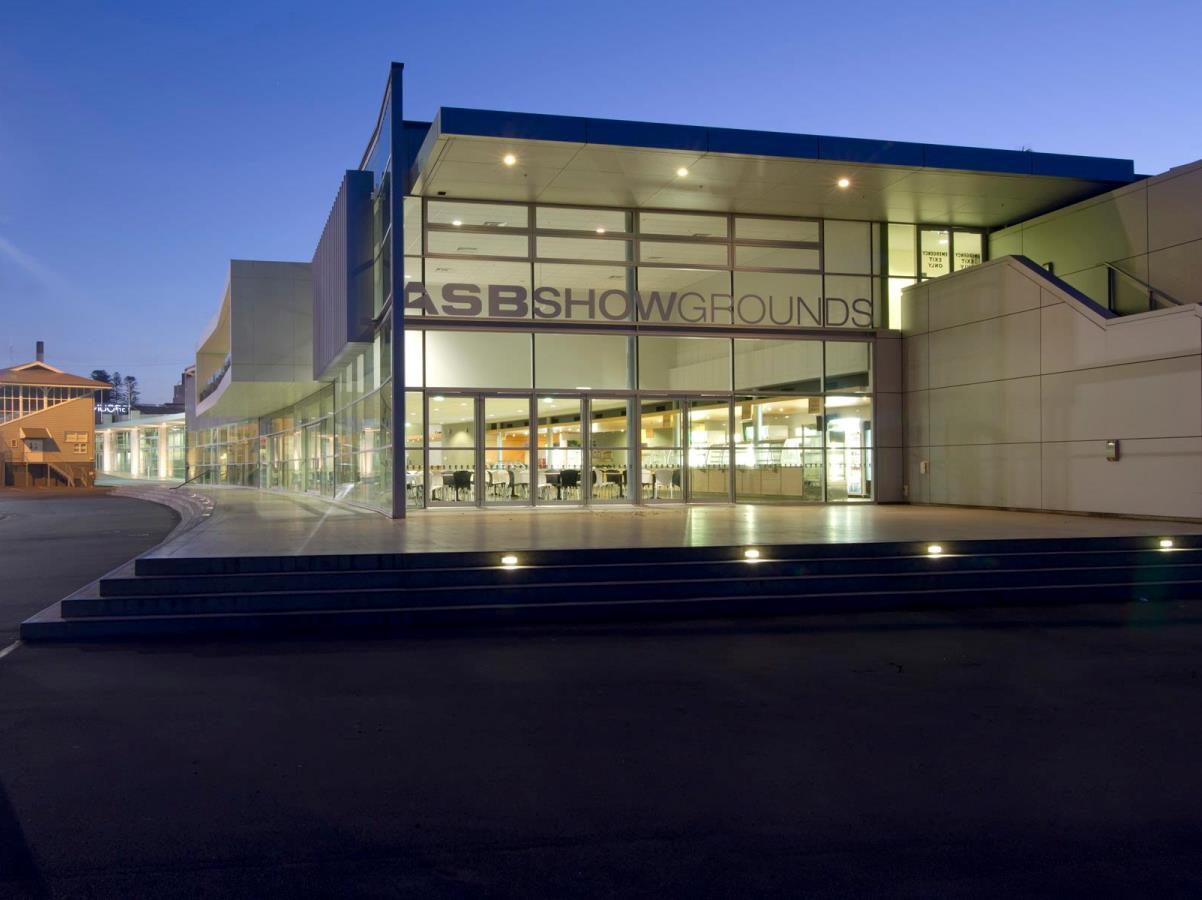
Hospo Hui scheduled for 2023 Fine Food NZ exhibition –
Fine Food New Zealand, the largest trade only event in the country for the foodservice, hospitality and food retail industries returns to Auckland on June 25-27.
From top quality food and drink ingredients to kitchen equipment and technology solutions, everything you need to upgrade your business will be on display. This year the Restaurant Association of New Zealand will host its Hospo Hui at the show.

Over 200 exhibitors, expert seminars, trade deals, networking opportunities will be available at the show.
Hospo Hui brings together leaders, thinkers and innovators to share thoughts and ideas on how to pave a sustainable hospitality industry for Aotearoa.
Through speaker and panel discussions the event will offer a valuable insight into the ideas that are shaping the hospitality industry today. By bringing together leading restaurateurs, operators, chefs and thought leaders the event will also offer a rare chance to network with the industry’s finest – and provide a forum for discussion and innovation.
Restaurant Association CEO Marisa Bidois says “This is a must attend event for anyone in our industry but also for anyone with a passion for food, drink and innovation. There will be something to offer for everyone in the food and drink industry, regardless of whether you work for a brand restaurant or cafe, bar, retailer, supplier, manufacturer, or hotel.
“The aim of this event is to bring together like-minded people from all walks of our industry, and provide a unique platform for information-sharing and inspiration.”
Rebecca Stewart, General Manager of XPO Exhibitions added “XPO Exhibitions is pleased to announce its partnership with the Restaurant Association to co-locate Fine Food New Zealand, the country’s most comprehensive trade exhibition for the hospitality, food service, and food retail industries, with the Hospo Hui, a thought-provoking and inspiring summit for the hospitality sector.
“By combining these events, we aim to provide a complete industry solution that supports learning, education and business development.
“Attendees will have the opportunity to visit over 200 exhibiting companies at Fine Food New Zealand while also engaging in the full range of Hospo Hui content – it could prove to be the most beneficial day out of the year!
“We look forward to presenting the 2023 edition of Fine Food New Zealand and the Hospo Hui, which comes at a crucial time to help address the challenges faced by the industry.”
Speakers will be announced over the coming months and tickets will be on sale later this month. Registration for FFF will also open soon at https://www.finefoodnz.co.nz/

RANZ reports positive meeting with new PM outlining immediate priorities –
The Restaurant Association, along with other members of the business community, met with the new Prime Minister, Chris Hipkins yesterday morning for the first time to discuss the impact of flooding on North Island hospitality businesses.

Marisa Bidois, CEO of the Restaurant Association of New Zealand said the meeting, which lasted about an hour was “constructive and positive” and it was clear that the Prime Minister was aware of the many challenges faced by the business community, which was encouraging to see.
The Restaurant Association raised immediate priorities with the Prime Minister:
Business communications – Ensuring that the message around staying at home is followed by strong messages around when it is ok to come out again.
Clear communications around road closures and the length of time for repairs were also discussed as vital to getting businesses back up and running again.
Business support – cash flow in the hospitality industry is severely impacted by a downturn of customers or business closure. In the case of the floods 75 per cent of respondents to a Restaurant Association survey had experienced a downturn in revenue since the floods. For an industry still recovering from the impacts of the pandemic this presents further cash flow challenges.
Reviewing planned policies – there is enormous financial pressure on businesses at the moment and reviewing some of the upcoming regulatory changes would be welcomed by businesses. Parking the minimum wage increases set for this year would go some way to supporting businesses dealing with skyrocketing costs; delaying the Fair Pay Agreements process and other policy directing impacting businesses could assist with easing some of the pressure on these businesses.
International communications – ensuring our international communities understand that New Zealand is open for business. We need more messaging calling for workers showing how great it is to work here. We are currently facing a severe skills shortage and competing with other markets for workers.
Immigration policy – Being able to access the labor needed to run our business is imperative to ongoing stability in the industry.
Other issues discussed included interruptions to the supply chain causing shortages of food, insurance contracts not covering financial downturns or damage due to natural disasters along with exponential price increases.
“The rain continued throughout January which culminated with the floods that have come at the very worst time for hospitality businesses, many of whom are still trying to recover from the effects of the pandemic,” said Marisa Bidois.
“The summer months are traditionally a bumper time for hospo, particularly the Auckland Anniversary and Waitangi weekends.
“We’ve been taking calls all week from members looking for support and targeted communication to help them work through the situation and get back and running again.”
“I’m pleased to report that the prime minister was extremely open and receptive to our suggestions and I’m looking forward to working with him and his senior ministers on the important issues facing our industry,” concluded Bidois.

Grand Chateau Tongariro Hotel announces permanent closure –
The Grand Chateau Tongariro will close permanently from Sunday February 5.
The Chateau, located in the Tongariro National Park, has been in consultation with the Department of Conservation (DOC) regarding the renewal of its 30-year lease, which expired in April 2020.
As part of the hotel’s due diligence in preparing to renew the lease, it had specialists conduct site and seismic assessments as part of plans to renovate the building and surrounding infrastructure.
The most recent seismic assessment, however, found that underground shifts over time meant some of the hotel infrastructure no longer met current safety standards.
“This decision has also been influenced by other factors including the significant cost of ensuring long-term site safety from seismic risk, Ruapehu Alpine Lifts (RAL) falling into voluntary administration and related uncertainty over the future of the ski resort upon which the Chateau Tongariro The hotel depends, and off the back of recent poor snow season conditions and pandemic restrictions,” a spokesperson said.
Senior vice president commercial of the Chateau Tongariro Hotel’s parent company, Kevin Peeris, said it’s a “very sad day for our hotel family”.
“Surrounded by the Ruapehu, Ngauruhoe and Tongariro, and its history in Aotearoa New Zealand, it is disappointing for our hotel community that the Chateau Tongariro Hotel chapter will come to an end in February, despite initial plans to invest in its long-term future ,” Peeris said.
He said although the hotel had been given the possibility of an extension to “undertake rectification works” it would’ve been too expensive.
To ensure the safety of those at the hotel, including its 36 staff, the decision has been made to close it.
Peeris said it was disappointing and sad that the iconic hotel would have to shut its doors “despite initial plans to invest in its long-term future”.
“The hotel has been given 25 years with the possibility of an extension of another 10 years to undertake rectification works, however the costs involved in these works, combined with other external factors such as the voluntary administration of Ruapehu Alpine Lifts and the poor snow season , and rebounding tourist numbers from the pandemic means continuing operations is not financially viable.”
Discussions are underway with DOC regarding the handover of the property.
The hotel said it was supporting directly affected staff.
Owners of the Chateau Tongariro Hotel and its sister hotel, Wairakei Resort Taupō, have confirmed they will continue investing in New Zealand, and the Wairakei Resort Taupō and its staff are not impacted by the closure.

Te Pūkenga- Facing into the challenge of change –
By Peter Winder
Chief Executive of the New Zealand Institute of Skills and Technology, Te Pūkenga
Biography
Peter Winder was officially appointed Chief Executive of the New Zealand Institute of Skills and Technology, Te Pūkenga, in December 2022 after guiding the network through a reset and realignment as Acting Chief Executive since July of that year. Mr Winder has been involved at a governance level in the tertiary education sector for several years, including the establishment board of Te Pūkenga, and brings a wealth of experience in managing large and complex organisations.
Facing into the challenge of change
As a reader of Hospitality Business, you will know more than most about the challenges the last few years have presented; the hospitality and related service sectors have had a rough time of it. You’ll appreciate the year ahead will come with its own hurdles.
If you’ve heard of Te Pūkenga, you’ll more than likely know that it’s an organization that has also faced – and will face – significant challenges. Like you, we confront these and actively seek the opportunities and innovations needed for us to thrive. And, like you, we do so with those we serve in mind.
In bringing together the vast experience and expertise of the network of polytechnics and industry training organizations, Te Pūkenga is on track to become Aotearoa New Zealand’s premier vocational education provider.
We have already started to leverage the many areas of best practice that sit in parts of the country and make them accessible to every employer, apprentice, workplace trainee and classroom ākonga (learner). Our mahi involves collaborating with the Ringa Hora (Services) Workforce Development Council to ensure that we develop the best outcomes for the learner and their whānau, our communities, the employer and industry.
Add to this the integration and expansion of the world-class online and distance options operating successfully within our network, and the options and opportunities for you are limitless. Leveraging these properly and well will take time and effort, but Te Pūkenga is committed to investing both to get the right outcomes.
We continue to work closely with industry, including those employers who are already engaged with local campuses and our workplace training divisions, and will involve industry and business associations, iwi, communities and all relevant stakeholders.
One of the leaders of this work is someone you may know: Andrew McSweeney, who led our ServiceIQ industry training division for many years, is now in my senior leadership team as Deputy Chief Executive of Learner and Employer Experience and Attraction.
There are already benefits flowing from the creation of a national network and cross-division groups. One example is the availability, should it suit your business, of free confidential counseling for workplace trainees and apprentices anywhere in the city, helping you look after the wellbeing of your people.
Employers are set to reap more during 2023 and beyond. While ākonga is at the center of all that we do, we know that, for on-the-job training especially, the employer and operation of the workplace are key. This is also recognized by the government.
The change in funding for vocational education has redressed the balance to better support in-work training and apprenticeships, resulting in the ability to increase the support for learners and the capability of staff.
What does this mean for you?
· You will see more proven workplace best practices.
· You will start to see more and better employer-focused innovation in on-the-job training, with appropriate and effective integration of workplace, campus and online options and solutions, including the use of micro credentials and just in time training.
· You will have more support as you upskill employees, whether straight from school or seasoned in a role and ready to take their career to the next level in your business; we have the ability to deliver the training needed to support career pathways for people.
· You will discover that the former polytechnic or industry training people – our Te Pūkenga people – that you already rely on to provide help, expertise and advice, will be able to give you access to more options and solutions than ever before. For example, if you want to get training for office staff as well as kitchen staff, you now have a one-stop shop.
That’s just the start.
As noted, there will be challenges to overcome as we work to achieve our shared vision. We know what many of the challenges are. We also know that there will be some that we didn’t see coming.
In every case, we will be looking for the opportunity – for you, your people, and all those with a stake in vocational education in Aotearoa New Zealand.
Lofty as that might sound, it is grounded in doing what is right and best for all businesses and enterprises across the country – in hospitality and every other sector. After all, without strong employers, there is less demand for talented employees, with an obvious impact on vocational education.
In delivering better value for you, Te Pūkenga will succeed.
Ngā mihi nui ki a koutou katoa.
Peter Winder
Tumuaki | Chief Executive
Te Pūkenga – New Zealand Institute of Skills and Technology

How to create a plant-based menu
Have you noticed your customers gravitating toward plant-based dishes? You’re not the only one — going meat-free is a growing trend. In 2022, the plant-based food market was worth $10.9 billion, and Bloomberg estimates that plant-based food sales will increase by 500% by 2030.
Plant-based meals cater to two types of people: vegans and vegetarians. Vegans don’t eat any animal products; vegetarians typically avoid meat but eat eggs, dairy, fish, and sometimes poultry.
If you can expand or edit your restaurant’s menu to satisfy these customers, you can reach a wider market and boost your bottom line. Adding more plant-based dishes is also an effective way to become more sustainable.
How to create a plant-based menu for your restaurant
Given the rising popularity of meat-free diets, now’s a good time to add more plant-based options to your restaurant’s menu. You don’t need to rework the entire menu — simply add more options for vegans and vegetarians. In the process, you’ll attract new diners without alienating your existing customer base.
Don’t have time to develop new menu items? Look for ways to make substitutions or remove animal products from your existing dishes. That way, vegan and vegetarian diners can enjoy your most popular items, too.
Before you update your menu, take time to audit your current offerings. Check sales data to identify your highest- and lowest-performing dishes. Then, eliminate rarely ordered items to make room for new options. You’ll keep the menu in check and maintain a reasonable workload for your kitchen crew.
1. Find plant-based substitutes
Plant-based substitutes are a great way to make vegan menu items without adding more work to your cooks. All you need to do is find a suitable alternative for animal-based ingredients. Incorporating locally sourced food into your menu can also help you cater toward the plant-based crowd.
Some popular, vegan-friendly substitutes include:
- Portobello mushroom caps instead of chicken breasts
- Tofu as a substitute for chicken or beef
- Vegetable stock to replace chicken or beef stock
- Quinoa or vegetable patty instead of a beef burger
- Coconut oil or nut butter in place of dairy butter
- Vegan cheese as a substitute for dairy cheese
- Oat, rice, almond, soy or coconut milk for dairy milk
- Ground flaxseed, bananas, or applesauce to replace eggs
- Sorbet or coconut ice cream instead of dairy ice cream
Keep in mind that vegan substitutions don’t always work on a one-to-one ratio. You may need to adjust the amount to account for ingredients with different densities or consistencies.
2. Integrate plant-based options into traditional dishes
Adding vegan-friendly ingredients to an existing item is an easy way to provide more options for customers without recreating the entire dish. For example, you might consider offering meat as an add-on ingredient rather than an integral part of a menu item. Start with a basic green salad or a tomato-based pasta and enable diners to add chicken or salmon for an extra fee.
Integrating plant-based options into your main menu makes each dish more accessible to everyone, regardless of dietary preferences. Since these veggie-heavy items aren’t isolated in a “vegan” section, meat-eating customers are more likely to consider them.
3. Get creative with presentation
Vegan and vegetarian dishes aren’t limited to salads and steamed veggies. Get creative and you can make plant-based options feel like a treat. Dress up veggies with breading to add a bit of crunch, or go crazy with the spices to add a Cajun or Thai kick.
Don’t forget about sauces, dips, and marinades — serve deep-fried cauliflower bites with a rich Buffalo sauce, and try garlic-infused pita triangles with a selection of hummus flavors. Unexpected flavor profiles and tasty textures will delight your vegan diners and entice meat-eaters to try a veggie-based dish.
Captivating menu descriptions are critical; the right word choices can increase demand for non-meat items. Make sure to describe the texture and flavor and indicate that the dish is meat free. You can use words such as:
- Plant-based
- Veggies
- Vegans/vegetarians
- Plant proteins
Help your plant-eating diners identify appropriate items at a glance by placing a “V” or a plant symbol next to meat-free options. Just make sure to include a key, particularly if you have both vegan and vegetarian dishes.
4. Listen to customer feedback
If you’re a meat eater, it can be difficult to figure out which dishes your vegan diners will enjoy. Instead of guessing, ask for customer feedback. Print out a short survey and place it on each table, poll your followers on social media, and send a digital survey to your email list.
Consider testing new meal ideas using a rotating plant-based menu. An ever-changing lineup gives your chef the opportunity to experiment with new dishes, and you’ll have the chance to see how customers respond to different items.
What are examples of plant-based meals?
Not sure where to start? Find inspiration in a few of the top 2022 food trends:
- California rolls
- caesar salad
- Hash browns
- Edamame
- Onion rings
When in doubt, you can’t go wrong with vegan classics. Dishes such as eggplant Parmesan, veggie burritos, black bean burgers, roasted vegetable sandwiches, and minestrone soup are sure to please both plant-based and meat-eating customers.
Plant-based dishes are also predicted to make a splash in 2023. One of the top plant-based ingredients diners are looking for is non-dairy milk. Here are the top milk alternatives that were ordered on Grubhub in 2022:
- Oat Milk
- Almond Milk
- Coconut Milk
- Soy Milk
- Cashew Milk
Reach more customers with plant-based dishes
As plant-based diets become more popular, restaurants with vegan and vegetarian options are in high demand. In fact, in 2022, vegan dishes were some of the most popular delivery items ordered on Grubhub. Services like Grubhub make it easier to reach plant-focused diners — restaurants like PS Kitchen have used the platform to expand their reach and increase sales. With beautiful, vibrant photos that showcase the natural colors and textures of the vegetables, you can do the same. Ready to reach more plant-based diners? Join Grubhub today.

Season’s Greetings!

Merry Christmas to all our readers, the busy festive season is here and great hospitality is the dish of the day.
Here’s to a profitable, satisfying and delightful summer that also yields great joy.
Share some fun – why not name your ‘Top 10 Best and Worst’ Lists for the year – ‘Ten life & death excuses why customers were late for a booking’; ‘Ten Best Selling Entres’, or ‘Most Popular Specials and Cocktails’ etc – keep it light and fun. And don’t forget the blooper list – the disasters your team is prepared to admit!
Hospitality Business would like to thank all our advertisers, readers and sponsors for their loyalty and support during a difficult 2022 and we look forward to bringing you the very latest useful and timely information to help you excel in 2023.
If you’d like to keep up to date with industry news and insights, please subscribe to our print magazine or our weekly eNewsletter and the digital magazine.
from the Hospitality Business team – keep safe and have a great Christmas and a Happy New Year.
The post Season’s Greetings! appeared first on .