
What does a NSF certification mean for your restaurant?
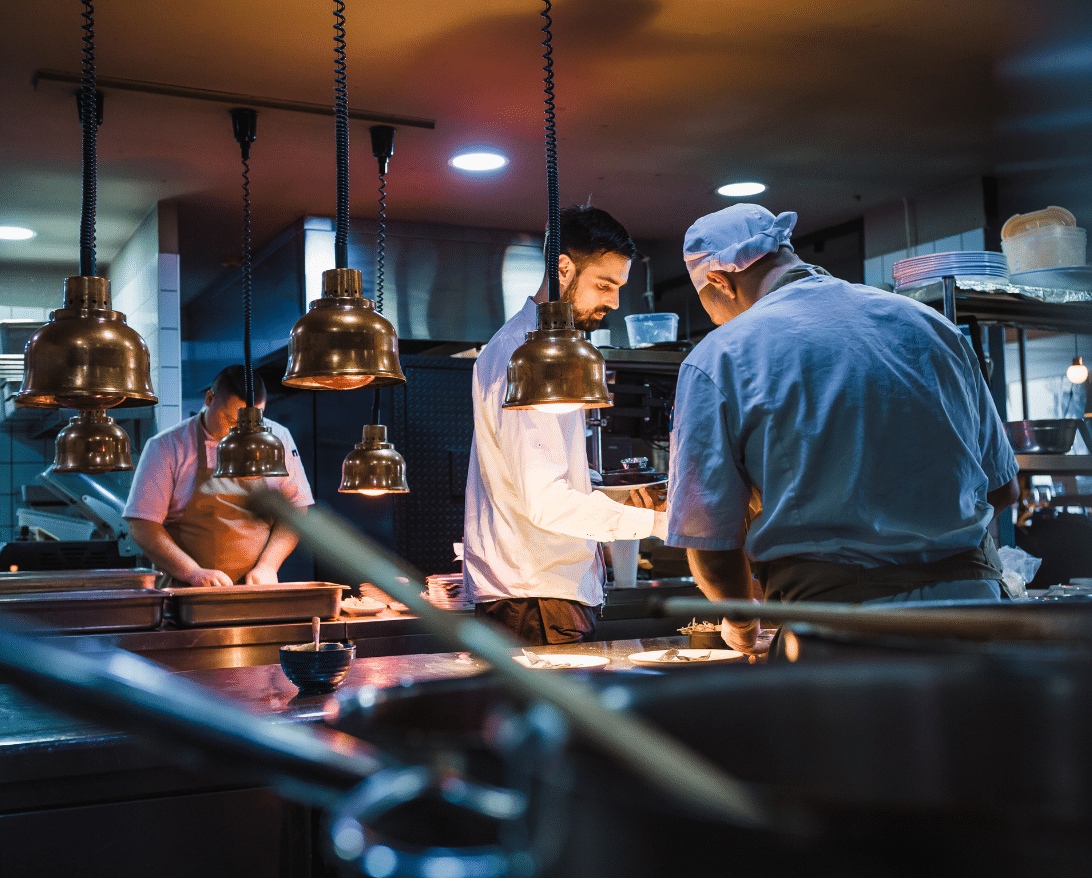
When you operate a commercial kitchen, hygiene and safety are top priorities. You’ve probably implemented strict food safety practices, but when was the last time you evaluated your kitchen equipment? The design, materials and functionality of your refrigerators, water heaters and beverage dispensers can have a big impact on overall sanitation.
That’s where National Sanitation Foundation (NSF) certification comes in. Buying NSF-certified food equipment is one way to ensure your restaurant kitchen meets the highest safety standards.
What is NSF International?
NSF International, previously known as the National Sanitation Foundation, is an independent certification organization. It develops strict standards for public health and safety. NSF officials use the organization’s safety standards to test and certify a wide range of food, water, and consumer products.
Why does that matter to restaurant owners? When you buy a piece of equipment with an NSF International certification, you can rest assured that it’s free of contaminants, banned substances and hazardous materials. Choosing NSF-certified gear is one way to increase food safety and stay compliant with the local health code.
Currently, NSF has 140 different standards and testing protocols. The organization certifies products ranging from supplements to water filters and commercial food equipment.
Other NSF-certified product examples include:
- Water heaters and water treatment units
- Commercial refrigerators
- Storage freezers
- Manual food and beverage dispensing equipment
- Oven mitts
- Disposable gloves
- Automatic ice maker
- Knives and other utensils used for food preparation in commercial kitchens
- Detergent for commercial dishwashers
NSF International is based in Ann Arbor, Michigan. The organization works in more than 170 countries to improve public health standards across the globe.
What does NSF certification mean?
NSF International offers an accredited third-party certification process that’s widely respected around the world. When your restaurant purchases NSF-certified consumer products, it indicates to diners and health inspectors that you’re serious about food safety and customer health.
The NSF is an American National Standards Institute (ANSI) accredited standards developer. In other words, it’s one of the select organizations that are permitted to develop American National Standards (ANS) — scientifically developed, thoroughly tested, and expert-approved criteria that ensure consumer safety.
An NSF certification is like an official vote of confidence in a product, so you can purchase it with peace of mind. Because NSF standards are developed to meet or exceed health codes and federal and state regulations, buying certified products is one way to maintain a high restaurant health score.
Before the NSF creates a certification, the standards are subject to a rigorous development process that includes:
- Input from industry experts, public health officials, regulatory officials, testing labs, consumers and other certification bodies
- Joint committee-based revision and review
- Public review and comment period
The goal of this intensive, time-consuming procedure is to create consensus and build confidence in every standard and testing protocol.
NSF certification process
The NSF certification comes with a high level of trust, in part because of the stringent development and certification process. Every certified product must pass the same series of steps.
- Manufacturer applies and submits detailed information about the product.
- NSF officials evaluate the product thoroughly.
- NSF officials test the product in a lab using approved protocols to make sure it meets NSF standards.
- Inspectors from the NSF inspect the manufacturing facility, confirm consistent production, and sample products randomly to ensure compliance with NSF standards.
- The NSF team reviews the product testing and facility inspection results and determines whether to certify the product.
- The manufacturer signs the NSF contract and NSF International lists the product in its certification database.
The fun doesn’t stop there — every year, an NSF inspector visits the manufacturing facility and retests the products. If the manufacturer maintains consistent practices and meets NSF International standards, the product maintains its certification. If not, the NSF can revoke the certification. When a product threatens public health, the NSF is allowed to recall the product.
NSF certification contracts also control how and when manufacturers can use the NSF certification mark. These strict standards help prevent brands from using the mark to mislead customers; they’re necessary to maintain the integrity of the NSF mark.
How does the NSF mark benefit your restaurant?
As you might guess, the NSF mark carries a great deal of weight. In the restaurant industry, this certification is considered the gold standard of food safety and public health — when a product carries the NSF seal, you know it’s been tested and approved by experts.
Other ways restaurant operators benefit from NSF-certified products:
- Buyer confidence. NSF-certified equipment is designed to be compliant with food safety laws. That way, you can invest in expensive kitchen products with peace of mind.
- Communicates a commitment to food safety. When a health inspector sees the NSF International certification, it validates your restaurant’s commitment to health-code compliance, overall safety and lasting quality.
- Builds trust. If your customers are interested in food safety standards, the presence of NSF-certified products creates trust and lends credibility to your brand. It also improves your reputation among food-industry professionals, including chefs, food reviewers and vendors.
- Improve your restaurant brand. The presence of an NSF International seal reflects well on your business. Given the volatility of the restaurant industry, this extra boost of positivity can strengthen your brand and help carry you through tough times.
The NSF International certification also benefits the food-service industry as a whole. When every business is held to the same high standards, it tends to improve quality across the board. Restaurants will experience fewer health code violations, which gives consumers more confidence when dining out.
If you’re a restaurant operator, food safety is a top concern. Using NSF-certified products in your commercial kitchen is one way to improve operations, protect your diners and stay compliant with health-department rules.

Ghost Kitchens Vs. Virtual Restaurants
Scroll through any major food delivery app and you’re likely to come across restaurants that seem to only exist online. Chances are, they’re ghost kitchens — virtual brands that use delivery platforms like Grubhub to reach hungry diners. Flexible and cost-effective, this business model is an ever-growing trend in the restaurant industry.
Developing a virtual brand is a great way to capture the growing delivery industry. Restaurateurs, chefs, and entrepreneurs will typically launch their virtual brands either through a ghost kitchen or as a virtual restaurant that operates in tandem with their brick-and-mortar concept.
How we talk about virtual brands and delivery-only restaurant concepts can be a bit confusing. The restaurant industry uses terms like ghost kitchen, cloud kitchen, dark kitchen and virtual restaurants when talking about delivery-only restaurant concepts, and all these different terms can make it difficult to understand which model is best for launching your virtual brand.
In this article, you’ll learn the differences between ghost kitchens and virtual restaurants so that you can decide which model will work best for launching your virtual brand.
What’s a ghost kitchen?
A ghost kitchen is a commercial kitchen that makes meals for delivery only. These operations don’t have visible physical presences. Instead, they operate in the digital space. You’ll find their “ghost menus” — menus that are only available for delivery — on food delivery apps. Some even have full-fledged online ordering websites to bring in more business.
Ghost kitchens can operate out of any commercial kitchen. Some use the kitchens in existing restaurants. Others pay for time in standalone commercial kitchens, often sharing the space with caterers and virtual restaurants.
As food delivery has become more popular, so have ghost kitchens. The delivery market in the United States doubled during the pandemic, and it continues to grow even as the restaurant industry returns to normal. Customers have embraced the convenience of apps like Grubhub, creating the perfect environment for virtual restaurants to thrive.
Ghost restaurants vs. traditional establishments
Ghost kitchens and traditional restaurants both create menus and prepare food for individual customers. However, a ghost kitchen lacks the familiar trappings of a typical brick-and-mortar restaurant brand. It doesn’t have a storefront, signs or dining area; there are no front-of-house staff members, and customers can’t stop by to pick up takeout.
If you already operate a restaurant or you’ve always wanted to start one, the ghost kitchen concept is worth considering. The barriers to entry are lower, which means you can get up and running in less time. In fact, many traditional restaurants run ghost kitchens as a way to reach new audiences, try out new dishes or test new dishes.
Before you open a ghost kitchen or add a virtual brand to your restaurant, it’s important to understand what’s involved. You’ll still need to secure funding, find suppliers and obtain permits and licenses. This process might be faster if you already own a restaurant, but it still takes time. Your local health department and business development office can help you understand the rules.
Because ghost kitchen brands don’t have the advantage of a storefront to build awareness, marketing is critical. You can take advantage of your delivery partner’s promotions and loyalty tools to reach new audiences and gain customer reviews. Check out our guide on how to make your virtual restaurant brand irresistible.
Pros and cons of operating a ghost kitchen
Given the costs and risks associated with opening a traditional restaurant, many entrepreneurs consider alternatives such as ghost kitchens and food trucks. As you consider whether a virtual food-service business is right for you, it’s important to take an honest look at the pros and cons.
Pros of operating a ghost kitchen
Some of the reasons people choose to start ghost kitchens rather than physical restaurants include:
- Lower startup costs. With a ghost kitchen, you don’t need to buy property and equipment. Instead, you can lease the space and equipment in an existing licensed commercial kitchen.
- Low operating costs. A ghost kitchen doesn’t require servers, bussers, hosts or bartenders, so you can dramatically reduce labor, hiring, and training costs. Plus, you don’t need to worry about washing customer dishes, maintaining furniture, paying decorators and cleaning a dining area.
- Lower risk. Lower startup costs also mean less risk; if the ghost kitchen doesn’t work out as expected, you’re less invested.
- Maximizes resources. For existing restaurants, a virtual restaurant is a way to get more value from staff and equipment. It helps you increase revenue without investing in additional space.
- Easy experimentation. A ghost kitchen removes the limitations of your current restaurant brand. It’s a safe space to experiment with new food items and cuisines to see what customers respond to. Because the entire operation is digital, you can change up your offerings without reprinting menus.
- Convenient delivery. Food delivery apps are optimized for ghost kitchens, so you can get your food to customers without hiring or managing delivery drivers.
- Low-contact meals. Since the COVID-19 pandemic, diners have been increasingly interested in low-contact food operations. It’s one of the reasons ghost kitchens are so popular — fewer people come into contact with the food.
Cons of operating a ghost kitchen
No business model is perfect, and ghost kitchens also have some drawbacks:
- Limited plating creativity. Because you’re packaging food for delivery, there are several ways to present it beautifully. Instead, you must focus on packaging that keeps the food in good condition while in transit.
- environmental impacts. While ghost kitchens use less energy and materials, they use a higher volume of packaging. If you want to control your environmental impact, you’ll need to find sustainable packaging options.
- tight margins. Restaurants almost always have tight profit margins. With ghost kitchens, you must factor in additional costs for packaging and food delivery fees.
- Challenging brand building. Building brand awareness for a virtual restaurant is often more difficult than it is for traditional restaurants. Because you don’t have a storefront or sign, you have to work harder to reach customers.
If the benefits of ghost kitchens outweigh the cons for your operation, it’s an option worth pursuing. The Grubhub virtual restaurant checklist can help you get started.
Are ghost kitchens the future of the restaurant industry?
Ghost kitchens are likely to be an important part of the restaurant industry in the coming years. While these virtual operations are unlikely to overtake brick-and-mortar restaurants — customers still enjoy the community and connection of in-person dining — they’re gaining a bigger market share.
It’s easy to see why: Virtual restaurants speak directly to the needs and preferences of modern consumers. They’re inherently convenient, allowing diners to use tech trends such as contactless payments, third-party food delivery apps and digital loyalty programs. With the right infrastructure, ghost kitchens can develop sustainable operations that satisfy customers’ desire for eco-friendly dining solutions. Ghost kitchens are here to stay, and if you’re interested in joining the virtual charge it can help to have a partner like Grubhub by your side. Listing your virtual restaurant on Grubhub Marketplace can give your brand instant exposure. As you consider how to expand your existing restaurant or start a new ghost kitchen, explore the ways Grubhub can help you get started.


How to Recruit New Restaurant Staff
Delicious food is only half the battle in building a successful restaurant — you also need exceptional employees. Restaurant staff are responsible for providing high-quality service, humanizing the business and embodying the values and personality of the brand. With a finely honed recruiting and hiring process, you can build a high-performing team.
What restaurant positions do you need to fill?
Every restaurant has different hiring requirements; your staffing needs will depend on the size of the restaurant, the type of service, and the average number of customers. Counter-service restaurants typically require fewer employees than traditional eaters, for example. An average casual restaurant might need 1 server per 5-7 tables, 4 kitchen workers and 2 support workers for each shift.
Some of the restaurant staff positions you may need to fill include:
- restaurant manager. The manager ensures the restaurant runs smoothly. They hire staff, manage finances and maintain the staff schedule. In many cases, they interact with customers and handle complaints.
- Food and beverage manager. In some restaurants, this manager oversees the ordering process for food and drinks. They typically collaborate with bartenders and chefs to ensure a careful inventory balance.
- executivechef. This chef is in charge of the kitchen. They oversee the menu, manage inventory, supervise kitchen staff and ensure each dish is up to par.
- Cooks/chefs. These restaurant employees are responsible for making the food. Prep cooks prepare the ingredients and workstations, while head chefs, sous chefs and line cooks handle most of the cooking.
- Bartenders. Bartenders make and pour drinks, clean glassware and ensure the bar is stocked.
- hosts. Hosts greet customers and guide them to their seats. They also take reservations, answer phone calls and maintain a waiting list.
- servers. Servers take orders and educate customers about menu items. In many restaurants, they also handle payments. They may also serve food and refill water, although some businesses hire food runners or expediters for those tasks. Servers typically make a special minimum wage that’s supplemented with tips.
- Busser. A busser is an employee who clears tables and brings dishes to the kitchen.
- Cashier. Cashiers handle money. At fast-food restaurants, they may also be responsible for food preparation.
- Dishwashers. These workers run dishes and utensils through industrial cleaners as they come into the kitchen, ensuring cooks and front-of-house staff have a supply of clean options.
Fine-dining restaurants usually have more staff members working at any given time. That’s because each person has a specialized and limited role. In addition to the general restaurant staff, you might also need a sommelier, a maître d’ and a pastry chef. High-end restaurants often have a larger hierarchy of chefs, each with distinct roles.
Importance of a Skilled Restaurant Staff
A skilled restaurant staff is the element that takes a restaurant from good to great. After all, your employees play a big role in the customer experience. Every employee, from the manager to the dishwasher, plays a part — hosts ensure guests are seated efficiently, the chef provides excellent food and the bussers keep the tables free of empty dishes. Servers are particularly important; they set the tone for the meal, making diners feel welcome and anticipating their needs. If something goes awry in the kitchen, an experienced server knows how to communicate the situation and maintain a positive vibe.
Capable restaurant employees also contribute to the back-end functionality of your business, keeping operations running smoothly. Tables are flipped quickly between guests, the dining area stays clean and food quality stays consistent.
If you focus on hiring and training skilled workers, it can create ripple effects that extend through the business. When everyone is pulling their weight, employees can focus on their own responsibilities instead of covering for others. The resulting positive atmosphere can help reduce employee turnover. In fact, the National Restaurant Association has found that 17% of employees quit because of workplace culture.
Tips for Recruiting New Restaurant Staff
When you’re hiring restaurant workers, it’s helpful to develop a set of best practices. An established set of standards creates a more consistent experience for the hiring manager and the new employees. A few practices to adopt are:
- Write job descriptions that are detailed but not overwhelming.
- Use a realistic job preview to communicate positive and negative aspects of each position.
- Be transparent about the pay up front.
- Design an onboarding practice that integrates each new restaurant employee into the company culture.
- Train restaurant staff thoroughly before they start working.
Once your hiring practice is set, use these tips to refine your recruitment and hiring strategies:
- Expand your reach. Ask the HR team to post job openings in more places. Include a mix of popular hiring methods, such as digital job boards and print publications. Don’t be afraid to post job flyers on community bulletin boards — it’s an effective way to reach job seekers when they’re visiting the local coffee shop or grocery store.
- Consider soft skills. Look for workers who have strong soft skills, such as personal communication and conflict resolution. Then, you can train them in the necessary hard skills.
- Move quickly. Keep the hiring process short and sweet; it demonstrates respect for candidates’ time and reduces the risk that applicants will take other job offers while they wait.
- Anticipate hiring needs. Ensure your restaurant is fully staffed by starting the hiring process as early as possible. This is particularly important if you hire seasonal workers, since competition for talent is higher during the busy season.
- Ask for referrals. Chances are your employees know other people in the restaurant industry. Ask them to refer strong candidates, and provide a bonus if you hire a referral. It’s a great way to find talented workers and recognize your employees’ contributions.
Challenges of Hiring Restaurant Workers
If you run a restaurant, hiring challenges are inevitable. Employee churn is one of the biggest issues; the restaurant industry is notorious for high turnover. In fast-food restaurants, the monthly turnover rate is 144%.
Every time an employee leaves, your management team must spend time and money hiring replacement staff. That’s not always easy in 2023; the ongoing global labor shortage is making it harder to find qualified restaurant workers.
Once you hire restaurant employees, your next challenge becomes retention. If you can find ways to keep workers longer, it cuts costs, saves time and creates a consistent experience for customers.
One way to boost job satisfaction and retention is to build an order-management process that makes employees’ lives easier. That’s where Grubhub can help — the platform integrates with your POS system, empowering workers to do their jobs more efficiently. When they’re spending less time on technology, your team can focus on preparing delicious food and providing top-notch service.
If you’re curious about how Grubhub can support your restaurant’s hiring and retention, as well as the customer experience, get started today.

American Hotel Income Properties REIT (OTCMKTS:AHOTF) Price Target Raised to C$3.00 at National Bank Financial
 American Hotel Income Properties REIT (OTCMKTS:AHOTF – Get Rating) had its price objective hoisted by National Bank Financial to C$3.00 in a research report released on Monday morning, The Fly reports.
Separately, Scotiabank dropped their price objective on American Hotel Income Properties REIT from C$3.75 to C$3.50 in a report on Tuesday, March 7th.
American Hotel Income Properties REIT Stock Performance
AHOTF opened at $1.90 on Monday. American Hotel Income Properties REIT has a one year low of $1.69 and a one year high of $3.06. The business’s 50-day simple moving average is $1.84 and its 200-day simple moving average is $1.97.
About American Hotel Income Properties REIT
(Get Rating)
American Hotel Income Properties REIT LP engages in investing in hotel real estate properties. Its long-term objectives are to: increase the value of its hotel properties through operating excellence, active asset management and invest in value-added capital expenditures, expand its hotel portfolio through acquisitions on an accretive basis, and increase unitholder value and distributions to unitholders .
See Also

Receive News & Ratings for American Hotel Income Properties REIT Daily – Enter your email address below to receive a concise daily summary of the latest news and analysts’ ratings for American Hotel Income Properties REIT and related companies with MarketBeat.com’s FREE daily email newsletter.

Social Media Holidays Your Restaurant Marketing Can’t Miss
There are thousands of restaurants in the United States serving up dishes from juicy hamburgers to steamy ramen and everything in between. Depending on the specific area, consumers may have dozens or even hundreds of restaurants to choose from. So how are diners deciding where they’ll ultimately eat?
It turns out there are lots of reasons consumers might choose a particular restaurant. About one-third of people consider guest reviews, and some 90% check out restaurants online before dining there. It’s hard to pinpoint what exactly each potential guest is looking for, but it’s likely a combination of these factors:
- Does the food seem appealing?
- Do the menus, ingredients, and overall aesthetics reflect seasonality?
- What promotions are in place that make the restaurant seem especially enticing?
When all three of those factors are in play, you hopefully have an important aspect to convey to consumers: excitement. Luckily, incorporating social media holidays into your marketing strategy helps you do just that.
Creative marketing promotions are one of the keys to attracting guests to your restaurant. This same inspiration can be used to fuel seasonal menus, the look and feel of your restaurant’s social media presence, and so much more.
Here’s a look at social media holidays that you can use to get diners hyped up enough to either make a reservation or order delivery all summer long.
Why are social media calendars important?
As a restaurant owner, you have a lot on your plate. With plenty going on, you shouldn’t be spending hours every day trying to figure out what kind of post should go on your social media and how promotions can shape your menu. This is why having a marketing calendar is so important.
Having a social media calendar to follow, similar to our 2023 National Food Holiday calendar, gives you a road map. By using a calendar, you’ll have all your promotions laid out so you can batch content (AKA, create a bunch of collateral at one time so you can schedule posts in advance).
This way, you’ll streamline your marketing operations and free up both time and money so you’re not rushing around figuring out what to promote next and how you should do it.
Use these affordable marketing tools to help with everything from content creation to email marketing to commission-free online ordering.
“Micro holidays” Random and weird days worth celebrating
Micro holidays are those not-quite-real holidays like World Emoji Day (July 17) and National Pizza Party Day (May 19) that may not get you a day off school, but are still fun to observe.
Many people call these micro holidays “social media holidays” because they’re so popular on platforms like Facebook, Instagram, TikTok and Twitter. Companies use micro holidays in their marketing campaigns as a way to connect with consumers and encourage engagement.
Restaurants can do the exact same thing. By harnessing the power of social media holidays and national food holidays, restaurants can drum up positive interest and engagement.
How to incorporate 2023 social media holidays in your restaurant promotions
While many social media holidays involve non-food people, places or things — Talk Like a Pirate Day, anyone? — there are also a ton of National Food Holidays that are tailor-made for restaurants.
Download our Guide to National Food Holidays to learn how to level up your promotional marketing as well as to spruce up your social media food grams. Don’t miss out on holidays that give your customers an excuse to celebrate food and gift themselves or a loved one with some delicious restaurant delivery.
Take National Ice Cream Day, for example. Bloomberg research shows that 391,000 posts were made with the hashtag #NationalIceCreamDay in 2022, and there were more than 6.6 million YouTube videos made on the same topic. Major traction. And that translates into sales too, with ice cream sellers seeing a sales spice of 15-20% on average.
Pick a holiday that resonates with your restaurant or one you think will resonate with guests. Then create fun graphics to promote the holiday itself, with additional content ready to highlight any deals you’re running, such as a special menu item or a limited-time discount.
When you sign up for Direct, you also get access to customer data you can use to spread the word, including powering your own branded email campaigns. With your own free ordering website and zero marketing fees, your restaurant can invest in the promotions your diners deserve.
Visit our blog post for even more ideas on how to use the top National Food Holidays of 2022 for your restaurant marketing strategy.
What 2023 social media holidays are coming up next?
Once you’ve downloaded the National Food Holiday calendar, be sure to check out and incorporate a few non-food related social media holidays, too. These holidays may not be solely food-focused, but that doesn’t mean you can’t incorporate ingredients, dishes, and drinks that are on theme.
Think of each holiday as an opportunity. You’ll want to grab some with both hands, peppering your social media with hilarious memes giving a nod to National Selfie Day, while piggybacking on popular associated hashtags to help consumers discover your restaurant.
You can also celebrate holidays that align with your restaurant’s values, like posting a screenshot of a donation your restaurant made in honor of #EndangeredSpeciesDay (May 19).
Or, kick off a cross-promotional campaign to deal with other restaurants by sharing a picture of your staff eating a neighboring eatery’s signature donuts for #NationalDonutDay (June 2).
A few quick tips:
- Use hashtags to take advantage of algorithms and become more discoverable for consumers interested in that particular social media holiday
- Avoid going overboard — pick a few holidays to concentrate on rather than posting about every single one of them
- Always aim for authenticity. Go all out for the holidays that make the most sense for your restaurant and underlying mission, then add just a few extra fun ones to keep up with the trends
Luckily, we’ve done the work for you and gathered all the major summer social media holidays. Add these opportunities to your social media calendar and get to work on some fun promotional posts!
May 2023 Social Media Holidays
May is a major month for food holidays, including celebrations like Cinco de Mayo that aren’t necessarily about food but certainly contain a lot of it. This is also a big month for alcohol delivery. Be sure to read up on alcohol to-go trends of 2023 to make sure you have the right systems in place to succeed.
May is also Asian Heritage Month, Skin Cancer Awareness Month and Mental Health Awareness Month.
- May 1: International Workers Day #IntWorkersDay
- May 3: National Teacher Appreciation Day #ThankATeacher
- May 4: Star Wars Day #StarWarsDay and #Maythe4thBeWithYou
- May 5: Cinco de Mayo #CincoDeMayo
- May 6: National Nurses Day #NursesDay
- May 9: Europe Day #EuropeDay
- May 10: National Receptionist Day #NationalReceptionistDay
- May 14: Mother’s Day #MothersDay
- May 15: International Day of Families #FamilyDay
- May 16: Love a Tree Day #LoveATreeDay
- May 17: International Day Against Homophobia and Transphobia #IDAHOT2023 and World Baking Day #MakingDay
- May 18: Global Accessibility Awareness Day #GAAD
- May 19: National Bike to Work Day #BTWD
- May 21: World Meditation Day #WorldMeditationDay
- May 29: Memorial Day #MemorialDay
June 2023 Social Media Holidays
June brings us food holiday winners like National Rotisserie Chicken Day, National Cheese Day and National Smoothie Day. You’ve also got Father’s Day on the way – perhaps a great day to advertise picnic baskets or BBQ? June is also Pride Month, Great Outdoors Month and National Adopt a Cat Month.
- June 1: Global Day of Parents #GlobalDayOfParents
- June 4: National Donut Day #NationalDonutDay
- June 5: World Environment Day #EnvironmentDay
- June 6: National Higher Education Day #HigherEducationDay
- June 7: Global Running Day #GlobalRunningDay
- June 8: National Best Friends Day #BestFriendsDay and World Oceans Day #WorldOceansDay
- June 11: International Children’s Day #ChildrensDay
- June 12: Superman Day #SupermanDay
- June 14: World Blood Donor Day #GiveBlood and Flag Day #FlagDay
- June 18: International Picnic Day #Picnic Day, Autistic Pride Day #AutisticPride and Father’s Day #HappyFathersDay
- June 19: Juneteenth (Freedom Day) #Juneteenth
- June 20: World Refugee Day #WithRefugees
- June 21: National Selfie Day #NationalSelfieDay and World Music Day #WorldMusicDay
- June 23: Take Your to Work Day #TakeYourDogToWorkDay
- June 30: Social Media Day #SMDay #SocialMediaDay
July 2023 Social Media Holidays
Bring on the ballpark snacks and summer treats! July is a foodie’s dream, with National Food Holidays like Blueberry Muffin Day, National Drive-Thru Day and National Hot Fudge Sundae Day all on the calendar.
The month offers lots of opportunities for creativity, as July is National Disability Pride Month, National Ice Cream Month and National Make a Difference to Children Month, too.
- July 1: National Postal Worker Day #NationalPostalWorkerDay
- July 3: International Plastic Bag Free Day #PlasticBagFree
- July 4: Independence Day #Happy4th #JulyFourth
- July 7: World Chocolate Day #WorldChocolateDay
- July 11: Cheer Up the Lonely Day #CheerUpTheLonelyDay
- July 12: Simplicity Day #SimplicityDay
- July 16: National Ice Cream Day #IceCreamDay
- July 17: World Emoji Day #WorldEmojiDay
- July 20: Get to Know Your Customers Day #GetToKnowYourCustomersDay
- July 21: Junk Food Day #JunkFoodDay
- July 23: Parents’ Day #ParentsDay
- July 24: International Self-Care Day #SelfCareDay
- July 30: International Day of Friendship #DayOfFriendship
- July 31: National Avocado Day #NationalAvocadoDay #AvocadoDay
August 2023 Social Media Holidays
Wind up your summer social media holiday calendar with August’s slate of yummy days, including National Ice Cream Sandwich Day, National Fajita Day and National Chop Suey Day. Yum!
August is also Black Business Month, Back to School Month and National Sandwich Month.
- August 1: National Girlfriends Day #GirlfriendsDay
- August 2: National Coloring Book Day #NationalColoringBookDay
- August 3: National Watermelon Day #NationalWatermelonDay
- August 4: International Beer Day #InternationalBeerDay
- August 8: Happiness Happens Day #HappinessHappensDay and International Cat Day #CatDay
- August 10: National Lazy Day #LazyDay
- August 11: National Son and Daughter Day #SonsAndDaughtersDay
- August 12: International Youth Day #YouthDay
- August 13: Left-Handers Day #LeftHandersDay
- August 15: Relaxation Day #RelaxationDay
- August 16: National Tell a Joke Day #NationalTellAJokeDay
- August 17: National Nonprofit Day #NationalNonprofitDay
- August 19: World Photography Day #WorldPhotographyDay and World Humanitarian Day #WorldHumanitarianDay
- August 21: Senior Citizens Day #SeniorCitizensDay
- August 26: Dog Appreciation Day #DogAppreciationDay #NationalDogDay and National Women’s Equality Day #Women’sEqualityDay
Market your restaurant with Grubhub
It’s crucial that restaurants find ways to reach diners year-round. One of the easiest ways to do this is to leverage holidays — both the official ones and the social media holidays designed with fun and creativity in mind.
Make life easier by creating a strategic marketing plan ahead of time, and use the list above along with our National Food Holidays guide to shape your calendar and choose points of focus. For even more help, make sure you’re a part of the best and fastest-growing third-party delivery app to ensure your promotions and delicious menus are being seen by diners in your area.
Sign up for Grubhub Marketplace today to see how you can build a competitive marketing and promotional strategy using our expertise and tools.

How to franchise a restaurant like a pro
When you run a successful restaurant, it’s not uncommon to receive franchising requests. The prospect can be attractive — allowing other people to open restaurants under your brand brings in more profit without the work and risk of running other locations yourself. Before you make the decision to franchise a restaurant, be sure to understand the process, the advantages and disadvantages.
What is a franchise?
A franchise is a type of business where a company owner, or franchisor, licenses their company name and brand to other people. These franchisees open their own locations with support from the parent company. In return, they usually pay the franchisor start-up fees and a percentage of the monthly profits.
McDonald’s is an example of a successful restaurant franchise — 95% of the company’s US locations are franchised. Each location has the same decor, branding, menu, and design as other McDonald’s locations, but they’re owned by different franchisees.
Many popular restaurants use a similar model, particularly in the fast-food industry. Auntie Anne’s, Taco Bell, Arby’s, Chick-fil-A and Subway are all franchise businesses.
It’s important to note that a franchise is different from a chain restaurant, such as Starbucks or Chipotle. In a chain, new locations are owned and operated by the parent company. Some businesses use a hybrid model that embraces both franchising and corporate-run branches.
Pros and cons of franchising your restaurant
Like any other type of business, restaurant franchising has both pros and cons. As you decide whether to run a franchise restaurant or an independent restaurant, it’s important to consider both sides.
Pros of franchising restaurants
All restaurants come with a certain amount of risk, but franchises have significant advantages that can help parent companies and individual owners reduce uncertainty.
- Faster start-up. New restaurant franchise owners typically receive support from the franchisor to streamline the start-up process. Depending on the business, this might include guidance on finding property, choosing or constructing a building, buying equipment, designing the interior, hiring staff and creating a menu. These established practices save a great deal of time and money, which means the location can open and start turning a profit in less time.
- Including branding. As the parent company, you provide all the marketing materials and branding elements to franchisees. This process lets you maintain control over the brand.
- name recognition. Franchisees don’t need to worry about building an audience from scratch. Because they’re licensing your existing brand name, they gain access to an existing customer base. This can reduce purchasing barriers and make it easier to secure sales.
- Easier operation. You can provide franchise owners with access to your existing advertising, supplier and support network. With these resources, they can run the business without expensive trial and error. The built-in support is especially helpful if you want to attract owners who are new to the restaurant industry.
- Streamlined expansion. Franchising lets you build your brand without the level of investment that’s required to open company-run branches. While other people run individual locations, you still make a profit.
Cons of franchising restaurants
Franchises don’t operate like traditional restaurants, so make sure to understand the drawbacks before you license your restaurant’s brand.
- Ample oversight. To maintain the integrity of the brand, you’ll need to spend a great deal of time and money monitoring individual restaurant franchise locations. If issues arise, you must manage disputes and pursue legal recourse, if necessary.
- Strict requirements. Before you can franchise your restaurant, you’ll need to establish strict requirements. Some companies look for franchisees with experience in restaurants or commercial real estate development. Others require new owners to have a minimum net worth and the ability to pay start-up fees without borrowing money. These qualifications reduce risk, but they also make it more challenging to find qualified entrepreneurs.
- Fees and royalties. Franchises come with a variety of fees, but even so, it takes time for the parent company to realize a profit on a new restaurant franchise.
How to franchise a restaurant
If you own a successful business, franchising is one way to expand your brand. You won’t own each location, but you’ll still receive a percentage of the profits. Learning how to franchise a restaurant takes time; the process varies but usually includes a few common steps:
- Standardize operations. A successful franchise restaurant is one that can be easily recreated by another owner in another location. Standard operating procedures are key — by standardizing and documenting each process in the business, you can help franchisees maintain the same quality and customer experience. You should have solid, repeatable processes for all common tasks, including ordering, inventory management, food service, food preparation, staff training and reporting.
- Claim your brand. Protect yourself and your brand from legal issues by trademarking the company name, logo, tagline and any other prominent identifiers.
- Build a franchise plan. Work with an attorney, a business analyst, and a financial planner to create a basic franchise plan. These professionals can help you analyze property costs, sales data and financial forecasts. With that information, you can determine the franchise fee, start-up costs and required capital. It’s also important to establish requirements for the owner, property, and equipment.
- File a franchise disclosure document (FDD). Use your franchise plan to create this overview document, which is required by the Federal Trade Commission (FTC). The FTC’s format is designed to provide potential franchisors with all the information they need to make a decision. You’ll need this document whether you’re franchising a fast-food or fine-dining brand; in some states, you must file or register the FDD.
- Write a franchise agreement. Have your attorney draw up a legal contract between you and your franchisees. It should spell out the responsibilities of each party in detail so everyone is clear about what to expect. The document should also explain the consequences if you or the franchisee fails to meet one or more obligations.
- Create franchisee resources. Build a resource library to help guide franchisees through the process of opening and operating a business. You might include information about finding property, choosing equipment, working with preferred suppliers, getting required permits, training employees, handling conflicts and managing revenue. If possible, create a forum or communication system that enables franchisees to support each other.
- Establish brand guidelines. Make sure each franchisee represents your brand accurately with clear, specific brand guidelines. This might include rules for social media, logo files, menu templates and interior design requirements. Be sure to explain exactly when and if franchisees have room for creativity in marketing and advertising and when they must follow established standards.
The cost of franchising your restaurant depends on attorney rates, state filing fees, and the complexity of your operations. Costs could range from $15,000 to more than $125,000.
Is franchising right for you?
Learning how to franchise a restaurant is just one way to grow a food-industry business. You can also expand your current location or open additional restaurants in other areas.
Franchising might be right for you if:
- Your business runs on standard operating procedures.
- Your menu is easy to replicate.
- You have a reliable and established network of suppliers.
- You’ve received numerous inquiries from potential franchise owners.
- You have the resources to manage and communicate with each franchisee.
- You want to diversify your income streams.
- Franchisees can open a restaurant for a reasonable price.
Grow your restaurant with a trusted partner by your side
If you’re hoping to franchise your restaurant, either now or in the future, it’s important to build a solid foundation. Adding delivery or using a ghost kitchen can help you develop recipes, bring in new customers and increase brand awareness — all of which make the business more attractive to prospective franchisees. Grubhub can help; to learn more, sign up for a free trial.

What you need to know about restaurant accounting
Restaurant accounting is a uniquely complex process. Financial transactions pass through a variety of employees, including hosts, servers and bartenders. With all these inputs, a comprehensive accounting process is a must for restaurant owners — it helps you maintain accuracy, stay legally compliant and maximize profits.
Importance of efficient restaurant accounting
Restaurant accounting is the process of recording, monitoring and analyzing a food-service company’s financial transactions. A solid accounting system tracks the restaurant’s finances, providing a clear picture of the health of the business.
Efficiency is critical, especially in the restaurant industry — restaurants often operate on tight profit margins, so every dollar counts. Accurate records help you manage cash flow and calculate the cost of goods sold. That way, it’s easier to make smart decisions about vendor selection, inventory management, menu development and menu pricing.
The transactions at your restaurant involve a variety of unique factors, including tips, sales taxes and sales of non-food items such as gift cards. As you track your finances, you’ll also need to monitor information such as:
- Daily sales
- Payroll costs
- Inventory costs
- Food costs
- Money owed to suppliers
Historically, restaurants used pen and paper to manage their books. Today, most businesses use accounting software to save time and increase accuracy. Some programs even integrate with your point-of-sale (POS) system.
Restaurant accounting methods
Whether you handle your own bookkeeping or work with a restaurant accounting services provider, it’s important to select and stick to a specific method. Most restaurant owners use one of two accounting methods:
- cash accounting. With this restaurant accounting method, you record income as soon as you receive the cash. Similarly, you record expenses as soon as you pay for them.
- Accrual accounting. This strategy requires you to record income when the transaction happens, regardless of when you receive the funds. When you order goods or services, you record them right away — even if the money hasn’t left your account.
Because diners typically pay for their food costs immediately, cash accounting is a popular method of accounting for restaurants. It’s well-suited to smaller businesses; this method tracks money as it flows in and out, making it easier to monitor cash flow.
As your restaurant grows, accrual accounting is a better option. It’s more complicated, but it provides a more accurate picture of your finances. The IRS requires you to use this method if you carry inventory or if your gross receipts for the previous three tax years were more than $26 million.
How to do bookkeeping for your restaurant
An efficient and accurate restaurant accounting system creates a foundation for long-term success. Whether you’re opening a new restaurant or revamping existing bookkeeping procedures, use these steps as a guide.
- Select the right POS system and restaurant accounting software. The best accounting software for restaurants includes programs that connect directly to your POS system. Your daily transactions will flow into your financial records in real time, so you don’t have to spend time transferring data manually. This strategy also reduces the risk of human error. You might choose restaurant-specific programs such as Restaurant365 and MarginEdge or stick with familiar platforms such as QuickBooks or Xero.
- Track sales. Set up your restaurant accounting software and POS system to record sales each day. Every evening, run a sales report that breaks down food and beverage figures. You can also track other KPIs, such as top-selling items, high-performing services and sales trends for each day of the week. This process helps you identify problems, manage sales tax compliance and discover opportunities to increase profits.
- Record accounts payable. Record the money that your restaurant leaves for things such as food costs, inventory management, delivery fees, grease-hauling services, and advertising. Before you pay each bill, review the invoice for accuracy. To make sure you don’t miss due dates and incur late fees, it’s helpful to set aside time every week to settle accounts.
- Pay your employees. Record and disburse to payroll, paying close attention to tips and required state and federal taxes. Most restaurant owners must manage employment taxes for income, Social Security, unemployment and Medicare. You can handle the process yourself or outsource it to a payroll company to ensure you hold the correct amount and deposit the funds on time.
- Create a chart of accounts. This tool provides a top-level view of your restaurant’s assets, debts, revenue, equity, and expenses. You can customize it to include the cost of goods sold (COGS), or the amount of money it costs to make the dishes on your menu. This information helps you plan inventory and adjust the menu.
- Run and review financial reports. Reports help you understand how your restaurant is doing financially. While the specific reports can vary, most restaurants benefit from analyzing the sales report, profit and loss statement, cash flow statement, balance sheet, and inventory management report. Review your reports on a quarterly basis, and make sure to provide them to your tax services company when you pay income, employment, and sales tax.
- Set up a reconciliation process. About once per month, compare your financial reports to the records your business produces: POS sales data, bank statements, loan documents, payroll records and credit card statements. Make sure the two sets of data match; if they don’t, it’s important to find and correct the problem. Your restaurant accounting software is likely to have built-in reconciliation tools to speed up the process.
A partner that understands your business
Accounting for restaurants takes time, but it’s an essential part of a stable and successful operation. To make sure your delivery orders are flowing directly into your POS system and accounting software, partner with Grubhub — it integrates with top POS brands and offers convenient payment options to streamline your financial processes.

US hotels set for earnings bump from robust travel even as costs weigh By Reuters
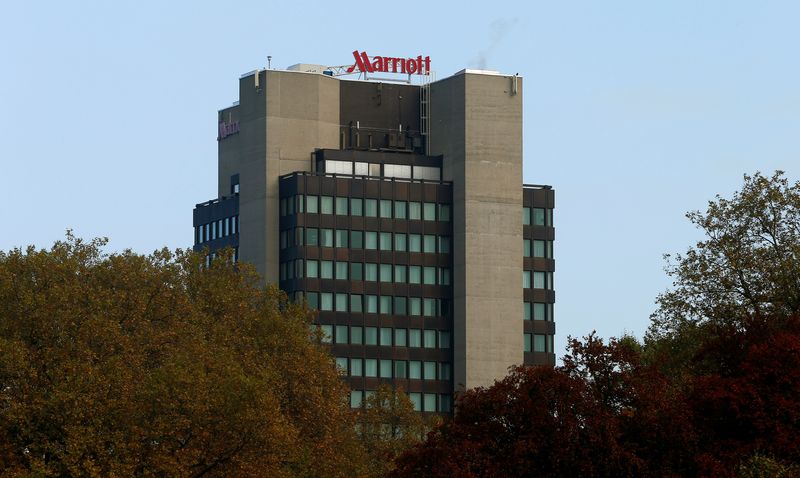
© Reuters. FILE PHOTO: Company’s logo is seen on the Marriot hotel in Zurich, Switzerland October 27, 2016. REUTERS/Arnd Wiegmann
By Priyamvada C
(Reuters) – US hotel operators are expected to post a rise in first-quarter profit even as they pour in money to lure travelers to make bookings directly through their websites, instead of turning to travel agencies.
While bookings have been getting a boost from increased business and leisure travel, the investments in hotels have made to reduce their reliance on online travel agencies (OTAs), which tend to have higher marketing budgets, is eating into the gains.
Last year, US hotels received about $49 billion from online direct bookings and $57 billion from OTA bookings, according to travel market research firm Phocuswright.
“During uncertain economic times, when travelers are looking to stretch their dollars as far as possible, OTAs can help drive demand,” Phocuswright’s senior analyst Madeline List said.
THE CONTEXT
In recent years, hospitality giants like Marriott International (NASDAQ:) Inc and Hilton Worldwide Holdings (NYSE:) Inc. have doubled down on their own loyalty programs as they attempt to spend less on commissions and other costs related to third party businesses.
Through these programs, the hotels promise exclusive perks to customers in the form of redeemable points for stays at specific hotels in their franchise, among other travel benefits.
However, in the face of an uncertain economy, travelers have increasingly relied on OTAs like Booking Holdings (NASDAQ:) Inc, which give them a wider range of choices and prices to book from, alongside incentives like advance cancellation, as opposed to upfront payments .
“When the economy is weak and hotels may not be getting as much business from traditional sources as corporate travel or meetings and conventions, they become that much more reliable on online travel agencies,” Atmosphere Research Group’s travel industry analyst Henry Harteveldt said.
GRAPHIC: Hotel bookings through online intermediaries https://fingfx.thomsonreuters.com/gfx/buzz/akveqxqbwvr/Hotels.png
THE FUNDAMENTALS
* Analysts expect Marriott’s revenue to rise 28.8% to $5.4 billion when it reports results on May 2; earnings per share is estimated to be $1.84
* Analysts expect Hilton’s revenue to rise 28% to $2.2 billion when it reports results on April 26; earnings per share is estimated to be $1.13
* Analysts expect Booking’s revenue to rise 40% to $3.8 billion when it reports results on May 4; earnings per share is estimated to be $10.67
GRAPHIC: US travel operator’s stock performance https://fingfx.thomsonreuters.com/gfx/buzz/zjvqjoewkpx/US%20hotel%20operators%20stocks.png
WALL STREET SENTIMENTS
* For Marriott, six of 23 brokerages rate the stock “buy” or higher, 16 “hold” and one “sell” or lower, as per Refinitiv data
* For Hilton, nine of 22 brokerages rate the stock “buy” or higher and 13 “hold”, as per Refinitiv data
* For Booking, 19 of 33 brokerages rate the stock “buy” or higher, 13 “hold” and one “sell” or lower, as per Refinitiv data