

Training investment leads RANZ’ Budget wish list –
The Restaurant Association of New Zealand has produced its own budget wish list ahead of Thursday’s 2023 financial announcements from the Government.
“While the hospitality industry itself is leading the long-term work that will make our sector more resilient, we also know that ongoing skills shortages, increased costs of doing business and the ever-changing regulatory environment only add to the pressures we have experienced over the past three years.
“Increased investment in training to address the national skills shortage is one of our top priorities, so we would like to see investment in work-based training initiatives, to both fill the immediate skills gaps that we are facing and up the skills of New Zealanders at the same time,” said Marisa Bidois, CEO of the Restaurant Association.
“This means investing in hospitality apprenticeships and other on-the-job training schemes. This would help to alleviate the immediate pressures on our industry, and assist us to prepare for the future.
“Alongside the training we would like to see an increase in investment in supporting hospitality as an industry. The regulatory environment for our industry is constantly changing and with so many small businesses making up our industry, it’s more important than ever that the Government understands the impact of these changes on business owners.
For that reason, as tourist numbers finally start to reach (and even exceed) pre-pandemic levels, our hospitality businesses are being left without the staff numbers to remain open and meet the demands of the influx of holiday-makers.. Ensuring the regulatory environment is conducive to productivity and business growth while still prioritizing the well-being of employees and consumers remains a top priority.
“Promotion of New Zealand to the world as a place to work, as well as study and travel, is something that we are keen to see investment in. As tourist numbers finally start to reach (and even exceed) pre-pandemic levels, our hospitality businesses are being left without the staff numbers to remain open and meet the demands of the influx of holiday-makers.
“We are glad that infrastructure development is a priority for this budget. Ensuring that our businesses and communities are resilient in the face of future natural disasters is of the utmost importance.
“There are other areas that we would like to invest in for example community policing to keep our cities and communities, staff and businesses safe; or lowering GST (and removing it from food items altogether) which will benefit both the food services industry and the public at a time when the cost of living is skyrocketing.
“While we won’t know exactly which initiatives will be funded until the Budget is announced, we remain hopeful that the Government’s investment in skills, science and infrastructure is a good sign for our sector, through the priorities that we’ve identified in our 2023 election manifesto.”
GPO Wellington opens with a nod to Temuka and the Post Office –
InterContinental Wellington has announced the launch of GPO, its new restaurant that pays homage to the iconic General Post Office which once occupied the same site.
The luxury hotel’s latest dining addition tells an exciting, culinary story of travel, discovery and culture. The restaurant is set to open on April 21, with bookings open now.
Under the culinary leadership of acclaimed Executive Chef Carl Maunder, GPO offers a contemporary spin on classic cooking techniques, with a menu highlighting seasonal produce from New Zealand drawing influence from the rich cultures of Southern Europe, the Levant and the Mediterranean, served in a relaxed yet refined environment.
General Manager, Scott Hamilton says: “The new restaurant adds to InterContinental Wellington’s reputation as one of the city’s top destinations for both business and pleasure.
“It is exciting to introduce GPO as a strong culinary concept that will appeal to both locals and visitors, giving guests even more reasons to stay with us. It feels good to welcome this new dining experience to enhance our luxury line-up.”
GPO delivers diners a culinary ‘souvenir’ of intrepid travel, evoking memories of overseas holidays to faraway shores. Expect an array of dishes that explore rich spices, fresh herbs, and seasonal bounties, with smaller plates inspired by the renowned tapas and mezzes of the Mediterranean, as well as larger dishes including hand rolled pastas, pasture raised meats and locally grown organic produce.
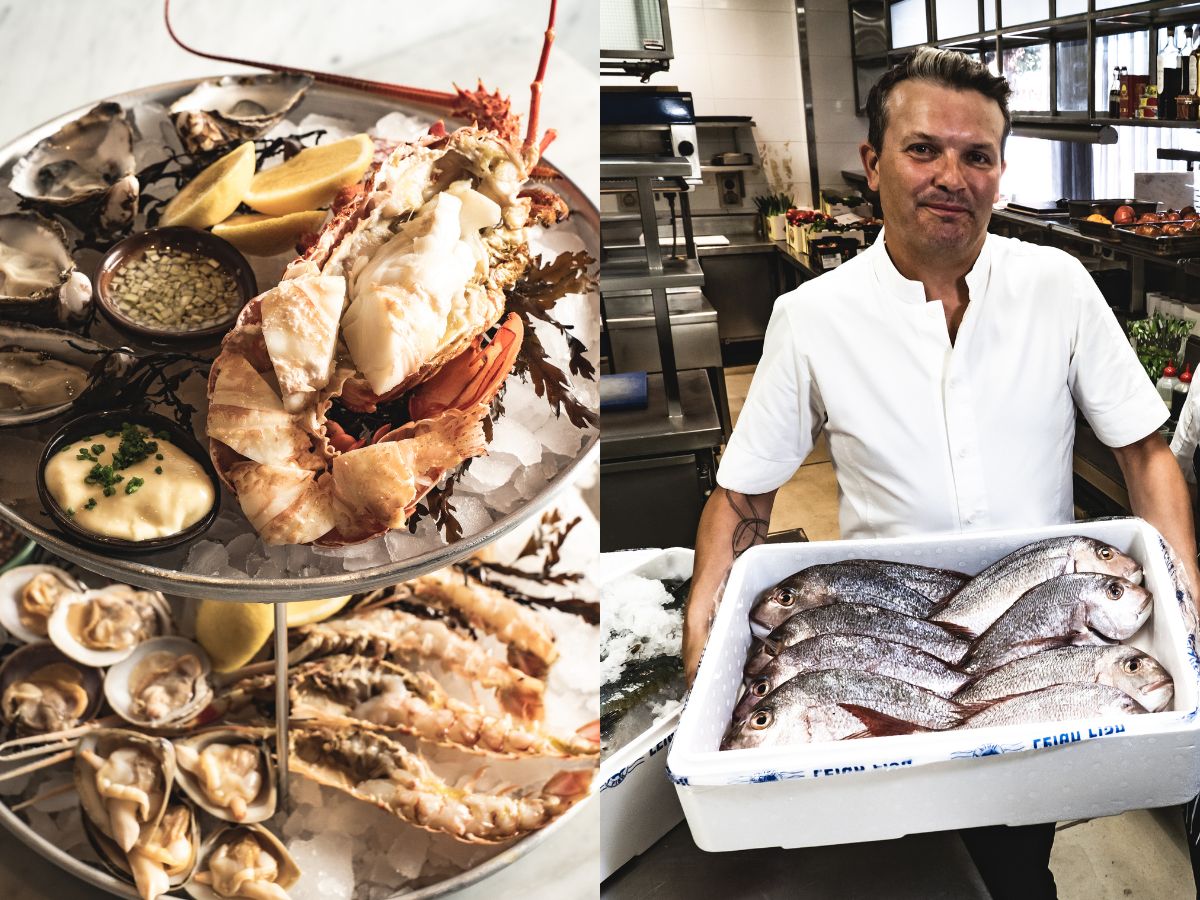
GPO’s menu will highlight the best of seasonal seafood, including a signature ‘fruits of the sea’ platter with market oysters, diamond shell clams, mussels, prawns, and crayfish.
Chef Carl Maunder is passionate about building meaningful relationships with local suppliers. This helps him to showcase and celebrate wonderful produce and seafood, which are connected to the community and their stories.
Diners are in for a treat with daily bread from Shelly Bay Baker, dishes dressed with the finest local olive oil from Olea Estate, sustainable Haku kingfish from Ruakaka, and the much-loved clams from Cloudy Bay.
Adding to the unique dining experience, renowned New Zealand brand, Temuka Pottery has thoughtfully crafted bespoke crockery for the new restaurant.
Elevating GPO’s vibrant cuisine is a hand-picked wine collection curated by in-house sommeliers, showcasing both well-known and some more unfamiliar varieties that express the best in regionality. The collection features wines from the Aegean through to the Riviera, Andalusia and back home to Australasia.
For intimate dinners or lively celebrations, GPO promises an enriching dining experience with a relaxed yet refined atmosphere. From flavourful snacks to decadent platters, every dish showcases the restaurant’s commitment to quality, sustainability and community, making it a must-visit destination for foodies in Wellington and beyond.
GPO opens from Friday April 21, – Tue to Sat, 5pm – late.

8 of the best local dining spots in Waikiki
A trip to Hawaii is surely memorable but not exactly cheap.
A 2023 analysis of a seven-day trip from Los Angeles to Honolulu during shoulder season for a family of four people staying at a three-star hotel can easily cost over $5,700 – including meals, transportation and activities.
Where can you cut costs? Food.
Most visitors who visit Hawaii opt for Honolulu, and chances are, they’re staying in Waikiki – home to over 900 lodging properties.
While many hotels have great dining options, they tend to be expensive, so you probably don’t want to dine there every night. You may also not want to hit up chain restaurants like PF Changs or Cheesecake Factory if you can find them back home. Wouldn’t you rather go to spots offering a more authentic taste of the islands?
If you know where to look, Waikiki has many hidden gems for affordable and delicious dining – many of which are owned and beloved by locals.
Here are some delicious, locally approved cheap eats in Waikiki. Everything on the list costs around $15 or less.
Is it expensive to island hop in Hawaii? Here’s how to save money and fly between islands.
Heading to Hawaii: Hawaiian Airlines added more flights to the islands this summer from Los Angeles, Boston and more
Marugame Udon
If you’re wandering along Kuhio Avenue, you’ll likely spot a long line of hungry people on the sidewalk. They’re waiting for Marugame Udon, a longstanding staple of Waikiki. If you’re eating here, you want cheap and delicious food, not exactly a sit-down dining experience.
The Japanese chain restaurant serves authentic udon noodles in flavorful broths, served up cafeteria-style. Guests order their choice of udon in regular ($6.50) or large ($7.50), then grab whatever sides, like different tempuras, including shrimp, chicken and asparagus, and musubi (usually around $2.50 each).
The restaurant moves quickly: once you get your food, snag an empty table, slurp up the noodles then hustle out for the next set of diners.
Maguro Spot

Maguro Spot is a hole in the wall with a wide selection of poke, which is marinated raw fish over a bed of rice, at reasonable prices – it’s the perfect pre- or post-beach meal.
You can make your own poke bowl or order one of their recommended combinations. Definitely go for the creamy sesame sauce, which isn’t offered at other poke shops around the island.
A medium poke bowl goes for $12 and is enough to fill you up for lunch or dinner.
K Street Food

On Kalakaua Avenue is the recently opened food hall called STIX Asia, where CEO Frank Clark said he wanted to educate guests on different Asian foods at approachable prices.
“Our goal was to have a family of four eat for under $100,” he told USA TODAY.
K Street Food is a casual restaurant serving authentic Korean street food. For something filling but not heavy, the kimbap – Korean sushi made with savory ingredients like spam, fish cake, egg and cucumber – goes for $12.99. If you really want a Korean street food experience, opt for a rice dog ($8.99-10.99, depending on what kind you get), which is a corn dog made with rice flour.
Sustainable Hawaii tourism: What it’s like to stay at Kauai’s first zero-waste hotel
Get off the beaten path: This little-known beach town in Hawaii is the perfect getaway
Baikohken Ramen
Fellow STIX restaurant, Baikohken Ramen, is the sister restaurant to a Hokkaido location that was recognized in the Michelin Guide Hokkaido 2012 and 2017. Its shoyu ramen is filling and has a deep soy sauce flavor ($15.48). The portion is pretty big too, topped with chashu pork that was marinated in soy sauce overnight, and bamboo shoots.
Musubi Cafe Iyasume
If you’re headed to the beach, stop by one of three Waikiki Musubi Cafe Iyasume locations for this beloved musubi shop for a quick, handheld meal.
Onigiri, or musubi, are Japanese rice balls with ingredients like Spam (a Hawaiian favorite), cooked fish, shrimp tempura, egg, fried chicken and more wrapped inside.
Once you enter the small shop, you’ll see rows of countless types of onigiri. Depending on what kind of musubi you get, it can range from $2 to $5. Grab two or three for a beach day, throw them in your bag, and you’re all set.
Topped Waikiki

In 2015, Honolulu chef Justin Sok was serving up bibimbap cups and kalbi short ribs at a food stall at King’s Village farmer’s market in Waikiki before opening up a restaurant in Chinatown in 2017. While that location has closed, you can now find his satisfying Korean. -inspired dishes at Topped Waikiki, many of which are under $15.
The spicy pork mayo bowl with juicy braised pork, a scrambled egg and pickled onions over a bed of white rice is drizzled with teriyaki, Korean chili sauce and mayo ($10.99).
Vegetarians, or those who want something a bit healthier, opt for the tofu bibimbap, which uses tofu instead of meat ($11.99).
Rainbow Drive-In
If you’re willing to go on a longer stroll, head off the main strip of Waikiki to Rainbow Drive-In on Kapahulu Avenue. Since 1961, this eatery has been offering residents and visitors alike a plate lunch fare, a hearty meal consisting of rice, macaroni salad and meat like BBQ pork or fried mahi-mahi fish ($11.75-$13.50).
If you’re really hungry, opt for the loco moco, another local favorite, consisting of rice and a hamburger patty topped with a fried egg and gravy ($11.75). Take some time to digest and snap a picture of the iconic neon sign before heading back to Waikiki.
Kids will love cooling off with a slush float, a Strawberry Icee with a scoop of vanilla ice cream ($4.75 for a small).
Sunrise Shack

If you have a big breakfast, have plans for a nice dinner, or want something lighter but still filling, head over to the Sunrise Shack at the Outrigger Waikiki Beach Resort, located steps off Waikiki Beach since 2018.
Owned by a few North Shore surfers, this shop serves healthy tropical-inspired smoothie bowls and smoothies. The classic acai bowl ($11.95) is a decently sized frozen blend of acai, topped with gluten-free granola, banana, coconut flakes, dragon fruit sauce and honey.
More like this:
Kathleen Wong is a travel reporter for USA TODAY based in Hawaii. You can reach her at [email protected]
This article originally appeared on USA TODAY: Budget travel to Hawaii: 8 best cheap eats in Waikiki under $15
Restaurants ride shotgun & raise $370k for cyclone relief –
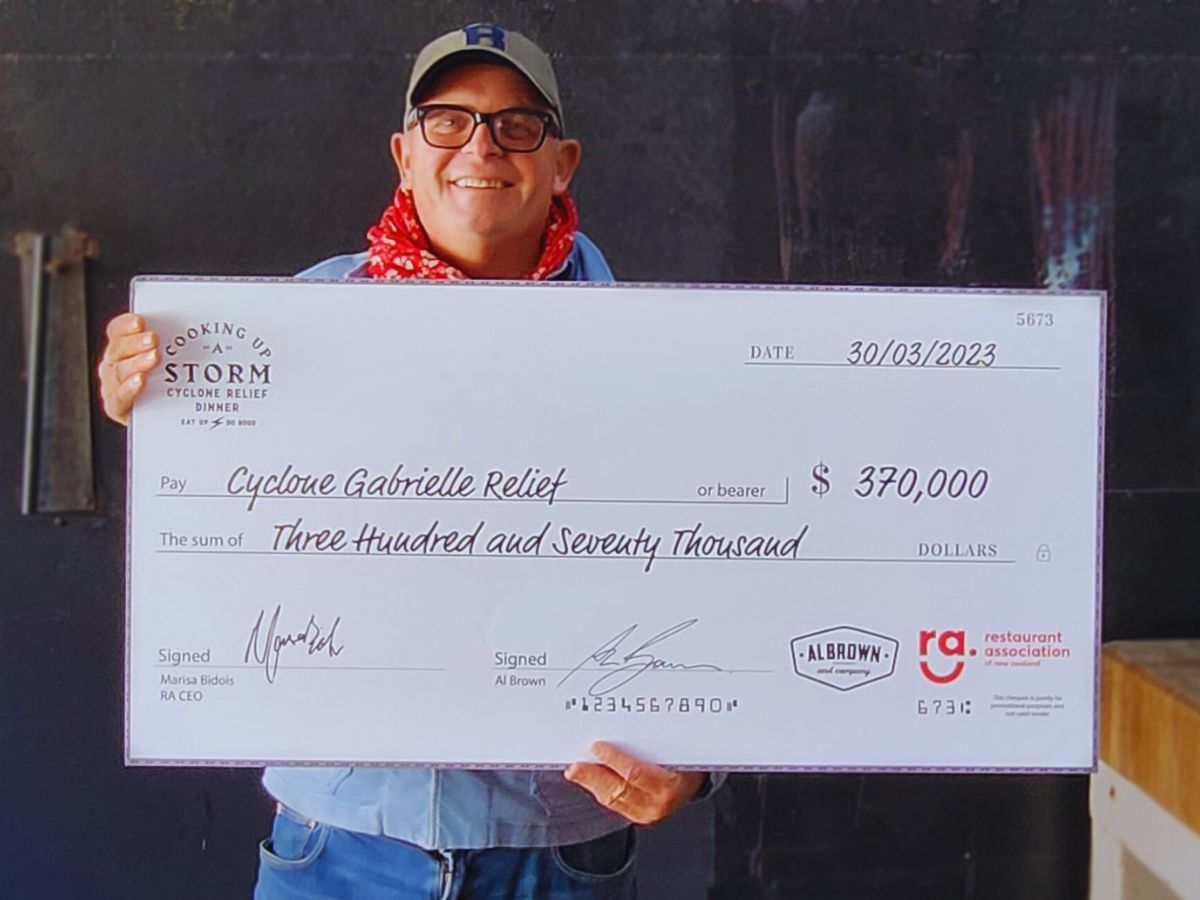
Hospitality businesses across the country hosted the nation’s biggest dinner party on Monday March 20, raising $370k in support of those impacted by Cyclone Gabrielle.
Masterminded by Al Brown and supported by the Restaurant Association, 157 businesses across the country took part, with 6,600 diners purchasing tickets.
Restaurants from Northland to Stewart Island cooked up a two course menu with proceeds going directly to those impacted by the cyclone.
Thirty-five per cent of the proceeds will also go directly to hospitality communities impacted by the recent weather events. The remaining 65 per cent of the funds will be split equally across the 5 X mayoral/relief funds in Gisborne, Hawkes Bay, Coromandel, Auckland and Northland
“I couldn’t be more stoked with how Cooking Up A Storm came together. It just started to snowball, driven solely by goodwill, compassion and charity. It made me realize that when adversity and pain appear out of nowhere, balancing that out and riding a shotgun will always be empathetic and generosity,” said Al Brown.
Restaurant Association CEO Marisa Bidois added “the stories both from our hospitality whanau and people in the affected areas have been devastating. Hospitality is what we do best so being able to support those who have been impacted by hosting people in our venues is the perfect way for us to give back.”
“We’re so proud of the way our communities came together and look forward to handing the funds over to those who desperately need them.”
Hospitality businesses that wish to apply for the fund can do so by completing an online form here https://www.restaurantnz.co.nz/hospitality-cyclone-grants-application/
Chefs to represent NZ –
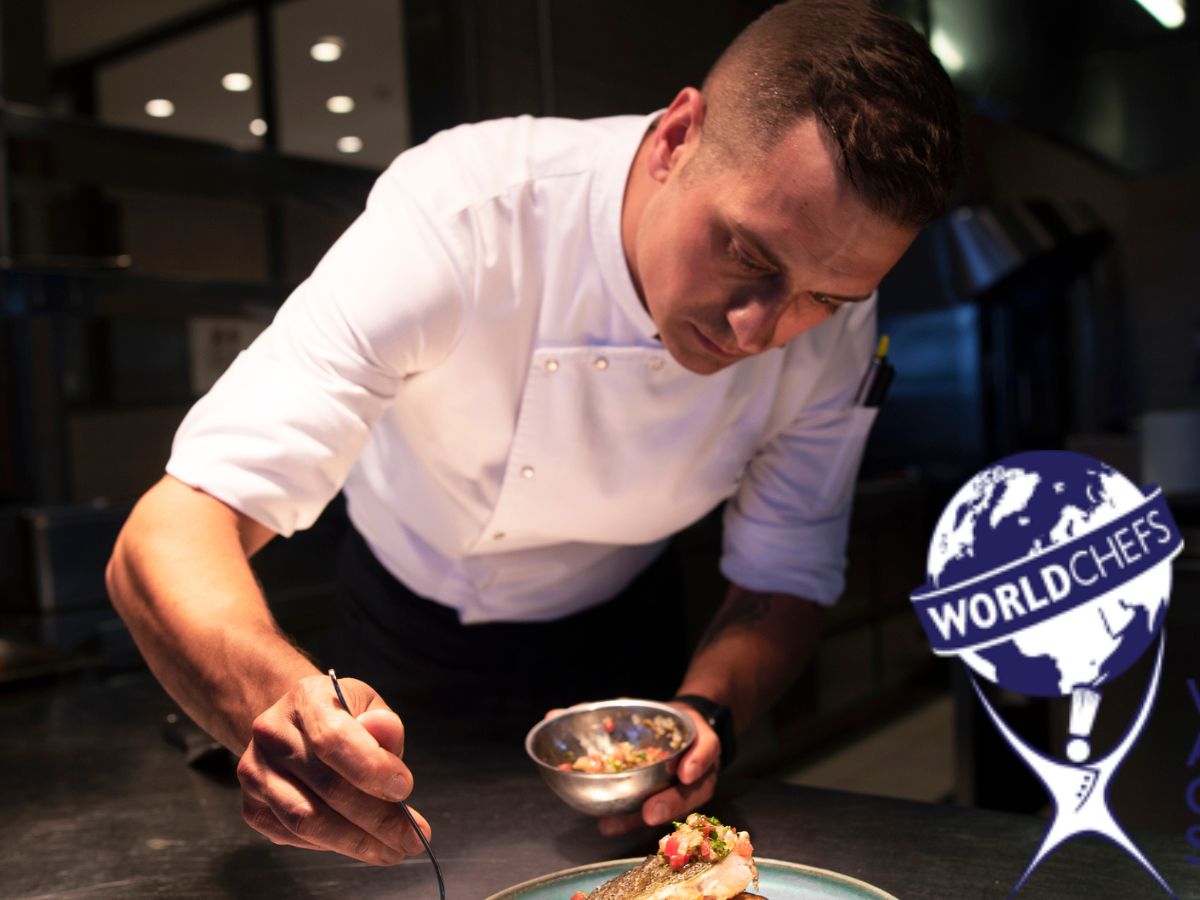
Expressions of Interest are open for chefs keen to represent New Zealand at the Worldchefs Pacific Rim semi-finals in Christchurch from July 4 – 6, 2023.
The Semi-final winners progress to represent the Pacific Rim region at the Worldchefs final to be held in Singapore from October 22 – 25th 2024.
All entrants must be members of NZ Chefs on or before May 30, 2023 and if successful, maintain membership for the duration of the competition programme.
The semi-finals category challenges are:
• Global Chefs
• Young Chef – must be born on or after 1st January 1999
• Pastry Chefs
• Vegan Chefs
Along with the opportunity to represent New Zealand on the international stage, the chosen candidate in each category will also receive the following prize package:
• Mentoring from a former NZ Culinary Team member
• $500 account credit from Bidfood NZ to assist with the cost of ingredients for the practice
• Flights and accommodation to Christchurch for the Pacific Rim semi-finals
• Profile of themselves and place of work in industry publications
To be eligible for selection as the New Zealand candidate entrants must be a full member of NZ Chefs and be a NZ citizen or permanent resident. They must also provide the following:
• Completed application form with two referees and competition history
• Head and shoulders photo in chefs uniform
• Up-to-date professional CV
• A written menu featuring the dishes required for the chosen category, with a description outlining design choices and philosophy (200 words max).
For more information on this event visit https://worldchefs.org/globalchefschallenge/
and
https://worldchefs.hosco.com/en/association/new-zealand

Humble rescued cauli becomes ice cream from HELL –
It’s cauliflower but not as you know it – the humble vegetable is the hero ingredient in HELL’s newest plant-based offering, a unique ice cream made by Kiwi start-up EatKinda.
Launching nationwide across HELL’s 77 stores in Strawberry Swirl and Mint Choc Bikkie flavours, the ice cream is believed to be the world’s first of its kind being made commercially. It includes the use of cauliflower which would otherwise go to waste purely for cosmetic reasons.

EatKinda is the brainchild of Jenni Matheson and Mrinali Kumar. The duo has gone from making ice cream on their kitchen bench to scaling up to commercial production to take their products nationwide with HELL.
A passionate vegan of more than 20 years, Matheson first came up with her cauliflower ice cream recipe while looking to use up vegetables from her garden.
“After initially trying pumpkin and other vegetables I had grown, it quickly became clear that cauliflower was the perfect base. It has a beautiful texture without an overpowering taste, meaning you can create flavors easily,” she says.
Matheson took her recipe for a start-up weekend in Taranaki in 2020, where she met Kumar, who was completing a Bachelor of Food Technology at Massey University. EatKinda was soon born, making a premium ice cream that is creamy, delicious and, most importantly, plant-based.
Kumar says they use “rescued” cauliflower for their ice cream whenever possible, a deliberate decision given a large amount of New Zealand’s crops don’t even make it to the shelves.
“Apart from cosmetic imperfections, such as being the wrong size, an odd color, or not pretty enough for the supermarkets, the cauli we use is completely fine to eat. We source it from suppliers including Perfectly Imperfect, a social enterprise that saves cosmetically imperfect food from rotting in the ground. It’s a win-win for everyone,” she says.
Callum Davies, founder of HELL and equally passionate about plant-based alternatives, says the team was amazed by how delicious the cauliflower ice cream was when they tasted it.
“It sounds like it will be good for you but not tasty – yet we were blown away and knew we had to offer it to our customers. We’re always pushing the envelope in offering plant-based alternatives and think people will be just as in love with it as we are. It’s a pretty sweet aftertaste knowing that it’s dairy-free and uses rescued cauliflower,” he says.
Ben Cumming, CEO of HELL, says sustainability is one of the brand’s core values, which is why it’s important for them to support companies like EatKinda as they tackle issues around climate change and food waste.
“We’ve always been big on plant power – from our Burger Pizza using Impossible Beef to the recent Steak & Cheese Pie Pizza using Fable Steak (a mushroom alternative). For us, it’s about showing amazing plant-based alternatives and showing people that being kinder to the planet doesn’t mean compromising on taste.
“While we have very little food waste in our own HELL kitchens, it is a significant issue for the wider food industry, so we are thrilled to support EatKinda’s work in addressing that by adding their ice cream to our menu,” he says.
EatKinda wants to revolutionize the ice cream industry – changing how science and technology are used in the primary sector to create sustainable and animal-free sweet treats. Davies says HELL has been working closely with Matheson and Kumar to ready them for nationwide expansion, something he is familiar with after opening the first HELL store in Kelburn 27 years ago.
“It’s really hard building a business and a brand from nothing, so we are stoked we can share our knowledge and experience with other generations of Kiwi businesses. After hearing EatKinda’s story and tasting the ice cream, it was an easy decision for us to work with them to launch through our network and help take their business to the next stage,” he said.

A spoonful of olive oil in your coffee? –
Starbucks has launched an ‘innovative’ range of coffee beverages infused with extra virgin olive oil across its Italian stores.
Interim CEO Howard Schultz said the Oleato – meaning ‘with oil’ – range of beverages represents the ‘next revolution in coffee’ that brings together an ‘alchemy of nature’s finest ingredients’.
Starbucks cited an Italian family tradition of consuming a spoonful of extra virgin olive oil each day as an uplifting ritual as the inspiration for the concept and has partnered with premium Sicily-based olive oil brand Partanna for the product launch.
Three products — Oleato Caffè Latte, Oleato Iced Shaken Espresso and Oleato Golden Foam Cold Brew — have launched across Starbucks’ 22 stores in Italy, while two additional beverages — an Oleato Iced Cortado and Oleato Deconstructed — have debuted at the Starbucks Reserve Roastery in Milan .
The Seattle-based coffee chain will then introduce the beverage in select markets globally, starting with Southern California in the US this spring before expanding to Japan, the Middle East and the UK before the end of the year.
Customers will also be able to request a press – the equivalent to a spoonful – of Partanna extra virgin olive oil as a customization to select beverages, such as espresso beverages and tea lattes.
“Oleato represents the next revolution in coffee that brings together an alchemy of nature’s finest ingredients – Starbucks arabica coffee beans and Partanna cold pressed extra virgin olive oil. Today I feel just as inspired as I did 40 years ago, Oleato has opened our eyes to fresh new possibilities and a transformational way to enjoy our daily coffee,” said Schultz.
Starbucks entered the Italian market in 2018 with a Starbucks Reserve Roastery in Milan. In September 2021, the coffee chain announced it would reach 37 stores by the end of 2023, including 12 new outlets this year.
In September 2022 Starbucks opened its first store in Verona, the city which inspired the Starbucks concept in 1983, in partnership with its Italian licensee Percassi.

Cordis Auckland joins EarthCheck Master class –
The saying ‘many hands make light work’ couldn’t be more relevant for Cordis Auckland on its sustainability journey, as they recently received EarthCheck Master status, one of just 15 hotels globally to do so.
The Managing Director of Cordis Auckland, Franz Mascarenhas said the hotel has been on a continuous journey to become more sustainable. It’s all about consistency and the small actions from the team in the hotel daily, from recycling to effective waste management to water usage.
“Fifteen years ago we made a commitment to be a sustainable business and we have been working in incremental steps to achieve this. This accolade is a testament to that, showing that small, consistent steps can make the biggest changes in the long term.
“This is the way forward for business, and we want to lead the way in the hospitality industry. Change however cannot be done in isolation, it’s a global effort to ensure the world we live in is sustainable for future generations.”
Since 1987, EarthCheck has been a world leading scientific benchmarking, certification and advisory group for travel and tourism. The world is scrutinizing with increasing urgency the way in which the hospitality industry monitors and reports on its sustainability performance, and credible measurement and reporting are essential in order to be accountable and demonstrate year-on-year improvement.
Using a science based approach, EarthCheck helps travel and tourism organizations to increase efficiencies, maximize guest experience and minimize their environmental footprint.
Most recently, Cordis Auckland launched its new Pinnacle Tower, bringing an extra 244 rooms to the hotel. With this comes increased resources, so the hotel wanted to ensure sustainability was front of mind in the planning phases.
A number of initiatives have been implemented, including high performance glazing, energy efficient LED lighting and controls, water metering, thermally environmentally efficient façade glazing, biking facilities, e-charging stations for electric vehicles, easy access to public transport and much more.
EarthCheck CEO and founder, Stewart Moore, congratulated the Cordis Auckland team on their long-term sustainability commitment over the past 15 years at an event held at the hotel on Thursday 16 February.
“Achieving EarthCheck Master Certification is not an easy task and it takes the commitment of the whole team to deliver improved operational results across the business. There are no shortcuts and there needs to be an ongoing commitment to both measurement and improved performance,” Mr Moore said.
“Cordis Auckland has persistently worked towards optimizing its energy performance, improving water usage, integrating responsible waste management systems and reducing its carbon footprint with science-based targets.”
Notable key achievements at Cordis Auckland include;
Cordis Auckland Beehive
Cordis Auckland has a beehive on level 7 of the hotel, to assist with pollination and support the rehabilitation of bees in urban areas. Auckland is an ideal environment for bees due to the climate, the number of parks close to the city and the number of bees in the city are starting to outnumber those in the rural areas of New Zealand.
The hive can produce 45kgs of honey, which is harvested once per year and the honey they produce is known as Pohutukawa Honey, which has a delicate flavor with a slightly salty tang and creamy texture. The harvested honey is used in the hotels food and beverage outlets.
One bee colony can pollinate 300 million flowers per day and if bees cease to exist, we would not be able to consume the foods we eat such as broccoli, asparagus, cucumber, watermelon, almonds and apples.
Soap Recycling
Cordis Auckland works with Beyond Skin Deep to recycle their hotel soaps in the rooms, as an estimated five million bars of unused soap in hotels is thrown away every day. Redistributing these soap bars to the community helps to promote hygiene and reduce the spread of disease, and all this soap collected is donated to the Rapid Relief Team for distribution around NZ and across the globe.
Cordis Auckland was the first hotel in New Zealand to partner with Beyond Skin Deep, and in 2018 and 2019 they collected 597.1kgs of used soap from the hotel’s guest rooms and suites, to be recycled. There was a pause on this initiative with Covid, however it is now being picked up in the second half of 2023.
With the launch of the new Pinnacle Tower, Cordis Auckland also removed single-use amenities where possible, including their toiletries, and swapped liquid re-usable pumps, reducing the plastic waste.
Sustainable Seafood
Cordis Auckland buys seafood that is caught sustainably from reputable companies, with approximately 80% of their seafood completely sustainable. The seafood they source and use in their food and beverage outlets is all managed under the Quota Management system by the Ministry of Primary Industries.
The Quota Management System was introduced in 1986, to conserve NZ major fishery stocks and to improve the economic efficiency of the seafood industry. In future the hotel has targets to make all their seafood only sustainable and fresh and have no endangered species on their menu, including tuna which is not currently available in the hotel.
Green Meetings by Cordis
Cordis Auckland’s new ‘Green Meetings by Cordis’ program offers sustainable meeting solutions to assist organizers in integrating environmental considerations and promoting positive social impact.
The new event considerations include green and environmentally friendly resources, including LED walls, electronic signage, compostable drinking straws, and healthy and delicious food and drink options prepared with fresh, locally sourced, seasonal and sustainable ingredients. There’s also the option for carbon neutral meetings, in collaboration with the South Pole. The carbon footprint of the event will be calculated and offset via a selected green project and organizers will be awarded a carbon-neutral certificate.
What’s next?
The hotel is looking at a water bottling machine on site as an alternative to plastic water bottles, in an effort to phase out single use plastics. Water bottling machines will sanitize the glass bottles, fill and seal them.
Cordis Auckland has also used ORCA in the past and are re-introducing this post-Covid. ORCA is an innovative food waste solution that mimics a natural digestion process. It uses mostly water, along with water and microbiology to turn your food waste into an environmentally safe liquid that goes down the drain. Once at the waste water treatment plant, the liquid can then be used to create renewable, sustainable energy.