

Meghan Markle, Prince Harry Called ‘Cheap’ For Skipping Hotel After Carlyle Allegedly Refused Discount

KEY POINTS
- Prince Harry and Meghan Markle allegedly stayed at a friend’s home while in New York City
- A law enforcement source claimed the Sussexes asked the Carlyle hotel for a discount but got rejected
- A security expert said the couple would have benefited from staying at a hotel instead of a private residence
Meghan Markle and Prince Harry were involved in a car chase with paparazzi because they didn’t stay at a hotel during their recent trip to New York City, reports have claimed.
Unnamed law enforcement sources told the New York Post’s Page Six that the Duke and Duchess of Sussex stayed at a friend’s house on the Upper East Side during their visit to New York City this week after they were roughly refused a discounted room at a hotel. International Business Times could not independently verify this information.
Ahead of their trip, Markle and Prince Harry allegedly asked the Carlyle, his mother Princess Diana’s favorite hotel, to give them a room at a discounted price, but the hotel’s bosses allegedly refused, the law enforcement sources claimed.
As they were staying at a private residence, the sources claimed Prince Harry and Markle didn’t want to lead photographers to their friend’s home when they were pursued by numerous paparazzi after leaving Manhattan’s Ziegfeld Theater Tuesday night.
Due to this, the duke and duchess were involved in what their spokesperson described as a “near-catastrophic car chase” with “highly aggressive” paparazzi that lasted “over two hours.”
“They should have just gotten a hotel for the safety of everyone. Instead, they were cheap and wanted a free place to stay,” one New York City law enforcement source told the outlet. “Harry and Meghan’s people called the Carlyle ahead of the trip and asked for a discounted room, and the hotel said no.”
“If they had just paid up and got a hotel in the first place, this supposedly ‘dangerous’ paparazzi chase around town would never have happened. They would have been driven back to the Carlyle, been photographed going inside and that would have been the end of it,” the source confessed.
The duke and duchess have stayed at the Carlyle, where room prices range from $1,240 to $6,000 a night, in the past. They previously checked into the hotel during a trip to New York City in 2021.
Security expert Mark Selden also suggested that Prince Harry and Markle could have avoided security troubles had they stayed at a nearby hotel instead of a private residence.
“There is security, doormen, porters and staff,” the AllStar Security president told Fox News Digital of why the couple would have benefited from spending the night at a hotel. “You have built-in safety. If anyone breaks in, you have your own security based on your own floor, standing outside your door or situated in the rooms next door to you or across the hall. You are essentially in a fortress.”
Selden, who has spent 20 years providing professional security to wealthy clients in Manhattan, added, “You cannot have the same security staying in a residential townhouse.”
Markle and Prince Harry claimed they were chased by photographers in a “relentless” pursuit after leaving the 2023 Women of Vision Awards, where the former “Suits” star was honored for her advocacy work Tuesday night.
However, some have expressed doubt over their claims of being involved in a car chase in New York City, including netizens and celebrities such as Whoopi Goldberg.
“Prince Harry and Meghan Markle were followed by paparazzi while leaving the Ziegfeld Theatre. Their spokesperson called it a ‘near-catastrophic car chase,'” Goldberg said on Thursday’s “The View.” “Others said it wasn’t bad, but I think people in New York know if it was possible to have car chases in New York, we’d all make it to the theater on time.”
She added, “We’re dealing with aggressive paparazzi. It just doesn’t work in New York.”
Her co-host Sunny Hostin, however, defended the Sussexes, noting that the couple never claimed it was a “high-speed” car chase. “If they feel scared, I will grant them that,” she added.

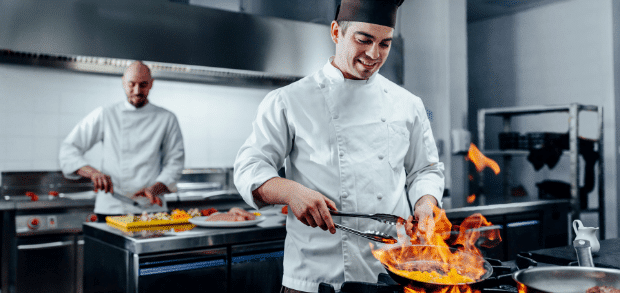
Ghost Kitchens Vs. Virtual Restaurants
Scroll through any major food delivery app and you’re likely to come across restaurants that seem to only exist online. Chances are, they’re ghost kitchens — virtual brands that use delivery platforms like Grubhub to reach hungry diners. Flexible and cost-effective, this business model is an ever-growing trend in the restaurant industry.
Developing a virtual brand is a great way to capture the growing delivery industry. Restaurateurs, chefs, and entrepreneurs will typically launch their virtual brands either through a ghost kitchen or as a virtual restaurant that operates in tandem with their brick-and-mortar concept.
How we talk about virtual brands and delivery-only restaurant concepts can be a bit confusing. The restaurant industry uses terms like ghost kitchen, cloud kitchen, dark kitchen and virtual restaurants when talking about delivery-only restaurant concepts, and all these different terms can make it difficult to understand which model is best for launching your virtual brand.
In this article, you’ll learn the differences between ghost kitchens and virtual restaurants so that you can decide which model will work best for launching your virtual brand.
What’s a ghost kitchen?
A ghost kitchen is a commercial kitchen that makes meals for delivery only. These operations don’t have visible physical presences. Instead, they operate in the digital space. You’ll find their “ghost menus” — menus that are only available for delivery — on food delivery apps. Some even have full-fledged online ordering websites to bring in more business.
Ghost kitchens can operate out of any commercial kitchen. Some use the kitchens in existing restaurants. Others pay for time in standalone commercial kitchens, often sharing the space with caterers and virtual restaurants.
As food delivery has become more popular, so have ghost kitchens. The delivery market in the United States doubled during the pandemic, and it continues to grow even as the restaurant industry returns to normal. Customers have embraced the convenience of apps like Grubhub, creating the perfect environment for virtual restaurants to thrive.
Ghost restaurants vs. traditional establishments
Ghost kitchens and traditional restaurants both create menus and prepare food for individual customers. However, a ghost kitchen lacks the familiar trappings of a typical brick-and-mortar restaurant brand. It doesn’t have a storefront, signs or dining area; there are no front-of-house staff members, and customers can’t stop by to pick up takeout.
If you already operate a restaurant or you’ve always wanted to start one, the ghost kitchen concept is worth considering. The barriers to entry are lower, which means you can get up and running in less time. In fact, many traditional restaurants run ghost kitchens as a way to reach new audiences, try out new dishes or test new dishes.
Before you open a ghost kitchen or add a virtual brand to your restaurant, it’s important to understand what’s involved. You’ll still need to secure funding, find suppliers and obtain permits and licenses. This process might be faster if you already own a restaurant, but it still takes time. Your local health department and business development office can help you understand the rules.
Because ghost kitchen brands don’t have the advantage of a storefront to build awareness, marketing is critical. You can take advantage of your delivery partner’s promotions and loyalty tools to reach new audiences and gain customer reviews. Check out our guide on how to make your virtual restaurant brand irresistible.
Pros and cons of operating a ghost kitchen
Given the costs and risks associated with opening a traditional restaurant, many entrepreneurs consider alternatives such as ghost kitchens and food trucks. As you consider whether a virtual food-service business is right for you, it’s important to take an honest look at the pros and cons.
Pros of operating a ghost kitchen
Some of the reasons people choose to start ghost kitchens rather than physical restaurants include:
- Lower startup costs. With a ghost kitchen, you don’t need to buy property and equipment. Instead, you can lease the space and equipment in an existing licensed commercial kitchen.
- Low operating costs. A ghost kitchen doesn’t require servers, bussers, hosts or bartenders, so you can dramatically reduce labor, hiring, and training costs. Plus, you don’t need to worry about washing customer dishes, maintaining furniture, paying decorators and cleaning a dining area.
- Lower risk. Lower startup costs also mean less risk; if the ghost kitchen doesn’t work out as expected, you’re less invested.
- Maximizes resources. For existing restaurants, a virtual restaurant is a way to get more value from staff and equipment. It helps you increase revenue without investing in additional space.
- Easy experimentation. A ghost kitchen removes the limitations of your current restaurant brand. It’s a safe space to experiment with new food items and cuisines to see what customers respond to. Because the entire operation is digital, you can change up your offerings without reprinting menus.
- Convenient delivery. Food delivery apps are optimized for ghost kitchens, so you can get your food to customers without hiring or managing delivery drivers.
- Low-contact meals. Since the COVID-19 pandemic, diners have been increasingly interested in low-contact food operations. It’s one of the reasons ghost kitchens are so popular — fewer people come into contact with the food.
Cons of operating a ghost kitchen
No business model is perfect, and ghost kitchens also have some drawbacks:
- Limited plating creativity. Because you’re packaging food for delivery, there are several ways to present it beautifully. Instead, you must focus on packaging that keeps the food in good condition while in transit.
- environmental impacts. While ghost kitchens use less energy and materials, they use a higher volume of packaging. If you want to control your environmental impact, you’ll need to find sustainable packaging options.
- tight margins. Restaurants almost always have tight profit margins. With ghost kitchens, you must factor in additional costs for packaging and food delivery fees.
- Challenging brand building. Building brand awareness for a virtual restaurant is often more difficult than it is for traditional restaurants. Because you don’t have a storefront or sign, you have to work harder to reach customers.
If the benefits of ghost kitchens outweigh the cons for your operation, it’s an option worth pursuing. The Grubhub virtual restaurant checklist can help you get started.
Are ghost kitchens the future of the restaurant industry?
Ghost kitchens are likely to be an important part of the restaurant industry in the coming years. While these virtual operations are unlikely to overtake brick-and-mortar restaurants — customers still enjoy the community and connection of in-person dining — they’re gaining a bigger market share.
It’s easy to see why: Virtual restaurants speak directly to the needs and preferences of modern consumers. They’re inherently convenient, allowing diners to use tech trends such as contactless payments, third-party food delivery apps and digital loyalty programs. With the right infrastructure, ghost kitchens can develop sustainable operations that satisfy customers’ desire for eco-friendly dining solutions. Ghost kitchens are here to stay, and if you’re interested in joining the virtual charge it can help to have a partner like Grubhub by your side. Listing your virtual restaurant on Grubhub Marketplace can give your brand instant exposure. As you consider how to expand your existing restaurant or start a new ghost kitchen, explore the ways Grubhub can help you get started.

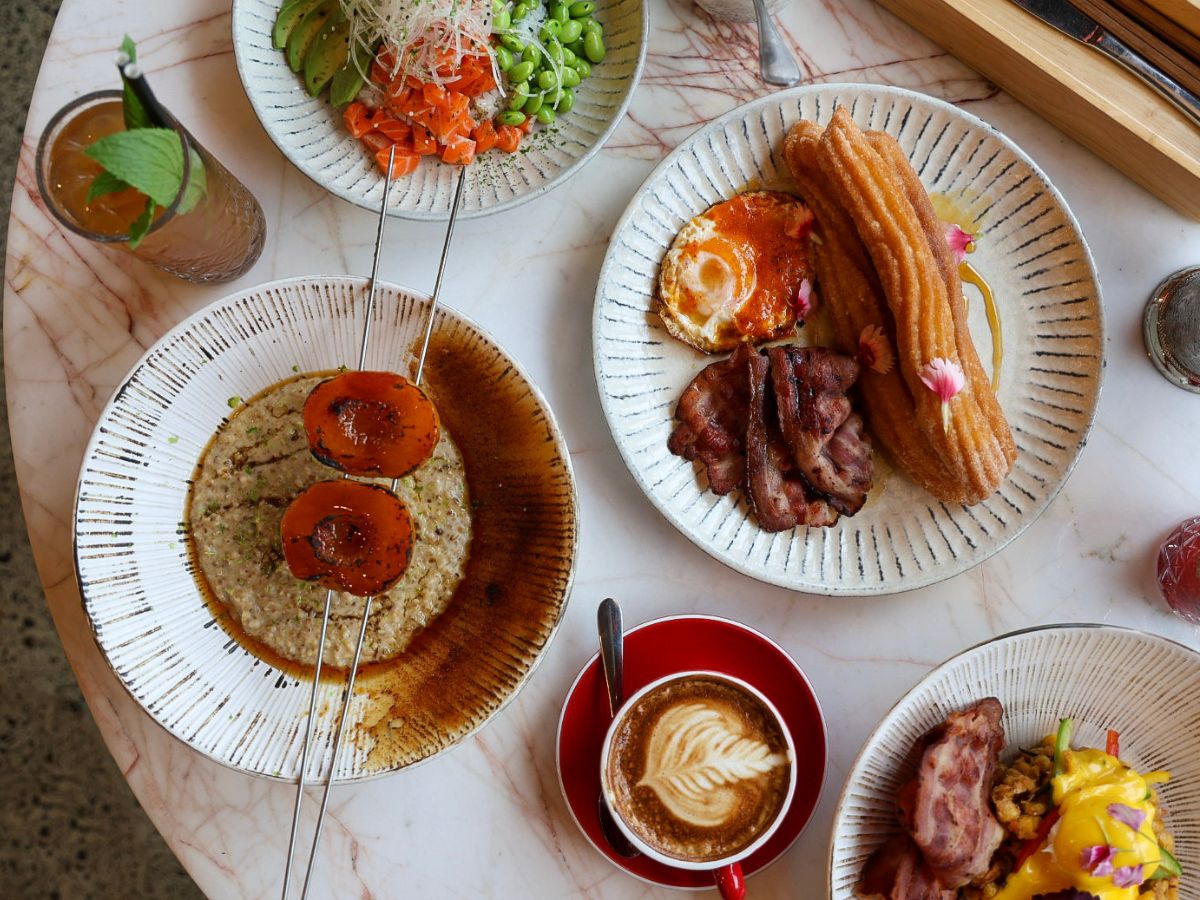
Sixty hospitality venues join Ponsonby festival month –
Ponsonby’s month long restaurant festival, Eat, Drink, Love Ponsonby, is back for another year and is bursting with the flavors of a culinary melting pot of cuisines, from Bangkok to Bali, Mexico to Malaysia, India to Italy–and beyond.
Taking place from 4-28 May along the length of Ponsonby Road, the popular festival is in its fourth year and is once again highlighting specific food and beverage offers for every appetite and budget.

A record 60 establishments are taking part this year, including bars, cocktail bars, casual restaurants, food court eateries, cafes, gourmet burger bars, hole in the wall snack spots, pizzerias, newcomers to the strip, Ponsonby Road stalwarts and a fine dining establishment–all showing the best of what the popular urban village has to offer.
With offers that fall within three fixed price ranges, $30 & Under, $30 to $50, and $50 & Over, below is a snapshot of what’s on offer in Ponson by this May.
the $30 and Under category features cocktails, gourmet burgers and sandwiches, bento boxes, baos, crêpes, ice creams, kebabs, laksas, bread rolls, pizza, platters, tacos, and more.
The two remaining categories – $30 to 50 and $50 and Over – offer a range of lunch and dinner menus for groups of all sizes. The fixed price ranges help take the guess work out of enjoying lunch or dinner, with hero or signature dishes included in the offer.

A snapshot of some of the participating bars and eateries include Azabu, Bali Nights, Bedford Soda & Liquor, Better Burger, Bird On A Wire, Boy & Bird, Burger Burger, Clipper Bar, Chop Chop Noodle House, Daphne’s Taverna, Dante’s Pizzeria, Dedwood Deli, Dida’s Wine Lounge, El Sizzling Chorizo, Elmo’s, Farina, Fitzroy Lounge Bar, Gaja. Gusto Italiano, Hoppers Garden Bar, INCA Ponsonby, Khu Khu, KOL, Longroom, Mekong Baby, Mexico, Mumbaiwala, Okumnandi, Ponsonby Friends, Ponsonby International Food Court, Ponsonby Road Bistro, Revelry, Sidart, Tokyo Club, The Blue Breeze Inn, The Broken Lantern, The Gyoza Bar, The Hidden Village, Win Win Bar.
Ponsonby Business Association General Manager Viv Rosenberg says she is delighted with the number of participating eaters for the 2023 festival.
“While there are 60 special offers this year, Eat Drink Love Ponsonby is about supporting all the area’s bars and eateries and encouraging people to revisit their old favourites and to check out something new.

“Ponsonby just does it better,” she says. “Whether it’s for a quick café pick-me-up or fine dining cuisine at one of our award-winning restaurants, Eat Drink Love Ponsonby will help people find their next foodie obsession thanks to an entire street’s worth of mouth-watering adventures. The fixed-price menus in the three price categories keep everything simple – and delicious. So, are you ready to Eat Our Street?”
With 60 venues and offers coming to the party for this year’s festival, Eat Drink Love Ponsonby 2023 and their offers can be found at eatdrinkloveponsonby.co.nz. For giveaways and more information follow Instagram @iloveponsonby. All offers are available from 4-28 May and can be booked directly with the restaurants and bars.


Social Media Holidays Your Restaurant Marketing Can’t Miss
There are thousands of restaurants in the United States serving up dishes from juicy hamburgers to steamy ramen and everything in between. Depending on the specific area, consumers may have dozens or even hundreds of restaurants to choose from. So how are diners deciding where they’ll ultimately eat?
It turns out there are lots of reasons consumers might choose a particular restaurant. About one-third of people consider guest reviews, and some 90% check out restaurants online before dining there. It’s hard to pinpoint what exactly each potential guest is looking for, but it’s likely a combination of these factors:
- Does the food seem appealing?
- Do the menus, ingredients, and overall aesthetics reflect seasonality?
- What promotions are in place that make the restaurant seem especially enticing?
When all three of those factors are in play, you hopefully have an important aspect to convey to consumers: excitement. Luckily, incorporating social media holidays into your marketing strategy helps you do just that.
Creative marketing promotions are one of the keys to attracting guests to your restaurant. This same inspiration can be used to fuel seasonal menus, the look and feel of your restaurant’s social media presence, and so much more.
Here’s a look at social media holidays that you can use to get diners hyped up enough to either make a reservation or order delivery all summer long.
Why are social media calendars important?
As a restaurant owner, you have a lot on your plate. With plenty going on, you shouldn’t be spending hours every day trying to figure out what kind of post should go on your social media and how promotions can shape your menu. This is why having a marketing calendar is so important.
Having a social media calendar to follow, similar to our 2023 National Food Holiday calendar, gives you a road map. By using a calendar, you’ll have all your promotions laid out so you can batch content (AKA, create a bunch of collateral at one time so you can schedule posts in advance).
This way, you’ll streamline your marketing operations and free up both time and money so you’re not rushing around figuring out what to promote next and how you should do it.
Use these affordable marketing tools to help with everything from content creation to email marketing to commission-free online ordering.
“Micro holidays” Random and weird days worth celebrating
Micro holidays are those not-quite-real holidays like World Emoji Day (July 17) and National Pizza Party Day (May 19) that may not get you a day off school, but are still fun to observe.
Many people call these micro holidays “social media holidays” because they’re so popular on platforms like Facebook, Instagram, TikTok and Twitter. Companies use micro holidays in their marketing campaigns as a way to connect with consumers and encourage engagement.
Restaurants can do the exact same thing. By harnessing the power of social media holidays and national food holidays, restaurants can drum up positive interest and engagement.
How to incorporate 2023 social media holidays in your restaurant promotions
While many social media holidays involve non-food people, places or things — Talk Like a Pirate Day, anyone? — there are also a ton of National Food Holidays that are tailor-made for restaurants.
Download our Guide to National Food Holidays to learn how to level up your promotional marketing as well as to spruce up your social media food grams. Don’t miss out on holidays that give your customers an excuse to celebrate food and gift themselves or a loved one with some delicious restaurant delivery.
Take National Ice Cream Day, for example. Bloomberg research shows that 391,000 posts were made with the hashtag #NationalIceCreamDay in 2022, and there were more than 6.6 million YouTube videos made on the same topic. Major traction. And that translates into sales too, with ice cream sellers seeing a sales spice of 15-20% on average.
Pick a holiday that resonates with your restaurant or one you think will resonate with guests. Then create fun graphics to promote the holiday itself, with additional content ready to highlight any deals you’re running, such as a special menu item or a limited-time discount.
When you sign up for Direct, you also get access to customer data you can use to spread the word, including powering your own branded email campaigns. With your own free ordering website and zero marketing fees, your restaurant can invest in the promotions your diners deserve.
Visit our blog post for even more ideas on how to use the top National Food Holidays of 2022 for your restaurant marketing strategy.
What 2023 social media holidays are coming up next?
Once you’ve downloaded the National Food Holiday calendar, be sure to check out and incorporate a few non-food related social media holidays, too. These holidays may not be solely food-focused, but that doesn’t mean you can’t incorporate ingredients, dishes, and drinks that are on theme.
Think of each holiday as an opportunity. You’ll want to grab some with both hands, peppering your social media with hilarious memes giving a nod to National Selfie Day, while piggybacking on popular associated hashtags to help consumers discover your restaurant.
You can also celebrate holidays that align with your restaurant’s values, like posting a screenshot of a donation your restaurant made in honor of #EndangeredSpeciesDay (May 19).
Or, kick off a cross-promotional campaign to deal with other restaurants by sharing a picture of your staff eating a neighboring eatery’s signature donuts for #NationalDonutDay (June 2).
A few quick tips:
- Use hashtags to take advantage of algorithms and become more discoverable for consumers interested in that particular social media holiday
- Avoid going overboard — pick a few holidays to concentrate on rather than posting about every single one of them
- Always aim for authenticity. Go all out for the holidays that make the most sense for your restaurant and underlying mission, then add just a few extra fun ones to keep up with the trends
Luckily, we’ve done the work for you and gathered all the major summer social media holidays. Add these opportunities to your social media calendar and get to work on some fun promotional posts!
May 2023 Social Media Holidays
May is a major month for food holidays, including celebrations like Cinco de Mayo that aren’t necessarily about food but certainly contain a lot of it. This is also a big month for alcohol delivery. Be sure to read up on alcohol to-go trends of 2023 to make sure you have the right systems in place to succeed.
May is also Asian Heritage Month, Skin Cancer Awareness Month and Mental Health Awareness Month.
- May 1: International Workers Day #IntWorkersDay
- May 3: National Teacher Appreciation Day #ThankATeacher
- May 4: Star Wars Day #StarWarsDay and #Maythe4thBeWithYou
- May 5: Cinco de Mayo #CincoDeMayo
- May 6: National Nurses Day #NursesDay
- May 9: Europe Day #EuropeDay
- May 10: National Receptionist Day #NationalReceptionistDay
- May 14: Mother’s Day #MothersDay
- May 15: International Day of Families #FamilyDay
- May 16: Love a Tree Day #LoveATreeDay
- May 17: International Day Against Homophobia and Transphobia #IDAHOT2023 and World Baking Day #MakingDay
- May 18: Global Accessibility Awareness Day #GAAD
- May 19: National Bike to Work Day #BTWD
- May 21: World Meditation Day #WorldMeditationDay
- May 29: Memorial Day #MemorialDay
June 2023 Social Media Holidays
June brings us food holiday winners like National Rotisserie Chicken Day, National Cheese Day and National Smoothie Day. You’ve also got Father’s Day on the way – perhaps a great day to advertise picnic baskets or BBQ? June is also Pride Month, Great Outdoors Month and National Adopt a Cat Month.
- June 1: Global Day of Parents #GlobalDayOfParents
- June 4: National Donut Day #NationalDonutDay
- June 5: World Environment Day #EnvironmentDay
- June 6: National Higher Education Day #HigherEducationDay
- June 7: Global Running Day #GlobalRunningDay
- June 8: National Best Friends Day #BestFriendsDay and World Oceans Day #WorldOceansDay
- June 11: International Children’s Day #ChildrensDay
- June 12: Superman Day #SupermanDay
- June 14: World Blood Donor Day #GiveBlood and Flag Day #FlagDay
- June 18: International Picnic Day #Picnic Day, Autistic Pride Day #AutisticPride and Father’s Day #HappyFathersDay
- June 19: Juneteenth (Freedom Day) #Juneteenth
- June 20: World Refugee Day #WithRefugees
- June 21: National Selfie Day #NationalSelfieDay and World Music Day #WorldMusicDay
- June 23: Take Your to Work Day #TakeYourDogToWorkDay
- June 30: Social Media Day #SMDay #SocialMediaDay
July 2023 Social Media Holidays
Bring on the ballpark snacks and summer treats! July is a foodie’s dream, with National Food Holidays like Blueberry Muffin Day, National Drive-Thru Day and National Hot Fudge Sundae Day all on the calendar.
The month offers lots of opportunities for creativity, as July is National Disability Pride Month, National Ice Cream Month and National Make a Difference to Children Month, too.
- July 1: National Postal Worker Day #NationalPostalWorkerDay
- July 3: International Plastic Bag Free Day #PlasticBagFree
- July 4: Independence Day #Happy4th #JulyFourth
- July 7: World Chocolate Day #WorldChocolateDay
- July 11: Cheer Up the Lonely Day #CheerUpTheLonelyDay
- July 12: Simplicity Day #SimplicityDay
- July 16: National Ice Cream Day #IceCreamDay
- July 17: World Emoji Day #WorldEmojiDay
- July 20: Get to Know Your Customers Day #GetToKnowYourCustomersDay
- July 21: Junk Food Day #JunkFoodDay
- July 23: Parents’ Day #ParentsDay
- July 24: International Self-Care Day #SelfCareDay
- July 30: International Day of Friendship #DayOfFriendship
- July 31: National Avocado Day #NationalAvocadoDay #AvocadoDay
August 2023 Social Media Holidays
Wind up your summer social media holiday calendar with August’s slate of yummy days, including National Ice Cream Sandwich Day, National Fajita Day and National Chop Suey Day. Yum!
August is also Black Business Month, Back to School Month and National Sandwich Month.
- August 1: National Girlfriends Day #GirlfriendsDay
- August 2: National Coloring Book Day #NationalColoringBookDay
- August 3: National Watermelon Day #NationalWatermelonDay
- August 4: International Beer Day #InternationalBeerDay
- August 8: Happiness Happens Day #HappinessHappensDay and International Cat Day #CatDay
- August 10: National Lazy Day #LazyDay
- August 11: National Son and Daughter Day #SonsAndDaughtersDay
- August 12: International Youth Day #YouthDay
- August 13: Left-Handers Day #LeftHandersDay
- August 15: Relaxation Day #RelaxationDay
- August 16: National Tell a Joke Day #NationalTellAJokeDay
- August 17: National Nonprofit Day #NationalNonprofitDay
- August 19: World Photography Day #WorldPhotographyDay and World Humanitarian Day #WorldHumanitarianDay
- August 21: Senior Citizens Day #SeniorCitizensDay
- August 26: Dog Appreciation Day #DogAppreciationDay #NationalDogDay and National Women’s Equality Day #Women’sEqualityDay
Market your restaurant with Grubhub
It’s crucial that restaurants find ways to reach diners year-round. One of the easiest ways to do this is to leverage holidays — both the official ones and the social media holidays designed with fun and creativity in mind.
Make life easier by creating a strategic marketing plan ahead of time, and use the list above along with our National Food Holidays guide to shape your calendar and choose points of focus. For even more help, make sure you’re a part of the best and fastest-growing third-party delivery app to ensure your promotions and delicious menus are being seen by diners in your area.
Sign up for Grubhub Marketplace today to see how you can build a competitive marketing and promotional strategy using our expertise and tools.
Jock Zonfrillo: 1976 – 2023 –
Love them or loathe them reality television programs and their social media lives have become part of this generation’s culinary experiences. Whether you believe they belittle or encourage the art of great cuisine, it is very hard to underestimate the impact of reality shows such as MasterChef, My Kitchen Rules and the plethora of other food related programs currently available to view.
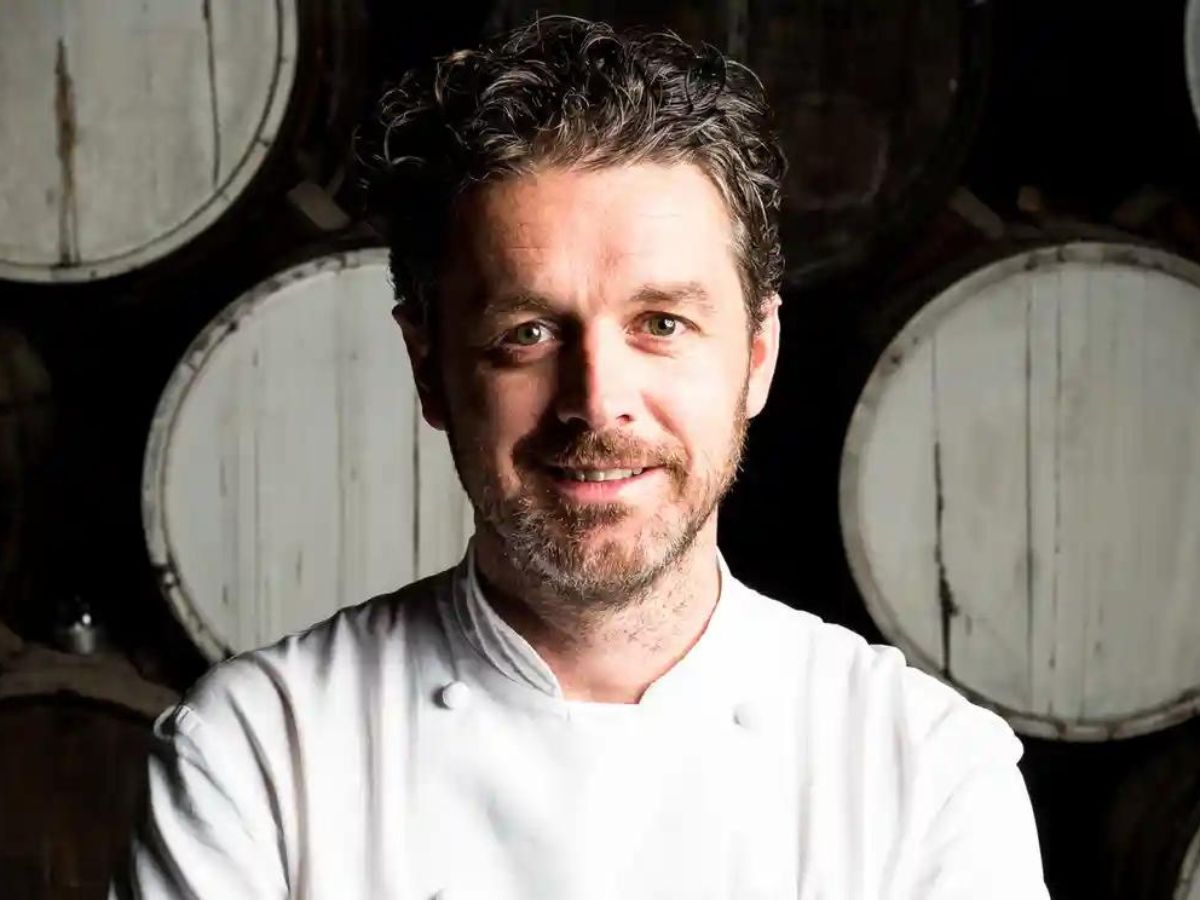
The sudden loss therefore of the brilliant Chef Jock Zonfrillo at just 46, to the world and the MasterChef Australia international community, brought a whole new meaning to the word reality.
Reality means losing a talented individual whose culinary skills inspired thousands of creative cooks to follow their passionate desires to excel in the kitchen and bring their language of love to our living rooms.
Zonfrillo was born in Scotland and raised by his Italian father and Scottish mother, with a strong mix-culture ethos fueling his obsession with food.
He was in the food industry from the young age of 12 before eventually working with the famous chef Marco Pierre White at the famous chef’s restaurant.
After moving to Australia, he opened Bistro Blackwood and Restaurant Orana, with Orana being consistently awarded one of the world’s best culinary establishments.
Zonfrillo was hired in late 2019 as one of three new hosts for MasterChef Australia.
Zonfrillo died in Melbourne on April 30 and is survived by his wife Lauren and four children, and while decisions are being made as to the future screening of the current MasterChef Australia series in which he features, our hearts remain broken for a talent taken too soon .
RIP Jock Zonfrillo 1976-2023.

Staacy Waaka backs Beef & Lamb –
Beef + Lamb New Zealand is teaming up with rugby world champion Stacey Waaka to encourage Kiwi teenage girls and women to eat beef and lamb more frequently to help prevent health concerns.
It is the first campaign in five years for Beef + Lamb New Zealand and addresses statistics from the last National Nutrition Survey that shows over a third of teenage girls don’t achieve their daily iron requirements and one in 14 women are low in iron.
Waaka says nutrition is incredibly important to her and a big part of her success and what she is about. Therefore, she wants to do what she can to make sure others are doing all they can.
“Our young teen girls and whāhine especially have greater iron requirements than most and being low in iron can really impact their well-being, productivity and energy levels.
“Like me, they’ll get so much more out of life with their iron tanks full!” says Waaka.
The easily absorbed iron in New Zealand beef and lamb can certainly help Kiwis out with that says Beef + Lamb CEO, Kit Arkwright.
“Manatū Hauora (Ministry of Health) stats (from October 2022) show women eat less servings of red meat than men on a weekly basis, so we knew we needed to reach that audience with our messaging.
“Who better than a wonderful whāhine toa like Stacey to help us do that,” says Arkwright.
“Plus, if you think Stacey’s a force on the rugby field, you should see her with a pair of BBQ tongs in her hands!”
Beef and lamb are a natural source of protein, iron, vitamin B12 and zinc. These nutrients are essential for growth, development, and general well-being.
Waaka says beef and lamb can be part of a well-balanced diet and can help increase your iron intake.
“I’ve learned that one of the best ways to top up my body’s iron stores is through including iron-rich foods, like beef and lamb, in my diet. If you’re like me and love eating red meat you can enjoy it up to three times a week.
“A nutritious balanced diet is personal to me and a super important part of what fuels me as a professional athlete.
“It tastes pretty damn good too!” says Waaka smiling.
Your Guide to Restaurant Credit Card Processing
Credit card processing is one of the most significant developments to hit the restaurant industry in recent memory. This convenient technology lets business owners accept payments remotely, without the need for cash or checks. It makes buying and selling easier for merchants and customers alike, promoting smoother business processes.
Although most companies have managed credit card transactions the same way for years, new restaurant technology trends are revolutionizing the process. If your restaurant accepts cards as payment, it’s helpful to understand the underlying systems that make both the new and old methods possible.
Let’s dig in.
What is credit card processing?
Credit card processing is the method businesses use to accept payments by card. It includes a complex sequence of actions that are initiated when a customer swipes, taps or dips their card at your POS terminal. When the process is complete, the payment appears in your bank account.
For decades, customers paid for food by offering cash or writing a check. That all changed in 1950 when the first true credit card — the Diners Club card — allowed customers to charge their meals at a select number of restaurants in New York. Recognizing the benefits of this handy payment processing method, more businesses got on board. The idea spread to other cities, and within a few years, numerous banks began to offer credit cards.
Today, restaurants use this technology to provide a faster and more convenient checkout process. Unlike other payment methods, which require you to accept cash or checks and manually deposit them into your bank account, credit card processing allows you to transfer money remotely from a customer’s bank to yours.
The ins and outs of credit card processing
Restaurant credit card processing seems simple on the surface — a customer hands you a card, and the terminal either accepts or denies the payment. Behind the scenes, it’s considerably more complicated.
When the customer inserts their card, the card reader sends an authorization request to the device’s payment processor. The processor then relays the request to the network for the appropriate card association; Visa or MasterCard are two common national processing options. Using this network, your bank checks to make sure the customer’s account has enough money to cover the bill. The system returns a code that tells your POS to approve or deny the transaction.
These initial steps of credit card processing happen in seconds. However, when a transaction is approved, it can take a few days for the customer’s bank to send the funds to your bank.
Credit card technology is evolving, and your restaurant may have one of a few primary processing types. The oldest is the magnetic stripe, which stores customer information and transmits it to your POS via swipe. Most banks, however, have now adopted cards that are embedded with a tiny chip. They generate a different code for every purchase, creating an extra layer of security and making it harder to steal account information.
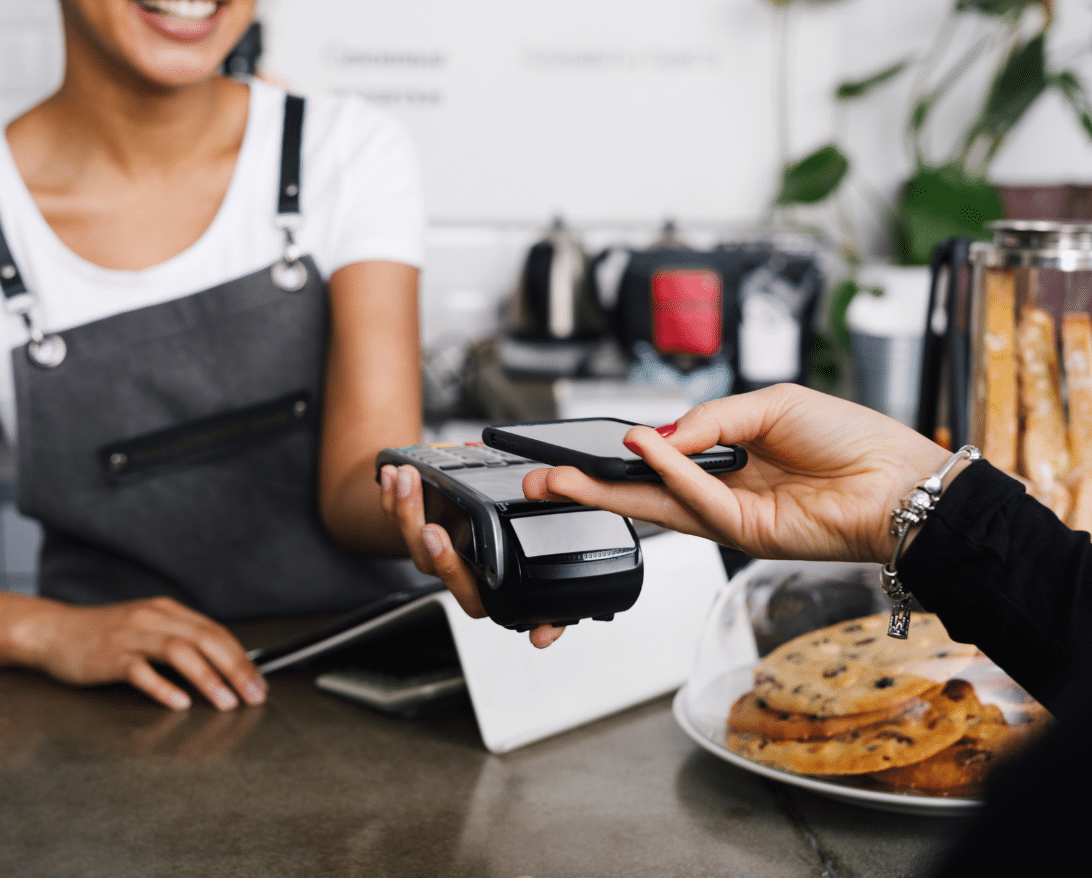
Today, many customers prefer a third option: contactless cards. These cards have chips that are equipped with tiny radio antennas. To transmit their account information, the customer taps the card on the reader — it sends the information over radio waves using radio frequency identification (RFID). Systems like Apple Pay use similar near-field communication (NFC) technology, enabling customers to pay with cards stored on their smartphones.
Keeping up with these latest trends in restaurant technology can help make your menu more accessible to customers. In fact, 80% of consumers have used contactless payments. If you fall into the 67% of US retailers who don’t offer this payment method, you could be missing out.
What to look for in a credit card processor
A high-performing credit card processor enables you to complete transactions quickly and create a better customer experience. When you’re choosing a credit card processor, consider these factors:
- Payment processing types. Select a processor that accepts a wide variety of in-person and online transactions. At a minimum, this includes swipe, chip, and contactless cards. RFID or NFC payments are particularly important; more than 50% of Americans use contactless payments. Most models also enable you to manually type in the customer’s credit card number for phone transactions or as a backup if other methods fail. If your restaurant participates in off-site events, look for a processor that allows mobile payment processing.
- Fees. Credit card processors charge a variety of fees for their services. Verify the percentages and calculate how they’ll affect your profit margins.
- Customer service options. Make sure an agent is available around the clock to help you if a problem arises. Read customer reviews; if you see a pattern of complaints about service, proceed with extreme caution. Regular outages or payment problems can damage customer relationships.
- Physical hardware. Investigate the type of hardware the processor offers and make sure it’s appropriate for your restaurant. It’s also a good idea to check whether the card reader is separate or built into a proprietary POS.
- compatibility. Verify that the system is compatible with your existing POS, CRM, and bookkeeping software.
- Terms. Check the terms of the agreement to find out how long it takes before funds are deposited into your account, verify the length of the contract, and learn about the fees for early termination.
Common credit card processing fees to be aware of
Accepting credit card payments involves multiple parties; each one typically charges a small processing fee for every transaction you make. They usually include:
- Merchant service fees. This is what your payment processor charges for its processing services.
- Interchange fees. This payment goes to the customer’s credit card issuer.
- assessment fee. This fee is charged every month as a percentage of your total sales. It goes to the credit card associations for the different types of cards you accept.
Actual fee amounts can vary considerably but usually range between 1.5% and 3.5% of each transaction. Each payment processor has its own pricing structure, so it’s important to compare quotes. The most expensive options tend to be those that charge a percentage of the sale plus an additional fee. Even though the flat fee is usually small, it can add up significantly over time. You can avoid high fees by choosing a provider that eliminates charges for renting equipment and sending statements.
Keep in mind that fees can vary between transaction types. To find the best deal, compare your sales data to the processor’s costs for in-person transactions, online sales, contactless app payments, and non-preferred cards.
Benefits of using credit card processing at your restaurant
Despite credit card processing fees, it’s almost always beneficial for your business to accept debit cards and credit card payments. Doing so helps you deliver a more convenient experience — customers can enjoy your food without a trip to the ATM. And because they don’t have to worry about having enough cash on hand, diners are free to spend more.
Modern consumers are accustomed to paying by card; in 2022, 41% of Americans made all their regular purchases without cash. Accepting cards lets you bring in more revenue from these cash-free customers.
Credit card processing also benefits your employees. The digital system reduces the risk of human error, making it easier to balance the till. Because customers don’t have to wait for change, transactions move more efficiently.
While credit cards have both benefits and drawbacks, you can minimize risk with these best practices:
- Ask for customer IDs.
- Use the chip instead of the magnetic stripe whenever possible.
- Offer contactless payments.
- Give a receipt for every transaction.
- Partner with a secure, reputable processor.
For most restaurants, the benefits of credit card processing far outweigh the fees. By choosing a payment processor carefully, you can minimize costs and deliver a fast, seamless checkout experience. Looking for more ways to integrate technology into your restaurant? Partner with Grubhub today to explore POS integrations, online ordering and delivery.

SME concerns grow as risk of recession continues –
A nationwide survey of 1,000+ SME owners, directors and managers from across New Zealand by MYOB has highlighted the ongoing impact of inflation and the Reserve Bank’s efforts to control it are taking its toll on local businesses.
Based on recent inflation increases, more than a third (38%) of local SME leaders could only sustain their business for up to six months before they would need to dip into their personal finances or seek additional finance, according to new data from the 2023 MYOB Business Monitor.
A third (33%) of local SME decision-makers who respondents to the survey are ‘quite’ or ‘very’ concerned about the impact increasing interest rates will have on their business’ finances, and just over a fifth (21%) say their current cashflow levels are poor or very poor, while 44% say they are satisfactory and 35% say their cashflow levels are good.
On average, SMEs estimate their business overheads, such as rent and electricity, have increased by over $1500 per month in the last year, with just 13% of SMEs saying they haven’t seen their costs increase in the past 12 months.
MYOB spokesperson, Jo Tozer, explains that inflationary pressures continue to dampen SME confidence, which has remained stubbornly low over the past year.
“Across the country, SME leaders have pointed to rising inflation and the high cost of living generating the most pressure, with three quarters saying it was having the biggest impact on their level of confidence,” said Jo. “Likewise, the other major influences on SME confidence are also inflation-related, including the cost of fuel (64%) and rising interest rates (61%).”
“As a result, confidence levels among SMEs have remained largely unmoved since our last Business Monitor in March 2022, but these are worryingly close to the historic lows we saw immediately after the outbreak of the COVID-19 pandemic,” Jo adds.
More than two-thirds (69%) of local SMEs believe the New Zealand economy will decline in the next 12 months, one percentage point more than the same time last year (2022: 68%), with 30% believing that decline in economic activity will be significant. Just 16% of SME decision-makers expect the economy to improve – the same proportion as seen in the 2022 Business Monitor, and 13% believe it will remain the same.
Low growth and constrained profitability
“Tough trading conditions and falling consumer confidence have also seen local SMEs struggle to achieve revenue growth over the last year, and profitability in the last quarter has become particularly constrained,” said Jo.
Just over one-in-five (22%) local SMEs saw their revenue improve over the 12 months to March 2023, while more than a third (34%) saw revenue decline. The majority – 43% – say their year-on-year revenue has remained static.
The past quarter has also seen profitability restricted. Forty-five percent of SMEs report that their business has become less profitable over the last three months, while 41% say it has stayed the same. In contrast, only 13% of SMEs say their business has become more profitable over this time.
“In this sort of low growth environment, where businesses are dealing with increasing cost pressures, SMEs are finding themselves with dwindling cash reserves, and becoming more vulnerable to a growing number of external shocks – from natural disasters to a downturn in the economy,” Jo explains.
“With these risks and pressures in mind, heading into the new financial year is a good opportunity for SMEs to review their fundamentals – cashflow, debt levels and the stock they are carrying – and use this as a time to reset their business for a tighter market . Working with their accountant, bookkeeper or financial advisor now to start putting in place strategies could prove vital to their survival if there was further downturn in the economy.”
Risk of recession growing
On top of the most recent StatsNZ GDP data showing the economy shrank by 0.6% in the final quarter of 2022, the falling profitability and revenue amongst SMEs could also point to a possible contraction in activity for the first quarter of 2023.
According to MYOB’s Business Monitor, recession warnings are flashing red for the SME community, with 80% polled saying they are concerned about the risk of the New Zealand economy entering a recession in 2023. If this occurs, the survey insights show it could generate a wave of cost-cutting among SMEs, which will further limit local growth.
When asked what changes they would make to their business plans or operations if New Zealand was to enter a recession, the Business Monitor insights revealed:
- 38% would implement strict cost controls across the business
- 29% would dip into personal savings to keep trading
- 18% would reduce marketing spend to save money
- 14% would freeze wages/salaries
- 14% would need to increase the time they take to pay bills and suppliers
- 11% would close the business altogether
“This is a critical moment for many local SMEs, as they face the risk of recession with very little in the way of resources to give them a buffer against a major downturn in trade. Rampant inflation, a significantly disrupted supply chain and recent extreme weather events have all taken their toll on SME reserves – particularly in sectors like agriculture, hospitality and retail,” says MYOB’s Jo Tozer.
“SMEs give a lot to our local communities and they are going to need a great deal of support this year, so we’d encourage policy makers to give this careful consideration before implementing any changes which could add to the already growing range of costs to SMEs. For the rest of us Kiwis, if it is within your means, please continue to buy local to support our diverse and valuable network of small and medium businesses.”