

$5m Govt flood support package announced –
The Government is providing a $5 million package of emergency support to help businesses significantly affected by the recent flooding in Auckland.
This includes:
- $3 million for flood recovery payments to help significantly affected businesses
- $1 million for mental wellbeing support through a boost to the First Steps programme
- $1 million for small business advice focused on business continuity and resilience
- Inland Revenue will also waive penalties for late payments for Auckland, Northland, the Bay of Plenty, Thames/Coromandel and Waikato.
“The floods were devastating for many businesses in the Auckland region. It was sudden and could not be reasonably prepared for so it is expected that it will take a long time for many businesses to recover and start operating again,” Grant Robertson said.
“We developed this package of support through discussions with Auckland business leaders so it reflects the needs they identify.
“The money will be delivered through the Auckland Business Chamber, the Employers and Manufacturers Association, Whāriki (Auckland’s Māori Business Network) and the Pacific Business Trust.
“We will consider further support if required,” Grant Robertson said.
Inland Revenue will also provide support for affected businesses.
“If taxpayers are affected by the flooding and other weather-related damage contact IRD, it can waive penalties for late payments or late filing of returns,” David Parker said.
“It can waive interest on late payments by taxpayers in Auckland, Northland, the Bay of Plenty, Thames/Coromandel and Waikato.”
“On Tuesday I met with some of our small businesses who were hit hard by the Auckland floods. What they told me is that using existing business networks on the ground in Auckland is the most efficient and effective way to deliver this help, and that is what we are doing,” said Ginny Andersen.
“We know that for Auckland businesses who are still dealing with the impact of COVID, the floods have been another blow.
“This is a tough time, and in order to provide further support we are boosting funding for the business led First Step program which provides targeted mental health support to small business owners,” Ginny Andersen said.
The Government’s $5 million support package for Auckland businesses hit by the recent flooding is a welcome start that followed strong advocacy, says Hospitality New Zealand.
“No one has any idea what the true and final cost to the business of this event will be, but this package is a good start to getting businesses across Auckland, Northland, Bay of Plenty, Thames/Coromandel and Waikato back on their feet,” says Chief Executive Julie White.
“Hospitality NZ, as the voice for hospitality and accommodation has been working with the Government and advocating for targeted support for those businesses impacted by the weather events and flooding.
“Details on how businesses can apply for funds will be made available soon, and we will be strongly advocating to quickly get the money out the door to those who need it.
“We also welcome Inland Revenue’s decision to waive penalties for late payments or late filings of returns for businesses.
“This event has hit many businesses at a time they were still recovering from the shocks of recent years, so they need all the help they can get as quickly as we can get it to them.”

Contingency planning essential says NZ Events Association –
The New Zealand Events Association (NZEA) says the cancellation of multiple events at short notice is heartbreaking for organizers and concertgoers alike, but says it is a timely reminder of the necessity for emergency contingency plans.
“Just when things seemed to be getting back to normal for the events industry, it started raining and hasn’t stopped,” says Elaine Linnell, General Manager, NZEA.
“It’s devastating for all our members as the cancellation of major events has a knock-on effect which is hitting hard. It also demonstrates the necessity for emergency plans – after all, this is New Zealand and the unexpected can occur at any time thanks to Mother Nature.”

“Deciding on a cancellation is always difficult and takes into account multiple considerations including loss of revenue, disruption to travel plans and other arrangements for ticket holders, difficulty in communicating clearly with all stakeholders, including suppliers, and potential reputational damage (which can result if the event goes ahead in bad weather or is canceled, and the weather reflects).”
But the one overriding concern is the safety of everyone concerned. “Cancellations are always a minefield and it’s upsetting for everyone,” Linnell says. “That’s why having a plan is essential, whether you’re organizing Elton John, or running the local Jazz in the Park.”
The NZEA’s top tips include:
1. have a plan
Always plan for the possibility of cancellation or postponement. If the weather changes, you’ll be ready to communicate effectively with vendors, suppliers, ticket holders and even transport providers. Health and safety is paramount, and communicating plans early helps everyone understand what needs to happen. Working together is key; arrange an alternate date ahead of the planned fixture if possible, and include venues, talent, and suppliers in the planning for the second calendar entry.
2. Get insured
Loss of profits is among the biggest concerns with event cancellations or postponements. A lot of work goes into every event, and delaying or stopping the show is a huge waste of effort. An insurance policy provides some peace of mind, with several companies available to cover your event. Organize well in advance of your fixture.
3. Communication is key (from start, to finish, with everyone)
Well ahead of your event, be sure to include cancellation clauses in all vendor/supplier/talent contracts so everyone knows what to expect. If a cancellation is necessary, prompt and efficient communication across your supply chains is just as important as fast and efficient communication with your ticket holders.
Update your website and social media platforms, send emails and/or text messages, and send push notifications on the event app (if applicable). Get everyone on board with a consistent message: your talent, suppliers and vendors will get the word out. Answer their questions and be specific. People want reasons for cancellation or postponement, they want to know about refunds, and they want information about new dates, times and venues.
4. Provide clear reasons for cancellation or postponement
Before sending any messages, clarify why the event isn’t going ahead. Severe weather is a safety hazard; wind and flooding can compromise the venue, interrupt transport, and crowd control can become difficult or impossible. Explain ‘why’ concisely so everyone understands the necessity for action with safety as the top priority.
5. Reflect and assess
Regardless of whether the cancellation or postponement went well or not, take the opportunity to evaluate your response. Determine what went right and why with the same vigour as assessing what went wrong. Use it as a learning experience; we can’t prevent natural disasters or significant weather events, but we can change how we respond to them. Include suppliers and vendors in your assessment, and even consider reaching out to ticketholders with a follow-up survey. Your customers have views and expectations, understanding them is important to help create a better customer experience, even if the weather has ruined the fun.
“Planning ahead is the name of the game,” says Linnell. “Nobody wants to see an event canceled, but we all want to get home safely and we all have to accept that we live in an unpredictable world. Bad things do happen, but that’s how we deal with them that determines our success.”

Hospitality Business Leader’s Forum 2023:
Bring back hospitality
By Mayor of Auckland, Wayne Brown
Thank you for inviting me to contribute to the Hospitality Business magazine Leader’s Forum. Hospitality is my third biggest spend, after taxes and rates, and I have invested in this industry, so I’m probably a good person to listen to.
Studies have shown that 68% of all lost business results from the indifferent, uncaring attitudes of employees towards customers.
I cannot tell you the number of times I’ve entered a restaurant and stood there, being ignored by staff who don’t appear to be busy or told that a half-empty dining room is fully booked. It’s almost a weekly occurrence.
We need to put the hospitality back in this industry.
Every customer who comes through the door is an opportunity for repeat business – they’re going to spend more, more often, and promote your business to others. Where’s the friendly, generous reception for your customers, and your staff?
Staffing is a real problem, but the industry’s skills gap – compounded by COVID-19, closed international borders, and fewer graduates from hospitality and tourism schools – can’t be solved through immigration alone.
My view is, if you want something done properly, you might have to do it yourself.
In a survey of 396 hospitality workers, Voices from the Front Line, 81% stated they received no training in their jobs. If you want to keep people, you have to train them and pay them. If you pay the least, you’re going to lose people to your competitors eventually.
It’s important to understand the industry you’re in, and your business has to be competitive. Know your customers and your competitors, and offer superior quality, superior value, or something different – and don’t stand still.
Plenty of people changed their business model or product offering during COVID-19 and continued to trade well. It’s pretty simple, but it’s never easy, and I applaud those of you whose businesses have emerged stronger and competitive. There is something to be learned here.
If we look at Auckland’s inner-city, a recent resident’ survey shows the main reason people like living in the city center is access to shops and restaurants (63%), and the main reason to dislike living in the city center is that people do not feel safe (45%).
Safety issues, anti-social behavior, violence, and crime had a real impact on retail and hospitality post-COVID, and all agencies must work together effectively with businesses to address these problems.
As an interim solution, I want to see more police on the streets, and I urge business associations like the Heart of the City to spend any excess funds on regular security patrols. It’s free to become a member of your local business association because they’re funded by a targeted rate on local business rate payers, so make sure you join.
Spending money on security is a better bet than spending money on events to attract customers in the current environment, because they won’t stick around or come back if they don’t feel safe.
We also need to think about long-term practical measures to bring people back to inner-city Auckland, such as making it easier to convert empty office spaces into much-needed residential housing.
More people mean busier, safer streets, and thriving businesses.
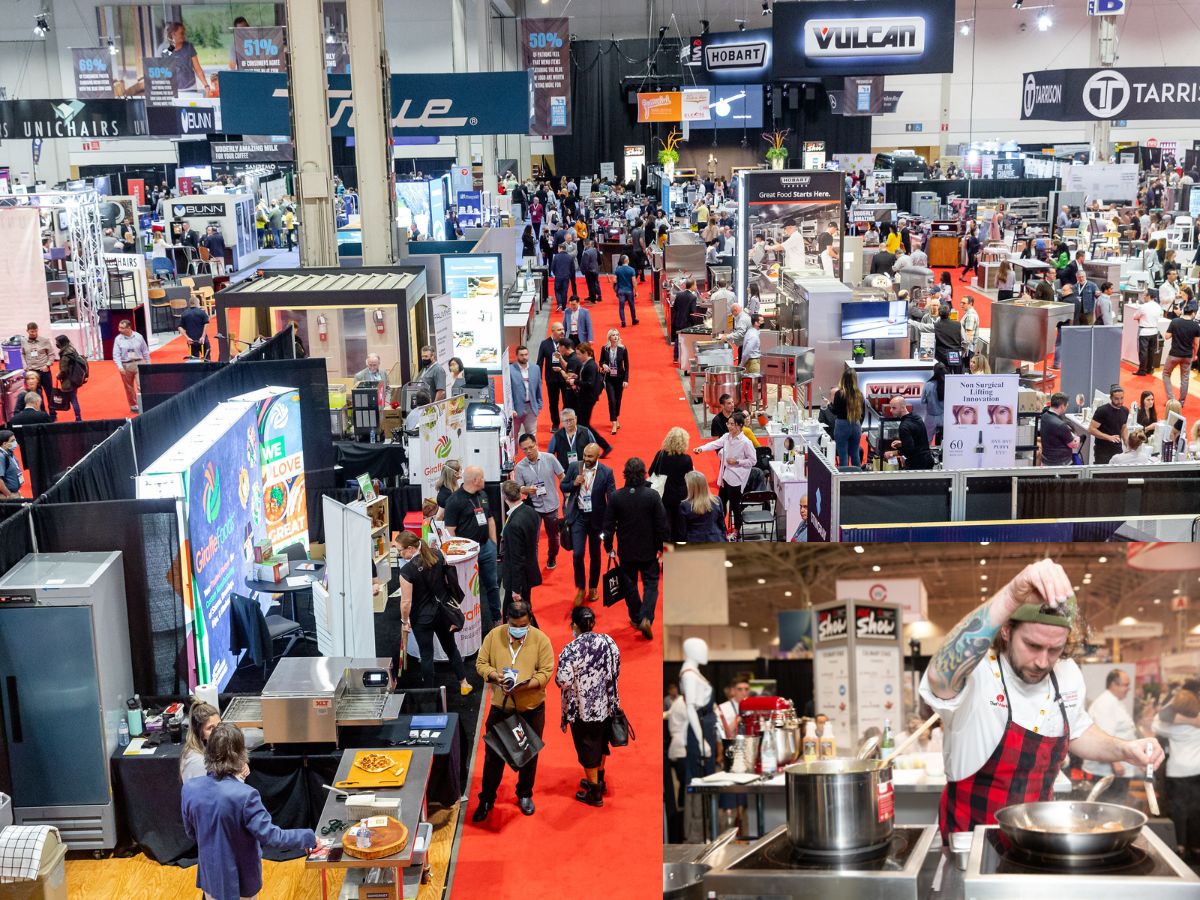
RC Show 2023 returns with Heart & Hustle to Toronto –
Canada’s leading hospitality and foodservice expo returns as the year’s most anticipated foodservice trade event.
RC Show 2023 returns to Toronto’s Energy Center at Exhibition Place, combining the best of the hospitality and food service industry – a dynamic in-person trade show, with conferences, competitions and events.
- The looming recession – From inflation significantly affecting grocery prices to supply chain costs, what can we do to mitigate these challenges?
- Labor issues & mental health – Find solutions to help support staff and the consumer experience.
- What’s Trending? Hear about the hottest new and noteworthy trends shaping how we live in 2023, as well as emerging talent and more.
- circular economy – Learn about upcycling, waste prevention and more and how to minimize their environmental impact and please changing customer desires.
- Tipping – Since the pandemic began, suggested gratuities at restaurants have continued to climb becoming a hot-button issue – what does this mean for your customers.
The show is ready to display its HEART & HUSTLE, a theme that highlights an industry that has been challenged, survived, revived itself, and is now looking ahead to the future.
Over three days, learn how to increase your bottom line, get inspired by local and global thought leaders who are changing the game, learn about the latest innovations and trends, and connect with suppliers and brands who are ready to help you grow your business.
What to expect at RC Show 2023
- World-class panels across multiple stages, immersive workshops, informative panel discussions, and fireside chats with leaders who will explore all topics that matter most to operators including mental health, new revenue generation, debt management, labor shortages and more.
- A newly designed, interactive and fully functional pop-up restaurant that will activate brands, equipment, and technologies offering new experiences while showcasing the latest culinary advancements to help generate revenue.
- The return of RC Show’s signature events including the Opening Night Reception, Breakfast With Champions and Industry Night Out.
New and returning competitions in every sector, including mixology, barista and culinary, such as the world-renowned Bocuse d’Or and the Garland Canada Culinary Competitions that will showcase up-and-coming talent from across Canada, as well as a new pastry chef and pizza competitions.
The RC Show is operated by Restaurants Canada, a national not-for-profit association representing Canada’s diverse and dynamic food service industry. All revenue generated goes back into supporting Canada’s food service and hospitality industry.

WHERE:
www.rcshow.com
Energycare Centre
100 Princes’ Blvd.
Toronto, ON
M6K 3C3
WHEN:
Monday, April 10, 2023 10:00 AM – 5:00 PM EST
Tuesday, April 11, 2023 10:00 AM – 5:00 PM EST
Wednesday, April 12, 2023 10:00 AM – 4:00 PM EST

How to create a plant-based menu
Have you noticed your customers gravitating toward plant-based dishes? You’re not the only one — going meat-free is a growing trend. In 2022, the plant-based food market was worth $10.9 billion, and Bloomberg estimates that plant-based food sales will increase by 500% by 2030.
Plant-based meals cater to two types of people: vegans and vegetarians. Vegans don’t eat any animal products; vegetarians typically avoid meat but eat eggs, dairy, fish, and sometimes poultry.
If you can expand or edit your restaurant’s menu to satisfy these customers, you can reach a wider market and boost your bottom line. Adding more plant-based dishes is also an effective way to become more sustainable.
How to create a plant-based menu for your restaurant
Given the rising popularity of meat-free diets, now’s a good time to add more plant-based options to your restaurant’s menu. You don’t need to rework the entire menu — simply add more options for vegans and vegetarians. In the process, you’ll attract new diners without alienating your existing customer base.
Don’t have time to develop new menu items? Look for ways to make substitutions or remove animal products from your existing dishes. That way, vegan and vegetarian diners can enjoy your most popular items, too.
Before you update your menu, take time to audit your current offerings. Check sales data to identify your highest- and lowest-performing dishes. Then, eliminate rarely ordered items to make room for new options. You’ll keep the menu in check and maintain a reasonable workload for your kitchen crew.
1. Find plant-based substitutes
Plant-based substitutes are a great way to make vegan menu items without adding more work to your cooks. All you need to do is find a suitable alternative for animal-based ingredients. Incorporating locally sourced food into your menu can also help you cater toward the plant-based crowd.
Some popular, vegan-friendly substitutes include:
- Portobello mushroom caps instead of chicken breasts
- Tofu as a substitute for chicken or beef
- Vegetable stock to replace chicken or beef stock
- Quinoa or vegetable patty instead of a beef burger
- Coconut oil or nut butter in place of dairy butter
- Vegan cheese as a substitute for dairy cheese
- Oat, rice, almond, soy or coconut milk for dairy milk
- Ground flaxseed, bananas, or applesauce to replace eggs
- Sorbet or coconut ice cream instead of dairy ice cream
Keep in mind that vegan substitutions don’t always work on a one-to-one ratio. You may need to adjust the amount to account for ingredients with different densities or consistencies.
2. Integrate plant-based options into traditional dishes
Adding vegan-friendly ingredients to an existing item is an easy way to provide more options for customers without recreating the entire dish. For example, you might consider offering meat as an add-on ingredient rather than an integral part of a menu item. Start with a basic green salad or a tomato-based pasta and enable diners to add chicken or salmon for an extra fee.
Integrating plant-based options into your main menu makes each dish more accessible to everyone, regardless of dietary preferences. Since these veggie-heavy items aren’t isolated in a “vegan” section, meat-eating customers are more likely to consider them.
3. Get creative with presentation
Vegan and vegetarian dishes aren’t limited to salads and steamed veggies. Get creative and you can make plant-based options feel like a treat. Dress up veggies with breading to add a bit of crunch, or go crazy with the spices to add a Cajun or Thai kick.
Don’t forget about sauces, dips, and marinades — serve deep-fried cauliflower bites with a rich Buffalo sauce, and try garlic-infused pita triangles with a selection of hummus flavors. Unexpected flavor profiles and tasty textures will delight your vegan diners and entice meat-eaters to try a veggie-based dish.
Captivating menu descriptions are critical; the right word choices can increase demand for non-meat items. Make sure to describe the texture and flavor and indicate that the dish is meat free. You can use words such as:
- Plant-based
- Veggies
- Vegans/vegetarians
- Plant proteins
Help your plant-eating diners identify appropriate items at a glance by placing a “V” or a plant symbol next to meat-free options. Just make sure to include a key, particularly if you have both vegan and vegetarian dishes.
4. Listen to customer feedback
If you’re a meat eater, it can be difficult to figure out which dishes your vegan diners will enjoy. Instead of guessing, ask for customer feedback. Print out a short survey and place it on each table, poll your followers on social media, and send a digital survey to your email list.
Consider testing new meal ideas using a rotating plant-based menu. An ever-changing lineup gives your chef the opportunity to experiment with new dishes, and you’ll have the chance to see how customers respond to different items.
What are examples of plant-based meals?
Not sure where to start? Find inspiration in a few of the top 2022 food trends:
- California rolls
- caesar salad
- Hash browns
- Edamame
- Onion rings
When in doubt, you can’t go wrong with vegan classics. Dishes such as eggplant Parmesan, veggie burritos, black bean burgers, roasted vegetable sandwiches, and minestrone soup are sure to please both plant-based and meat-eating customers.
Plant-based dishes are also predicted to make a splash in 2023. One of the top plant-based ingredients diners are looking for is non-dairy milk. Here are the top milk alternatives that were ordered on Grubhub in 2022:
- Oat Milk
- Almond Milk
- Coconut Milk
- Soy Milk
- Cashew Milk
Reach more customers with plant-based dishes
As plant-based diets become more popular, restaurants with vegan and vegetarian options are in high demand. In fact, in 2022, vegan dishes were some of the most popular delivery items ordered on Grubhub. Services like Grubhub make it easier to reach plant-focused diners — restaurants like PS Kitchen have used the platform to expand their reach and increase sales. With beautiful, vibrant photos that showcase the natural colors and textures of the vegetables, you can do the same. Ready to reach more plant-based diners? Join Grubhub today.

2022 year in review: A look into restaurant success
Did you know that Grubhub restaurants are prepared over 11 million pizzas in 2022? That’s a lot of cheese! What else got Grubhub diners’ taste buds tingling? Time to rewind to see how diners ate their way through 2022. Looking at trends from hundreds of thousands of average daily orders, Grubhub’s #2022Delivered checks in on what shaped 2022.
Let’s dig in!
2022 was the year of digital demand
2022 brought a new post-pandemic landscape for restaurants as eating out returned in full force. However, the convenience of online ordering that many diners discovered in 2020 is still here to stay. Today’s diners frequent online ordering platforms or browse through third-party delivery marketplaces to find their next meal.
More independent restaurants are building comprehensive digital presences as they realize customer value online discoverability. Everything from creating a restaurant website to offering online ordering and listing on a third-party delivery app like Grubhub has allowed restaurants to reach more customers online. This boom in online ordering has allowed diners to find new restaurants.
Online ordering has become central to the customer experience
These days, 90% of customers research a restaurant online before visiting. There’s no doubt the restaurant industry is getting digital, and restaurants have capitalized on this demand by building an online presence. Creating restaurant ordering sites or listing a business on a third-party delivery platform allows customers to seamlessly place an order online.
Restaurants are getting more broad with their online marketing strategy. While a restaurant website has been a staple for years, restaurants can get exposure and orders through social media accounts, online ordering sites and Google Business has opened up the digital landscape. All of these channels can direct customers to your online ordering platform.
Grubhub Direct also saw rising success in 2022. Restaurants are turning to the commission-free online ordering site to easily receive and fulfill orders. Restaurants who have linked their Direct site on their website typically see 72x more average daily orders than those who have a website and do not link Direct. Online ordering is growing daily.
Social media allows restaurants to connect directly with customers
The digital brand trend has continued to expand to social media as more diners browse their favorite social apps to find their next meal. Instagram is one of the top apps for foodies and creating restaurant profiles has allowed restaurants to connect directly with customers. A whopping 87% of Instagram users take action after seeing information about a brand product online, proving that a few posts can lead to real paying customers.
TikTok has been making strides in the business marketing world which has had a positive impact on restaurants. In fact, 36% of TikTok users have visited or ordered food from a restaurant after seeing a TikTok video about the business. With 80 million monthly active users on the app, it can generate a lot of traction around your food. Finding creative ideas for your restaurant’s TikTok account can help you cater directly towards younger customers.
Restaurants have seen the benefits of creating captivating social media profiles across many channels. While creating pictures of perfect dishes can encourage diners to come back for more, sharing these creations on social media allows restaurants to build buzz around their brand. If there’s one thing 2022 showed us is that the trend of exploring and ordering from restaurants online is here to stay. Harnessing your restaurant’s digital power in a way that captivates customers can help your restaurant prepare for the year ahead.

What came out on top in 2022 Grubhub ordering?
Wondering what got diners’ mouths watering in 2022? Let’s take a look back at what food trends exploded in the industry last year.
Top ordered cuisines
What type of food are diners gravitating towards when it’s time to place an order? American cuisine tops the charts followed by Mexican and Chinese cuisines.
- American
- mexican
- chinese
- Japanese
- italian
- Tex Mex
- Thai
- Indian
- Mediterranean
- Latin Americans
Top ordered mains
2022 brought a return to the classics, replacing trending plant-based favorites from 2021. Last year’s top food, the wildly popular plant-based sausage wrap, didn’t make the top 10. Diners are turning towards comfort food classics when they go to place an order.
- Burritos
- Cheeseburger
- Cheese Pizza
- Pad Thai
- Chicken Quesadilla
- California Roll
- Fried Chicken Sandwiches
- Ceasar Salad
- Chicken Tikka Masalas
- Boneless Wings
Top ordered sides
Comfort classics are also shining in the sides category. The staple breakfast side of hash browns took the lead this year, proving that no breakfast spread is complete without fried potatoes.
- Hash Browns
- Mozzarella Sticks
- Edamame
- Mac&Cheese
- Onion Rings
Top ordered desserts
What are diners ordering to satisfy their sweet tooth? The coffee-flavored Italian favorite Tiramisu took the cake, followed by the Baklava flakey pastry dessert.
- Tiramisu
- Baklava
- Cookies
- Cheesecakes
- Brownie
- Churros
- Cannoli
- Carrot Cake
- Chocolate Cake
- flan
Top ordered dishes breakfast
Diners are starting their mornings with the perfect combination of protein and sweets with the sausage, egg and cheese sandwiches and donuts topping the list.
- Sausage, Egg & Cheese Sandwich
- Donuts
- Sausage Burritos
- Bagels with Cream Cheese
- muffins
Top late-night orders (10 pm and later)
When the late night cravings kick in, gooey cheese is Grubhub diners’ favorite way to fill their stomachs.
- Chicken Quesadilla
- Fried Chicken Sandwiches
- Cheeseburger
- Mozzarella Sticks
- Cheese Pizza
Top Coffee Orders
The results are in: Americans prefer their coffee swirled with ice, regardless of the outside temperature. Iced coffee jumped from third place last year to top the coffee order in 2022.
- Iced Coffee
- Hot Coffee
- Iced Caramel Coffee
- Iced French Vanilla Coffee
- Frozen Coffee
Top ordered non-alcoholic beverages
Nothing washes down a delicious meal better than a can of cola, according to Grubhub customers.
- cola
- Lemon Lime Soda
- Iced Tea
- Iced Coffee
- Thai Iced Tea
Top ordered alcoholic beverages
We know Grubhub diners enjoy cracking open a cold one, but we don’t if they enjoy their margaritas with salt or sugar on the rim.
- Beer
- margaritas
- Hot Sake
- Piña Colada
- White Wine
Top ordered condiments
Grubhub diners can’t eat their fries without ketchup and relish in the beautiful combination of wings and ranch.
- Ketchup
- Ranch
- Spicy Buffalo Sauce
- Honey Mustard
- Spicy Mustard
What was trending in your city in 2022?
From coast to coast diners are using Grubhub to order their next meal. Data has shown us that a hungry diner in San Francisco isn’t going to opt for the same alcoholic beverage as a loyal New Yorker, and you can’t expect a Chicagoan to devour buffalo sauce the same way a customer in Los Angeles will. Regional differences have led to different ordering habits across the country.
So what are these regional differences? An iconic and fitting choice, in NYC the top breakfast order was the bagel. Philadelphia also stuck to its roots with their top dessert order: The Philly Cheesecake. In wine country, San Francisco stayed sophisticated and opted for a long-stemmed glass of Sauvignon Blanc as their alcoholic drink of choice. What was trending in your city? Read more to find out:
What cities ordered the most coffee?
How many cups of coffee does it take to get New Yorkers out of bed? In 2022, New York saw over 79,000 coffee orders on Grubhub. That’s a lot of caffeine!
- New York City
- Chicago
- Philadelphia
- Los Angeles
- Denver
Top ordered alcoholic drink by city
Fresh margaritas are enjoyed coast to coast all year long by Grubhub diners.
Austin: Mexican Martinis
Chicago: Frozen Margaritas
Los Angeles: Regular Margaritas
New York City: Japanese Lager
San Francisco: Sauvignon Blanc
Washington DC: Regular Margaritas
What city has early risers?
The early bird gets the worm is what they say in the Rocky Mountains. Denver restaurants have the highest percentage of orders from 5 am to 8 am.
- Denver
- New York City
- Nashville
- Los Angeles
- Austin
What city stays up late?
The east coast loves a late night snack. Boston restaurants have the highest percentage of orders from 10 pm to 2 am.
- Boston
- Washington DC
- Nashville
- Chicago
- Philadelphia
What are the most popular Grubhub restaurants?
At Grubhub, we love celebrating our restaurant partners’ success. Grubhub delivered for over 365,000 restaurants last year, ensuring your delicious cuisine reaches hungry customers. Restaurants across the country fielded thousands of orders throughout 2022. 18 million deliveries were made nationwide. Chirping Chicken in New York City took the cake with over 73,000 orders in 2022.

Here are the restaurants with the most orders in each city in 2022:
Austin:
- Halal Bros
- Papalote Taco House
- Tuk Tuk Thai Cafe
- Taqueria Guadalajara
- Thai Kitchen
Los Angeles:
- Ribbon Cafe
- Zankou Chicken – Hollywood
- What the Fish Sushi
- Canter’s Deli
- Silverlake Ramen
denver:
- Pepper Asian Bistro
- Tamales Kitchen
- Taste of Philly
- Blackjack Pizza
- Hot Pizza
Chicago:
- Calo Ristorante
- Harold’s Chicken
- John’s Pizzeria Ristorante
- Chicago’s Pizza
- The Pasta Bowls
Washington DC:
- A Baked Joint
- CityLight China
- Boli’s Pizza
- Seoulspice
- Baked & Wired
Boston:
- Indian Quality Restaurant
- Otto
- Pho Basil
- Anna’s Taqueria
- T. Anthony’s Pizzeria
Nashville:
- Best Wok Chinese
- Thai Satay
- Roma Pizza & Pasta
- Milano’s Pizzeria
- Cheap Charlie’s Taco Shop
Seattle:
- Authentic Indian Cuisine Bread
- Sharma King
- Tastes of India
- A Pizza Mart
- Thai Thani Ballard
Philadelphia:
- Tres Jalapenos
- Oregon Steaks
- Angelino’s Restaurant
- Rosario’s Pizzeria & Restaurant
- Mandarin Palace
New York:
- Chipping Chicken
- Marinara Pizza
- Up Thai
- Joe’s Pizza
- Broadway Bagels
San Francisco:
- La Corneta Taqueria
- Red Jade Restaurant
- Pancho Villa (16th St)
- The Melt – 925 Market
- North Beach Pizza
A look into diners’ ordering habits
Millions of customers placed orders on Grubhub last year devouring meals from cheeseburgers to poke bowls and everything in between. While no two diners are the same, their ordering habits give insight into how Grubhub customers like to dine.
What is the most popular time to place an order on Grubhub?
6 pm brings the most traffic to Grubhub. In fact, we saw over 23 million orders placed at this time in 2022. That’s a lot of late night snacks!
What are the most popular holidays to order?
Grubhub customers are starting their new year off with a bang – and a burrito bowl. New Year’s Day remained the most popular ordering holiday in 2022. Nothing helps recovery better than a hot restaurant meal.
- New Year’s Day
- Mother’s Day
- Martin Luther King Jr. Day Day
- President’s Day
- Labor Day
Grow your restaurant in 2023 with Grubhub
2022 brought in a new year of growth for restaurants that is carrying forward into the new year. Restaurants tune into consumer trends to ensure their mouthwatering food leads to satisfied customers. Capitalizing on the biggest food trends also means finding the right avenue to reach customers, whether on-premise or through delivery and takeout. The National Restaurant Association predicts that the off-premise market will be where the majority of industry growth will come from over the next 10 years. This means you need the right partner to help you navigate this changing environment and build your online ordering strategy.
That’s where Grubhub comes in. Grubhub can help you reach new and hungry customers eager to order from local restaurants (just like yours)!
Tap into takeout and delivery to bring diners exactly what they’re craving by signing up with Grubhub for Restaurants.

How to Incorporate Locally Sourced Food Into Your Menu
More and more diners care about a restaurant’s sustainability practices. According to the 2020 National Restaurant Association Industry Report, 76% of adults said they are more likely to visit a restaurant that offers locally sourced food. If your restaurant doesn’t tap into the locally sourced food movement, you may be missing out on potential customers.
Continue reading to discover ways to integrate locally sourced ingredients into your restaurant’s menu.
What are locally sourced goods?
Locally sourced goods typically refer to food, ingredients or other consumable products that are sourced, purchased or procured within a specific radius distance from where they will be used. This definition varies depending on what people consider local, but to consumers, the label “locally sourced” means that the ingredients are healthier and fresher than other products purchased from farther away.
The push for local food and farm-to-table restaurants has grown in recent years due in part to the desire to support local growers and farmers. Buying from those in your community boosts the economy, creates more jobs and helps support produce growers.
Where can you get locally sourced ingredients?
Buying locally sourced food and ingredients can seem daunting at first, but there are many resources available to help connect you to local farmers and suppliers. Visit your local farmers market to meet farmers or network with farm-to-table restaurants in your area to learn which local suppliers they’ve had success with in the past.
Once you’ve found local farmers and suppliers to work with, focus on establishing a meaningful relationship with them. Small gestures, such as thanking your suppliers and keeping them updated on any changes within your restaurant, can go a long way toward showing suppliers that you value them as a business partner.
The more time you invest in building these relationships, the greater chance you’ll have to receive the ingredients you need. You may even enjoy some unexpected benefits such as the first pick of produce or discounts for your continued loyalty.
Even with close relationships built with farmers, there may still be some difficulties you have to overcome when purchasing locally.
How inflation affects local food prices
When inflation rises, so do food prices. Because it costs more to farm during times of high inflation, farmers must raise their produce prices to balance their return on investment. That means that food inflation may affect whether or not your restaurant can afford to purchase locally.
Even with the topic of food inflation being prevalent, it’s still possible to include locally sourced food in your entrées.
Tips for incorporating locally sourced food into your menu
You don’t have to replace every single item on your menu with locally sourced items or break the bank to include local goods. Here are some ideas for adding ingredients that will boost your local economy:
Start slow and set realistic goals
Sourcing local ingredients can be higher-cost due to working with small suppliers, which means switching your menu overnight to feature these ingredients can be costly. Help ease your restaurant’s transition by setting reachable goals, such as purchasing a small amount of locally sourced ingredients or only buying locally sourced food that is close in cost to your traditional ingredients.
It might also make sense for you to test run incorporating locally sourced ingredients into your menu. Consider featuring a special on your menu or even hosting a weekly local foods night that offers a special entrée made entirely from local ingredients.
Offering locally sourced food for sale as a retail model in your restaurant is also a great way to introduce the concept to your customer base. When indoor dining was shut down in New York during the height of the pandemic, The Council Cafe transformed its storefront restaurant into a local market featuring locally produced bread from Naira Bread in New York.
The Council Cafe’s market supported other local businesses and made locally sourced food accessible to their customer base.
Use locally-sourced food to fuel your seasonal menu items
Sticker shock is often enough to keep many restaurant owners from incorporating locally sourced ingredients into their menus, but it doesn’t have to be costly. By purchasing in-season produce, you can include local ingredients that are both more affordable and of higher quality.
Lighthouse, a farm-to-table restaurant in New York City, has found success in leveraging locally sourced ingredients in its seasonal dishes. The staff even put organic food waste to work by using vegetable and fruit scraps to make compost for their herb garden, which is used to create in-house spice mixes.
While buying locally sourced food can seem expensive at first, being strategic with your menu and using in-season ingredients can help reduce the cost of locally sourced food.
Seek out sustainable seafood from local fishermen
According to the World Wildlife Foundation, fishing is one of the largest contributors to the decrease in ocean wildlife populations. While the actual act of fishing is not terrible for the environment, overfishing — which is when fish are removed from the water faster than the species can replenish — is detrimental to our oceans.
Taking the extra step to seek out sustainable seafood options from local fishmongers is not only the right move for the environment but can also help your restaurant reach new diners. According to the Marine Stewardship Council, 70% of North American shoppers would like to hear more from restaurants about the sustainability of their fish and seafood products.
Fish, a sustainable seafood restaurant based in Sausalito, California, has become a success by creating inventive dishes that feature seasonally caught fish. By purchasing directly from local fishers, Fish can confidently communicate to their customers the exact path the seafood took from the water to their plate.
Attract more customers with a locally sourced menu
Tapping into the local food movement is a great way to grow your customer base and positively impact the environment. You may also be surprised by the health benefits that your customers experience from higher-quality food. According to Virtua Health, fruits and vegetables start to lose their nutrients within 24 hours of being picked, so the fresher your restaurant’s food is, the better it will be for those enjoying it.
Using locally sourced ingredients does not need to be an expensive or time-consuming task for your restaurant. Start by developing relationships with local farmers and fishers, creating seasonal dishes and setting realistic sustainability goals for your restaurant model.
Are you interested in learning more restaurant sustainability tips? Check out 10 restaurant sustainability tips that can help you reduce food waste and improve your restaurant’s profit margins.
Grubhub customers are hungry for restaurants that feature fresh ingredients and sustainable practices. Sign up to become a Grubhub restaurant partner today and be introduced to 33+ million diners who are looking for their next delicious meal.

Demand is high – No supply –
Opportunity in the outer suburbs
By Gerrick Numan
The inner suburbs, the ‘cool’ areas, have a lot of restaurants, cafes and bars. The demand is high but so is supply. That doesn’t mean another one won’t work, it just means there are opportunities elsewhere.
In some under-serviced outer suburbs, the demand is high and there’s no supply.
People are there, with money, looking to eat out but they have nowhere to go. If your concept is right, your chances of success are higher in the outer suburbs.
Just look at Peach’s Hot Chicken. We designed a venue for them in Panmure, Auckland, an area better known for pawn shops than dining, and they’ve had crazy queues out the door every single night.
Now they’re moving to a venue twice the size down the road. An excellent concept plus low competition has meant a much more profitable restaurant than if they had opened in the inner suburbs.
We’ve done the same for Sumthin Dumplin in Botany and many others.
Rent
Not only is competition lower in the suburbs, so are the rents.
A shop that costs you $80k per year in rent in an inner suburb, can cost $25k in the outer suburbs. That’s $55k in your pocket, immediately. The old real estate saying that you ‘make your money when you buy’ applies to leasing a space for a hospitality business too.
In an industry where margins are slim, lower rents can make a huge difference.
If you do $15k in sales per week, the lower rent means a drop in your annual rent percentage from 10% to 3% – an additional 7% of profit.
Postpandemic
There is less demand for retail spaces. So you will have increased negotiating power with landlords. This could mean a long rent free period or a significant capital contribution from landlords.
You will also be in a good place to negotiate a ‘sale friendly’ lease
Ie a lease that will be attractive to future buyers of your venue (multiple rights of renewal, annual rental increases capped at CPI, no demolition clauses). Get in touch with me any time if you want me to explain these ideas.
There is potential in failed venues.
The financial and emotional impacts of a failed concept on operators are nothing to be taken lightly. But at some point these venues and their unused fit outs and equipment will need to be used again. This can be an excellent opportunity to open a venue, without the massive expense and risk that comes from setting up a kitchen from scratch.
Where to from here?
If you need any help assessing a site, or tweaking your concept, get in touch with me anytime and let’s figure out a way to keep moving forward. www.mille.co.nz