
/cloudfront-us-east-1.images.arcpublishing.com/dmn/AGPQSNCM4ZCQVPB7OWA6NP4WFA.jpg "McKinney’s Denizen Hotel eyes summer groundbreaking")
McKinney’s Denizen Hotel eyes summer groundbreaking
Developers working for more than a year on a new McKinney hotel hope to break ground on the project in the coming months.
The Denizon Hotel is planned on State Highway 121 at Alma Road in the huge Craig Ranch development.
Archstreet Hotel Partners will build the more than 100-room hotel as part of the mixed-use District 121 project. The almost 20-acre development also includes a new office building plus restaurant and retail space. The four-story hotel building is expected to cost about $20 million.
“We hope to start work this summer and open in the fall of 2024,” Archstreet founder Michael Mueller said. He previously founded Nylo Hotels, which built properties in Las Colinas and Plano.
Dallas architect 5G Studio Collaborative is designing the luxury hotel.
The Denizen Hotel will be the latest addition to the hospitality market along SH 121 between Frisco and McKinney – a corridor that’s seen dramatic growth.
The Craig Ranch development includes thousands of homes plus commercial and retail construction.
Dallas-Fort Worth is the country’s fastest growing hotel market with more than 170 projects in the development pipeline.
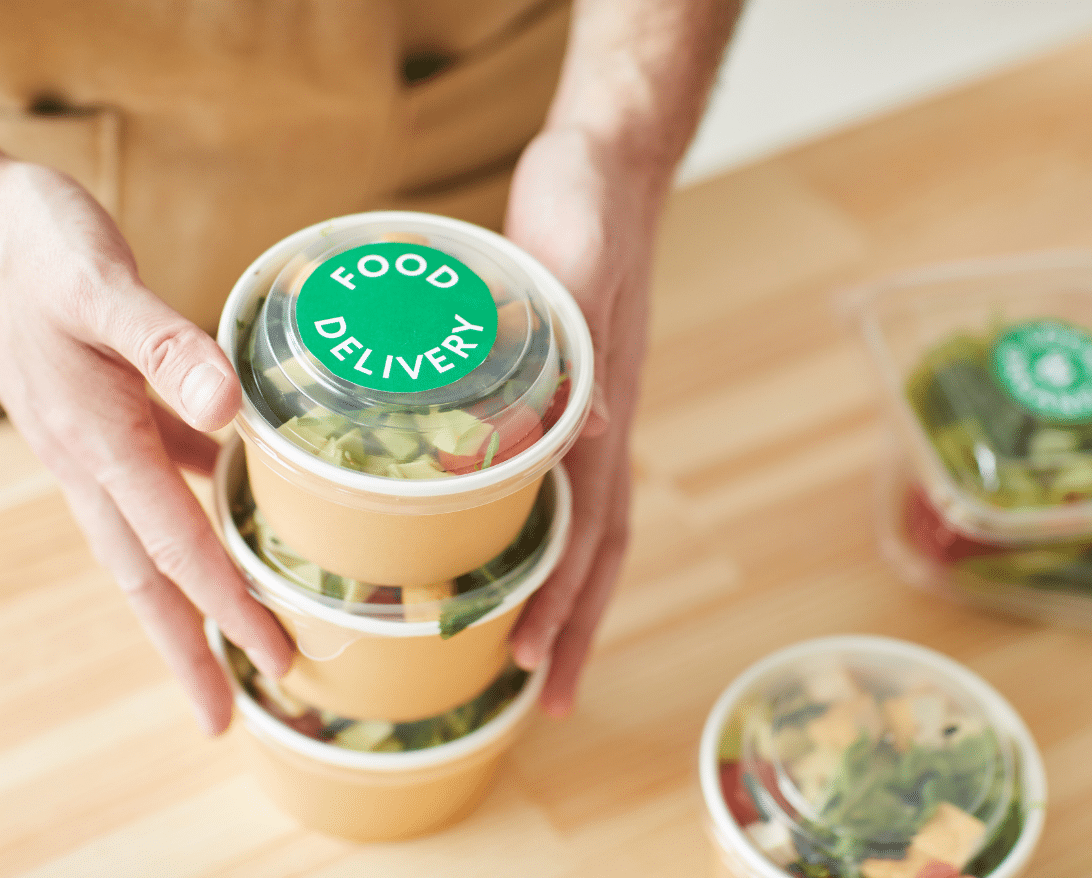
How to control your food expenses
alone — the rising price of food is one of the biggest challenges for restaurant owners in 2023. While costs are always subject to fluctuation, this year brings a perfect storm of economic forces. Inflation, persistent supply chain disruptions, and a possible recession are driving increases of 10% or more across the board. By finding ways to control costs, you can maintain a positive cash flow and protect your bottom line.
What impacts the cost of food?
The global food market is complex and interconnected, which means an incident across the world can have a significant impact on your restaurant’s operations. For example, Ukraine typically produces 10% of the world’s wheat and 13% of its barley; the Russian invasion has affected crops and exports, reducing the global supply and increasing prices.
Some other factors that affect the cost of food include:
- Supply chain problems. Ongoing disruptions to the global supply chain slow the supply of both food and the packaging it comes in.
- Natural disasters. Storms and unexpected climate conditions can wipe out crops, destroy stored food, or disrupt shipments.
- Disease outbreaks. Diseases that affect crops or animals can drastically reduce the available food supply. In late 2022, for example, an outbreak of avian flu caused egg prices to rise by nearly 60%.
- Labor issues. Food producers rely heavily on human labor; when they have staffing shortages, it can affect supply and drive up prices.
- energy prices. High energy prices make it more expensive to process and transport food.
Types of restaurant food expenses
When you run a restaurant, there are three primary types of food expenses to consider when you’re building a menu: recipe cost, plate cost and period cost.
- Recipe cost is the amount of money you need to spend to make a recipe. To find it, calculate the price of each ingredient. If a recipe takes 1 pound of flour and you spend $30 on a 50-pound bag, the cost for that ingredient would be 60 cents.
- Plate cost refers to the cost of a meal on your menu. If it’s part of a larger recipe, you can simply divide the recipe cost by the number of servings. Otherwise, add the cost of each ingredient or element of the dish.
- period cost is the amount you spend on food over a specific period of time. To calculate it, take the dollar value of your inventory at the beginning of the period and add the value of any purchases you make during the period. Then, subtract the value of the remaining inventory at the end of the period to get your total food cost.
When you understand each type of food expense, it’s easier to set appropriate menu prices. Track each cost regularly — that way you can spot seasonal increases for specific ingredients and adjust your menu accordingly. If blueberries are more expensive in the winter, you might focus on desserts that incorporate cheaper, in-season ingredients such as lemons or oranges. Adopt a seasonal menu to keep up with changing flavor profiles.
Current food-expense data also helps you react quickly when customers reduce spending on restaurants and entertainment.
Food cost percentage: how to calculate it and why it’s important
Food cost percentage is the expense of your ingredients expressed as a percentage of your revenue. This number is an important reference point when you’re keeping tabs on food expenses and profits. If your food cost percentage is too high, you may need to reduce food spending or increase prices to avoid diminishing your restaurant’s profit margin.
In general, a good food cost percentage for restaurants falls between 25% and 40%, but the ideal target depends on your restaurant’s typical meal expense. If you run a fine-dining business that serves caviar and prime cuts of beef, you might have a food cost percentage between 35% and 40%; for a sandwich shop, this number might be closer to 25%.
To calculate your food cost percentage, follow these steps:
- Choose a specific period of time and calculate the period cost for your food (value of beginning inventory + value of purchases – value of ending inventory).
- Calculate the total menu item food sales for the same period of time.
- Divide the period cost by the total food sales and multiply by 100 to get the food cost percentage.
3 ways to control your food expenses
When prices are high, it’s more important than ever to control food costs. Reducing meal expenses creates more wiggle room in the budget to cover incidental expenses.
As you adjust your restaurant’s practices, it’s important to move gradually and keep an eye on the latest USDA food plans. Small, sustainable changes enable you to keep expenses in check while maintaining a consistent customer experience during a business meal or family dinner.
1. Get the best prices
When you need to control food costs, start by examining your supplier agreements. Some ways to get a good deal include:
- Shop around. Get quotes from multiple vendors to make sure you’re getting a fair price.
- Negotiate. If you’re happy with your current supplier, see if you can negotiate a better deal. You may need to offer something in return — sign a long-term commitment, for example, or order more products in return for discounted prices.
- Consolidate orders. Save money on shipping fees by consolidating your orders. Instead of ordering pasta and other dry goods every week, order once every 2 or 3 months. As a bonus, this strategy also makes it easier to get bulk discounts.
- Pay on time. Timely payments help your suppliers manage their cash flow. If you have a solid history, they may be more likely to cut you a deal to secure your loyalty.
- Find a local supplier. If your restaurant specializes in seasonal ingredients, consider partnering with a local farmer. You’ll pay less for transportation, and you can often negotiate a reasonable price for higher-quality foods.
Once you’ve found a satisfactory balance between food quality and cost, you can revisit your menu pricing strategy to ensure your food cost percentage falls within an acceptable range.
2. Customize your menu
Compare your menu to the last 3-12 months of sales data. What dishes sell consistently? What are the lowest-performing items? Do certain dishes sell only during specific months?
With these insights, customize your menu by:
- Eliminating low-performers. If certain dishes rarely or never sell, cut them from the menu. That way, the ingredients won’t take up valuable storage space, and you won’t need to worry about spoilage.
- Creating rotating offerings. If customers only order specific dishes during certain times, remove them from the menu the rest of the year.
- Focusing on seasonal ingredients. Ingredients are more plentiful when they’re in season, so prices tend to be lower. Create a seasonal menu that highlights these ingredients, and builds excitement among diners by writing mouthwatering menu descriptions.
Adjusting your menu on a regular basis helps you save money, but it also gives customers a reason to come back. To ensure diners are aware of the latest updates, make sure to communicate the changes in your restaurant with social media posts and marketing emails.
3. Control your inventory
When your inventory goes bad, it’s essentially wasted money. To control costs, manage your inventory carefully. Some ways to do so include:
- Track ingredients. Use software to track every ingredient; note which ingredients sit longer and adjust your ordering process accordingly.
- Order perishable ingredients locally. Locally sourced food has shorter transport times and more frequent deliveries, which can help reduce spoilage.
- Use promotions. If you notice that an ingredient is getting close to its expiration date, offer a special price on dishes that feature it. Grubhub Promotions makes it easy to increase visibility and increase sales for these menu items so you can quickly run through your inventory.
Cutting back on food waste
The food waste in your restaurant consists of the ingredients and leftovers you throw away every day. Spoiled food, returned meals, dropped trays, and inefficient preparation can all contribute to waste. By identifying the most wasteful aspects of your operations, you can get more mileage from your inventory and simultaneously reduce spending. Some ways to reduce food waste and manage your food costs include:
- Order ingredients to align with sales volume.
- Train kitchen staff in low-waste prep for each menu item.
- Prevent spoilage by using ingredients with a “first-in, first-out” approach.
- Standardize your recipes and portion sizes.
A low-waste operation benefits your bottom line — it cuts costs and keeps your food expenses under control, which leads to higher revenue.
Partner With Grubhub
As you find ways to control food costs in your restaurant, Grubhub can help. Your latest sales data is always available, enabling efficient analysis. Need to customize your menu items? The platform streamlines the process, so you can update the seasonal menu or push new promotions with just a few clicks. To get started, sign up for Grubhub today.

How the property changed hands
DELAND — The historic Hotel Putnam has seen a lot in its 100 years at 225 W. New York Ave. in downtown.
Demolition began on Feb. 13, about six weeks after a structural engineer recommended it be torn down because of the level of deterioration.
Here’s a look at what happened just within the past 10-plus years:
2012: Apartments no more
Owner Jayne Rocco receives notice from the bank that it would begin collecting “all rents and profits” due to her falling behind on mortgage payments.
The last of the remaining tenants were evicted from the Putnam, which had been serving as a 60-unit apartment building, the previous year as many had stopped paying their rent, which led to Rocco falling behind on the mortgage.
The two clubs on the first floor, JR’s Saloon and Club Envy, also closed around this time.
moving out:The Hotel Putnam’s final days as an apartment building in downtown DeLand
2013: New owner from New York City
The Hotel Putnam was purchased from Occor Inc., owned by Rocco, for $902,800, by Soly Halabi with Venture Capital Properties in New York City, according to property records.
Halabi said he and his silent partner in the venture wanted to restore the property for operation as a hotel or possibly apartments.
‘Move quickly’:The new owner talks about intentions for the Putnam Hotel project
2014: Plans for Putnam ‘on hold’
A year into owning the Putnam, Halabi says the plans he and his silent partner have for the building are “on hold for the time being.”
He also said they wouldn’t knock the aging building down.
“There’s too much history with the building,” Halabi said that July.
2015: Sold again
A Daytona Beach-based development company purchases the Putnam for $450,000, according to property records.
Summit Hospitality Management Group declined to comment at that time on the plans for the vacant building.
2016: Hotel Putnam ‘available’
A for-sale sign is posted at the front of the property, just west of the intersection of West New York and Florida avenues.
The listed agent, Scott Garrett with the Orlando-based Boss Commercial Real Estate, said the asking price was $999,999.
Summit Hospitality’s vice president of operations said that September that the company was actually hoping to keep the acquisition and find a possible partner in the project.
2017: New proposal from new developer
Sarasota-based Tony Collins, who was under contract to buy the Putnam, proposes a plan to the City Commission in April that would see the city contribute $750,000 in cash over five years.
![Developer Tony Collins stands in front of the Hotel Putnam in DeLand. [News-Journal/Nigel Cook]](https://www.gannett-cdn.com/authoring/2017/06/05/NDNJ/ghows-LK-4fde5992-04ed-063e-e053-0100007f06ed-f2e1f53e.jpeg?width=660&height=422&fit=crop&format=pjpg&auto=webp)
Additionally, Collins sought a change to the city’s code that would amount to a tax exemption of $600,000 to $700,000 over 10 years. Collins pitched using the Putnam for “high-end” apartments with a museum space on the first floor.
The commission voted that June to invest $500,000 from the general fund over five years.
By the year’s end, the agreement expired as Collins failed to obtain the necessary financing.
expired:The agreement between the developer and DeLand on Hotel Putnam failed to come to fruition
2018: Orlando-based developer enters the picture; a fire breaks out
Mohamed Rashad via his company, Big Bubba Investments, LLC, purchases the Putnam for $1 million.
Not long after making the purchase with plans to turn it into a multi-family project, DeLand firefighters responded to the property after a blaze was spotted.
Future after fire?:Prospects for DeLand’s historic Hotel Putnam uncertain after blaze
The investigation into the “set-fire” was closed six months later, no suspects were identified.
It was common knowledge that trespassers entered the property and/or the actual building now and then.
2021: Utah-based developer brings hope
Axia Partners bought the Putnam Hotel from Rashad for $2.3 million in November.
DeLand City Manager Michael Pleus said he and others familiar with the property’s history were feeling as hopeful as Axia had experience with major redevelopments.

2022 year in review: A look into restaurant success
Did you know that Grubhub restaurants are prepared over 11 million pizzas in 2022? That’s a lot of cheese! What else got Grubhub diners’ taste buds tingling? Time to rewind to see how diners ate their way through 2022. Looking at trends from hundreds of thousands of average daily orders, Grubhub’s #2022Delivered checks in on what shaped 2022.
Let’s dig in!
2022 was the year of digital demand
2022 brought a new post-pandemic landscape for restaurants as eating out returned in full force. However, the convenience of online ordering that many diners discovered in 2020 is still here to stay. Today’s diners frequent online ordering platforms or browse through third-party delivery marketplaces to find their next meal.
More independent restaurants are building comprehensive digital presences as they realize customer value online discoverability. Everything from creating a restaurant website to offering online ordering and listing on a third-party delivery app like Grubhub has allowed restaurants to reach more customers online. This boom in online ordering has allowed diners to find new restaurants.
Online ordering has become central to the customer experience
These days, 90% of customers research a restaurant online before visiting. There’s no doubt the restaurant industry is getting digital, and restaurants have capitalized on this demand by building an online presence. Creating restaurant ordering sites or listing a business on a third-party delivery platform allows customers to seamlessly place an order online.
Restaurants are getting more broad with their online marketing strategy. While a restaurant website has been a staple for years, restaurants can get exposure and orders through social media accounts, online ordering sites and Google Business has opened up the digital landscape. All of these channels can direct customers to your online ordering platform.
Grubhub Direct also saw rising success in 2022. Restaurants are turning to the commission-free online ordering site to easily receive and fulfill orders. Restaurants who have linked their Direct site on their website typically see 72x more average daily orders than those who have a website and do not link Direct. Online ordering is growing daily.
Social media allows restaurants to connect directly with customers
The digital brand trend has continued to expand to social media as more diners browse their favorite social apps to find their next meal. Instagram is one of the top apps for foodies and creating restaurant profiles has allowed restaurants to connect directly with customers. A whopping 87% of Instagram users take action after seeing information about a brand product online, proving that a few posts can lead to real paying customers.
TikTok has been making strides in the business marketing world which has had a positive impact on restaurants. In fact, 36% of TikTok users have visited or ordered food from a restaurant after seeing a TikTok video about the business. With 80 million monthly active users on the app, it can generate a lot of traction around your food. Finding creative ideas for your restaurant’s TikTok account can help you cater directly towards younger customers.
Restaurants have seen the benefits of creating captivating social media profiles across many channels. While creating pictures of perfect dishes can encourage diners to come back for more, sharing these creations on social media allows restaurants to build buzz around their brand. If there’s one thing 2022 showed us is that the trend of exploring and ordering from restaurants online is here to stay. Harnessing your restaurant’s digital power in a way that captivates customers can help your restaurant prepare for the year ahead.

What came out on top in 2022 Grubhub ordering?
Wondering what got diners’ mouths watering in 2022? Let’s take a look back at what food trends exploded in the industry last year.
Top ordered cuisines
What type of food are diners gravitating towards when it’s time to place an order? American cuisine tops the charts followed by Mexican and Chinese cuisines.
- American
- mexican
- chinese
- Japanese
- italian
- Tex Mex
- Thai
- Indian
- Mediterranean
- Latin Americans
Top ordered mains
2022 brought a return to the classics, replacing trending plant-based favorites from 2021. Last year’s top food, the wildly popular plant-based sausage wrap, didn’t make the top 10. Diners are turning towards comfort food classics when they go to place an order.
- Burritos
- Cheeseburger
- Cheese Pizza
- Pad Thai
- Chicken Quesadilla
- California Roll
- Fried Chicken Sandwiches
- Ceasar Salad
- Chicken Tikka Masalas
- Boneless Wings
Top ordered sides
Comfort classics are also shining in the sides category. The staple breakfast side of hash browns took the lead this year, proving that no breakfast spread is complete without fried potatoes.
- Hash Browns
- Mozzarella Sticks
- Edamame
- Mac&Cheese
- Onion Rings
Top ordered desserts
What are diners ordering to satisfy their sweet tooth? The coffee-flavored Italian favorite Tiramisu took the cake, followed by the Baklava flakey pastry dessert.
- Tiramisu
- Baklava
- Cookies
- Cheesecakes
- Brownie
- Churros
- Cannoli
- Carrot Cake
- Chocolate Cake
- flan
Top ordered dishes breakfast
Diners are starting their mornings with the perfect combination of protein and sweets with the sausage, egg and cheese sandwiches and donuts topping the list.
- Sausage, Egg & Cheese Sandwich
- Donuts
- Sausage Burritos
- Bagels with Cream Cheese
- muffins
Top late-night orders (10 pm and later)
When the late night cravings kick in, gooey cheese is Grubhub diners’ favorite way to fill their stomachs.
- Chicken Quesadilla
- Fried Chicken Sandwiches
- Cheeseburger
- Mozzarella Sticks
- Cheese Pizza
Top Coffee Orders
The results are in: Americans prefer their coffee swirled with ice, regardless of the outside temperature. Iced coffee jumped from third place last year to top the coffee order in 2022.
- Iced Coffee
- Hot Coffee
- Iced Caramel Coffee
- Iced French Vanilla Coffee
- Frozen Coffee
Top ordered non-alcoholic beverages
Nothing washes down a delicious meal better than a can of cola, according to Grubhub customers.
- cola
- Lemon Lime Soda
- Iced Tea
- Iced Coffee
- Thai Iced Tea
Top ordered alcoholic beverages
We know Grubhub diners enjoy cracking open a cold one, but we don’t if they enjoy their margaritas with salt or sugar on the rim.
- Beer
- margaritas
- Hot Sake
- Piña Colada
- White Wine
Top ordered condiments
Grubhub diners can’t eat their fries without ketchup and relish in the beautiful combination of wings and ranch.
- Ketchup
- Ranch
- Spicy Buffalo Sauce
- Honey Mustard
- Spicy Mustard
What was trending in your city in 2022?
From coast to coast diners are using Grubhub to order their next meal. Data has shown us that a hungry diner in San Francisco isn’t going to opt for the same alcoholic beverage as a loyal New Yorker, and you can’t expect a Chicagoan to devour buffalo sauce the same way a customer in Los Angeles will. Regional differences have led to different ordering habits across the country.
So what are these regional differences? An iconic and fitting choice, in NYC the top breakfast order was the bagel. Philadelphia also stuck to its roots with their top dessert order: The Philly Cheesecake. In wine country, San Francisco stayed sophisticated and opted for a long-stemmed glass of Sauvignon Blanc as their alcoholic drink of choice. What was trending in your city? Read more to find out:
What cities ordered the most coffee?
How many cups of coffee does it take to get New Yorkers out of bed? In 2022, New York saw over 79,000 coffee orders on Grubhub. That’s a lot of caffeine!
- New York City
- Chicago
- Philadelphia
- Los Angeles
- Denver
Top ordered alcoholic drink by city
Fresh margaritas are enjoyed coast to coast all year long by Grubhub diners.
Austin: Mexican Martinis
Chicago: Frozen Margaritas
Los Angeles: Regular Margaritas
New York City: Japanese Lager
San Francisco: Sauvignon Blanc
Washington DC: Regular Margaritas
What city has early risers?
The early bird gets the worm is what they say in the Rocky Mountains. Denver restaurants have the highest percentage of orders from 5 am to 8 am.
- Denver
- New York City
- Nashville
- Los Angeles
- Austin
What city stays up late?
The east coast loves a late night snack. Boston restaurants have the highest percentage of orders from 10 pm to 2 am.
- Boston
- Washington DC
- Nashville
- Chicago
- Philadelphia
What are the most popular Grubhub restaurants?
At Grubhub, we love celebrating our restaurant partners’ success. Grubhub delivered for over 365,000 restaurants last year, ensuring your delicious cuisine reaches hungry customers. Restaurants across the country fielded thousands of orders throughout 2022. 18 million deliveries were made nationwide. Chirping Chicken in New York City took the cake with over 73,000 orders in 2022.

Here are the restaurants with the most orders in each city in 2022:
Austin:
- Halal Bros
- Papalote Taco House
- Tuk Tuk Thai Cafe
- Taqueria Guadalajara
- Thai Kitchen
Los Angeles:
- Ribbon Cafe
- Zankou Chicken – Hollywood
- What the Fish Sushi
- Canter’s Deli
- Silverlake Ramen
denver:
- Pepper Asian Bistro
- Tamales Kitchen
- Taste of Philly
- Blackjack Pizza
- Hot Pizza
Chicago:
- Calo Ristorante
- Harold’s Chicken
- John’s Pizzeria Ristorante
- Chicago’s Pizza
- The Pasta Bowls
Washington DC:
- A Baked Joint
- CityLight China
- Boli’s Pizza
- Seoulspice
- Baked & Wired
Boston:
- Indian Quality Restaurant
- Otto
- Pho Basil
- Anna’s Taqueria
- T. Anthony’s Pizzeria
Nashville:
- Best Wok Chinese
- Thai Satay
- Roma Pizza & Pasta
- Milano’s Pizzeria
- Cheap Charlie’s Taco Shop
Seattle:
- Authentic Indian Cuisine Bread
- Sharma King
- Tastes of India
- A Pizza Mart
- Thai Thani Ballard
Philadelphia:
- Tres Jalapenos
- Oregon Steaks
- Angelino’s Restaurant
- Rosario’s Pizzeria & Restaurant
- Mandarin Palace
New York:
- Chipping Chicken
- Marinara Pizza
- Up Thai
- Joe’s Pizza
- Broadway Bagels
San Francisco:
- La Corneta Taqueria
- Red Jade Restaurant
- Pancho Villa (16th St)
- The Melt – 925 Market
- North Beach Pizza
A look into diners’ ordering habits
Millions of customers placed orders on Grubhub last year devouring meals from cheeseburgers to poke bowls and everything in between. While no two diners are the same, their ordering habits give insight into how Grubhub customers like to dine.
What is the most popular time to place an order on Grubhub?
6 pm brings the most traffic to Grubhub. In fact, we saw over 23 million orders placed at this time in 2022. That’s a lot of late night snacks!
What are the most popular holidays to order?
Grubhub customers are starting their new year off with a bang – and a burrito bowl. New Year’s Day remained the most popular ordering holiday in 2022. Nothing helps recovery better than a hot restaurant meal.
- New Year’s Day
- Mother’s Day
- Martin Luther King Jr. Day Day
- President’s Day
- Labor Day
Grow your restaurant in 2023 with Grubhub
2022 brought in a new year of growth for restaurants that is carrying forward into the new year. Restaurants tune into consumer trends to ensure their mouthwatering food leads to satisfied customers. Capitalizing on the biggest food trends also means finding the right avenue to reach customers, whether on-premise or through delivery and takeout. The National Restaurant Association predicts that the off-premise market will be where the majority of industry growth will come from over the next 10 years. This means you need the right partner to help you navigate this changing environment and build your online ordering strategy.
That’s where Grubhub comes in. Grubhub can help you reach new and hungry customers eager to order from local restaurants (just like yours)!
Tap into takeout and delivery to bring diners exactly what they’re craving by signing up with Grubhub for Restaurants.

Catering Menu Ideas for Your Restaurant to Try
As the restaurant industry slowly rebounds from COVID-19, operators are looking for new ways to diversify their business. One idea that many restaurant owners have capitalized on is catering.
When it reached its peak in 2019, the global catering market was valued at an impressive $64 billion, most of which went to restaurants that offered catering services. Despite two-thirds of operators suspending their catering business during the pandemic, many are bringing it back into the fold.
In other words, it’s time to dust off the catering menu and start cooking up some fresh food ideas. Whether you’ve done it before or you’re brand new to the game, catering menu ideas aren’t easy to come by. To take advantage of this opportunity, you need to get creative — luckily, that’s why we’re here.
Here, we’ll walk you through all there is to know about putting together the perfect catering menu.
What you need to know about catering menus
Before you start coming up with catering menu ideas, you need to take a step back and fully understand the concept. Let’s get down to basics.
What is a catering menu?
A catering menu shows the list of food and drink options that a restaurant offers and the prices for those items and overall catering service. Event catering refers to companies that prepare food for special occasions according to the needs of the customer and their specific event. Unsurprisingly, the catering menu is the most important aspect of any catering business. It’s the first thing potential customers ask for when evaluating their options, which means it’s a make-or-break selling point that needs to be carefully considered.
But don’t be fooled: a catering menu and a typical restaurant menu are not the same. Restaurant menus are generally far more complex and comprehensive than a catering menu and might slow down a busy kitchen. Small menus are essential for event catering because they’re faster and more efficient.
What’s also important to remember is that not every catering business operates the same way. Generally speaking, you can lump them into two categories:
- catering services: A catering service is a company that exclusively caters special events. They don’t operate a brick-and-mortar food service operation.
- Restaurant catering: Not all restaurants are catering companies, but many restaurants cater. Whether they cook primarily on-premises in their kitchen or off-premises at the venue, any brick-and-mortar restaurant can break into the catering business.
How to say restaurant catering work?
Ultimately, you can execute your restaurant’s catering service any way you want. Traditionally, restaurants choose one of two paths:
- Full-service catering: You not only prepare the food but also provide service like you would at your restaurant. That means you supply the kitchen staff, bartenders and waitstaff for the event.
- Delivery and drop-off catering: Your kitchen simply prepares the food rather than serving it to your patrons. A customer might come to your restaurant and pick up the food, or you might arrange for delivery to the venue. Everything else is up to the customer to plan on their own.
Types of catering menus
The type of catering menu you create depends heavily on the type of event you want to cater for. Most catering events fall under the following categories:
- corporate catering: This may include small office meetings, corporate gatherings, training sessions and large regional events.
- wedding catering: A wedding menu is highly variable. Whether it’s a small bite during cocktail hour (like roasted tomatoes and fresh mozzarella) or a larger plate at dinner (like fresh herb grilled chicken), weddings tend to be more elegant and upscale.
- Social event catering: Menus tend to be more casual at social events and may cover a wide variety of options. We’re talking party food: fried chicken, BBQ, etc.
- Concession catering: Concession catering plays into the favorites that a majority of people will enjoy (ie, comfort food). Hot dogs, hamburgers, fries and ice cream are the usual suspects.
Benefits of a catering menu
As a restaurant owner, you already have an established brand, name and menu. That’s a fantastic starting point for adding a catering service to your operation. Here’s how it can benefit your business:
- Diversify your revenue: Before the pandemic, 90% of operators agreed that catering was important to their business. why? Because it increases profitability. Research shows that the average check size at a catering event is $283.
- Supports your workforce: Catering offers an opportunity for staff to earn money outside your restaurant’s regular operating hours.
- Boosts your brand: Launching a catering business is just another way for people to experience your food and can drive customers to eat at your restaurant.
Still curious? Let’s keep it rolling.
Catering menu tips and best practices
Creating a catering menu is a tricky business. Luckily, we’ve put together a recipe for success.
Here are some tips you can use to get started.
Match your concept to your restaurant
Don’t reinvent the wheel. You already have a restaurant menu full of great food ideas. If diners ask you whether or not you cater, chances are they’re loving what you’re already cooking up in the kitchen.
Here’s an idea: take your top-selling items and use them to form the basis of your catering menu. Determine which ones can be made in bulk without sacrificing quality or flavor and which ones can travel well or quickly be prepared at the venue.
Another good idea is to keep your menu short and sweet. Offer enough options for an appetizer, dinner and dessert so that people of all dietary restrictions have something they can enjoy, but only so much that your kitchen can easily master them.
Determine your style
Decide how your food will be served at the event. Here are some standard options:
- Serving stations: Staff serve food at designated locations.
- Action stations: Food is cooked to order in front of guests to ensure freshness.
- Portion controlled buffets: Staff serve dinners as they progress through a buffet.
- Self-serve buffets: Diners serve themselves.
- Plated: Waiters serve food like they would at a sit-down restaurant.
- family style: Every table receives a large platter of food, from which guests serve themselves.
Consider your variables
Before you choose one recipe over another, it’s important to have your bases covered. Many variables may influence this decision, but these three are the most significant:
- Cost per serving: Consider how much each plate will cost your business. You may find that one item is simply too expensive to cook in bulk and that the return doesn’t justify the cost.
- Ingredient availability: If you don’t want to make changes throughout the year, think about which ingredients are seasonally available compared to those that are easy to acquire at a moment’s notice. If a recipe calls for something especially exotic, you may need to order it far in advance. This is an added expense that may subtract from your total profits. To save money on ingredients for catering purposes, use ingredients that can easily be bought in bulk and are already being used in your regular menu items.
- Prep time: No. two recipes are created equal; some take longer to cook than others. If one dish takes too much time to prepare, it can throw off other important tasks in the kitchen.
Price your menu wisely
Obviously, you need to make sure your catering business is worth the effort. Catering costs normally include the price of food, service and additional expenses that may arise. Here are some ways to price your menu:
- Fixed pricing: Every item on the catering menu has a fixed cost. For example, a tray of finger food might cost $30 per order.
- Tiered pricing: This pricing strategy applies best to a buffet. The more guests at the event, the lower the cost per plate.
- Custom pricing: If you have a customizable menu, the price will be set according to the customer’s needs.
Make sure you also determine the markup for your menu. In other words, decide how much you’ll charge customers in addition to the cost of ingredients (ie, the cost of preparing, serving and delivering the food).
Catering menu ideas you can try
One of the biggest challenges of event catering is knowing what to put on your menu. Every recipe matters, which is why it takes so much time to plan.
That’s why we’re helping you cut to the chase. Here are some catering menu ideas you can use for your next event.
Tiny tastes that pack a punch
Pro tip: don’t put all the pressure on your kitchen to cook everything up on the big day, especially if they’re preparing food at the venue. There are plenty of tasty dishes that can be pre-portioned in advance:
- Fingerfoods: Mini sandwiches, charcuterie boards, pigs in a blanket — three fantastic choices that won’t let you down when they travel to the event.
- fruit cups: Who doesn’t love fresh fruit? They’re an easy-to-make snack that’s even easier on your budget.
- Soft pretzel bars: Spice up your buffet with the warm and savory bite of a pretzel that pairs nicely with the dipping sauces.
Vegetarian and eco-friendly food options
Make sure your menu has something for everyone — no matter the dietary restrictions. That means sourcing food mindfully from local vendors who supply natural foods and seasonal ingredients.
- Caprese skewers: Fresh mozzarella, tomatoes, basil and a dash of balsamic vinegar — that’s it! It’s an incredibly simple vegetarian option that delivers a complex and unforgettable flavor.
- Grain bowls: Layer a bowl of grains like farro, quinoa or rice with plenty of locally sourced veggies. Guests can mix and match the bowl as they wish (and even add protein like grilled chicken or beef if they choose).
- Egg plant parmesan: It’s the incredible flavor of chicken parmesan minus the chicken. Not only is it a great vegetarian option, but it’s also one you can easily prepare in advance.
Fan favorites and crowd pleasers
As previously mentioned, don’t stray too far from your restaurant menu. Using your menu as inspiration, think of the classic dishes that your diners can’t seem to get enough of.
- Seafood: People love a good seafood bar during cocktail hour or at a special event. Serve up a variety of shellfish like clams, oysters, shrimp or even lobster.
- Mini sliders: What’s a better way to keep the crowd happy than with comfort food? Whether it’s hamburgers, mac and cheese or another tasty creation, sliders are always a safe bet.
- Skirt steaks: If you’re appealing to an upscale crowd, steak might as well be given. Skirt steak is an especially popular choice of protein that packs a bit of extra elegance.
New to catering? Grubhub is here to help
Whether you’re preparing for your first foray into the catering world or you’re an industry veteran, you need to be ready for what’s ahead. With Grubhub, you can rest assured you have a partner on your side every step of the way.
33+ million diners are looking for their next meal on Grubhub. But did you know that they’re also browsing for catering menus too? When you’re on Grubhub, you can easily add your catering menu to your listing. That means diners can quickly access your menu and place an order — all from the Grubhub website.
Better yet, we make it easy for you to manage catering orders online from the convenience of your Grubhub for Restaurants portal. You can receive orders via email, Grubhub Marketplace or even your Direct online ordering site.
Want to learn more about catering? Check out our blog for more information. But if you’re ready to get started, sign up for Grubhub today!

How to Incorporate Locally Sourced Food Into Your Menu
More and more diners care about a restaurant’s sustainability practices. According to the 2020 National Restaurant Association Industry Report, 76% of adults said they are more likely to visit a restaurant that offers locally sourced food. If your restaurant doesn’t tap into the locally sourced food movement, you may be missing out on potential customers.
Continue reading to discover ways to integrate locally sourced ingredients into your restaurant’s menu.
What are locally sourced goods?
Locally sourced goods typically refer to food, ingredients or other consumable products that are sourced, purchased or procured within a specific radius distance from where they will be used. This definition varies depending on what people consider local, but to consumers, the label “locally sourced” means that the ingredients are healthier and fresher than other products purchased from farther away.
The push for local food and farm-to-table restaurants has grown in recent years due in part to the desire to support local growers and farmers. Buying from those in your community boosts the economy, creates more jobs and helps support produce growers.
Where can you get locally sourced ingredients?
Buying locally sourced food and ingredients can seem daunting at first, but there are many resources available to help connect you to local farmers and suppliers. Visit your local farmers market to meet farmers or network with farm-to-table restaurants in your area to learn which local suppliers they’ve had success with in the past.
Once you’ve found local farmers and suppliers to work with, focus on establishing a meaningful relationship with them. Small gestures, such as thanking your suppliers and keeping them updated on any changes within your restaurant, can go a long way toward showing suppliers that you value them as a business partner.
The more time you invest in building these relationships, the greater chance you’ll have to receive the ingredients you need. You may even enjoy some unexpected benefits such as the first pick of produce or discounts for your continued loyalty.
Even with close relationships built with farmers, there may still be some difficulties you have to overcome when purchasing locally.
How inflation affects local food prices
When inflation rises, so do food prices. Because it costs more to farm during times of high inflation, farmers must raise their produce prices to balance their return on investment. That means that food inflation may affect whether or not your restaurant can afford to purchase locally.
Even with the topic of food inflation being prevalent, it’s still possible to include locally sourced food in your entrées.
Tips for incorporating locally sourced food into your menu
You don’t have to replace every single item on your menu with locally sourced items or break the bank to include local goods. Here are some ideas for adding ingredients that will boost your local economy:
Start slow and set realistic goals
Sourcing local ingredients can be higher-cost due to working with small suppliers, which means switching your menu overnight to feature these ingredients can be costly. Help ease your restaurant’s transition by setting reachable goals, such as purchasing a small amount of locally sourced ingredients or only buying locally sourced food that is close in cost to your traditional ingredients.
It might also make sense for you to test run incorporating locally sourced ingredients into your menu. Consider featuring a special on your menu or even hosting a weekly local foods night that offers a special entrée made entirely from local ingredients.
Offering locally sourced food for sale as a retail model in your restaurant is also a great way to introduce the concept to your customer base. When indoor dining was shut down in New York during the height of the pandemic, The Council Cafe transformed its storefront restaurant into a local market featuring locally produced bread from Naira Bread in New York.
The Council Cafe’s market supported other local businesses and made locally sourced food accessible to their customer base.
Use locally-sourced food to fuel your seasonal menu items
Sticker shock is often enough to keep many restaurant owners from incorporating locally sourced ingredients into their menus, but it doesn’t have to be costly. By purchasing in-season produce, you can include local ingredients that are both more affordable and of higher quality.
Lighthouse, a farm-to-table restaurant in New York City, has found success in leveraging locally sourced ingredients in its seasonal dishes. The staff even put organic food waste to work by using vegetable and fruit scraps to make compost for their herb garden, which is used to create in-house spice mixes.
While buying locally sourced food can seem expensive at first, being strategic with your menu and using in-season ingredients can help reduce the cost of locally sourced food.
Seek out sustainable seafood from local fishermen
According to the World Wildlife Foundation, fishing is one of the largest contributors to the decrease in ocean wildlife populations. While the actual act of fishing is not terrible for the environment, overfishing — which is when fish are removed from the water faster than the species can replenish — is detrimental to our oceans.
Taking the extra step to seek out sustainable seafood options from local fishmongers is not only the right move for the environment but can also help your restaurant reach new diners. According to the Marine Stewardship Council, 70% of North American shoppers would like to hear more from restaurants about the sustainability of their fish and seafood products.
Fish, a sustainable seafood restaurant based in Sausalito, California, has become a success by creating inventive dishes that feature seasonally caught fish. By purchasing directly from local fishers, Fish can confidently communicate to their customers the exact path the seafood took from the water to their plate.
Attract more customers with a locally sourced menu
Tapping into the local food movement is a great way to grow your customer base and positively impact the environment. You may also be surprised by the health benefits that your customers experience from higher-quality food. According to Virtua Health, fruits and vegetables start to lose their nutrients within 24 hours of being picked, so the fresher your restaurant’s food is, the better it will be for those enjoying it.
Using locally sourced ingredients does not need to be an expensive or time-consuming task for your restaurant. Start by developing relationships with local farmers and fishers, creating seasonal dishes and setting realistic sustainability goals for your restaurant model.
Are you interested in learning more restaurant sustainability tips? Check out 10 restaurant sustainability tips that can help you reduce food waste and improve your restaurant’s profit margins.
Grubhub customers are hungry for restaurants that feature fresh ingredients and sustainable practices. Sign up to become a Grubhub restaurant partner today and be introduced to 33+ million diners who are looking for their next delicious meal.

The ultimate guide to running multiple restaurants
The COVID-19 pandemic altered the restaurant industry considerably, causing many struggling restaurants to shut down or reduce their business hours. But today, many establishments are back in the swing of things and bringing in pre-pandemic restaurant sales numbers.
As many restaurants move forward from the hardships of the previous couple of years, there’s more opportunity to open an additional restaurant location. There are tons of restaurants of all different sizes and styles across the country, and seven out of 10 of them are single-unit operations, according to the National Restaurant Association. This means that there are many managers who may be considering branching out or expanding their operations to different neighborhoods, cities or states.
If the thought of expanding locations is going through your head but you’re undecided, you’ve come to the right place. Let’s take a look at how you can best transition to operating multiple restaurant locations at once, what management styles may work for you and why you should consider opening a second restaurant.
Transitioning from one to multiple restaurants
Whether you choose to open multiple restaurants or simply want a single unit, there’s only one of you, the owner. Because restaurant management can be taxing, running more than one establishment can be challenging. Here are some common factors to consider when making the decision to branch out:
Finances
If your goal is to open another restaurant business, then you must ensure that your finances can support that choice. Opening another location for your business requires a building, new equipment, technology, employee salaries and benefits, raw materials, dining materials and more. There’s a lot to consider! Depending on the financial establishment that you bank with, there should be loans and funding available to you. Some of these options may include equipment and technology loans, working capital loans and lines of credit. It’s important to review your restaurant business plan as you consider your options for expanding.
Delegation
Although you’re the restaurant owner or manager for some reason, owning and operating multiple restaurant locations comes with the need to ask for help. You may think you can do it all on your own, but you’ll most likely end up burnt out and tired.
Be willing to delegate some of the responsibilities to another trusted person’s shoulders so you don’t have to bear the burden of successfully running every aspect of your business. That may mean handing over the financial side of your business and having an accountant or specific money-focused employee handle the cash your restaurant makes. Or, maybe you should take a step back from the employee relations side of restaurant management: hire a designated human resource professional to ensure the people working for you have what they need. Whatever the task may be, ensure that you have other people to help you.
Time and attention
This factor goes hand-in-hand with delegation. Time management is key when it comes to running multiple eaters at once. When you open a new restaurant, you can expect a very work-heavy start full of long hours that require a great deal of commitment. Plan to divide your time between your various restaurant locations as best as you can by scheduling regular visits to check in and see how things are going.
Consistency
If you’re opening a branch of an existing brand or franchise, then you must ensure that your customers will receive the same experience at this new location as the current restaurant. People want the convenience of having a branch of their favorite restaurant near their home or workplace, but they won’t want to sacrifice quality. Give them a positive customer experience by making the additional business an extension of their already beloved restaurant, featuring all the well-known aspects of your brand.
There are many more elements to take into consideration when adding a new restaurant to your portfolio, and, there are as many management styles that you can employ to make this a smooth transition.
Restaurant management types to test out
Being a restaurant manager is a constant balancing act. It’s helpful to pin down your management style and build guidelines for you and your other authoritative figures to follow to ensure a consistent front. Here are some of the more frequently used leadership styles:
Coercive leadership
This is a type of management where the person in charge makes confident decisions and gives very few explanations for why they did something a particular way. You can think of it as the “because I said so” approach to take charge. The benefits of this style include the ability to make decisions on the fly, the appearance of full control and quick reactions during emergencies.
Democratic leadership
In contrast to the previous approach, a democratic leader considers the restaurant staff majority when making decisions. People who use this style of management will ask questions, seek opinions and engage with employees regarding everything that happens at the restaurant. The pros of this approach are that everyone will feel like a part of the decision-making process, and, therefore, it can foster a sense of community. Just be cautious not to allow too many cooks in the kitchen (literally), because this can make coming to a final decision difficult.
Coaching leadership
Just like a sports team, a manager who guides their restaurant staff can work toward future goals and boost morale. This management style is all about instructing new hires, teaching cooking techniques or testing out different equipment. The only issue this style of leadership can have is when someone just isn’t fitting into your restaurant’s culture. It can be difficult for these “coaches” to let people on their team go, even if it’s what’s best for the restaurant.
The benefits of managing multiple establishments
Even with its challenges and obstacles, opening up another restaurant can truly benefit you. One of the main perks of managing more than one establishment at a time is the ability to take advantage of bulk discounts for food and supplies. When you serve more people, you need to purchase more ingredients, and many wholesale food companies will bring down prices when you buy higher quantities of raw goods. You can also share resources like staff and marketing materials across all of your locations.
If you serve a large customer base, your staff may be constantly overwhelmed. By opening another location, you can hire more people, spread the workload between the various locations and give your staff more of a break from constant high-volume shifts. On top of that, you’ll have more flexibility in terms of your employees’ scheduling and delivery hours. With additional staff and locations to choose from, team members can better find replacements for shifts they’re unable to fill and you can move people to specific locations when the restaurants are busier or need backup.
One additional (and recently developed) benefit of owning and operating multiple restaurants is the flexibility of the new establishment’s style. Let’s say that you want to open a new restaurant but don’t want to spend a fortune on a physical location. That’s where virtual restaurants come into the picture. Also called ghost or dark kitchens, virtual restaurants are delivery-only establishments that are located within an existing restaurant. They’re a great way to bring in new customers and more revenue without increasing your overhead costs. You can take advantage of Grubhub Direct online ordering and branded virtual restaurant services that make this type of restaurant a smooth process to open and operate.
Ready to open another restaurant? Take a peek at some tips and tricks for operating several establishments simultaneously.
Tips for running multiple restaurants
As a restaurant owner or manager, you have the power to make the process of opening a new restaurant work. Just implement some of these helpful guidelines to get started:
- Be organised: You may be able to get away with disorganized data, financial documentation and business processes with just one restaurant. However, overseeing multiple establishments requires automated inventory and operations management systems that can keep your reports and business intelligence secure.
- Be consistent: We’ve already mentioned consistency as an important aspect of management, but we’re bringing it up again because it’s so vital to your restaurant’s success. Keep your procedures for all establishments the same by employing a multiple-unit POS restaurant management system to run your locations smoothly. This will also help you share staff across multiple locations without having to show them the ropes.
- Communicate: Using proper and efficient communication in one restaurant is important, but it’s essential for managing multiple-unit establishments. Make it easy for your employees to put their skills to work and understand what’s expected of them by being open and frequently sending messages, calling or meeting in person.
Speaking of helpful technology, Grubhub for Restaurants is specifically designed to streamline your operations and make it easier for you to:
- Be more efficient.
- Make updates to your menu and services.
- Train employees properly and more quickly.
- Deliver to your customers.
You don’t have to manage multiple restaurants on your own. With Grubhub by your side, numerous operations can be a piece of cake!
Take advantage of Grubhub and reach 33+ million diners who are hungry for their next meal which could be from your restaurant. Partner with us today!

Implementing a QR Code Menu
The restaurant industry has seen many advances over the years, and the COVID-19 pandemic has definitely had a hand in some of those rapid changes. Instead of remaining closed, many restaurants have found ways to reopen their establishments in a safe way. According to the National Restaurant Association, all restaurants in the country are back to 50% capacity or higher, which is a testament to the hard work and dedication of restaurant owners across the United States.
Whether you like it or not, going out to eat will never look the same thanks to the technological advances that have been put into place to keep people safe and boost customer satisfaction. One of the newer developments in the food industry is QR code menus. While some restaurants have been using this style of online menu for a long time, they have risen in popularity in the post-pandemic world.
If you’re interested in implementing QR code menus at your restaurant or simply want to learn more about this type of technology, continue reading.
What is a QR code menu?
You’ve most likely seen the small, black box known as a QR code before. It’s been around since the 1990s and is a machine-readable label that holds data and information about whatever the creator wants.
A contactless menu — a style of ordering that increases safety — features a QR code that your customers can scan with their smartphone cameras. Once they scan the code, they will be taken directly to your menu where they can browse food and drink options.
How to make a QR code menu
Making a QR code menu doesn’t have to be complicated. Even if you’re not tech-savvy, this is something you can do. Follow these steps to get started:
1. Find a QR code generator: There are many options for creating a QR code, but most will give you the option to create a PDF menu, JPEG menu and H5 menu file solution.
2.Choose your file: After picking the QR code creator, upload your menu file to the generator. Depending on the type of website or app that you’re working with, you may be able to personalize the type of file that is created.
3. Generate your QR code: Now that your file is uploaded to the QR code generator, you can complete the creation process. With your custom QR code, you may also be able to edit the design, color, patterns and edges to match your brand.
4. Test drive your QR code: Before you place your contactless QR code all over your restaurant, make sure that it works correctly. Use your smartphone to scan it to ensure the menu pops up on your web browser and is readable for easy use.
5. Download the code: Once you’re sure that the code works, download whatever file type works best for you. Generally, an SVG or PNG format is easy to use in print and online advertising.
6. Print the code: Now that you’ve downloaded the QR menu, all you need to do is print it and implement it where you’d like.
How to use a QR code menu in your restaurant
One of the wonderful things about QR code menus is their versatility. Unlike paper menus that are generally placed on tables or placed on the wall, contactless QR codes can be placed anywhere you desire. But, what are the most effective placement options for your menu? Let’s dive into some creative and effective places to put your QR code:
- Windows: For potential customers who are trying to decide whether or not to eat at your restaurant, having access to the menu on the outside of windows can help them easily make their decision.
- Walls: If you happen to have lines fairly often, then having the QR code menu on the wall where people can see it while waiting can speed up the ordering process.
- Tables: It’s common to see table toppers or small cards attached to tables in restaurants. This can be an easy way to give people more flexibility and time to decide what they want to order.
- Flyers: Print out the QR code menu and spread them all over town. This is a fun way to draw people’s attention to your restaurant, and you could offer a promotional deal for anyone that brings on the flyer the next time they eat at your establishment.
- Stickers: To be extra creative and spread the word about your product offering, you can turn your QR code menu into stickers to give to people or to hang around your community.
- business cards: Similar to stickers, a business card is an easy item for people to grab and take with them either to their table to order or when they leave the restaurant.
Boost customer experience with QR codes
In the technology-focused world that we’re living in, people enjoy fast-paced dining and hands-on experiences. QR code menus provide the self-service element that many customers desire when choosing a restaurant. It gives people the ability to scan the food, dessert and drink menus right when they sit down without waiting for a server to bring them.
It also eliminates the problem of menu sharing — the unfortunate occurrence when a restaurant doesn’t have enough menus for each person at a table. If you’ve ever been at a table with a hungry crowd without enough menus to look at, you understand the frustration of menu sharing. Adding a QR code menu can help you avoid hangry customers and allow everyone to individually spend time browsing your delicious options.
What should you consider when implementing a digital menu?
As helpful as QR code menus are, they still have their cons. If you’re considering exchanging your physical menus for contactless ones, make sure that you pay attention to the potential issues that come by relying on digital menus. Here are some challenges to consider:
Not everyone has a smartphone
Although smartphones have become a staple in most people’s lives, not everyone has a phone that will enable them to scan a QR code. To ensure you won’t lose business from this audience, it’s important to keep a couple of copies of a physical menu on hand just in case.
It can get in the way of communication
There are many reasons that people may be eating at your restaurant, but a group of friends or family might be getting together to catch up and communicate with one another. Having to sit down and instantly look at your phone to see the menu may put a barrier between interaction with your guests.
A QR code can take away from your restaurant’s aesthetic
For fine-dining or fancier restaurants, a QR code menu may feel like a disruption to your establishment’s upscale brand. Physical menus tend to feel more classic or traditional, so consider what type of restaurant you run and whether or not a contactless menu style will help the overall customer experience.
How can your restaurant benefit from a QR code menu?
Although the physical menus are great, there are many benefits that come from implementing a contactless QR code menu in your establishment. Here are some reasons to try them out:
Safety first
Traditional menus are often passed around to multiple diners and the staff without being sanitized. Eliminating physical menus reduces the possibility for bacteria living on shared surfaces or spreading through physical contact. A QR code menu doesn’t require customers to touch it, and the QR code flyers can easily be replaced.
Updating is easy
Because a QR code menu is digital, you can easily switch out entrees or drinks when you’re wanting to try out new dishes without having to reprint your restaurant menu. It also gives you the ability to update your menu’s design whenever you want to. Your staff just needs to edit the online menu and the QR codes will automatically sync with the updated info.
Fast table turnovers
Because there is no need to drop off or pick up menus and there is less obligation to sanitize surfaces between uses, you can save time and get more people in and out of your restaurant quickly. Quick table turnover means you can serve more customers daily.
Reduces costs
Buying physical menus and replacing them can add up, especially if you need to print many copies for all of your expected customers. Since QR code menus are digital, you skip the printer and save lots of money on design and printing services.
Integrates seamlessly
If you’re nervous about trying and implementing a QR code because you already have a stable technology stack in use, don’t worry! This contactless menu works well alongside any existing tech and online ordering systems because they are easy to upload to your website and display on TV or iPad screens.
Help restaurants
After the COVID-19 pandemic, many restaurants have struggled to fill empty staffing and serving positions within their businesses. QR code menus can help lower-staffed establishments because customers can use the menu without having to wait for it to be brought to the table.
Environmentally friendly
By using digital menus, you avoid using the large amounts of paper and plastic that physical menus require. This is a much more sustainable solution and is better for the environment. According to a study done by SmartBrief, customers are 50% more likely to choose a restaurant that operates with environmentally friendly practices over an establishment that doesn’t.
A partnership with Grubhub can benefit your restaurant
Implementing QR code menus isn’t the only way to improve your restaurant operations. Partner with Grubhub to get the following:
- Technology integrations: Gain access to point-of-sale and tech integrations to help simplify your processes.
- Grubhub Direct: Create a commission-free ordering website that matches your existing branding. Direct also makes it easy for you to integrate your QR code menu onto your site, making it easy for customers to order directly off your commission-free site with just one scan. For extra exposure, print out your QR codes and put them in your delivery bags for the next time someone wants to order from your restaurant.
- Delivery options: Seamlessly incorporate our flexible driving solutions to get orders where they need to go quickly.
- 24/7 support: When you partner with us, you get to work with a real person who wants your restaurant to thrive. Ask any questions from our experts and let us help you meet your goals.
There are so many people all over the country who are looking for a new restaurant to try out — 33+ million to be exact. If you want to turn these diners into repeat customers, partner with us!
Ready to get started? Partner with Grubhub today.