
Michael Meredith to join SkyCity with new restaurant –
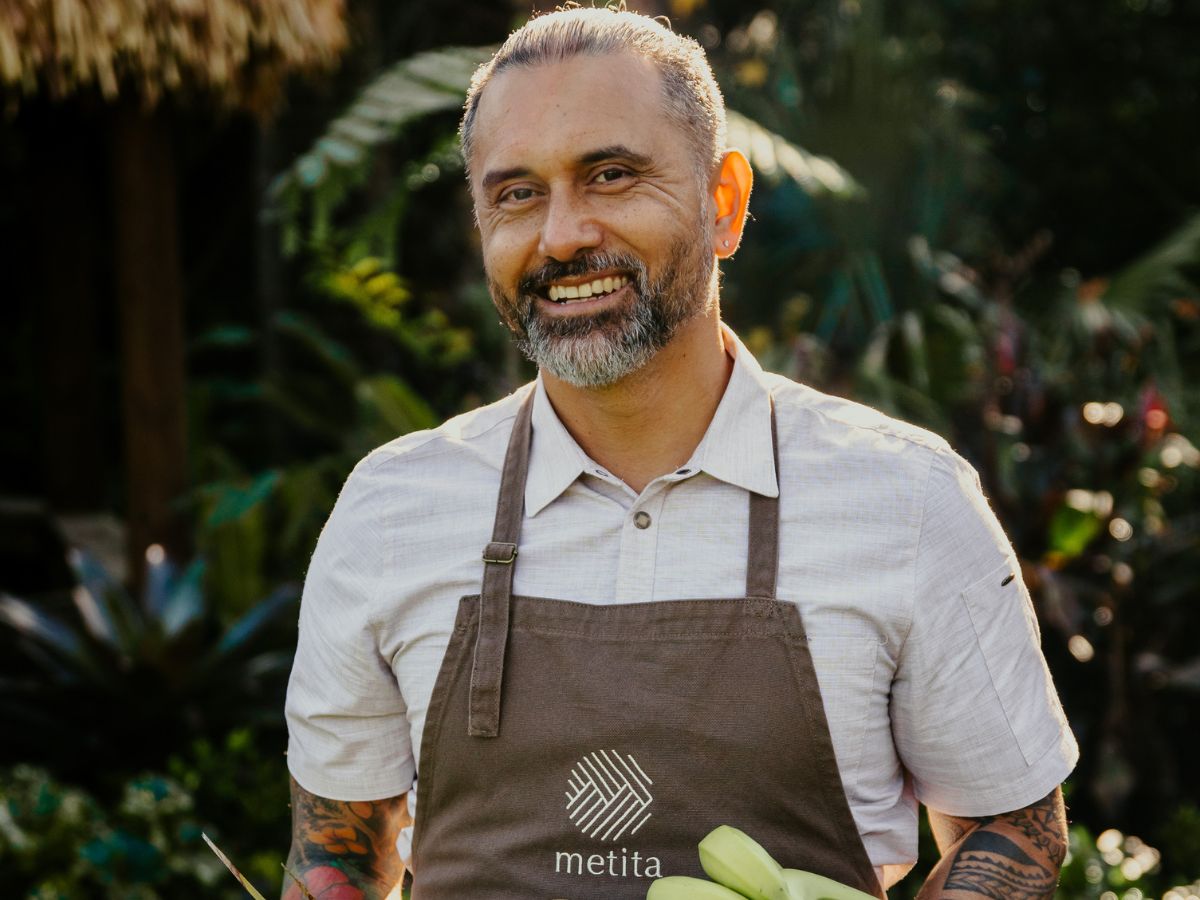
SkyCity has announced award-winning chef Michael Meredith will be joining the Auckland dining precinct with a new Pacific inspired restaurant, Metita, opening in October 2023.
The much-anticipated restaurant will draw inspiration from Michael’s upbringing in Samoa. Its menu has been crafted to highlight sustainably caught seafood and fresh, locally sourced ingredients.
“Metita is a coming together of my Pacific heritage, my food journey and passion for fresh and seasonal flavors,” says Michael.
Metita will hold a special place in Michael’s heart, having been named after his late mother. Michael says, “I always wanted to name a restaurant after my mum. She introduced me to cooking, and gave me a passion that shaped my path in life.”

Richard Seldon, SkyCity Executive Manager, Food & Beverage, says, “Michael is a chef who takes you on a journey with his food, his values and vision. This restaurant is going to elevate how we perceive Pacific food in New Zealand.”
Michael hopes to create new memories of what Pacific food feels like, reimagining traditional classic flavors for contemporary tastes.
“Metita will be quite dynamic. I don’t think people will have had Pacific food quite like it before. My aim is for people to walk away having a memorable experience,” said Michael.
Metita will be the third new hospitality opening for SkyCity Auckland this year. Award-winning Indian restaurant Cassia, and a new popular Champagne bar, SkyBar, have recently opened in the precinct.
Metita will be located in The Grand by SkyCity, in the space formerly housed by Gusto at the Grand.
Michael Meredith joins chefs Sid Sahrawat, Nic Watt and Al Brown in the kitchen tomorrow for the sold out SkyCity Matariki Feast event, which sees all four chefs collaborating on a six-course menu.

Your guide to creating a restaurant membership program
As a restaurant owner or operator, you know customer retention and loyalty can help your business thrive over the long term. If you’re looking for a new way to encourage repeat business and build a community, consider one of the newest trends in the food-service industry: restaurant membership programs.
What’s a restaurant membership program?
In a restaurant membership program, your customers pay a one-time or recurring fee to gain instant access to exclusive perks or discounts. The benefits vary by restaurant but might include free delivery, food discount codes or invitations to special tasting sessions.
Think of a membership program as a paid version of a traditional loyalty program. Because you collect membership fees, you can afford to provide more valuable perks.
Your restaurant benefits, too. The program creates an additional revenue stream that’s both steady and predictable. Assuming membership stays high, this extra cash flow can create a financial cushion that protects your business against volatility in the industry. And when diners are paying for memberships, they’re more likely to visit frequently to maximize the benefits. This builds loyalty and boosts order volume.
Are restaurant memberships here to stay?
Although membership in a restaurant might seem like a novel idea, the concept isn’t new. Businesses, including Costco, Peloton and Amazon Prime, have been using the subscriptions model successfully for years.
Dining memberships are still an emerging trend. In 2022, PF Chang’s introduced Platinum Rewards. In return for a $6.99 monthly fee, members enjoy benefits such as VIP concierge access, free delivery and extra reward points. Panera Bread’s $11.99-monthly Unlimited Sip Club comes with free delivery and a selection of free drinks.
It remains to be seen whether restaurant subscriptions are sustainable. After all, the perks come at a cost, and there’s always the risk that customers will cancel the membership unexpectedly. Taco Bell manages this uncertainty by offering its Taco Lover’s Pass sporadically and only for limited periods of time.
Memberships and subscriptions may become an industry staple, but only if restaurants see an adequate return on investment. Independent establishments experimenting with the model have expressed optimism, but they also emphasize the need to control labor and ingredient costs.
How to build a membership program into your customer retention strategy
With a sustainable price point and the right benefits, a membership program can be an effective way to increase your revenue and customer retention rates. Successful memberships are strategically designed to suit your restaurant’s margins, clientele and menu.
1. Choose member benefits
Restaurant membership programs are all about the benefits. To start, figure out what you can offer customers that’s worth the monthly or yearly fee. Consider common perks:
- Free delivery
- Free drinks, sides or dessert
- Priority reservations
- event invitations
- Members-only tasting events
- Dedicated support channel
- Input on new menu items
- Meal kits
- Special monthly takeout meals
If you already have a loyalty program, you might consider adding a premium tier with extra points for each purchase or more valuable reward options.
When choosing benefits, don’t be afraid to get creative. For inspiration, look to the take-care-of-me club at the El Lopo bar in California. When a member arrives, employees automatically bring drinks and dishes that are hand-picked based on the customer’s unique preferences. Members also get free event entrance and the option to try any wine by the glass instead of buying a full bottle.
It’s important to choose perks that are cost-effective for you and valuable to customers. For example, El Lopo gives its members discounted cases of wine — in essence, passing on the restaurant’s wholesale discount. It doesn’t cost the business extra, and customers get access to a perk that’s hard to find elsewhere.
2. Set membership pricing
Once you have a list of potential perks, decide how much you’ll need to charge to make the program worthwhile. The goal is to set a price that’s attractive to customers and beneficial for the restaurant.
Keep in mind that while it’s nice to make a profit on a membership fee, that’s not the only goal; you’re also trying to increase order volume and encourage repeat business.
Say you charge a membership fee of $85 per month and give customers a $100 dining credit plus other benefits that are free for your restaurant, such as priority access to reservations or VIP seating. You lose out on $15, but you also gain a guaranteed $85 in revenue that you might not have gotten otherwise.
Your overall revenue will probably rise as well. McKinsey found that when members pay to join this type of program, they’re 60% more likely to increase their spending at the business.
3. Issue membership cards
Remind guests of their special status by issuing a membership card to everyone who signs up. You can opt for a physical card, a digital card or both. Digital cards are convenient; a physical card is a clever way to keep your restaurant at the top of customers’ minds. When a member glimpses the card in their wallet, it reminds them of their benefits. This small nudge can motivate customers to choose your restaurant instead of a competitor.
The importance of customer experience
The customer experience is a big factor in the success of a restaurant — especially when you cater to locals rather than tourists. A positive, rewarding experience keeps diners coming back. The more you can do to improve guests’ interactions and visits, the easier it is to boost loyalty and retention.
Done well, a restaurant membership program enhances the customer experience. It makes members feel like part of a community, and the perks provide value diners can’t get anywhere else. You can enhance these positive feelings by:
- Greeting members by name
- Remembering members’ preferences and providing personalized food and drink recommendations
- Hosting members-only discounts and customer appreciation events
- Introducing members to chefs and managers
To ensure members have a great experience whether they’re dining in or ordering out, extend the program benefits to your delivery platform. With Grubhub’s promotions and loyalty tools, it’s easy to set up a rewards system that operates automatically.
How to encourage diners to sign up for your loyalty program
When your membership program is ready to launch, it’s time to start marketing it to customers. Promote the membership incentives on your:
Each time you mention the program, let customers know how they can sign up. Consider adding a small sign to each table with a QR code; diners can join before they place their orders and start using their benefits right away.
Want to build a buzz? Offer the first memberships to a select group of regulars. This strategy creates a sense of exclusivity — and as word gets out, it’s likely to inspire curiosity and desire among other customers. Ask your first group for feedback about the program; you’ll give them a sense of ownership and encourage long-term participation. After you open the program to the public, you might offer special “founders” benefits to your original members as a thank you and an incentive to stay.
You can also use the customer data your restaurant collects to promote the program to past diners. Simply send out an email or text with a link to the sign-up page. If you use Grubhub for Restaurants or Grubhub Direct, your customer data is always available in the Customer Insights dashboard. Whether you run a national chain or an independent restaurant, Grubhub can help you promote your membership program to more customers. Ready to grow your business? Sign up for Grubhub today.
Angel Food seeks crowdfunding for expansion plans –
Angel Food, believed to be New Zealand’s #1 plant-based food brand, has announced its latest crowd funding raise, which will launch PledgeMe on Monday June 19.
Angel Food is looking to raise a minimum of $200,000 (for a 4.17% share of the company) with a maximum raise of $500,000 (for a 9.8% share of the company). The minimum investment is $331.00 (for 10 shares at $33.10 per share). The share offer will close on July 3 (or when fully subscribed, if earlier).
The capital raised will be used for investment in marketing, innovation (including the continued improvement of existing products and new product development), and talent resources (including the procurement of an experienced GM), while also helping the brand prepare for its launch into Australia in 2024.
Angel Food is Aotearoa’s largest and most experienced plant-based cheese company, going strong for 17 years. Founder and CEO of Angel Food, Alice Shopland (an entrepreneurial vegan activist), and her team have been championing the benefits of embracing plant-based foods long before plant-based and vegan diets were mainstream.
The company’s says the brand and products resonate with ‘flexitarians’, a newer and much larger market, who are discovering that Angel Food’s products make plant-based eating easy.
Angel Food’s core product focus is dairy-free cheese alternatives, with a production of more than 130 tonnes of cheese per year. Angel Food decided to focus its product range on dairy-free cheese given that it’s a key ingredient in a wide variety of recipes and meals, and they launched their first plant-based cheese commercially made in Aotearoa in 2015.
Angel Food has distribution across an estimated 1000+ food service outlets across New Zealand, including all grocery chains plus cafes, restaurants, and quick-service restaurants.
Angel Food is looking to export its products, starting with Australia, and hopes to become the leading plant-based food brand in Australia within the next few years. Angel Food anticipates that its Australian launch will require $1m NZD investment, and this raise will be the first stage of a stepped approach to ensure that they can maximize value for their shareholders at each stage of investment.
The company has a current valuation of $4.6m NZD.* Angel Food’s crowdfunding rounds in 2015 and 2019 have enabled the company to grow fast and establish its leadership position within the plant-based foods sector while the category was in its infancy. To be consistently profitable, Angel Food is aiming for its revenue to exceed $5m NZD, which they believe they will achieve.
*Founder and CEO of Angel Food, Alice Shopland, said: “We’re excited to offer potential investors the opportunity to support our purpose-led brand. Despite a few tough years, we’re still #1 in retail and remain New Zealand’s leading plant food brand. Our investors will help us to continue our positive trajectory, while giving us the resources we need to grow and evolve the business to deliver the greatest impact. Now more than ever, we remain committed to our mission of making it easier for more people to choose plant-based meals more often. Where other plant-based categories – like milks, yogurt, and ice cream are mature and crowded, plant-based cheese is still in its infancy – there is still lots of room for growth. We have great distribution in Aotearoa, and we want to share our range of delicious plant-based products with the world, starting with Australia.”
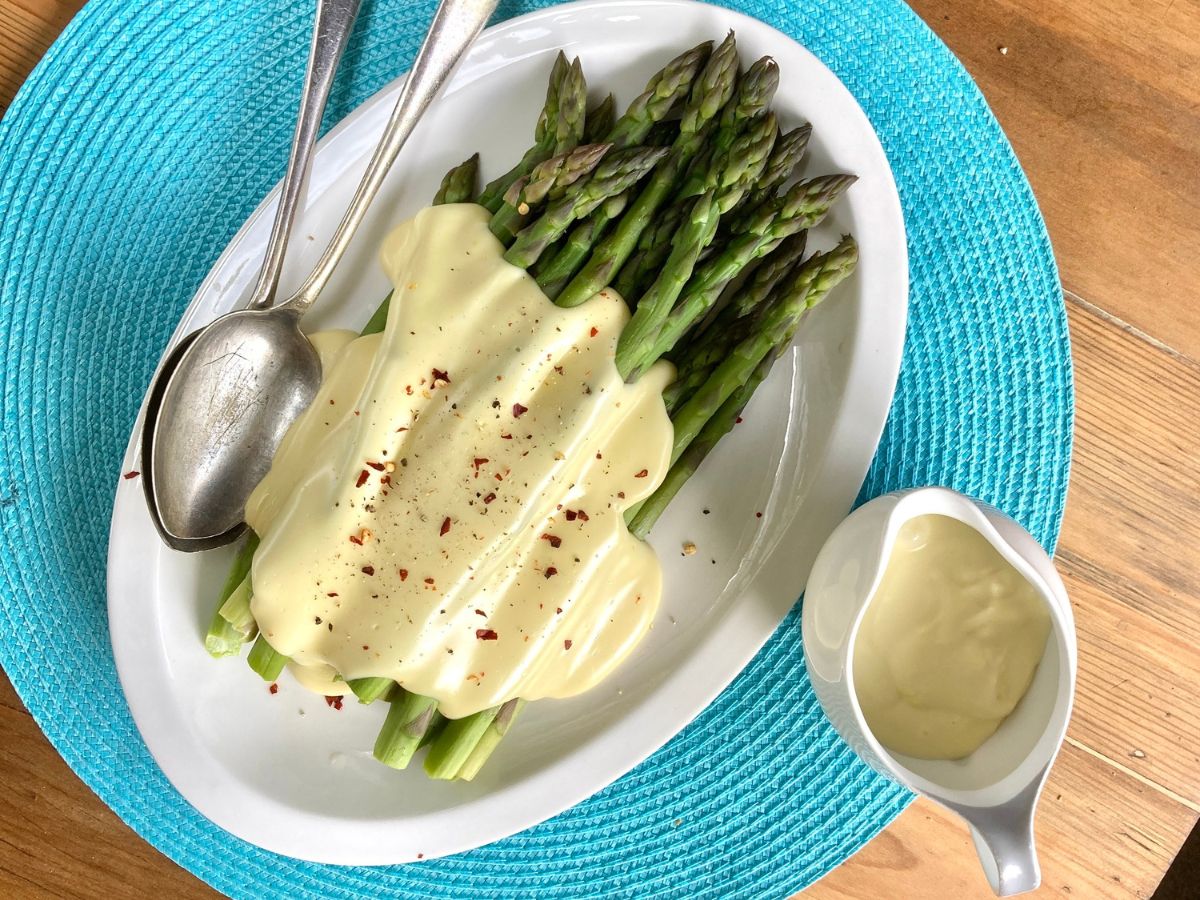
MAYO CHEESE SAUCE RECIPE FROM ANGEL FOOD
Ingredients:
½ C vegan mayo
½ C plant-based milk
½ C Angel Food plant-based cheddar, grated
Salt to taste
Methods:
- Melt all together the ingredients. You can blend it with a stick blender or in a food processor for a super-smooth result.
- Taste for seasoning and add salt as desired.
- Serve hot.

HNZ23 Hospitality and Accommodation Conference –
The industry-led event of the year showing innovative trends, industry insights, and networking opportunities for the hospitality and accommodation sector.
The HNZ23 Hospitality and Accommodation Conference is an eagerly anticipated event that brings together professionals from the hospitality and accommodation sector. This immersive conference, organized by Hospitality New Zealand, offers a unique platform for industry leaders, experts, and enthusiasts to explore the latest trends, gain valuable insights, and network with like-minded individuals.

The HNZ23 Conference has partnered with Maximum Occupancy, a renowned organization dedicated to the accommodation industry. This collaboration introduces a dedicated accommodation stream, ensuring that participants in the conference have access to specific content and discussions tailored to their needs and interests.
The Maximum Occupancy team brings a wealth of knowledge and expertise in the field of accommodation, offering attendees invaluable insights into the latest industry developments. With their extensive experience, they are well-equipped to provide practical tips, strategies and best practices to enhance the performance and profitability of accommodation businesses.
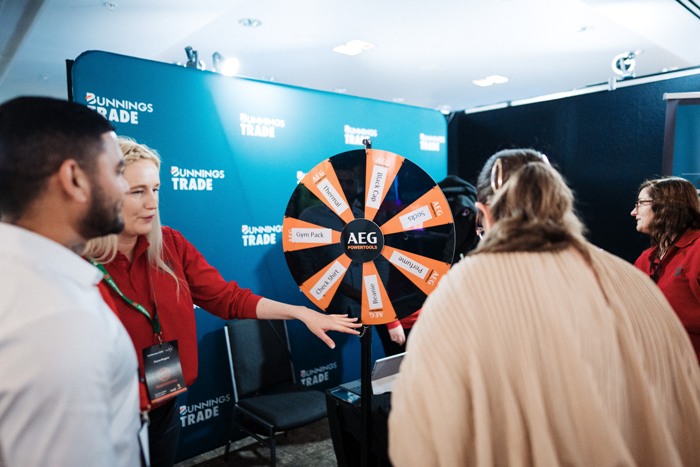
The accommodation stream at the HNZ23 Conference promises to deliver engaging sessions that cover a wide range of relevant topics. Participants can expect to delve into discussions about effective revenue management techniques, the impact of emerging technologies on the accommodation sector, sustainable practices, guest experience enhancements, and much more.
Moreover, this dedicated stream provides an excellent opportunity for professionals in the accommodation industry to connect and engage with peers, mentors, and potential collaborators. Attendees can expand their network, forge valuable relationships, and exchange ideas with fellow accommodation providers, industry experts, and thought leaders.
In addition to the accommodation stream, the HNZ23 Hospitality and Accommodation Conference offers a comprehensive program with a diverse array of sessions. From keynote speeches by influential figures to interactive workshops and panel discussions, the conference ensures a rich and dynamic learning experience for all participants.
Attendees will have access to a vibrant exhibition area, where they can explore the latest products, services, and innovations offered by industry suppliers and solution providers. This presents an excellent opportunity to discover new tools and technologies that can streamline operations, enhance guest satisfaction, and drive business growth.
Find out more at https://www.hospitality.org.nz/s/conference and secure your tickets to the biggest Hospitality and Accommodation event of the year.
Park Hotels & Resorts Inc. (NYSE:PK) Shares Sold by Dimensional Fund Advisors LP
 Dimensional Fund Advisors LP decreased its holdings in Park Hotels & Resorts Inc. (NYSE:PK – Get Rating) by 4.9% in the fourth quarter, according to its most recent filing with the Securities and Exchange Commission (SEC). The institutional investor owned 2,908,699 shares of the financial services provider’s stock after selling 148,720 shares during the quarter. Dimensional Fund Advisors LP’s holdings in Park Hotels & Resorts were worth $34,293,000 as of its most recent SEC filing.
A number of other institutional investors have also recently made changes to their positions in the business. Treasurer of the State of North Carolina boosted its position in shares of Park Hotels & Resorts by 1.3% in the 4th quarter. Treasurer of the State of North Carolina now owns 96,741 shares of the financial services provider’s stock worth $1,141,000 after purchasing an additional 1,230 shares in the last quarter. HighTower Advisors LLC raised its stake in Park Hotels & Resorts by 35.9% in the 4th quarter. HighTower Advisors LLC now owns 25,685 shares of the financial services provider’s stock worth $305,000 after acquiring an additional 6,790 shares during the last quarter. Coombe Bender & Co LLC raised its stake in Park Hotels & Resorts by 2.3% in the 4th quarter. Coombe Bender & Co LLC now owns 269,042 shares of the financial services provider’s stock worth $3,172,000 after acquiring an additional 6,082 shares during the last quarter. Van ECK Associates Corp raised its stake in Park Hotels & Resorts by 79.9% in the 4th quarter. Van ECK Associates Corp now owns 23,250 shares of the financial services provider’s stock worth $274,000 after acquiring an additional 10,326 shares during the last quarter. Finally, Russell Investments Group Ltd. raised its stake in Park Hotels & Resorts by 2.4% in the 4th quarter. Russell Investments Group Ltd. now owns 482,138 shares of the financial services provider’s stock worth $5,684,000 after acquiring an additional 11,212 shares during the last quarter. Institutional investors and hedge funds own 89.42% of the company’s stock.
Wall Street Analyst Weigh In
A number of equity analysts recently issued reports on the company. Truist Financial raised their target price on Park Hotels & Resorts from $19.00 to $20.00 in a research note on Tuesday, May 2nd. Deutsche Bank Aktiengesellschaft lifted their price objective on Park Hotels & Resorts from $20.00 to $21.00 in a research note on Tuesday, May 2nd. TheStreet upgraded Park Hotels & Resorts from a “d+” rating to a “c” rating in a research note on Wednesday, February 22nd. Morgan Stanley reduced their price objective on Park Hotels & Resorts from $14.00 to $13.00 and set an “equal weight” rating for the company in a research note on Monday, April 17th. Finally, Wells Fargo & Company cut Park Hotels & Resorts from an “overweight” rating to an “equal weight” rating and dropped their target price for the company from $17.00 to $12.50 in a research report on Thursday, March 30th. Eight investment analysts have rated the stock with a hold rating and one has assigned a buy rating to the company. According to data from MarketBeat.com, the stock currently has a consensus rating of “Hold” and an average target price of $17.55.
Park Hotels & Resorts Trading Up 0.4 %
PK stock opened at $12.99 on Friday. The company has a current ratio of 3.05, a quick ratio of 3.05 and a debt-to-equity ratio of 1.09. Park Hotels & Resorts Inc. has a 12-month low of $10.70 and a 12-month high of $19.47. The stock has a market cap of $2.80 billion, a price-to-earnings ratio of 11.70, a PEG ratio of 0.70 and a beta of 1.95. The business’s 50-day moving average is $12.46 and its 200 day moving average is $12.70.
Park Hotels & Resorts (NYSE:PK – Get Rating) last issued its earnings results on Monday, May 1st. The financial services provider reported $0.15 earnings per share for the quarter, missing the consensus estimate of $0.32 by ($0.17). The company had revenue of $648.00 million for the quarter, compared to analyst estimates of $617.04 million. Park Hotels & Resorts has a return on equity of 5.90% and a net margin of 9.44%. The company’s revenue for the quarter was up 35.3% on a year-over-year basis. During the same quarter in the prior year, the firm earned $0.08 earnings per share. On average, sell-side analysts anticipate that Park Hotels & Resorts Inc. will post 1.93 EPS for the current fiscal year.
Park Hotels & Resorts Cuts Dividends
The business also recently announced a quarterly dividend, which was paid on Monday, April 17th. Stockholders of record on Friday, March 31st were issued a dividend of $0.15 per share. This represents a $0.60 annualized dividend and a dividend yield of 4.62%. The ex-dividend date of this dividend was Thursday, March 30th. Park Hotels & Resorts’s dividend payout ratio is currently 54.05%.
Park Hotels & Resorts Profile
(Get Rating)
Park Hotels & Resorts, Inc operates as a real estate investment trust, which owns and operates hotels and resorts. It operates through the Consolidated Hotels and Unconsolidated Hotels segments. Its portfolio of hotels and resorts includes the Waldorf Astoria Hotels and Resorts, Conrad Hotels & Resorts, Hilton Hotels & Resorts, DoubleTree by Hilton, Embassy Suites by Hilton, Hilton Garden Inn, Hampton by Hilton, and Curio.
Recommended Stories
Want to see what other hedge funds are holding PK? Visit HoldingsChannel.com to get the latest 13F filings and insider trades for Park Hotels & Resorts Inc. (NYSE:PK – Get Rating).
Receive News & Ratings for Park Hotels & Resorts Daily – Enter your email address below to receive a concise daily summary of the latest news and analysts’ ratings for Park Hotels & Resorts and related companies with MarketBeat.com’s FREE daily email newsletter.
Reusable milk kegs launched today will eliminate thousands of single-use bottles –
An innovative reusable milk keg could see the average New Zealand café eliminate up to 10,000 single-use milk bottles a year.
The Udder Way officially launched in New Zealand today, ahead of World Milk Day – June 1, which this year focuses on how the dairy industry is reducing its environmental footprint.
The Tasmanian company has joined forces with Waikato owned and operated Green Valley Dairies, which is filling the reusable milk kegs in New Zealand with organic and non-organic milk.

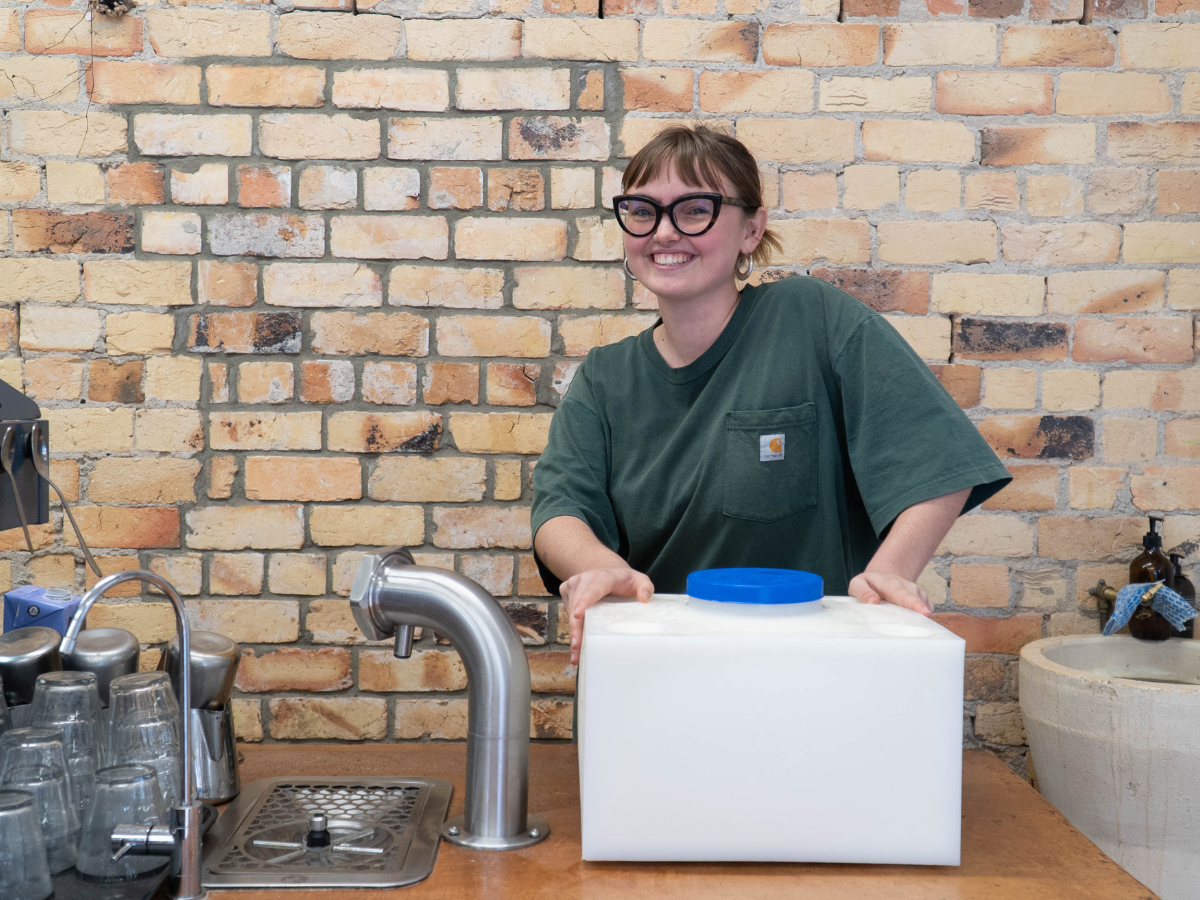
Each The Udder Way keg holds 18 liters of milk and has a lifespan of at least eight years before being recycled and turned back into kegs. This allows the average café to eliminate 7000 to 10,000 milk bottles a year.
Green Valley Dairies general manager Mark Pulman says that the innovative milk kegs are unlike anything he has seen before and are a big win for the dairy industry, hospitality sector and the environment.
“This is the most exciting reusable packaging solution we have come across. It’s great to have an alternative option that’s specifically designed for both the dairy and food service industries, with all the relevant certifications. We’re also proud to be playing our part in helping our customers reduce their environmental footprint,” says Pulman.
The idea for the reusable milk kegs came to The Udder Way founder Ed Crick while he was running three cafes in Tasmania.
“We were going though almost 30,000 plastic milk bottles a year, which really concerned me. We were making the effort to use things like sustainable coffee cups and henceforth our bins were overflowing with plastic bottles,” says Crick.

So, the former tradition started dreaming up ways to eliminate the need for single-use plastic milk bottles. In 2021, he launched The Udder Way in Australia, with the mission to eliminate 100 million single-use plastic milk bottles globally, per year.
“Two years on from launching our kegs in Australia, we’re now removing around 1.6 million milk bottles from waste a year. With more and more businesses coming on board every day on both sides of the Tasman, we anticipate that number to triple by the end of 2023,” said Crick.
Daily Bread is one New Zealand business which has signed on to use The Udder Way milk kegs.
“We’re always looking for ways to reduce our environmental footprint, so the decision to change to The Udder Way milk kegs was a no brainer. It’s actually amazing! The kegs are easy to use, take up less space than milk bottles and create much less waste at the end of each day,” says Daily Bread manager Emily Hancock.
The Udder Way kegs can be connected to existing milk dispensing units or a simple tap system can be provided, allowing baristas to easily pour milk without the waste and clutter of plastic milk bottles.

For more information or to order milk in kegs, visit www.theudderway.com or www.gvd.co.nz

How to Create a Compelling Kids’ Menu
Whether ordering in or eating out, mealtimes are often a family affair. Creating a menu specifically designed for kids makes the entire experience much easier for all involved. Does your restaurant have kids meals that have them asking for seconds?
The best children’s menus are both kid-friendly and parent-approved, so here are five kids’ menu ideas to help you please the whole family.
5 menu items you need in your kids meals
What makes a kids meal different from a regular menu is that it’s catered towards kids’ pallets, keeps portions smaller and often comes with a side. Parents appreciate when meals are holistic, keeping in mind nutrients and ingredients. Creating kids meals with a variety of popular mains and a choice of sides keeps kids full and parents happy.
Here are five dishes kids enjoy:
- Mac and Cheese
The gooey combo of melted cheese and macaroni noodles is one no kid can resist, making it a staple on any kids menu. Mac and cheese is the perfect item to let your chef get creative – use fun noodle shapes, combine cheese, add protein or finish with parmesan. Including a dairy-free cheese option or a gluten-free noodle substitute can help make sure this menu item can be enjoyed by all.
Spice up this popular “safe” option with healthy sides like chopped veggies or a cup of fruit. Parents will be thankful for the extra nutrition, and including a free side will make customers feel like they’re getting a good deal.
- Sliders and hot dogs
You can’t go wrong with hot dogs and hamburgers, no matter the season. Make this classic barbecue unique by serving it up in kid-friendly sliders. Offer turkey burgers or veggie dogs to accommodate those with dietary restrictions.
Provide a few sauce options so that the kiddos can dip their bite-sized mains into ketchup, honey mustard or an aioli. Giving kids the power to select what sauces they want can ensure you’re serving them what they like while avoiding wasting ingredients they won’t touch.
- Build-your-own tacos
The best way to satisfy picky eaters is to give them options, and tacos are the perfect food choice. Let kids pick from a variety of fillings, and bring out their choices in separate bowls. Provide a few mini tortillas so that the kids can experiment with their creations. Keep sauce portions small, and try toning down the spice level for young pallets.
- Chicken
While this game may seem basic, the preparation options are endless – keeping all types of little eaters satisfied. Stick to the classics with chicken fingers, or get creative with dino nuggets. You can also size down your most popular adult chicken dish to give kids a chance to try it in an approachable way.
A chicken dish isn’t complete without sides. Give a variety of fun and healthy options for kids to choose from like sweet potato fries, maple roasted carrots, parmesan broccoli or zucchini tots.
- Customizable pizzas
Pizza is another kid-favorite that is sure to be a kids meal hit. Want to take the classic cheese pizza to the next level? Give kids different topping options and create a fun design on the pie with their chosen toppings.
Save money on ingredients and limit food waste by creating an 8-10 inch personal pizza. If you want a healthy take on this quick service classic, try serving flatbreads or whole wheat crusts. Parents will appreciate the nutritional value, and kids may not notice the difference.
How to design a kid-friendly restaurant
Including the perfect kids meal dishes is just the beginning to create a kid-friendly restaurant environment. Here are some other ingredients you need in your recipe for success:
Offer Healthy Options
In kids’ food trends, we’re seeing staple menu items such as macaroni, cheeseburgers and pizza getting phased out in favor of more health-conscious options. Opt for alternatives such as veggies, fruit and lean meat, which are sure to win parental approval. Additionally, consider offering gluten-free or dairy-free options for kids with allergies or dietary restrictions.
Keep with the Theme
There’s no need to reinvent the wheel. Your kids’ menu doesn’t have to stray too far from your other offerings. Offer some of your staple choices in smaller portions that appeal to younger diners. This is especially important for older children who want to act (and eat) more like adults.
Offer combos (and allow for substitutions)
Allow kids to customize their kids meals by offering combo options. For example, let kids pick out their favorite entrée and two sides from a list of options. The best combo menus make it easy for parents and children to avoid certain ingredients – like gluten or meat – to easily accommodate dietary restrictions. If combos are a bit too complicated for your menu, you can still appeal to picky eaters by allowing for easy substitutions.
Keep it Punchy
Kids can have short attention spans, especially when it comes to making decisions. Long descriptions and wordy phrases can cause them to quickly lose interest. Keep descriptions short and to the point to please parents and budding readers alike. Eating is a full sensory experience. Add fun images to make the ordering experience even easier for the little ones.
Make the food fun!
Fun food for kids is key! There are plenty of ways to bring creativity into kids’ cuisine. Here are a few fun ways to make your restaurant kid-friendly:
- Make shapes out of fruit or faces out of veggies
- Use kid-friendly food coloring to play with color in items like drinks or bread
- Serve up your dishes on fun plates to encourage them to eat their meal to discover what’s underneath
- Pack kids take-out drinks in fun cups they can keep
- Create an interactive kids menu with games, coloring and crayons
- Provide high chairs to make it easy for kids to dine at the table
List your kids meal on Grubhub
Kids’ menu orders have grown 40% each year since 2012, which proves that kid-friendly foods are in high demand. Restaurants that can successfully enter those with little appetite will reap big benefits in the long run.
Are your kids meals ready to go? Partner with Grubhub to get your menu on Grubhub Marketplace so customers can enjoy your food on the go. Ready to reach new customers and grow your business with Grubhub? Signup today!

8 of the best local dining spots in Waikiki
A trip to Hawaii is surely memorable but not exactly cheap.
A 2023 analysis of a seven-day trip from Los Angeles to Honolulu during shoulder season for a family of four people staying at a three-star hotel can easily cost over $5,700 – including meals, transportation and activities.
Where can you cut costs? Food.
Most visitors who visit Hawaii opt for Honolulu, and chances are, they’re staying in Waikiki – home to over 900 lodging properties.
While many hotels have great dining options, they tend to be expensive, so you probably don’t want to dine there every night. You may also not want to hit up chain restaurants like PF Changs or Cheesecake Factory if you can find them back home. Wouldn’t you rather go to spots offering a more authentic taste of the islands?
If you know where to look, Waikiki has many hidden gems for affordable and delicious dining – many of which are owned and beloved by locals.
Here are some delicious, locally approved cheap eats in Waikiki. Everything on the list costs around $15 or less.
Is it expensive to island hop in Hawaii? Here’s how to save money and fly between islands.
Heading to Hawaii: Hawaiian Airlines added more flights to the islands this summer from Los Angeles, Boston and more
Marugame Udon
If you’re wandering along Kuhio Avenue, you’ll likely spot a long line of hungry people on the sidewalk. They’re waiting for Marugame Udon, a longstanding staple of Waikiki. If you’re eating here, you want cheap and delicious food, not exactly a sit-down dining experience.
The Japanese chain restaurant serves authentic udon noodles in flavorful broths, served up cafeteria-style. Guests order their choice of udon in regular ($6.50) or large ($7.50), then grab whatever sides, like different tempuras, including shrimp, chicken and asparagus, and musubi (usually around $2.50 each).
The restaurant moves quickly: once you get your food, snag an empty table, slurp up the noodles then hustle out for the next set of diners.
Maguro Spot

Maguro Spot is a hole in the wall with a wide selection of poke, which is marinated raw fish over a bed of rice, at reasonable prices – it’s the perfect pre- or post-beach meal.
You can make your own poke bowl or order one of their recommended combinations. Definitely go for the creamy sesame sauce, which isn’t offered at other poke shops around the island.
A medium poke bowl goes for $12 and is enough to fill you up for lunch or dinner.
K Street Food

On Kalakaua Avenue is the recently opened food hall called STIX Asia, where CEO Frank Clark said he wanted to educate guests on different Asian foods at approachable prices.
“Our goal was to have a family of four eat for under $100,” he told USA TODAY.
K Street Food is a casual restaurant serving authentic Korean street food. For something filling but not heavy, the kimbap – Korean sushi made with savory ingredients like spam, fish cake, egg and cucumber – goes for $12.99. If you really want a Korean street food experience, opt for a rice dog ($8.99-10.99, depending on what kind you get), which is a corn dog made with rice flour.
Sustainable Hawaii tourism: What it’s like to stay at Kauai’s first zero-waste hotel
Get off the beaten path: This little-known beach town in Hawaii is the perfect getaway
Baikohken Ramen
Fellow STIX restaurant, Baikohken Ramen, is the sister restaurant to a Hokkaido location that was recognized in the Michelin Guide Hokkaido 2012 and 2017. Its shoyu ramen is filling and has a deep soy sauce flavor ($15.48). The portion is pretty big too, topped with chashu pork that was marinated in soy sauce overnight, and bamboo shoots.
Musubi Cafe Iyasume
If you’re headed to the beach, stop by one of three Waikiki Musubi Cafe Iyasume locations for this beloved musubi shop for a quick, handheld meal.
Onigiri, or musubi, are Japanese rice balls with ingredients like Spam (a Hawaiian favorite), cooked fish, shrimp tempura, egg, fried chicken and more wrapped inside.
Once you enter the small shop, you’ll see rows of countless types of onigiri. Depending on what kind of musubi you get, it can range from $2 to $5. Grab two or three for a beach day, throw them in your bag, and you’re all set.
Topped Waikiki

In 2015, Honolulu chef Justin Sok was serving up bibimbap cups and kalbi short ribs at a food stall at King’s Village farmer’s market in Waikiki before opening up a restaurant in Chinatown in 2017. While that location has closed, you can now find his satisfying Korean. -inspired dishes at Topped Waikiki, many of which are under $15.
The spicy pork mayo bowl with juicy braised pork, a scrambled egg and pickled onions over a bed of white rice is drizzled with teriyaki, Korean chili sauce and mayo ($10.99).
Vegetarians, or those who want something a bit healthier, opt for the tofu bibimbap, which uses tofu instead of meat ($11.99).
Rainbow Drive-In
If you’re willing to go on a longer stroll, head off the main strip of Waikiki to Rainbow Drive-In on Kapahulu Avenue. Since 1961, this eatery has been offering residents and visitors alike a plate lunch fare, a hearty meal consisting of rice, macaroni salad and meat like BBQ pork or fried mahi-mahi fish ($11.75-$13.50).
If you’re really hungry, opt for the loco moco, another local favorite, consisting of rice and a hamburger patty topped with a fried egg and gravy ($11.75). Take some time to digest and snap a picture of the iconic neon sign before heading back to Waikiki.
Kids will love cooling off with a slush float, a Strawberry Icee with a scoop of vanilla ice cream ($4.75 for a small).
Sunrise Shack

If you have a big breakfast, have plans for a nice dinner, or want something lighter but still filling, head over to the Sunrise Shack at the Outrigger Waikiki Beach Resort, located steps off Waikiki Beach since 2018.
Owned by a few North Shore surfers, this shop serves healthy tropical-inspired smoothie bowls and smoothies. The classic acai bowl ($11.95) is a decently sized frozen blend of acai, topped with gluten-free granola, banana, coconut flakes, dragon fruit sauce and honey.
More like this:
Kathleen Wong is a travel reporter for USA TODAY based in Hawaii. You can reach her at [email protected]
This article originally appeared on USA TODAY: Budget travel to Hawaii: 8 best cheap eats in Waikiki under $15