

Cold food storage: benefits, challenges and considerations
Cold food storage is a fundamental aspect of food safety. If you’re operating a restaurant or managing a commercial kitchen, it’s critical to learn the basics of cold storage and understand how it can help you deliver a safe, efficient food service experience for your customers.
What is cold food storage?
Cold storage is the process of storing perishable food items at a low temperature to maintain food safety and improve food preservation. Foods that require cold storage include meat, cheese, fruits, vegetables, eggs, fish and dairy products such as ice cream.
You’ll find cold storage facilities and equipment throughout the food and restaurant industries. As foods make their way from a farm, processing plant or manufacturing facility to the end buyer, they’re often transported in refrigerated vehicles. Along the route, they may be kept temporarily in cold storage warehouses. This network is typically called the cold chain.
Individual restaurants and grocery stores also use cold food storage on a smaller scale. This might include commercial freezers and refrigerators; larger restaurants may opt for walk-in freezers or refrigerators, which are also known as cold rooms.
Why is it important to store food in cold storage?
Cold storage helps prevent food poisoning in your restaurant — an important consideration, given that 1 in 6 Americans get sick from food-borne diseases every year. Low temperatures inhibit the growth of bacteria and pathogenic microorganisms, keeping food safe until you’re ready to prepare it. The cold, controlled environment also keeps parasites out and slows down processes that cause food to spoil, including enzyme reactions, oxidation and light exposure.
Maintaining correct food temperature levels also affects your bottom line. Cold storage helps prevent perishable foods from going bad, so you can save money on food spoilage.
Benefits of cold food storage
As a restaurant owner, investing in a high-quality cold storage system comes with a few important benefits:
- Keeps customers safe. By reducing the risk of food poisoning bacteria, you can create a better customer experience and maintain a positive reputation.
- Complies with industry regulations. Health inspectors look closely at how your restaurant stores foods. Sticking to proper temperature levels helps you stay compliant with the food code.
- Reduces food waste. Cold storage slows down the spoilage rate for foods, which reduces food waste.
- Lowers your prices. When you’re not wasting money on cold foods, you can pass the savings on to your customers.
- Improves food quality. Low temperatures slow the deterioration rate of food, ensuring high-quality taste, texture and appearance for longer.
7 cold storage best practices
Many restaurants develop unique cold food storage systems to suit their order volume, menu, workflow, and available space. Whether you’re using an enormous walk-in or a collection of smaller refrigerators and freezers, standard best practices can increase food safety.
1. Avoid the temperature danger zone
According to the USDA, the “danger zone” ranges from 40ºF to 140ºF. When food reaches these temperatures, bacteria grow quickly — in fact, it can double in just 20 minutes. Make sure your refrigeration units are always below 40ºF, keep freezers at a minimum of 0°F, and avoid leaving food out for too long. As a rule of thumb, perishable items should never be out for more than 1 to 2 hours, depending on the room temperature.
2. Constantly maintain and monitor your storage temperature
As with any other electronic device, cold-storage equipment needs regular maintenance. Monitor your refrigerators and freezers consistently using a separate internal thermometer. If you notice that the temperature is starting to rise in a refrigeration unit, bring in a repair person immediately. A proactive approach can head off major problems, saving money and preventing food loss.
3. Organize foods according to their required degree of cooking
Proper cold-storage organization can help prevent cross contamination between foods. Items that can be eaten right out of the fridge, including packaged desserts and cut vegetables, should be stored on the top shelf. The foods that require the highest cooking temperatures should always be on the bottom — that way, they’re less likely to drip on other foods and transport bacteria.
From top to bottom, here’s where you should place each type of prepared and raw food in the refrigerator based on the required cooking temperature:
- Washed produce and other foods that are ready to eat
- Items that will be put in hot food holding
- Eggs, seafood and raw meats including beef, lamb, veal and pork
- Marinated, tenderized or ground meats and eggs that will go into hot holding
- Poultry and meals that include temperature-controlled ingredients or cooked meat, such as casseroles or stuffing
4. Refrigerator or freeze perishables right away
When you’re receiving a shipment, aim to get perishable items into a cold storage space as soon as possible to minimize warming, reduce bacteria growth and help food stay good for longer. The same goes for food prep; ask your kitchen staff to return unused portions to the fridge or freezer quickly.
If you need to store cooked food in the refrigerator or freezer, aim to do it within 2 hours. If your kitchen is 90ºF or warmer, transfer food to cold storage within 1 hour. You don’t need to wait for it to cool first — just put it in a shallow container to help it cool down faster in the fridge.
5. If you lose electricity, keep doors closed as much as possible
Reduce food loss during a power outage by keeping refrigerator and freezer doors closed. Every time you open the door, it lets in warmer air and increases the internal temperature. When the power comes back on, check the internal thermometer — if the temperature is below the danger zone, your food is still safe to use. If the interior is too warm, you’ll need to dispose of all the food to prevent foodborne illnesses.
6. Allow circulation
As you place food in the refrigerator or freezer, don’t pack the space too full. Leave room for air to circulate and keep the food cool. If your inventory size doesn’t allow for extra space, you may need to invest in additional refrigeration units.
7. Labels and date everything
It’s easy to lose track of use-by dates in a busy restaurant kitchen. To make sure you’re not keeping foods too long in the refrigerator, label everything with large, easy-to-read dates. Then, train your kitchen crew to use the oldest items first. This practice, which is called first in, first out (FIFO), can reduce food waste and improve food safety.
While you’re labeling food for freezing, make sure it’s packaged correctly. To prevent freezer burn on frozen food items, use freezer bags; standard plastic bags and plastic wrap may allow too much air in.
Improving food safety at your restaurant
Proper cold food storage is one of the best things you can do to improve food safety and protect your inventory. Your delivery strategy matters, too; keeping prepared food hot, both while awaiting pickup and in transit, can stave off harmful bacteria and maintain excellent quality.
Grubhub can help — every aspect of our platform and delivery process is optimized to help your restaurant provide a safe and healthy dining experience. The Grubhub system finds a delivery driver while your cooks are preparing the food, ensuring fast pickup. To reduce heat loss during the journey, Grubhub drives store meals in insulated delivery bags. If your restaurant can benefit from fast, efficient delivery, partner with Grubhub today.

15 summer drink menu ideas for the 2023 season
Summer is the perfect time to revisit your restaurant menu design and come up with new ways to delight guests. The best place to start? The summer drink menu. Whether you serve locals or tourists, a brand-new beverage lineup can be just the thing you need to boost business in the summer months.
What is the value of a seasonal drink menu?
Your restaurant patrons grow accustomed to your regular beverage list over time; a seasonal drink menu shakes things up, keeping diners engaged and eager to return. This is a particularly effective strategy in the summer — slower schedules and a vacation mindset mean diners are often looking for reasons to relax with friends.
A seasonal menu is also an opportunity to experiment with new flavors and summer drink recipes. Celebrate the sunshine by adding berries and fresh fruits; when they’re in season, they’re more delicious and cost-effective.
How to create a great summer drink menu
As a restaurant operator, you know a new menu item impacts many aspects of the business. To make sure the new summer drink list works for your customers, your staff and the bottom line, use these tips:
- Use ingredients that are in season. Look for ingredients that are in season in your region — because they don’t need to be shipped as far, they’re often more affordable. If you can find fruits or herbs that are unique to your area, it’s a great way to add a local twist to your summer drink menu.
- Add menu items that complement your drinks (or vice versa). Many restaurant customers like to enjoy cocktails with food. Give them plenty of options by including dishes that complement your summer menu. Start with light, fresh options, such as salads, grilled vegetables and food flavored with fresh herbs. If your menu is already packed with summery ingredients, you can choose drinks that pair beautifully with the food.
- Offer non-alcoholic beverages and mocktails. The demand for nonalcoholic drinks is on the rise; in one study, 52% of respondents reported choosing alcohol-free options. A few delicious, beautifully presented mocktails can meet this need while maintaining a celebratory feeling.
- Keep a smaller, limited menu. A small summer drink menu achieves a few important goals: It creates a sense of exclusivity, helps customers choose, and makes life easier for bartenders. Fewer drinks also support your menu engineering process by reducing ingredients and allowing easier inventory management.
- Offer alcohol delivery. If state and city laws allow, offer beverage delivery for your new drinks. Delivery customers will love the opportunity to order a refreshing summer cocktail, and your average order value will increase.
The 15 best drinks for the summer season
Looking for inspiration for your summer drinks menu? Use these classic and modern cocktail recipes as is, or add your own creative spins to help your restaurant stand out.
1. Fresh berry lemonade
Berry lemonade is the perfect summer cocktail for restaurants — you can prepare the fruit component in advance and mix up a big batch every morning. Whip up a sweet syrup by simmering fresh fruit, water and sugar, and store it in the fridge. To prepare the lemonade, simply mix the fruit syrup with water, lemon juice and simple syrup. Use any fruits you have on hand with this recipe; Strawberries, blueberries, and raspberries are especially delicious.
2. Watermelon fresco
There’s nothing quite so refreshing as cold watermelon on a summer day. To recreate that experience in drink form, blend watermelon, lime juice and agave syrup. When a customer orders a drink, serve this blend over ice with club soda and a hint of lime. Make sure to store the watermelon juice in the refrigerator for best results.
3. Gin basil smash
Summer drinks aren’t all about fruit; fresh herbs can also add a bright, fresh flavor to a beverage recipe. The gin basil smash cocktail has just four ingredients: basil, gin, lemon juice and simple syrup. Smash the basil leaves lightly in the bottom of a cocktail shaker, add the other ingredients, and shake. Garnish the drink with another basil leaf for good measure.
4. Mexican mules
Customers who love the classic Moscow Mule recipe will adore this version. Instead of vodka, it uses tequila. The other ingredients — ginger beer and lime juice — stay the same, making this cold drink a cost-effective option if you already have Moscow Mules on the menu. Serve the mix over ice with a lime wedge for a cold, satisfying summer treat.
5. Strawberry daiquiri
With their bright red color and sweet flavour, strawberry daiquiris look as good as they taste. Don’t use a recipe that calls for a premade mix; make your own with fresh strawberries, simple syrup, rum, and lime juice. You can mix this mix with ice for a frozen daiquiri or prepare it in a cocktail shaker and strain. Add a few strawberry slices for a fun garnish.
6. Watermelon martinis
If your restaurant is known for its martini selection, switch things up for the summer with a watermelon version. Muddle mint and fresh watermelon and shake them with vodka and orange liqueur. For a sweeter version, add a splash of simple syrup. A tiny watermelon triangle or a fresh mint leaf makes the perfect garnish.
7. Mango margaritas
Mango is a classic margarita ingredient for summer; it’s sweet and slightly tangy and adds a stunning orange color. To make mango margaritas, add the fruit to tequila, orange liqueur, lime juice and simple syrup to create a rich, well-rounded flavor. Use frozen mango for a blended drink, or use fresh fruit for the shaken version.
8. Paloma cocktail
When customers are looking for a refreshing drink on summer days, the Paloma’s bold grapefruit notes fit the bill. This recipe is extremely easy to prepare — mix tequila with grapefruit juice, lime juice, soda water and simple syrup. Make sure to salt the rim for the perfect finishing touch.
9. Tequila sunrise
Just as its name suggests, this tequila cocktail recipe features the brilliant red, orange and yellow of a summer sunrise. The magic is in the preparation; mix tequila and orange juice in a glass with ice. Pour grenadine into the mix, but don’t stir. As the syrup moves to the bottom, it creates the drink’s signature color gradient.
10. Raspberry mojitos
Pink and bubbly, the raspberry mojito brings a fresh, fruity twist to a classic cocktail. Muddle mint leaves and fresh raspberries and shake with lime juice, rum and simple syrup. Pour the mixture through a strainer and add sparkling water. To dress up the drink, add a lime wedge, fresh raspberries and a mint leaf.
11. Ginger spritz
If you spend time on social media, you know spritzes are the official drink of the summer. Delight customers with a ginger version, which features lime juice and ginger beer or club soda mixed with ginger simple syrup. From there, you can get creative with the recipe — add ginger-infused vodka, sparkling wine or champagne. When it comes to the garnish, add crystallized ginger skewers for an elegant effect or a lime wedge for a pop of color.
12. Pina coladas
With its creamy texture and sweet, fruity flavour, the pina colada is a classic summer drink. Preparation is quick and easy, so you can make it in big batches. Blend rum, pineapple juice and cream of coconut with ice. Add frozen pineapple for more flavor, and squeeze in lime juice for extra depth. Top with a dollop of whipped cream. This drink is delicious without the rum, too, so it’s a good addition to a non-alcoholic menu.
13. Chile-lime pineapple soda
A little spicy and a little sweet, this drink is the perfect option for an upscale bistro. Mix lime juice, pineapple juice, sugar and dried chiles, and allow it to sit in the refrigerator for several hours. Strain the mix over ice, add club soda and top with a light sprinkle of chile flakes for color.
14. Peach-Aperol spritz
Aperol spritz is a popular drink in Italy. Unlike other summer cocktails, it’s not at all sweet. The recipe is simple: mix sparkling white wine, Aperol and club soda, and pour into a glass with frozen peach slices and ice for a fruity cocktail.
15. Gimlets
This vintage cocktail, which was popular in the 1950s, is a simple addition to your seasonal drink menu. Use a cocktail shaker to mix gin, lime juice and simple syrup. Serve it in a classic coupe for an elegant touch.
Grow your business this summer with Grubhub
Once your summer drink menu is ready to go, Grubhub can help you get the word out. When your restaurant is listed on the Grubhub Marketplace, it’s easy to get in front of local diners — users can search by dish or cuisine, and you can reach more people with the built-in loyalty and promotion tools.
If you’re ready to expand your business this summer, join Grubhub today.

7 Tips to help prepare for restaurant patio season
As the temperature rises, diners start looking for ways to enjoy their meals in the sunshine. If your restaurant doesn’t have an outdoor dining area, now’s the time to build one — a patio helps you adapt to warmer weather and increase profitability during one of the busiest times of the year. With the right restaurant patio ideas, you can transform any space into a beautiful, breezy retreat.
How can a patio benefit my restaurant?
Customers love al fresco dining — it’s a chance to enjoy the fresh air and make the most of warm weather. This is particularly true for people with kids; outside, parents don’t need to worry as much about keeping the little ones quiet. A patio is a great way to attract these sun-seeking diners, all while continuing to serve people who prefer to eat inside.
On a practical level, patios expand your restaurant’s seating capacity and enable you to serve more diners. If your city sees an increase in foot traffic during the summer months, this is an effective way to reduce wait time and increase revenue. In fact, research shows that an outdoor patio can increase gross profits by up to 65%.
A patio can also help you keep up with competitors. In a 2023 National Restaurant Association survey, 90% of restaurant owners with outdoor dining are planning to keep it. That’s because customers are demanding it; about 82% of diners would like to see growth in outdoor seating options, and 75% of adults feel safer when dining out.
When your patio is attractive and visible from the street, it serves as an advertisement for your restaurant. Add live music and a special seasonal menu to intensify the impact — the festive atmosphere draws in new patrons and encourages them to stay for after-dinner drinks.
10 tips for making the most of patio season
Whether you have a small dining area next to the street or a rooftop patio with breathtaking views, there are a few things you can do to get the most from your outdoor space.
1. Check local laws and regulations
If your restaurant doesn’t already have a dedicated outdoor dining space, check state and local laws before construction starts. Many areas regulate factors such as patio capacity, location, enclosure, signage and proximity to the restaurant. You’ll likely need to get special permits, especially if you’re planning to build an outdoor bar or other new structures.
That’s not all — local laws will also affect your patio’s smoking policy and your ability to serve alcohol outdoors. If you’re thinking about hosting live music, check the local noise ordinances. Finally, look into laws and regulations regarding pet policies at restaurants; certain states allow it, but you may need to establish rules regarding leashes, hand-washing and waste management.
2. Deck out your patio with the latest decor
The look and feel of your patio has a direct impact on the customer experience. Ideally, your outdoor space should feel like an extension of the indoor dining room but with a slightly more casual vibe. If your restaurant has a romantic atmosphere, for example, you might recreate the effect outside with hurricane candles and white string lights.
As you consider restaurant patio ideas, look for ways to incorporate the latest restaurant decor trends:
- Comfortable mix-and-match outdoor furniture
- Bold lettering and murals
- Photogenic backgrounds for social media
- Warm, comforting tones
- Lush greenery
3. Keep your furniture flexible
Maximize patio space with lightweight, stackable patio furniture. When employees can move tables and chairs easily, they can adjust the seating to accommodate large groups, private events or live music.
Of course, comfort should also be a top priority. Avoid patio chairs that are too delicate; small, hard seats or flimsy frames can be uncomfortable for guests. Instead, look for wide, deep seats that work for a range of body sizes and table styles that hold food easily.
4. Establish ambiance with decorative lighting
Lighting sets the mood; it’s a critical aspect of restaurant patio design. Choose lights that match your restaurant’s aesthetics and atmosphere. Options include:
- Wall sconces
- String lights
- LED strip lights
- Hanging lanterns or pendants
- Globe lights in planters
- Landscape spotlights
- Tiki torches
Aim to fill the space with lighting that isn’t too bright or too dark — while sitting in their chairs, guests should be able to read the menus clearly.
5. Embrace your greenery
Plants are a perfect fit for an outdoor dining area; greenery enhances the natural vibe of the patio and brings life to an urban space. You can also use plants to beautify the commercial patio enclosure, create private dining areas, or conceal fixtures unsightly. Some plants can even repel mosquitoes, which creates a better patio dining experience.
When choosing greenery, consider the required upkeep. Sturdy, low-maintenance plants can stand up to heavy traffic and reduce the workload for your staff.
6. Prepare for inclement weather
Get more use from your patio by preparing the space for different weather conditions. Large patio umbrellas or sun sails provide shade on hot days and light rain protection when it’s drizzling. If space allows, you can also create shade and ambiance with a pergola covered in climbing vines.
To encourage guests to dine outdoors regardless of the weather, invest in temperature-control devices. Roofline fans can create ample airflow, and standing outdoor heaters add just the right amount of warmth on cool, crisp fall days.
7. Designate an area for pickup and delivery
Is your outdoor dining area located near the restaurant’s main entrance? You may need to establish a separate pickup point — especially if you’re listed on a service like Grubhub Marketplace. By distancing the to-go area from regular restaurant traffic, it’s easier to ensure diners and staff aren’t affected by the influx of pickup orders that come with nicer weather.
8. Create a seasonal menu
A seasonal menu refreshes the dining experience, giving loyal patrons a reason to drop in. It can also set the tone for your patio. If you’re going for a classic summer vibe, you can keep it traditional with burgers, corn dogs, and fried chicken. For a lighter, modern-bistro approach, try creative salads, shareable charcuterie boards, or gourmet nachos. Make sure to put your new menu items into the POS system before the patio space opens for easy ordering.
Don’t forget to update your alcohol menu — delicious, summery drinks are perfect for happy hour or afternoon cocktails. Consider options such as craft beer, sparkling wine, margaritas, and fruit-based mixed drinks.
9. Promote your patio on social media
Your patio should be the star of your summer social media marketing plan. After all, there’s no better marketing tool than a lively, vibrant outdoor space. Show patrons what they can expect with beautiful sunset photos, short clips of live music, or shots of people enjoying Sunday brunch in the sunshine.
Showcase your seasonal menu on social media, too. Post photos of new menu items, or plan your posts to coincide with the latest food trends or food holidays.
10. Hire seasonal staff
Additional seating capacity can increase your business; it also means that you’ll need to hire more staff. Bringing on a few extra servers, bussers and kitchen crew members can prevent your full-time employees from getting stretched too thin. An adequate team can deliver fast, friendly service and maintain a top-notch dining experience for guests dining indoors or in the patio space.
Prepare for patio season with Grubhub
Patio season is an opportunity to bring in first-time diners and build loyalty among existing patrons — and increase profits in the process. Grubhub can help your restaurant reach new customers and showcase your new outdoor dining experience. To start boosting your visibility, join Grubhub today.

Restaurant accessibility: How to run an inclusive restaurant
As a restaurant owner, you strive to make your restaurant welcoming to all customers. Yet without proper accessibility modifications, it can be difficult for those with disabilities to enjoy your delicious food. 61 million adults in the US have a disability. Prioritizing restaurant accessibility allows your business to be inclusive of all.
Designing an accessible restaurant can be daunting, but by following ADA standards you can provide a barrier-free dining experience for customers with disabilities. Not sure where to start? Take a look at our tips on how to make your restaurant accessible.
What is an ADA restaurant?
The Americans with Disabilities Act (or ADA) is a law that prohibits discrimination against individuals with disabilities in all areas of public life, including restaurants. The purpose of this law is to make sure public spaces are accessible for everyone, regardless of physical ability. This law also requires equal employment opportunities for individuals with disabilities.
Title III of the ADA directs businesses to make “reasonable modifications” to their operations when serving people with disabilities. As a business owner, you have a responsibility to make sure that your restaurant is ADA compliant. If you need to make alterations to your restaurant to improve accessibility, your business may be eligible for two federal tax incentives in order to fund the adjustments. There may also be state or local accessibility regulations for your restaurant as well.
6 tips to promote restaurant accessibility
Title III of the ADA states that restaurants must make sure their business facilities are accessible and meet federal standards. So what does accessibility look like? Take a look at these six tips on how to make your restaurant accessible.
1. Update entrances, exits and parking
Your customers’ restaurant experience begins before they even step foot inside. Patrons can’t enjoy your cuisine if they can’t get to your front door. Make sure that there is at least one route from your property’s arrival point to your restaurant that does not require the use of stairs. You may need to add an accessible ramp (less than a 2% slope), handrails or a lift.
If your business has parking, you must provide accessible parking spaces – including van accessible spots. You should have one accessible parking spot for every 25 spots in your lot. Check out ADA’s checklist to learn more about how many accessible parking spaces your restaurant needs.
The entrances and exits of your restaurant must accommodate different abilities. Your door should be able to open 90 degrees, and your entrances and hallways must have at least a 36 inch width. Check to see if your door handles and entrance ways can be navigated by people in wheelchairs. Not all buildings are the same, and the ADA outlines what policy your business should follow to meet the requirements.
2. Design an inclusive dining room
Once customers get through your door, you want to make sure they can navigate your restaurant freely. This means creating a 36-inch aisle to separate fixed seating. To meet the ADA requirements for wheelchair seating, 5% of your tables should be accessible.
Your goal is to make your dining room a comfortable space for everyone. You may consider reserving special hours for different groups like an early bird special for elders, a family-friendly dining hour or sensory-friendly events. Restaurants across the country are finding creative ways to make their business accommodate different needs, such as dedicating quiet dining areas for those with hearing or sensory challenges.
Accessible restrooms offer ample room for wheelchair users to steer around toilets and sinks. You may need to install an accessible stall with safety bars or add braille to your signage. The ADA further outlines how to design an accessible restroom.
3. Check service mobility
The way your restaurant is designed should allow people with disabilities to order and obtain food without assistance. If your restaurant offers self-service, it needs to be accessible. This means wide service spaces, reachable counters, accessible signs and an easy-to-navigate service route. If your menu is posted on the wall, have paper and online versions of your menu to accommodate those with vision impairments.
Customers of all ability levels should be able to get their food easily. Walkways should be at least 36 inches wide, and accessible check out counters must have a maximum height of 38 inches. Check that all your hallways, service routes, checkout stations and elevators comply with the ADA requirements.
4. Provide employee training
Thorough employee training is a must for any restaurant. Onboarding processes ensure that the employees clearly understand expectations and give them the confidence to perform their job successfully.
The ADA mandates accessibility in the workplace. Your onboarding process and materials should accommodate the various needs of employees with different ability levels. These training programs should be accessible for workers with disabilities, foreign language speakers and other demographics within your organization.
Your employee training should also give your staff the tools to accommodate all customers. This includes knowing where accessible tables are, asking diners about their allergies and any other accessibility procedures at your business. If a customer asks about accessible features, your staff should be ready to provide this information.
5. Create an accessible website
While the ADA does not address digital accessibility, reviewing the convenience of your website is good practice to ensure it can be navigated by all your customers. Following the Web Content Accessibility Guidelines (WCAG) international standards will allow people of all abilities to digest your content.
To start, your website should:
- Add proper alt text to images so it can be interpreted by screen readers or Braille devices
- Include headings, readable fonts, color contrast and white space
- Use descriptive URLs, photo captions and text
Don’t have a restaurant website? When you partner with Grubhub you get access to Direct, a commission-free online ordering site for your restaurant. Direct uses integrated management and branded customer experiences to make your operations run smoothly. It’s also easy to customize to reflect your brand while prioritizing an easy customer experience.
6. Design accessible menus
Designing accessible menus can help ensure that every customer can use your offerings. Accessible menus use design techniques and organization so that customers can read menus comfortably and efficiently, regardless of their abilities. Start by using a legible font on your paper menus, and make sure the menu pages are not too overstuffed. Following basic menu engineering tips will make your menus readable, logical and enticing.
Organizing your menu based on different classifications will make it easier for diners to navigate. Adding semantic markups to these classifications will also help those who use assistive technology to read your menu.
Technology has made it easier for those with disabilities to navigate digital menus. Creating a digital menu for your restaurant in plain text format (not PDF) will help those with assistive devices interpret your offerings. If you offer a QR code menu, keep some paper copies on hand.
Expand your reach with Grubhub
Prioritizing accessibility makes it possible for your restaurant to serve more customers. Offering takeout and delivery services can help expand your reach – allowing customers to enjoy your cuisine from the comfort of their home. When you partner with Grubhub you get instant access to 33+ million customers who are eager to order their next meal. Our technology can seamlessly integrate your POS system and simplify your menu management, increasing efficiency and reducing errors.
Ready to expand your restaurant’s reach? Partner with Grubhub today.

The best restaurant summer menu ideas for 2023
Summer is peak tourist season in the US, which means restaurants experience more foot traffic and higher order volumes. If you’ve been wanting to experiment with fresh dishes, now’s the perfect time — new restaurant summer menu ideas can keep locals and visitors coming back all season long.
Menu tips: 4 easy ways to make your summer menu stand out
A tantalizing summer menu appeals to loyal diners and new customers alike. To make it a success, try these tips:
- Go with lighter fare. When it’s hot outside, many customers prefer meals that aren’t too heavy. Look for ingredients that feel refreshing and healthy, including fresh vegetables, fruits, herbs and lean meats.
- Offer more kid-friendly options. Summer is a big time for family travel; to bring in larger, high-value groups, make sure your menu has a few kid-approved meals. Grilled cheese, cookies, corn dogs and chicken strips are always crowd pleasers for younger diners.
- Tempt your diners with summer menu promotions. Combo meals, buy-one-get-one offers and afternoon happy hour promotions encourage customers to choose your restaurant over a competitor. For people who are deciding between ordering delivery and cooking at home in the heat, a great promo can be the deciding factor.
- Showcase your most refreshing summer drinks. Complement your light, fresh food items with a special summer drink menu.

8 summer menu ideas to inspire your restaurant
Ready to get started? Use these menu ideas to refresh your restaurant’s menu for the warmer months.
1. Use fresh, local ingredients
Have you ever noticed that locally grown, seasonal food tends to taste better? That’s because it doesn’t have to travel far to reach you. Short transit times mean farmers can harvest at peak ripeness, when flavors are at their best. Use this to your advantage by incorporating fresh fruits, vegetables and herbs into your summer menu. Sourcing local ingredients can both cut costs and highlight local flavors.
The foods you choose will depend on your location and climate, but some summer favorites include:
- Fruits like watermelon, mangoes, peaches and berries
- Vegetables like cherry tomatoes, avocados, bell peppers, arugula, sugar snap peas, cabbage and zucchini
- Herbs like basil, dill, mint, rosemary, oregano and cilantro
2. Grill meat and vegetables
For many Americans, summer is the most popular grilling season. Tap into that traditional experience by adding grilled, charbroiled or smoked foods to your menu. After all, what says summer is better than a freshly charred hamburger with lettuce, cheddar cheese, pickles, red onions and crispy bacon?
Start with classics such as grilled burgers, pork chops and barbecued chicken and add in a few vegan-friendly options such as mushroom caps, sweet potatoes, vegetables and corn on the cob. If your location allows, set up a grill outside so the delicious aromas can tempt diners in from the street.
3. Cook up cold sides to refresh your guests
Too many hot foods can feel overwhelming when the temperature is high. To help your guests cool off, pair your entrees with a choice of cold sides. Options to consider include:
- Salad pasta
- Fresh fruit
- Coleslaw
- Side salads with mixed greens
- Cold potato salad
The best part? You can prepare the most cold sides in advance, which streamlines food preparation during the lunch or dinner rush. Just make sure to keep them refrigerated to reduce the risk of foodborne illness.
4. Offer seafood delights
Light and flavourful, seafood is a popular summer food — especially when you pair it with fresh herbs or citrus sauces or marinades. To appeal to health-conscious diners, add a few menu items that feature seafood options such as grilled fish, shrimp, crab cakes or scallops. If your business is located near water, use locally caught products for maximum flavor and freshness.
5. Serve chilled soup
Cold soup is the perfect starter for summer. Gazpacho, cucumber soup and vichyssoise satisfy customers without making them sweat. For extra appeal, choose soup recipes that include fresh herbs, colorful vegetable garnishes, goat cheese or a dollop of sour cream.
6. Sweeten your guests with fresh dessert
Dessert is one of the trickiest parts of a warm-weather menu; your goal is to offer sweet treats that won’t feel heavy or loaded with sugar. The solution? Select desserts that feature fruit as a main ingredient. Consider dishes such as strawberry shortcake, cherry pie, and parfaits, or keep it cool with sorbets, granitas and ice cream. Frozen lemonade pie, gourmet ice cream sandwiches, flaky pastries and lemon tarts also feel fresh and summery.
7. Take the edge off with cool beverages
Help guests start and end their meals on a refreshing note with a lineup of cold beverages. Cater to the cocktail crowd with seasonal beverages including margaritas, strawberry daiquiris, mojitos and Palomas. Don’t forget to add a few mocktails and iced refreshers — sweet, frozen drinks made with fruit, sparkling soda, and fresh herbs to make any meal feel special.
Add a lime wedge or fruit garnish to make the drink more appealing; colorful cocktails photograph beautifully, so you can promote them on social media during the summer holidays.
8. Highlight your seasonal specials
Some ingredients, such as ramps, are only available during certain times of the year. Make things more interesting this summer by incorporating these delicious foods into a seasonal menu. It’s a fun way to get creative while keeping your menu more dynamic and engaging for new and repeat customers.
Spice up your summer with Grubhub
A seasonal menu is an effective way to bring in more customers during the busy summer season. To get the most from your new food items, make sure to add them to your delivery menu — after all, summer is one of the most high-demand ordering times.
Grubhub makes it easy to promote your summer menu items and reach hungry diners. When you join the Grubhub Marketplace, your restaurant is available to both locals and tourists. The platform also comes with promotional tools to help you offer deals and appeal to budget-conscious customers. If local laws and regulations allow, you can even add beverage delivery to your Grubhub menu to increase the average order value by up to $15.
To prepare your restaurant for the summer season, join Grubhub today.
How restaurant AI can work for your business
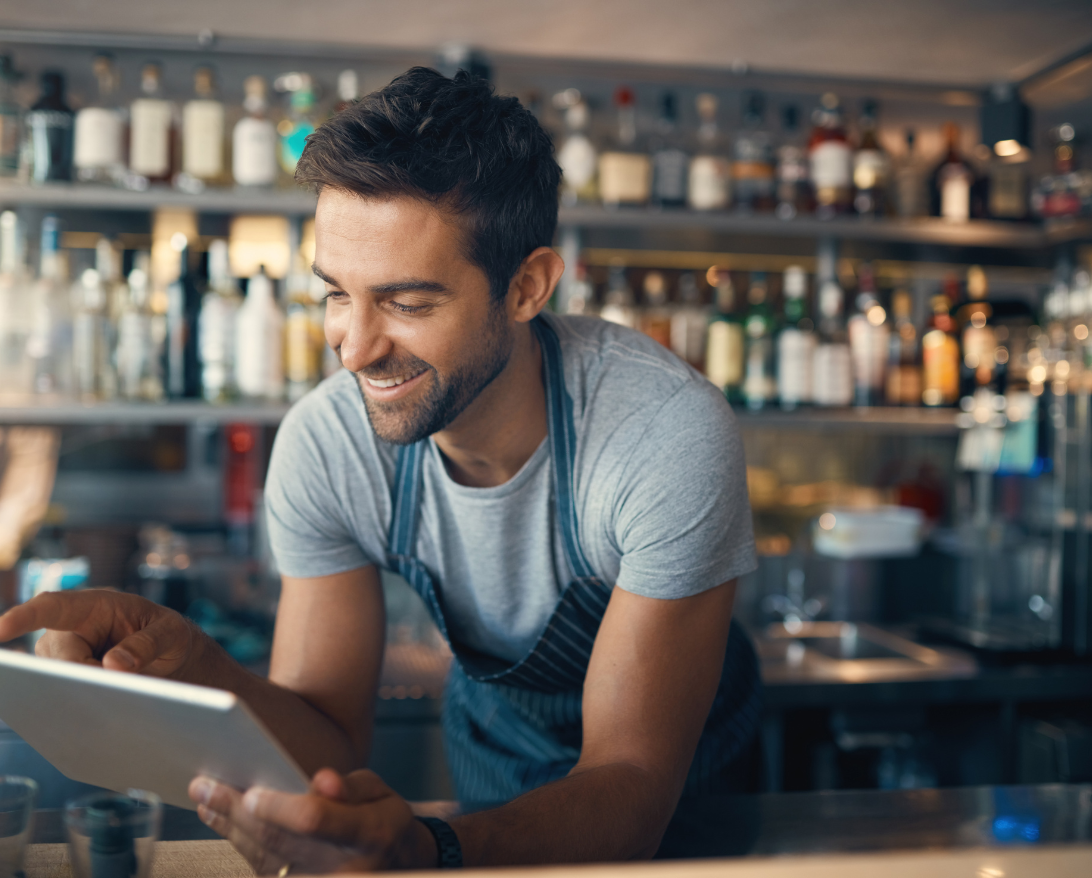
When you think of restaurant AI, you might imagine a kitchen run by sophisticated robots. While automated chefs may be possible in the future, current restaurant technology solutions are focused on driving efficiency and improving the customer experience. Restaurants are using AI technology to streamline every aspect of operations, including ordering, delivery, back-of-house workflows and supply-chain management.
The best part? AI is readily available — in fact, you can start implementing it in your restaurant today.
How AI is being used in restaurants today
AI is everywhere in the restaurant industry; in many cases, companies are building machine learning into existing systems to create a more convenient and efficient process. Some of the AI tools in use today include:
- AI-enabled self-serve kiosks. Self-serve kiosks have provided a convenient ordering experience for years. With the addition of AI, they can deliver extra personalization — by recommending a menu item based on the person’s past orders, for example, or recognizing customer loyalty rewards. Restaurants, including Panera Bread, also allow customers to use kiosks to redeem subscription programs. Some kiosks can even scan a customer’s tray, identify the items and charge accordingly.
- AI-powered inventory management systems. This type of AI system analyzes your restaurant data to help you forecast inventory needs, order efficiently and ensure you always have the right ingredients on hand. Point-of-sales systems use this technology to improve the way you manage your business.
- Voice search. Some restaurants are integrating voice-powered virtual assistants such as Siri or Alexa into the ordering process. That way, customers can simply tell the system what they’d like to order — even if they’re driving home or doing household chores. As this technology evolves, voice AI might also be able to schedule restaurants or answer questions about the menu.
- Food delivery apps. Apps such as Grubhub use AI to deliver a seamless experience for guests and restaurants. The system can analyze data to offer compelling promotions and make personalized recommendations based on order history or customer preferences.
- Scheduling systems. AI-driven scheduling software tracks and correlates sales data, employee hours and individual performance. Then, it can recommend staffing levels, suggest schedules and identify opportunities for training and improvement.
Artificial intelligence is also helping food-service businesses improve the customer experience. One of the most futuristic applications is the self-driving robot — restaurants are using these small devices to run food from the kitchen or deliver food off-site. The robots add an element of fun for customers and reduce labor requirements. On a more practical level, restaurants can use AI to suggest wine pairings, ensure accurate customer orders and detect and prevent payment fraud.
Pros and cons of AI in restaurants
As with any new tool, AI technology has both pros and cons for restaurant owners and restaurant operators. If you’re thinking about implementing AI-driven systems, it’s important to understand the realities of the process.
Advantages of AI in restaurants:
- Reduce food waste by tracking stock and improving order accuracy
- Improve ordering and inventory management
- Create a more pleasant, convenient and personalized guest experience
- Improve customer satisfaction
- Save time for customers and restaurant employees
- Cut costs for labor and food waste
Disadvantages of AI in restaurants:
- Expensive to purchase and implement
- Extra training requirements
- Stored customer data creates privacy and security concerns
- Confusing operation for older guests
- Costly, time-consuming maintenance
How AI could impact the future of the restaurant industry
There’s no doubt about it: Restaurant AI is here to stay. If you run a food-service business, it’s important to track emerging and ongoing trends — that way, you can make smarter investment decisions and keep up with the technology as it changes the restaurant industry.
Based on the latest AI trends in restaurants, it’s safe to expect tech companies to direct their attention to solving common industry problems. One pressing issue? Labor shortages. AI technology has the potential to reduce the number of employees restaurants need to operate at full capacity.
- Fully automated drive-throughs: Using voice-recognition technology, drive-through systems can interact with customers like a voice assistant. Restaurants wouldn’t need to hire a person to work the intercom, and they could take a large number of orders simultaneously.
- Automated food prep: For businesses that use premade ingredients and limited menu selections, AI could streamline some or all of the food-prep processes in the restaurant operations. Chipotle has tested a robot that makes tortilla chips, and pizza vending machines are already using this technology to prepare, bake, package and dispense pizzas.
- Automated food delivery. Self-driving delivery robots use AI to plan a route, navigate sidewalks, and verify the customer’s identity. As weatherproofing, security, and traffic sensors improve, these robots can handle short-range restaurant deliveries.
It’s likely that artificial intelligence will be used to deliver a more personalized customer experience. Writing tools such as ChatGPT could be trained to write menu descriptions and respond to customer service emails, social media comments and reviews. Automated marketing programs might track guest behavior, manage customer segmentation, identify triggers and automatically send discount codes or promotional emails exactly when a person is in the mood to buy.
Customer data collection made easy
Every AI solution depends on a steady flow of data — the more information you can input, the better results the AI algorithm can deliver. Whether you’re planning to implement artificial intelligence in a few months or a few years, now is a great time to start collecting data on your business and your customers. Grubhub can help you get a head start. When you join, the system automatically starts gathering information about customers, orders and revenue. You always have access to customer data, and the system’s built-in data analytics can help you track sales, monitor orders and keep an eye on customer demand. To start using the customer insights dashboard, sign up for Grubhub today.

Ouch, Siesta Key ranks among the worst hotel service in the nation, study shows
Does a room with a paradisal view make up for poor hotel service? apparently not.
Despite being recognized for having one of the best beaches in the country and in the world by Tripadvisor, Siesta Key was ranked the 4th worst city for hotel service out of 20 cities, according to a study from Planetware.
The study analyzed nearly 8 million hotel reviews from more than 9,000 hotels across 95 US cities to determine those with the worst hotel reviews, worst hotel service, and the common complaints made.
Based on their methodology, they took the millions of hotel reviews and formed a percentage of all analyzed hotel reviews in a given city that were 1-star or 2-star reviews. Rankings for worst hotel service were based on the frequency of keywords mentioned in bad reviews.
What other Florida cities made the list for worst hotel service?
Five Florida cities made the top 20 list for worst hotel service:
Miami Beach – 1
Key West – 10
Panama City Beach – 12
Fort Lauderdale – 15
Daytona Beach – 19
Spotted in Sarasota? Bobby Flay eats at the popular Sarasota food truck, says the signature sandwich is ‘delicious’
What city had the worst hotel reviews?
Topping the list for the most one and two-star reviews at 20% is Myrtle Beach, South Carolina.
In case you missed it: North Port Little League memorializes a 6-year-old boy who died after a dog bite
What other cities made the list of worst reviews?
The top 15 cities with the worst reviews are:
Myrtle Beach, South Carolina
Atlantic City, New Jersey
Virginia Beach, Virginia
San Jose, California
South Padre Island, Texas
Memphis, Tennessee
Tampa, Florida
San Antonio, Texas
KansasCity, Missouri
Columbus, Ohio
Indianapolis, Indiana
Lexington, Kentucky
Phoenix, Arizona
Nashville, Tennessee
Galveston, Texas
What are the most common bad reviews left for hotels?
Nationally the most common bad reviews left for hotels:
How do I make sure I’m booking a good hotel?
As for cleanliness after you book, nonprofit founder Christopher Elliott offered tips for USA Today in 2021 on how to tell if your room is actually clean, such as:
Read online reviews. User-generated online reviews are a great source of cleanliness ratings. He recommends a zero-tolerance policy at a time like this, adding if he sees just one review that suggests the hotel isn’t taking sanitation seriously, he usually books elsewhere.
Pay attention to high-touch surfaces. At a hotel, that would be the doorknobs and TV remotes. Often, they aren’t cleaned between guests, says Roman Peysakhovich, CEO of Onedesk, a commercial cleaning company. “This carries serious risks in terms of passing germs.” His advice: Clean them yourself as a precaution.
Look for real evidence of cleaning. Some hotels place seals on the door, and others shrink-wrap your TV remote in plastic. He wrote that the two most proven methods were looking for dirt and dust and giving the room a sniff test. If you smell a faint odor of cleaner and don’t see any dirt, that’s usually a good sign.
Contributing: Samantha Neely, Fort Myers News-Press
This article originally appeared on Sarasota Herald-Tribune: Siesta Key ranks among the worst hotel service in the nation, study shows
How to sell on Grubhub
Technology is no longer optional for food-service businesses — it’s an industry standard. Diners expect their favorite restaurants to offer convenient tech solutions, such as mobile ordering, contactless payments and QR-code menus.
If you’re planning to sell on Grubhub to meet these demands, you’re not alone. Restaurants often partner with food delivery apps to streamline the technology integration process. With Grubhub’s industry-leading platform, it’s easy to add mobile ordering, reach new customers, increase revenue, create loyalty programs, and market your business.
The importance of delivery
Food delivery is an essential part of your restaurant’s operations, especially post-pandemic. The delivery market has doubled in 2020, and although growth has slowed, it is still expected to increase dramatically in the coming years. By 2027, experts expect the US online food delivery market to reach a value of $95.68 billion — $33.25 billion more than the market was worth in 2022.
It’s important to note that as delivery service becomes more popular, customers have developed high expectations. At a minimum, they want seamless online ordering, easy payments and real-time order tracking. They also want the flexibility to opt for pickup on days when they prefer to eat takeaway meals.
What does that mean for your restaurant? It’s not enough to simply offer delivery — you also need to offer a fast, convenient experience. That starts with a high-functioning online ordering system.
At a minimum, your system should:
- Securely store customer payment information
- Create a fast, easy checkout experience
- Come with built-in marketing and promotional tools
- Offer on-platform branding for your restaurant
- Provide access to customer data
A comprehensive ordering platform benefits your customers and your restaurant. Customers can order and pay quickly, so it’s easy to satisfy a craving without unnecessary roadblocks. Each order goes right to your kitchen, reducing labor requirements and streamlining order management. And because you have access to customer data, you can encourage repeat business with targeted promotions right inside the platform.
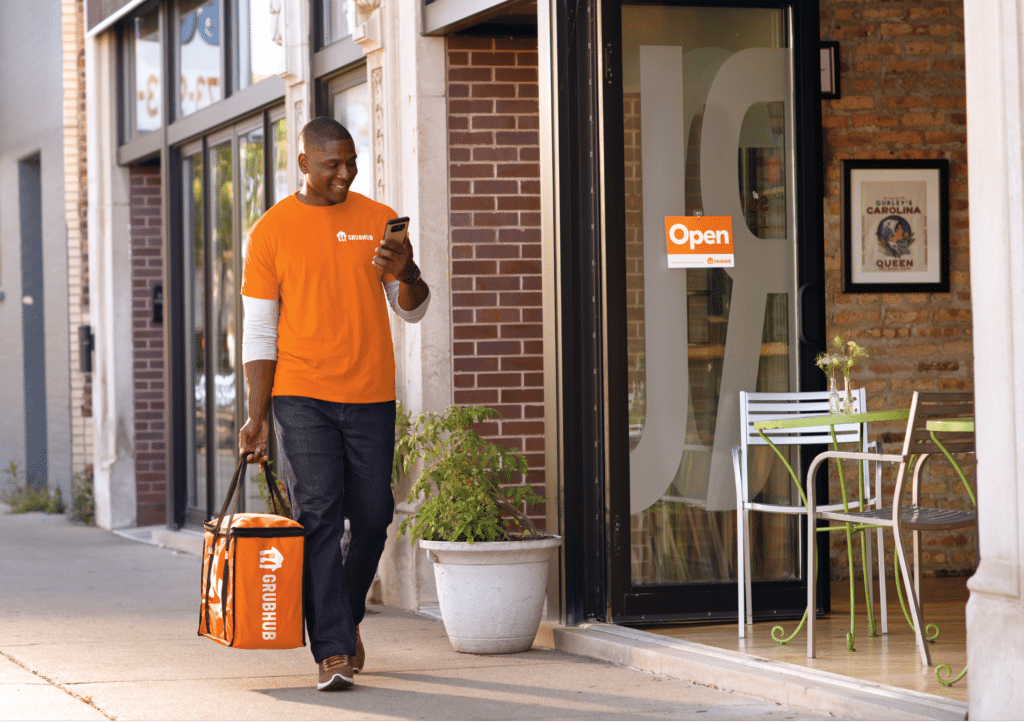
Ordering systems such as Grubhub also help protect your reputation by connecting you to professional delivery drivers. They know exactly how to pack and transport each meal so it arrives hot and on time.
Boost your restaurant marketing
When you’re learning how to sell on Grubhub, marketing is a key part of the process. Done well, it helps you reach new diners, increase order revenue, and build customer loyalty. With Grubhub, you’re not on your own — your restaurant account comes with marketing tools and resources to help promote your business, both online and offline.
It all starts with the Grubhub Marketplace, which automatically boosts your visibility among local customers. Grubhub is more than a food delivery company; the platform also doubles as a discovery engine. In fact, more than 70% of Grubhub’s 33+ million users have used Marketplace to find new restaurants.
Once you’ve set up a restaurant account, you have access to Grubhub’s resources and built-in marketing tools. The restaurant marketing guide helps you set goals, establish a budget and design a promotional strategy that’s targeted to your audience. You’ll also discover the key elements of restaurant marketing, including an optimized website, a social media presence, email marketing, professional photography and a loyalty program.
Grubhub also offers additional marketing resources.
- Marketing toolkit. Let your dine-in and takeout customers know that you’re on Grubhub by downloading free, professionally designed window signs, order inserts, social media graphics, and email marketing templates in the marketing tool kit.
- Free menu photo shoot. Grubhub accounts include a free professional menu photo shoot to showcase your restaurant.
- Free branded ordering website. As soon as you’re on the Grubhub Marketplace, you get free access to Grubhub Direct. This service enables you to build a custom ordering website with ownership of customer data and no commission fees.
- Promotion and loyalty tools. Some account types come with access to Grubhub’s promotion and loyalty tools. With a few clicks, you can create special deals to bring in new customers or establish a loyalty program to keep past diners coming back for more.
Each account comes with different resources; check out Grubhub pricing and fees to find the option that’s right for your restaurant.
Why Grubhub?
Running a restaurant can be challenging; that’s why Grubhub goes to great lengths to create an easy, seamless food delivery experience. You can sign up for free and try the platform with no commitment.
After that, there are a few simple steps to get started with Grubhub:
- Set up and manage your menus. Add each of your restaurant’s dishes to your menu, write descriptions and upload photos. You can also assign categories, create different size options, add modifiers and schedule items when they are available. You can edit or manage the menu at any time. Grubhub also enables you to sell alcohol for delivery as state and local laws allow.
- Add a payment account. With Grubhub, you can choose to be paid by a monthly check or direct deposit on a weekly, semiweekly or overnight basis.
- Integrated Grubhub technology. Your Grubhub welcome box comes with a tablet you can use to accept and manage orders. You’ll also need to connect a compatible printer to print orders. Alternatively, you can integrate Grubhub with your POS system to ensure each delivery order flows right into your system.
That’s it — your restaurant is ready to start accepting delivery orders on Grubhub. Once you’re up and running, it’s important to monitor and respond to reviews. Professional, helpful responses improve your reputation and build rapport with customers. The reviews themselves can help you tweak and optimize your system for the best possible customer experience.
In addition to the easy setup and built-in marketing tools, Grubhub offers a variety of benefits that make it the ideal strategic partner for your restaurant:
- Established trust and name recognition
- Easy menu management
- Professional, streamlined food delivery
- Flexible account options
- Convenient ordering via app or website
- Dedicated account advisor
- Restaurant data insights
- Options for customers who want to order delivery or eat takeaway
Get started today
If you want to expand your restaurant’s food delivery service, Grubhub makes the process easier. You can join for free, with no platform or maintenance fees. The Grubhub service fee varies based on the type of account you choose but can be as low as 5%.
Ready to get started? Signing up is quick and easy — just enter a few details about your restaurant. As soon as you create an account, you can add users, set business hours, and create separate hours for customers who want to order delivery or eat takeaway. To try Grubhub for free for 30 days, get started today.