

7 Ways to Save on Summer Travel in 2023
Key points
- Travel credit cards can help you save in multiple ways, from redeeming rewards and travel credits to making use of valuable perks and benefits.
- The more flexible you are about your travels, the more affordable it will be.
- Pack less, travel together, and be creative about when, where, and how you travel.
Check out our picks for the best credit cards
Depending on your destination, the cost of a family summer vacation can easily get into the four digits. But you don’t necessarily need to drain your bank account just to have a good time this summer. There are all kinds of ways to save money on your vacation, from credit cards to carpools. Here are some tips to consider.
1. Redeeming rewards
My favorite way to save on travel expenses is to redeem travel rewards instead of paying cash. This could be a reward you earn with a travel credit card or loyalty points picked up on previous trips.
Pro tip: Don’t assume every redemption is a good redemption. Divide the cash cost of the room by the number of points you’d need to redeem to see the per-point cost. You want your per-point value to be as high as possible.
save: This credit card has one of the longest intro 0% interest periods around
more: Save while you pay off debt with one of these top-rated balance transfer credit cards
Travel credits and free night certificates can also be great tools for scoring free travel. For example, your card may offer you an annual statement of credit you can use toward travel purchases. This can be far more convenient than redeeming rewards, as it typically doesn’t require looking for award space. Similarly, many hotel cards can pay for themselves in free night certificates alone if you’re a little strategic about when and where you redeem them.
2. Maximizing perks
Travel cards, elite status, special booking deals — there are all kinds of ways to get valuable travel perks. For example, the elite status of your hotel credit card can help you score free breakfast or a room upgrade. Airline credit cards often give you free checked bags.
Many issuers also have travel portals through which you can book your vacation, often with extra perks. American Express’s Fine Hotels & Resorts program, for example, can unlock all sorts of extras, like 4 pm check-out (terms apply). Chase’s Luxury Hotel & Resort Collection comes with similar benefits.
3. Sharing the burden
Do you have some friends or family members who are also planning a summer vacation? Consider vacationing together! A larger group can actually make your per-person costs much lower, especially when it comes to housing and activities. Renting a vacation house with room for two families, for example, could be cheaper than trying to rent multiple hotel rooms.
Many activities you may want to experience can also be made cheaper with larger groups. Tours, excursions, and other activities often have group discounts that your smaller family may not qualify for — but your multi-family group could.
4. Packing light
The easiest way to increase your travel costs is to pack too much stuff. Checked bags alone can easily run you $30 a pop. But even if you’re doing carry-on only, you could be looking at extra costs. Discount airlines often have remarkably affordable deals — provided you don’t need overhead bin space.
It’s not just flights, either. More luggage means a larger rental car, more space in your hotel room, maybe even paying for bag storage if your flight arrives before you can check into your hotel. Overall, one-bagging your trip could substantially reduce your per-person travel costs.
5. Being flexible
This is arguably the most important tip on this entire list when it comes to saving money on travel, especially during the busy summer season. When possible, be flexible about when you travel, how you travel, and even where you travel.
Avoid traveling around major summer holidays (July 4, Memorial Day, Labor Day) if you can. If you’re flying, make sure to look up deals for all of your nearby airports. (Driving a little further to another airport can be well worth it if you can save money or find better award availability.)
If you’re renting a car, consider whether taking a taxi away from the airport to pick up a car will save you money. Picking up your car at the airport usually means paying a few surcharges.
6. Finding fun for free
It can be really easy to get caught up in the idea that you need to do something BIG on your summer vacation, like hitting a theme park or a major landmark. But these popular activities tend to be very expensive, particularly during peak season.
With a little research, you can easily find tons of free — or at least affordable — activities to keep your family entertained. Even if you still want to hit the parks, you can supplement your activities with a few free museums, nature walks or outdoor concerts.
7. Earning bonuses
Alright, so this one is most likely going to save you on yours next vacation, rather than your summer travel. But if you open a new card before booking, you could potentially earn a big sign-up bonus you can redeem in the future, all by just booking the travel you were going to buy anyway.
That said, your sign-up bonus could also be used to help pay for your summer vacation if it’s in the right currency. For example, if you earn your bonus quickly, you could potentially redeem it for cash back or a statement of credit to cover your current expenses.
Mix and match for the best results
Summer vacations are a cornerstone of American life. But the fact that we all tend to travel at the same time — and to the same places — means it’s often a pricey experience. Hopefully, with a bit of mixing and matching, you can use these tips (and any of the thousands of others all over the internet!) to make your summer vacation not only more affordable, but maybe even more fun, too.
Alert: the highest cash back card we’ve seen now has 0% intro APR until 2024
If you’re using the wrong credit or debit card, it could be costing you serious money. Our experts love this top pick, which features a 0% intro APR until 2024, an insane cash back rate of up to 5%, and all somehow for no annual fee.
In fact, this card is so good that our experts even use it personally. Click here to read our full review for free and apply in just 2 minutes.
Read our free review
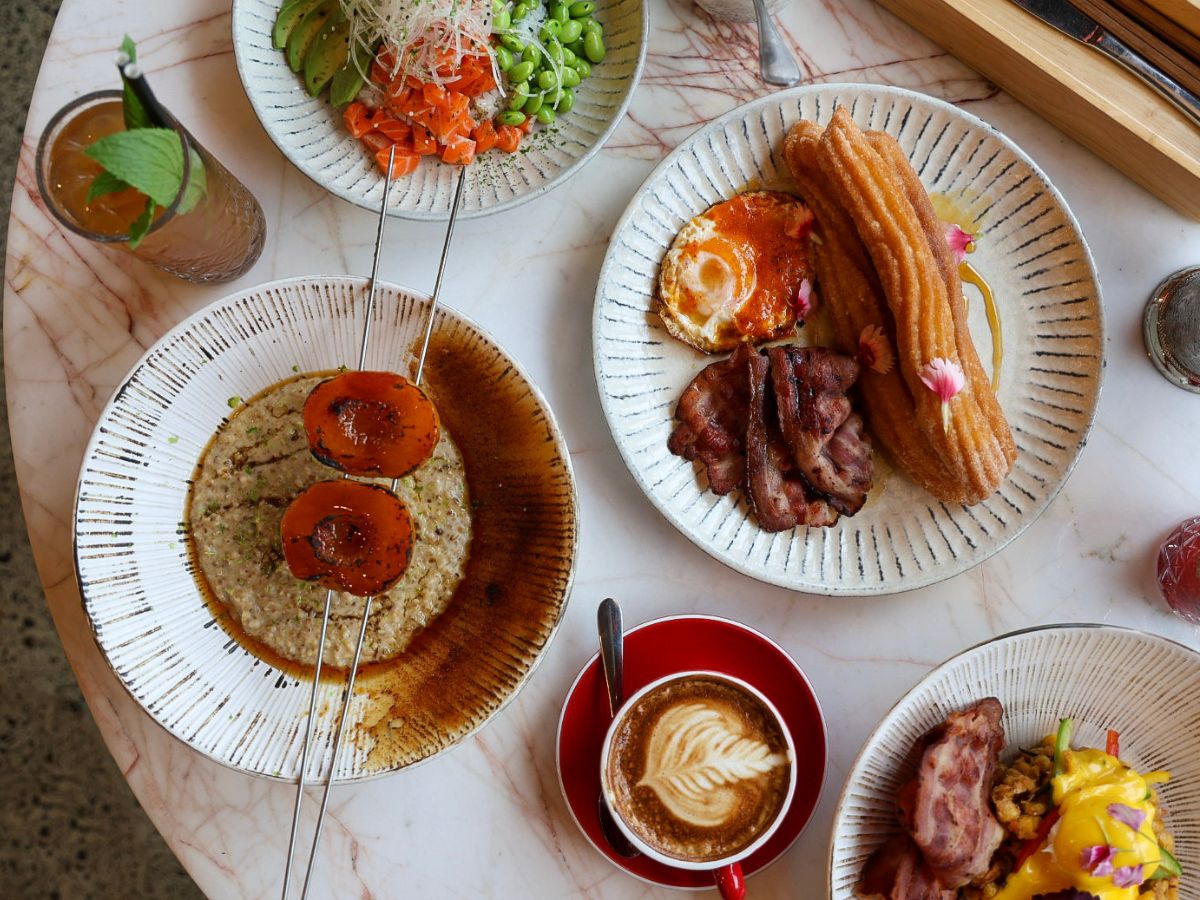
Sixty hospitality venues join Ponsonby festival month –
Ponsonby’s month long restaurant festival, Eat, Drink, Love Ponsonby, is back for another year and is bursting with the flavors of a culinary melting pot of cuisines, from Bangkok to Bali, Mexico to Malaysia, India to Italy–and beyond.
Taking place from 4-28 May along the length of Ponsonby Road, the popular festival is in its fourth year and is once again highlighting specific food and beverage offers for every appetite and budget.

A record 60 establishments are taking part this year, including bars, cocktail bars, casual restaurants, food court eateries, cafes, gourmet burger bars, hole in the wall snack spots, pizzerias, newcomers to the strip, Ponsonby Road stalwarts and a fine dining establishment–all showing the best of what the popular urban village has to offer.
With offers that fall within three fixed price ranges, $30 & Under, $30 to $50, and $50 & Over, below is a snapshot of what’s on offer in Ponson by this May.
the $30 and Under category features cocktails, gourmet burgers and sandwiches, bento boxes, baos, crêpes, ice creams, kebabs, laksas, bread rolls, pizza, platters, tacos, and more.
The two remaining categories – $30 to 50 and $50 and Over – offer a range of lunch and dinner menus for groups of all sizes. The fixed price ranges help take the guess work out of enjoying lunch or dinner, with hero or signature dishes included in the offer.

A snapshot of some of the participating bars and eateries include Azabu, Bali Nights, Bedford Soda & Liquor, Better Burger, Bird On A Wire, Boy & Bird, Burger Burger, Clipper Bar, Chop Chop Noodle House, Daphne’s Taverna, Dante’s Pizzeria, Dedwood Deli, Dida’s Wine Lounge, El Sizzling Chorizo, Elmo’s, Farina, Fitzroy Lounge Bar, Gaja. Gusto Italiano, Hoppers Garden Bar, INCA Ponsonby, Khu Khu, KOL, Longroom, Mekong Baby, Mexico, Mumbaiwala, Okumnandi, Ponsonby Friends, Ponsonby International Food Court, Ponsonby Road Bistro, Revelry, Sidart, Tokyo Club, The Blue Breeze Inn, The Broken Lantern, The Gyoza Bar, The Hidden Village, Win Win Bar.
Ponsonby Business Association General Manager Viv Rosenberg says she is delighted with the number of participating eaters for the 2023 festival.
“While there are 60 special offers this year, Eat Drink Love Ponsonby is about supporting all the area’s bars and eateries and encouraging people to revisit their old favourites and to check out something new.

“Ponsonby just does it better,” she says. “Whether it’s for a quick café pick-me-up or fine dining cuisine at one of our award-winning restaurants, Eat Drink Love Ponsonby will help people find their next foodie obsession thanks to an entire street’s worth of mouth-watering adventures. The fixed-price menus in the three price categories keep everything simple – and delicious. So, are you ready to Eat Our Street?”
With 60 venues and offers coming to the party for this year’s festival, Eat Drink Love Ponsonby 2023 and their offers can be found at eatdrinkloveponsonby.co.nz. For giveaways and more information follow Instagram @iloveponsonby. All offers are available from 4-28 May and can be booked directly with the restaurants and bars.


Social Media Holidays Your Restaurant Marketing Can’t Miss
There are thousands of restaurants in the United States serving up dishes from juicy hamburgers to steamy ramen and everything in between. Depending on the specific area, consumers may have dozens or even hundreds of restaurants to choose from. So how are diners deciding where they’ll ultimately eat?
It turns out there are lots of reasons consumers might choose a particular restaurant. About one-third of people consider guest reviews, and some 90% check out restaurants online before dining there. It’s hard to pinpoint what exactly each potential guest is looking for, but it’s likely a combination of these factors:
- Does the food seem appealing?
- Do the menus, ingredients, and overall aesthetics reflect seasonality?
- What promotions are in place that make the restaurant seem especially enticing?
When all three of those factors are in play, you hopefully have an important aspect to convey to consumers: excitement. Luckily, incorporating social media holidays into your marketing strategy helps you do just that.
Creative marketing promotions are one of the keys to attracting guests to your restaurant. This same inspiration can be used to fuel seasonal menus, the look and feel of your restaurant’s social media presence, and so much more.
Here’s a look at social media holidays that you can use to get diners hyped up enough to either make a reservation or order delivery all summer long.
Why are social media calendars important?
As a restaurant owner, you have a lot on your plate. With plenty going on, you shouldn’t be spending hours every day trying to figure out what kind of post should go on your social media and how promotions can shape your menu. This is why having a marketing calendar is so important.
Having a social media calendar to follow, similar to our 2023 National Food Holiday calendar, gives you a road map. By using a calendar, you’ll have all your promotions laid out so you can batch content (AKA, create a bunch of collateral at one time so you can schedule posts in advance).
This way, you’ll streamline your marketing operations and free up both time and money so you’re not rushing around figuring out what to promote next and how you should do it.
Use these affordable marketing tools to help with everything from content creation to email marketing to commission-free online ordering.
“Micro holidays” Random and weird days worth celebrating
Micro holidays are those not-quite-real holidays like World Emoji Day (July 17) and National Pizza Party Day (May 19) that may not get you a day off school, but are still fun to observe.
Many people call these micro holidays “social media holidays” because they’re so popular on platforms like Facebook, Instagram, TikTok and Twitter. Companies use micro holidays in their marketing campaigns as a way to connect with consumers and encourage engagement.
Restaurants can do the exact same thing. By harnessing the power of social media holidays and national food holidays, restaurants can drum up positive interest and engagement.
How to incorporate 2023 social media holidays in your restaurant promotions
While many social media holidays involve non-food people, places or things — Talk Like a Pirate Day, anyone? — there are also a ton of National Food Holidays that are tailor-made for restaurants.
Download our Guide to National Food Holidays to learn how to level up your promotional marketing as well as to spruce up your social media food grams. Don’t miss out on holidays that give your customers an excuse to celebrate food and gift themselves or a loved one with some delicious restaurant delivery.
Take National Ice Cream Day, for example. Bloomberg research shows that 391,000 posts were made with the hashtag #NationalIceCreamDay in 2022, and there were more than 6.6 million YouTube videos made on the same topic. Major traction. And that translates into sales too, with ice cream sellers seeing a sales spice of 15-20% on average.
Pick a holiday that resonates with your restaurant or one you think will resonate with guests. Then create fun graphics to promote the holiday itself, with additional content ready to highlight any deals you’re running, such as a special menu item or a limited-time discount.
When you sign up for Direct, you also get access to customer data you can use to spread the word, including powering your own branded email campaigns. With your own free ordering website and zero marketing fees, your restaurant can invest in the promotions your diners deserve.
Visit our blog post for even more ideas on how to use the top National Food Holidays of 2022 for your restaurant marketing strategy.
What 2023 social media holidays are coming up next?
Once you’ve downloaded the National Food Holiday calendar, be sure to check out and incorporate a few non-food related social media holidays, too. These holidays may not be solely food-focused, but that doesn’t mean you can’t incorporate ingredients, dishes, and drinks that are on theme.
Think of each holiday as an opportunity. You’ll want to grab some with both hands, peppering your social media with hilarious memes giving a nod to National Selfie Day, while piggybacking on popular associated hashtags to help consumers discover your restaurant.
You can also celebrate holidays that align with your restaurant’s values, like posting a screenshot of a donation your restaurant made in honor of #EndangeredSpeciesDay (May 19).
Or, kick off a cross-promotional campaign to deal with other restaurants by sharing a picture of your staff eating a neighboring eatery’s signature donuts for #NationalDonutDay (June 2).
A few quick tips:
- Use hashtags to take advantage of algorithms and become more discoverable for consumers interested in that particular social media holiday
- Avoid going overboard — pick a few holidays to concentrate on rather than posting about every single one of them
- Always aim for authenticity. Go all out for the holidays that make the most sense for your restaurant and underlying mission, then add just a few extra fun ones to keep up with the trends
Luckily, we’ve done the work for you and gathered all the major summer social media holidays. Add these opportunities to your social media calendar and get to work on some fun promotional posts!
May 2023 Social Media Holidays
May is a major month for food holidays, including celebrations like Cinco de Mayo that aren’t necessarily about food but certainly contain a lot of it. This is also a big month for alcohol delivery. Be sure to read up on alcohol to-go trends of 2023 to make sure you have the right systems in place to succeed.
May is also Asian Heritage Month, Skin Cancer Awareness Month and Mental Health Awareness Month.
- May 1: International Workers Day #IntWorkersDay
- May 3: National Teacher Appreciation Day #ThankATeacher
- May 4: Star Wars Day #StarWarsDay and #Maythe4thBeWithYou
- May 5: Cinco de Mayo #CincoDeMayo
- May 6: National Nurses Day #NursesDay
- May 9: Europe Day #EuropeDay
- May 10: National Receptionist Day #NationalReceptionistDay
- May 14: Mother’s Day #MothersDay
- May 15: International Day of Families #FamilyDay
- May 16: Love a Tree Day #LoveATreeDay
- May 17: International Day Against Homophobia and Transphobia #IDAHOT2023 and World Baking Day #MakingDay
- May 18: Global Accessibility Awareness Day #GAAD
- May 19: National Bike to Work Day #BTWD
- May 21: World Meditation Day #WorldMeditationDay
- May 29: Memorial Day #MemorialDay
June 2023 Social Media Holidays
June brings us food holiday winners like National Rotisserie Chicken Day, National Cheese Day and National Smoothie Day. You’ve also got Father’s Day on the way – perhaps a great day to advertise picnic baskets or BBQ? June is also Pride Month, Great Outdoors Month and National Adopt a Cat Month.
- June 1: Global Day of Parents #GlobalDayOfParents
- June 4: National Donut Day #NationalDonutDay
- June 5: World Environment Day #EnvironmentDay
- June 6: National Higher Education Day #HigherEducationDay
- June 7: Global Running Day #GlobalRunningDay
- June 8: National Best Friends Day #BestFriendsDay and World Oceans Day #WorldOceansDay
- June 11: International Children’s Day #ChildrensDay
- June 12: Superman Day #SupermanDay
- June 14: World Blood Donor Day #GiveBlood and Flag Day #FlagDay
- June 18: International Picnic Day #Picnic Day, Autistic Pride Day #AutisticPride and Father’s Day #HappyFathersDay
- June 19: Juneteenth (Freedom Day) #Juneteenth
- June 20: World Refugee Day #WithRefugees
- June 21: National Selfie Day #NationalSelfieDay and World Music Day #WorldMusicDay
- June 23: Take Your to Work Day #TakeYourDogToWorkDay
- June 30: Social Media Day #SMDay #SocialMediaDay
July 2023 Social Media Holidays
Bring on the ballpark snacks and summer treats! July is a foodie’s dream, with National Food Holidays like Blueberry Muffin Day, National Drive-Thru Day and National Hot Fudge Sundae Day all on the calendar.
The month offers lots of opportunities for creativity, as July is National Disability Pride Month, National Ice Cream Month and National Make a Difference to Children Month, too.
- July 1: National Postal Worker Day #NationalPostalWorkerDay
- July 3: International Plastic Bag Free Day #PlasticBagFree
- July 4: Independence Day #Happy4th #JulyFourth
- July 7: World Chocolate Day #WorldChocolateDay
- July 11: Cheer Up the Lonely Day #CheerUpTheLonelyDay
- July 12: Simplicity Day #SimplicityDay
- July 16: National Ice Cream Day #IceCreamDay
- July 17: World Emoji Day #WorldEmojiDay
- July 20: Get to Know Your Customers Day #GetToKnowYourCustomersDay
- July 21: Junk Food Day #JunkFoodDay
- July 23: Parents’ Day #ParentsDay
- July 24: International Self-Care Day #SelfCareDay
- July 30: International Day of Friendship #DayOfFriendship
- July 31: National Avocado Day #NationalAvocadoDay #AvocadoDay
August 2023 Social Media Holidays
Wind up your summer social media holiday calendar with August’s slate of yummy days, including National Ice Cream Sandwich Day, National Fajita Day and National Chop Suey Day. Yum!
August is also Black Business Month, Back to School Month and National Sandwich Month.
- August 1: National Girlfriends Day #GirlfriendsDay
- August 2: National Coloring Book Day #NationalColoringBookDay
- August 3: National Watermelon Day #NationalWatermelonDay
- August 4: International Beer Day #InternationalBeerDay
- August 8: Happiness Happens Day #HappinessHappensDay and International Cat Day #CatDay
- August 10: National Lazy Day #LazyDay
- August 11: National Son and Daughter Day #SonsAndDaughtersDay
- August 12: International Youth Day #YouthDay
- August 13: Left-Handers Day #LeftHandersDay
- August 15: Relaxation Day #RelaxationDay
- August 16: National Tell a Joke Day #NationalTellAJokeDay
- August 17: National Nonprofit Day #NationalNonprofitDay
- August 19: World Photography Day #WorldPhotographyDay and World Humanitarian Day #WorldHumanitarianDay
- August 21: Senior Citizens Day #SeniorCitizensDay
- August 26: Dog Appreciation Day #DogAppreciationDay #NationalDogDay and National Women’s Equality Day #Women’sEqualityDay
Market your restaurant with Grubhub
It’s crucial that restaurants find ways to reach diners year-round. One of the easiest ways to do this is to leverage holidays — both the official ones and the social media holidays designed with fun and creativity in mind.
Make life easier by creating a strategic marketing plan ahead of time, and use the list above along with our National Food Holidays guide to shape your calendar and choose points of focus. For even more help, make sure you’re a part of the best and fastest-growing third-party delivery app to ensure your promotions and delicious menus are being seen by diners in your area.
Sign up for Grubhub Marketplace today to see how you can build a competitive marketing and promotional strategy using our expertise and tools.

Bali Spirit Festival is back this weekend. Always a great time and not to be missed.
Bali Spirit Festival is in its 15thth year and continues to grow stronger on each outing. It has had its challenges in recent years like us all, but it is back in all its glory this year.
I have been to many of the events over the years, and like many people, I always look forward to it every year. I recall one year the organizers even named the bar at the music section The Beat Bar in honor of ourselves, bless them. The Beat has always been close to the BSF and I am very happy that we are still there.
Since I am not much of a yogi, or yoga practitioner, I can’t comment on that side of the festival, even though we have covered the daily events extensively within the pages of The Beat, thru writers like Vero and Silke before her, but my main personal focus and interest is the main stage and the freaky, hippy, spaced out, and at times, totally beautiful music that is featured every night during the BSF. The musicians and bands come from all over the world and are probably some of the most interesting and talented musos you will ever get the chance to see.

Every year when I have dutifully gone along to check out the music I have never been disappointed, nor surprised at how good it is, because it’s just that, totally entertaining and even bordering on amazing. Obviously, not every act is to one’s preference, but in the whole, the experience itself is similar to a great DJ’s set, a journey of light into the dark with moments of highs and lows, from ecstasy to previously unknown depths. And all this can happen in one night’s serve of great entertainment.
And the funny thing is that mostly I have never heard of any of the talents before that evening. And I expect this year to be no different.
The list this year is again long and the main focus for the music is after dark Friday, Saturday and Sunday. As you would expect at any good festival the line-up builds through the night with the main, or most well-known acts, appearing last each night. You can check the full line-up list here.
There are still tickets available like this one:
💥 Night passes – includes access to Markets, Grove main stage and Tea Temple stage after 430 pm.
💥 Spirit passes – includes access to markets, all stages day and night, healing area and daytime events in community pavilion and some other studios.
💥 Day Passes – choose your day, all access baby!
💥 Full Festival passes – super all access. A limited amount available.
Bali Spirit Festival May 4 – 10, 2023.
Use code THEBEATBALI to receive a Rp. 50,000 discount on any ticket.
TICKETS

How to franchise a restaurant like a pro
When you run a successful restaurant, it’s not uncommon to receive franchising requests. The prospect can be attractive — allowing other people to open restaurants under your brand brings in more profit without the work and risk of running other locations yourself. Before you make the decision to franchise a restaurant, be sure to understand the process, the advantages and disadvantages.
What is a franchise?
A franchise is a type of business where a company owner, or franchisor, licenses their company name and brand to other people. These franchisees open their own locations with support from the parent company. In return, they usually pay the franchisor start-up fees and a percentage of the monthly profits.
McDonald’s is an example of a successful restaurant franchise — 95% of the company’s US locations are franchised. Each location has the same decor, branding, menu, and design as other McDonald’s locations, but they’re owned by different franchisees.
Many popular restaurants use a similar model, particularly in the fast-food industry. Auntie Anne’s, Taco Bell, Arby’s, Chick-fil-A and Subway are all franchise businesses.
It’s important to note that a franchise is different from a chain restaurant, such as Starbucks or Chipotle. In a chain, new locations are owned and operated by the parent company. Some businesses use a hybrid model that embraces both franchising and corporate-run branches.
Pros and cons of franchising your restaurant
Like any other type of business, restaurant franchising has both pros and cons. As you decide whether to run a franchise restaurant or an independent restaurant, it’s important to consider both sides.
Pros of franchising restaurants
All restaurants come with a certain amount of risk, but franchises have significant advantages that can help parent companies and individual owners reduce uncertainty.
- Faster start-up. New restaurant franchise owners typically receive support from the franchisor to streamline the start-up process. Depending on the business, this might include guidance on finding property, choosing or constructing a building, buying equipment, designing the interior, hiring staff and creating a menu. These established practices save a great deal of time and money, which means the location can open and start turning a profit in less time.
- Including branding. As the parent company, you provide all the marketing materials and branding elements to franchisees. This process lets you maintain control over the brand.
- name recognition. Franchisees don’t need to worry about building an audience from scratch. Because they’re licensing your existing brand name, they gain access to an existing customer base. This can reduce purchasing barriers and make it easier to secure sales.
- Easier operation. You can provide franchise owners with access to your existing advertising, supplier and support network. With these resources, they can run the business without expensive trial and error. The built-in support is especially helpful if you want to attract owners who are new to the restaurant industry.
- Streamlined expansion. Franchising lets you build your brand without the level of investment that’s required to open company-run branches. While other people run individual locations, you still make a profit.
Cons of franchising restaurants
Franchises don’t operate like traditional restaurants, so make sure to understand the drawbacks before you license your restaurant’s brand.
- Ample oversight. To maintain the integrity of the brand, you’ll need to spend a great deal of time and money monitoring individual restaurant franchise locations. If issues arise, you must manage disputes and pursue legal recourse, if necessary.
- Strict requirements. Before you can franchise your restaurant, you’ll need to establish strict requirements. Some companies look for franchisees with experience in restaurants or commercial real estate development. Others require new owners to have a minimum net worth and the ability to pay start-up fees without borrowing money. These qualifications reduce risk, but they also make it more challenging to find qualified entrepreneurs.
- Fees and royalties. Franchises come with a variety of fees, but even so, it takes time for the parent company to realize a profit on a new restaurant franchise.
How to franchise a restaurant
If you own a successful business, franchising is one way to expand your brand. You won’t own each location, but you’ll still receive a percentage of the profits. Learning how to franchise a restaurant takes time; the process varies but usually includes a few common steps:
- Standardize operations. A successful franchise restaurant is one that can be easily recreated by another owner in another location. Standard operating procedures are key — by standardizing and documenting each process in the business, you can help franchisees maintain the same quality and customer experience. You should have solid, repeatable processes for all common tasks, including ordering, inventory management, food service, food preparation, staff training and reporting.
- Claim your brand. Protect yourself and your brand from legal issues by trademarking the company name, logo, tagline and any other prominent identifiers.
- Build a franchise plan. Work with an attorney, a business analyst, and a financial planner to create a basic franchise plan. These professionals can help you analyze property costs, sales data and financial forecasts. With that information, you can determine the franchise fee, start-up costs and required capital. It’s also important to establish requirements for the owner, property, and equipment.
- File a franchise disclosure document (FDD). Use your franchise plan to create this overview document, which is required by the Federal Trade Commission (FTC). The FTC’s format is designed to provide potential franchisors with all the information they need to make a decision. You’ll need this document whether you’re franchising a fast-food or fine-dining brand; in some states, you must file or register the FDD.
- Write a franchise agreement. Have your attorney draw up a legal contract between you and your franchisees. It should spell out the responsibilities of each party in detail so everyone is clear about what to expect. The document should also explain the consequences if you or the franchisee fails to meet one or more obligations.
- Create franchisee resources. Build a resource library to help guide franchisees through the process of opening and operating a business. You might include information about finding property, choosing equipment, working with preferred suppliers, getting required permits, training employees, handling conflicts and managing revenue. If possible, create a forum or communication system that enables franchisees to support each other.
- Establish brand guidelines. Make sure each franchisee represents your brand accurately with clear, specific brand guidelines. This might include rules for social media, logo files, menu templates and interior design requirements. Be sure to explain exactly when and if franchisees have room for creativity in marketing and advertising and when they must follow established standards.
The cost of franchising your restaurant depends on attorney rates, state filing fees, and the complexity of your operations. Costs could range from $15,000 to more than $125,000.
Is franchising right for you?
Learning how to franchise a restaurant is just one way to grow a food-industry business. You can also expand your current location or open additional restaurants in other areas.
Franchising might be right for you if:
- Your business runs on standard operating procedures.
- Your menu is easy to replicate.
- You have a reliable and established network of suppliers.
- You’ve received numerous inquiries from potential franchise owners.
- You have the resources to manage and communicate with each franchisee.
- You want to diversify your income streams.
- Franchisees can open a restaurant for a reasonable price.
Grow your restaurant with a trusted partner by your side
If you’re hoping to franchise your restaurant, either now or in the future, it’s important to build a solid foundation. Adding delivery or using a ghost kitchen can help you develop recipes, bring in new customers and increase brand awareness — all of which make the business more attractive to prospective franchisees. Grubhub can help; to learn more, sign up for a free trial.

Tourism & hospitality Expo roadshow starts May 11 –
Next week, from 11 – 13 May in Christchurch, Go with Tourism will kickstart New Zealand’s only free, dedicated careers expo for the tourism and hospitality industry, hoping to inspire a new generation of tourism and hospitality workers.
The expo, in partnership with New Zealand Careers Expo, will then move on to six more cities around the country: Palmerston North, Napier, Hamilton, Auckland, Wellington and Dunedin.
With industry professionals, employers and educators on site, students and job seekers will discover a wide range of opportunities available, such as work experience, mentorships, job vacancies and tertiary studies.
As well as showing career pathways, the main objective of the expo is to change negative perceptions about tourism and hospitality work. Go with Tourism Program Director, Heidi Gillingham, says that the 2023 expo season will be the most important yet for achieving this.
“Covid hit our industry hard. 90,000 employees were displaced, job security was in doubt, and we’ve experienced a massive skills shortage since. With international travel back to normal in New Zealand – and heading towards pre-Covid numbers again – it’s crucial to attract talent back into our industry to meet visitor demand.
“Additionally, due to the opportunity to engage with younger learners, we hope to see an increase in students choosing Tourism at the NCEA level in the future, as a result. We want to help parents and students understand why the industry is so important to New Zealand – from building our economy to championing our culture.”
In 2022, the Go with Tourism Expo saw 28,667 people walk through the doors and Gillingham believes 2023 will be a busier year. “This year will be our first expo season not limited by pandemic restrictions, so we hope to welcome more visitors than ever before to discover the wide range of career and study opportunities available in tourism and hospitality.”
To find out more information on the Go with Tourism Expo, go to: gowithtourism.co.nz/expo
- 11 – 13 May, Christchurch Arena, Christchurch
- 18 May, Central Energy Trust Arena, Palmerston North
- 23 May, Pettigrew Green Arena, Napier
- June 11-12, Claudelands Showgrounds, Hamilton
- 15-17 June, The Cloud, Auckland
- June 23-24, TSB Arena, Wellington
- 28 June, Dunedin Town Hall, Dunedin

What you need to know about restaurant accounting
Restaurant accounting is a uniquely complex process. Financial transactions pass through a variety of employees, including hosts, servers and bartenders. With all these inputs, a comprehensive accounting process is a must for restaurant owners — it helps you maintain accuracy, stay legally compliant and maximize profits.
Importance of efficient restaurant accounting
Restaurant accounting is the process of recording, monitoring and analyzing a food-service company’s financial transactions. A solid accounting system tracks the restaurant’s finances, providing a clear picture of the health of the business.
Efficiency is critical, especially in the restaurant industry — restaurants often operate on tight profit margins, so every dollar counts. Accurate records help you manage cash flow and calculate the cost of goods sold. That way, it’s easier to make smart decisions about vendor selection, inventory management, menu development and menu pricing.
The transactions at your restaurant involve a variety of unique factors, including tips, sales taxes and sales of non-food items such as gift cards. As you track your finances, you’ll also need to monitor information such as:
- Daily sales
- Payroll costs
- Inventory costs
- Food costs
- Money owed to suppliers
Historically, restaurants used pen and paper to manage their books. Today, most businesses use accounting software to save time and increase accuracy. Some programs even integrate with your point-of-sale (POS) system.
Restaurant accounting methods
Whether you handle your own bookkeeping or work with a restaurant accounting services provider, it’s important to select and stick to a specific method. Most restaurant owners use one of two accounting methods:
- cash accounting. With this restaurant accounting method, you record income as soon as you receive the cash. Similarly, you record expenses as soon as you pay for them.
- Accrual accounting. This strategy requires you to record income when the transaction happens, regardless of when you receive the funds. When you order goods or services, you record them right away — even if the money hasn’t left your account.
Because diners typically pay for their food costs immediately, cash accounting is a popular method of accounting for restaurants. It’s well-suited to smaller businesses; this method tracks money as it flows in and out, making it easier to monitor cash flow.
As your restaurant grows, accrual accounting is a better option. It’s more complicated, but it provides a more accurate picture of your finances. The IRS requires you to use this method if you carry inventory or if your gross receipts for the previous three tax years were more than $26 million.
How to do bookkeeping for your restaurant
An efficient and accurate restaurant accounting system creates a foundation for long-term success. Whether you’re opening a new restaurant or revamping existing bookkeeping procedures, use these steps as a guide.
- Select the right POS system and restaurant accounting software. The best accounting software for restaurants includes programs that connect directly to your POS system. Your daily transactions will flow into your financial records in real time, so you don’t have to spend time transferring data manually. This strategy also reduces the risk of human error. You might choose restaurant-specific programs such as Restaurant365 and MarginEdge or stick with familiar platforms such as QuickBooks or Xero.
- Track sales. Set up your restaurant accounting software and POS system to record sales each day. Every evening, run a sales report that breaks down food and beverage figures. You can also track other KPIs, such as top-selling items, high-performing services and sales trends for each day of the week. This process helps you identify problems, manage sales tax compliance and discover opportunities to increase profits.
- Record accounts payable. Record the money that your restaurant leaves for things such as food costs, inventory management, delivery fees, grease-hauling services, and advertising. Before you pay each bill, review the invoice for accuracy. To make sure you don’t miss due dates and incur late fees, it’s helpful to set aside time every week to settle accounts.
- Pay your employees. Record and disburse to payroll, paying close attention to tips and required state and federal taxes. Most restaurant owners must manage employment taxes for income, Social Security, unemployment and Medicare. You can handle the process yourself or outsource it to a payroll company to ensure you hold the correct amount and deposit the funds on time.
- Create a chart of accounts. This tool provides a top-level view of your restaurant’s assets, debts, revenue, equity, and expenses. You can customize it to include the cost of goods sold (COGS), or the amount of money it costs to make the dishes on your menu. This information helps you plan inventory and adjust the menu.
- Run and review financial reports. Reports help you understand how your restaurant is doing financially. While the specific reports can vary, most restaurants benefit from analyzing the sales report, profit and loss statement, cash flow statement, balance sheet, and inventory management report. Review your reports on a quarterly basis, and make sure to provide them to your tax services company when you pay income, employment, and sales tax.
- Set up a reconciliation process. About once per month, compare your financial reports to the records your business produces: POS sales data, bank statements, loan documents, payroll records and credit card statements. Make sure the two sets of data match; if they don’t, it’s important to find and correct the problem. Your restaurant accounting software is likely to have built-in reconciliation tools to speed up the process.
A partner that understands your business
Accounting for restaurants takes time, but it’s an essential part of a stable and successful operation. To make sure your delivery orders are flowing directly into your POS system and accounting software, partner with Grubhub — it integrates with top POS brands and offers convenient payment options to streamline your financial processes.

Latin America’s Hospitality Industry is Ready to Take the AI Leap into the Future
The COVID-19 pandemic has had a profound impact on the travel industry, challenging travel companies to adapt to changing consumer preferences, adopt new technologies, and innovate their business models. Against this backdrop, WTM Latin America 2023 – the leading global event for the Latin American travel industry – brought together industry leaders to discuss the key trends and strategies shaping the future of travel.
From the positive impact of AI and the emerging trend of ChatGPT in hospitality to the importance of personalized service in increasing guest loyalty, the discussions at the trade show highlighted the industry’s focus on leveraging technology and customer-centric strategies to create unique and personalized travel experiences , enhance guest satisfaction, and drive business success.
The Positive Impact of AI in the Travel Industry
Artificial Intelligence (AI) has been a hot topic in the travel industry for some time now, and the discussions at WTM Latin America reiterated its positive impact. They highlighted how AI is helping travel companies streamline their operations, enhance customer satisfaction, and boost their bottom line.
AI is revolutionizing the travel industry by providing innovative solutions to long-standing challenges. From automating routine tasks to enhancing customer service through chatbots and virtual assistants, AI is transforming the way travel companies operate. With the help of AI-powered analytics, travel companies are also gaining valuable insights into customer preferences and behavior, allowing them to personalize their offerings and create unique travel experiences.
Read Also: What’s the key to turning guest disappointment into loyalty?
ChatGPT: The New Trend in Hospitality
ChatGPT, powered by advanced language models like Chatbot Generative Pre-trained Transformer (GPT), is emerging as a new trend in the hospitality industry. And it wasn’t surprising to see discussions at the event around how ChatGPT is becoming the go-to solution for hotels to engage with guests in a more efficient and personalized manner, leading to increased guest satisfaction and loyalty.
Conversational AI is being widely adopted by hotels and other travel companies to enhance customer interactions, provide personalized recommendations, and improve guest experiences. ChatGPT enables hotels to offer 24×7 customer support, handle booking inquiries, and provide local recommendations, all through a chat-based interface.
The Importance of Personalized Service to Increase Guest Loyalty
Personalized service has always been a key factor in guest loyalty, and it continues to hold importance in the post-pandemic travel landscape. With travelers seeking more meaningful and personalized experiences, hotels and other travel companies are focusing on tailoring their services to individual guest preferences. By leveraging data and technology, hotels can offer personalized recommendations, create customized itineraries, and provide targeted promotions. This not only enhances the guest experience but also fosters loyalty and repeat business.
Industry leaders at the event highlighted how hotels are prioritizing personalized service as a key strategy to increase guest loyalty in the competitive travel market.
Positive Expectations of Market Recovery after the Pandemic
The travel industry has been severely impacted by the COVID-19 pandemic, but the discussions at WTM Latin America conveyed positive expectations for market recovery.
With vaccination programs rolling out and travel restrictions easing in many parts of the world, there is a renewed sense of optimism among travel industry professionals. Hotels and other travel companies are preparing for increased business. They are investing in technology, innovation, and customer-centric strategies to capitalize on the expected surge in travel demand.
New Technologies Helping Hotels in Developing the LATAM Market
The Latin American market presents unique opportunities and challenges for the travel industry. Hotels are leveraging technology to overcome challenges, cater to changing consumer preferences, and stay ahead in the competitive hospitality landscape.
From mobile payments and digital wallets to online booking platforms and virtual reality (VR) experiences, innovative technologies are empowering hotels in Latin America to enhance guest experiences, streamline operations, and drive business growth.
The discussions at WTM Latin America 2023 highlighted the industry’s focus on leveraging technology, innovation, and customer-centric strategies to create unique and personalized travel experiences, enhance guest satisfaction, and drive business success in the ever-evolving travel landscape. As the industry continues to evolve, staying abreast of these trends and embracing new technologies will be crucial for travel companies to thrive in the competitive global travel market.
About the Author
 Alex Maura
VP – Sales, LATAM
RateGain