
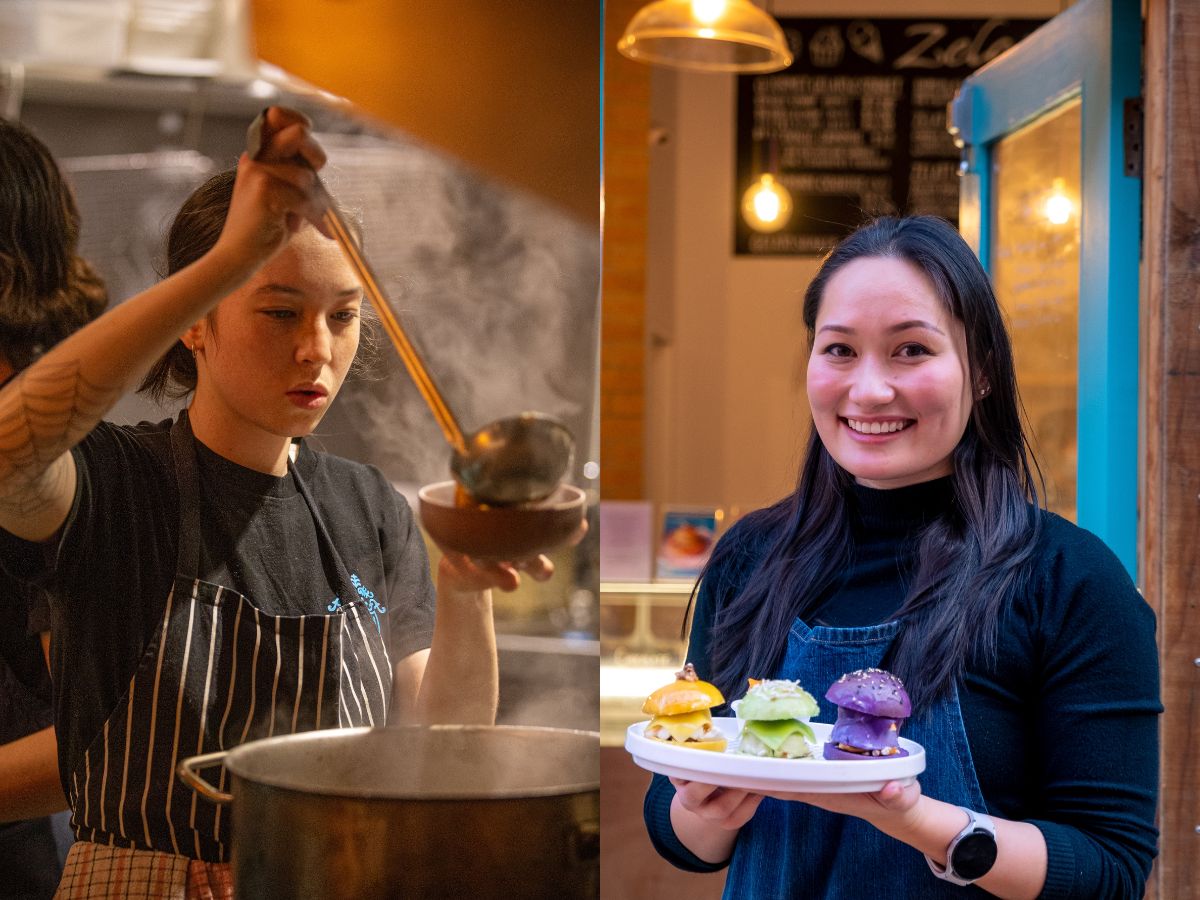
Visa launches $30,000 hospitality scholarship –
Visa, supported by Visa Wellington on a Plate, has launched a new hospitality industry scholarship open to candidates across New Zealand, valued at NZD $30,000.
The Visa NZ Hospitality Scholarship aims to attract and retain more young people into the industry and support them to take up hospitality as a fully-fledged career. It includes a five-day placement at a top international hospitality venue, professional development, a one-year mentorship, business training and future participation in Visa Wellington On a Plate.
Visa’s Head of Marketing for Australia, New Zealand and South Pacific Natalie Lockwood said, “As a proud partner of Visa Wellington On a Plate since 2009, we are excited by this new opportunity to inspire and uplift the wonderful young emerging talents across the country.
By providing access to a unique scholarship with international reach, this will have a positive impact not only on the scholarship winner, but on the wider hospitality industry as a whole.”
Wellington Visa On a Plate Festival Director Sarah Meikle says, “The scholarship is a welcome initiative that will help to attract and retain talent within the industry by providing hands-on industry training and ‘money-can’t-buy’ international experience.
“We know that working in hospitality can teach people so much, from people skills to finance, marketing and more. Whether you’re back or front of house, it’s an industry that can be incredibly rewarding and we are here to encourage that.”
The Scholarship Prize
The 2023 Visa NZ Hospitality Scholarship winner will win a prize tailored to their career interests, stage, and progression, including:
- A five-day work experience placement internationally at a restaurant or hospitality establishment (Including flights and accommodation).
- Attendance at an international professional development forum such as Food on the Edge or Tales of the Cocktail (including flights and accommodation).
- Professional skills development including a year-long mentorship. The experience will be catered to the Successful Applicant’s area of expertise within the Hospitality Industry.
- Access to a Social Media specialist for personal brand development coaching.
- Access to virtual business skills training, which includes access to EAP (mental wellbeing support), physical well-being support, career coaching and financial advice.
- A trip to Wellington for the 2023 Visa NZ Hospitality Scholarship Announcement including flights and accommodation.
The total prize value is NZ$30,000.
The scholarship is open to hospitality workers who are NZ residents, aged between 22 and 35 years of age at the time of their submission and have a minimum of two years’ experience working in the hospitality industry. Applications close at 11.59pm NZST on Monday 15 May 2023.
The scholarship winner announcement will be made on Thursday August 24, 2023.
For more information and full details on application criteria visit www.visawoap.com/visa-wellington-on-a-plate-hospitality-scholarship

Why is Security Critical for a Booking Engine?
In today’s digital age, cybersecurity is a major concern for any online business. Hotels and other hospitality businesses are no exception. The hospitality industry has seen a surge in online bookings in recent years, and with the increase in bookings, the risk of security breaches has also increased. This is why it is crucial to ensure that your booking engine is secure and that your guests’ data is protected.
So, why is security critical for your booking engine? Let’s take a closer look.
Protecting Your Guests’ Data
The most critical aspect of any booking engine is the protection of your guests’ data. A secure booking engine will protect your guests’ personal and financial information from being accessed by unauthorized individuals or hackers. This includes everything from their name and address to their credit card details.
With the rise of cybercrime, protecting your guests’ data has never been more important. Data breaches can result in significant financial losses and damage to your reputation. Not only can they lead to legal action, but they can also cause your guests to lose trust in your business.
Compliance with Industry Standards
The hospitality industry has strict data protection laws and regulations that must be followed. This includes the Payment Card Industry Data Security Standard (PCI DSS), which outlines the security standards that all businesses that accept credit card payments must adhere to. Failure to comply with these standards can result in significant fines and legal action.
A secure booking engine will be fully compliant with these standards, ensuring that your business is protected from legal action and financial penalties.
Preventing Fraudulent Bookings
Fraudulent bookings can be a significant problem for hotels and other hospitality businesses. They can result in lost revenue, damage to your reputation, and even chargebacks. A secure booking engine can help prevent fraudulent bookings by using various fraud detection tools and techniques.
These tools can help detect and prevent credit card fraud, chargebacks, and other fraudulent activities. This will not only protect your business from financial losses, but it will also help maintain the trust of your guests.
Maintaining Your Reputation
Finally, security is critical to maintaining your reputation. Guests expect their personal and financial information to be protected when booking online. A security breach can result in negative publicity and damage to your reputation. This can lead to a decrease in bookings and revenue, as guests may be reluctant to book with your business.
By ensuring that your booking engine is secure, you can maintain the trust of your guests and protect your reputation in the long term.
Conclusion
In conclusion, security is critical for any booking engine. It is essential to protect your guests’ data, comply with industry standards, prevent fraudulent bookings, and maintain your reputation. By choosing a secure booking engine and taking the necessary precautions, you can protect your business from the risks of cybercrime and maintain the trust of your guests.
Capture the Moment: Hiring a London Photographer to Document Your Lab Grown Engagement Ring Proposal

In the heart of London’s vibrant engagement scene, more couples are embracing the beauty and sustainability of lab-grown engagement rings. London has always been a city of timeless romance, where iconic landmarks and picturesque settings provide the perfect backdrop for unforgettable moments. If you’re planning to pop the question with a stunning lab-grown diamond ring, why not enhance the magic by hiring a professional photographer to capture every emotion-filled second?
London’s appeal for romantic gestures is undeniable, and with the rising popularity of lab grown engagement rings London, couples are aligning their values with their love stories. The concept of lab-grown diamonds is gaining traction for its ethical and environmental benefits, offering a conflict-free alternative without compromising on brilliance. As you navigate the bustling streets of London in search of the ideal spot to propose, consider immortalizing this significant occasion with the help of a skilled photographer.
Imagine strolling along the Thames, the city’s historic architecture illuminated against the evening sky, and your partner by your side, completely unaware of the life-changing question you’re about to ask. A photographer specializing in engagement shoots can discreetly capture these precious moments. From the nervous anticipation to the elation of saying “yes,” each emotion will be frozen in time, preserved forever in beautifully composed photographs.
London boasts a wealth of talented photographers experienced in documenting intimate proposals. When selecting a photographer for your lab-grown engagement ring proposal, look for someone who understands your vision and can blend into the background, allowing your proposal to unfold naturally. Whether you prefer a classic, romantic style or a candid, photojournalistic approach, a skilled photographer will ensure that your unique story is told through their lens.
The significance of a lab-grown engagement ring goes beyond its exquisite sparkle. By choosing a sustainable option, you’re making a statement about your values and commitment to a brighter future. Your proposal, accompanied by a responsibly sourced diamond, becomes a symbol of your shared beliefs and aspirations. A photographer who appreciates this narrative can elevate the documentation of your proposal, emphasizing the importance of this momentous occasion.
London’s diverse neighborhoods offer endless possibilities for a memorable proposal. From iconic landmarks like Tower Bridge and Buckingham Palace Gardens to hidden gems like Hampstead Heath or the picturesque streets of Notting Hill, there’s a backdrop to suit every couple’s style. A photographer familiar with London’s rich tapestry can guide you to the perfect location and time of day to capture the magic.
As you plan your lab-grown engagement ring proposal in London, remember that the photographs will be cherished for a lifetime. They will narrate the story of your love, encapsulating the raw emotions and pure joy of that special day. By enlisting the services of a professional photographer, you ensure that this chapter of your love story is captured with the artistry and attention it deserves.
In conclusion, hiring a London photographer to document your lab-grown engagement ring proposal is more than just a practical choice; it’s an investment in memories. The photographs will serve as a tangible reminder of the love and excitement that surrounded this pivotal moment in your relationship. Embrace the romance of London and the ethical beauty of lab-grown diamonds, and let a skilled photographer preserve this extraordinary chapter in your love story for generations to come.

뱀 꿈해몽 19가지
매일 잠에 들다보면 꿈도 꾸기 마련입니다. 이때 께름칙한 꿈 이나 무슨 의미 가 있는 게 생각 생각 되는 꿈 꿀때 있는데 이때 뱀 또한 또한 그 해당 하죠 오늘 뱀 뱀 꿈 꿈 해몽 에 알아보겠습니다. 이러한 글을 통해 뱀 꿈이 어떤 의미로 해석되는지 확실하게 알아보실 수 있습니다.
뱀 꿈해몽
1. 회색 뱀이 나오는 꿈
꿈에서 회색은 경고의 의미를 갖습니다. 회색 뱀 은 현재 자신 의 상황 정체 정체 되어 있음 상징 하고 그 대한 불안감 불안감 이나 근심 있다 는 것 것 것 을 시사. ???

2. 갈색 뱀이 나오는 꿈
갈색 뱀은 안정과 조화를 의미합니다. 갈색 뱀을 보았다면 현재 당신은 변화보다는 현상 유지를 원하고 있다는 것을 시사합니다. 이러한 꿈은 문제들이 있더라도 점차적으로 안정되게 됨을 의미하기도 합니다.
3. 파란색 뱀이 나오는 꿈
파란색 뱀은 냉정함을 상징합니다. 파란색 뱀을 보는 것은 당신의 주위 사람들로부터 ??? 냉정함은 어느 때보다 선명하고 판단능력이 향상될 것입니다. 좀처럼 결정을 내릴 수 없더라도 이제는 현명한 판단을 하게 될 것입니다.
4. 뱀에 물리는 꿈
뱀에 물리는 것은 ??? 이러한 꿈은 특정한 일에 대한 경고의 의미가 될 수 있다합니다. 반면 에 모든 것 이 잘 풀리지 때 때 이러한 꿈 꾸면 당신 의 가 상승 상승 하여 전화 될 수 있음 있음 있음 을 시사.
5. 흰 뱀이 나오는 꿈
뱀 중에서도 흰 뱀 또는 백사가 나오는 것은 ??? 흰 뱀 은 은 부터 고마운 존재 존재 존재 존재 상승 상승 등 상징 하므로 이 오르거나 뜻하지 않은 발생 발생 발생 발생 발생 발생 발생 당첨과 같은 이 이 생기게 생기게 될 을 암시 합니다 합니다 합니다 합니다 암시 암시 암시 암시 암시 암시 암시 암시 암시 암시 암시 암시 암시 암시 암시 암시 암시 암시 암시

6. 두 마리의 뱀을 보는 꿈
두 마리의 뱀은 정반대의 것을 상징합니다. 만약 꿈에서 두 마리의 뱀이 서로 사이좋게 있었다면 당신의 정신은 안정적인 상태에 있다는 싄. ??? 이러한 꿈을 꾸면 주변을 잘 배려하여 불화가 발생하지 않도록 해야 합니다.
7. 황금 뱀을 보는 꿈
꿈에서 황금 뱀이 나오 는 것은 당신에게 큰 기회가 다가왔다는 것을 암시합니다. 만약 꿈에서 황금 뱀을 잡았다면 당신의 재운은 크게 상승할 것입니다. 생각지도 못한 수입이 생기거나 아주 기분좋은 일이 생길 수 있습니다. 좋은 일이 일어날 거이라 여기며 ???
8. 작은 뱀이 나오는 꿈
꿈에서 작은 뱀이 나오는 것은 행운의 의미로 해석됩니다. 몸의 크기가 작을수록 행복의 크기는 커질 것입니다. 소소한 행운이 생기거나 연인과의 관계가 더욱 돈독해 질 것을 암시합니다.
9. 주황색 뱀을 보는 꿈
주황색 뱀은 당신의 내부에 에너지가 가득 찬 것을 시사합니다. 이러한 꿈은 쾌활함과 사교성, 사랑 등을 상징하며 길조를 나타냅니다. 당신은 연인이나 인간관계에서 좋은 인연을 만나게 될 수 있다합니다. 또한 모든 일에서 당신의 운기 는 더 상승할 것입니다.

10. 뱀을 보는 꿈
꿈에서 뱀을 보는 것은 창조와 파괴라는 정반대의 의미를 가집니다. 뱀 을 보고 기분 이 좋았다면 창조 적 인 일 이 될 것 것 의미 반면 에 뱀 을 보고 기분 이 좋지 에 해당 하는 하는 일 생길 가능성 이 있습니다.
만약 마치 용 용 처럼 올라가는 올라가는 뱀 을 보았다면 당신 의 운기 매우 하고 하고 있으며 지금 까지 의 노력 을 맺게 됨 됨 됨 을 암시 합니다. 눈앞의 일에 진지하게 임한다면 조만간 그 뜻을 이루게 될 것입니다.
11. 독사가 나오는 꿈
독을 품은 뱀이 나오 는 것은 현재 당신의 일이나 인간관계에 ??? 상처를 받게 될 수 있으며 누군가에게 상처를 주게 될 수 있다합니다. 이러한 꿈을 꾸게 되면 가급적 말이나 행동을 조심해야 합니다. 새로운 만남도 신중하게 생각하고 행동하시기 바랍니다.

12. 검은 뱀이 나오는 꿈
검은 뱀은 불길한 의미로 해석됩니다. 꿈에서 검은 뱀을 보거나 잡는 것은 현재 당신에게 심신의 스트레스가 많음을 상징합니다. 이러한 꿈을 꾸면 스트레스의 원인이 무엇인지 잘 찾아보고 상황을 개선시키는이 필요합니다.
13. 뱀이 허물을 벗는 꿈
뱀이 허물을 벗는 것은 재운이 상승함을 시사합니다. 뱀이 탈피를 하고 있었다면 새로운 일이 시작됨을 상징합니다. 이것은 한 단계를 마치고 다음 단계로 진입하게 됨을 의미합니다. 이러한 꿈을 꾼다면 무엇인가 상황이 변화될 수 있다합니다.
14. 녹색 뱀을 보는 꿈
꿈에서 녹색 뱀을 보는 것은 영적인 영감이나 연애운이 상승함을 상징합니다. 자연의 에너지를 마음껏 얻을 수 있으며 ??? 여성들의 경우 연애운의 상승과 더불어 새로운 이성과 ??? 만약 녹색 뱀 이 몸 에 감겨 있으면 반가운 손님 이 방문 수 있으며 녹색 이 이 이 을 연애 에서 어려움이 어려움이 생길 수.
15. 붉은 뱀을 보는 꿈
붉은 뱀은 연애운의 상승을 암시합니다. 이성을 상징하는 붉은 뱀은 당신에게 새로운 사랑이 찾아올 것임을 상징합니다. 또한 붉은 뱀은 대인관계가 활발해 짐을 상징하기도 합니다. ???

16. 뱀에게 손가락을 물리는 꿈
뱀에 손가락을 물리 는 것은 부상에 대한 경고의 의미를 갖습니다. 특히 손가락을 다치지 않도록 주의하시길 바랍니다. 만약 손가락을 사용하여 일을 하는 사람이라면 충분하게 주의를 ???
17. 뱀에게 다리를 물리는 꿈
뱀에게 다리를 물리는 것은 ??? 이러한 꿈은 새로운 일이나 연구 등이 순조롭게 진행되지 않을 수 있음을 상징합니다. 하지만 참고 이겨낼 수 있는 장애물임을 기억하시기 바랍니다.
18. 뱀이 도망가는 꿈
뱀이 도망가는 것을 보았다면 현실에서 벗어나고 싶다는 ??? 이러한 꿈을 꾼다면 중압감에서 벗어나 휴식이나 마음의 안정을 취하는 것이 ???
19. 뱀에게 목이 물리는 꿈
꿈속에서 뱀에게 목이 물리는 것은 인간관계가 크게 확대됨을 암시합니다. 또한 다른 매체 를 통해서 많은 과 과 소통 하게 될 수 뜻밖 의 장소 에서 에서 인연이 생길 있음 을 상징 합니다. 이러한 꿈을 꾼다면 평소보다 여러 사람과 관계를 갖도록 ???
뱀이 꿈에 나왔다면 무엇보다 색상이 중요하다고 생각됩니다. 한국 에서는 전통적으로 뱀을 영물로 여겼었으며 ??? 또한 구렁이 가 집 에 오면 절대로 쫓지 않고 큰 소리 내 내 지 을 주고 손님 이 이 주인 격 으로 으로 대했다 고 하네 요 요
과거의 조상들은 집 구렁이가 집안을 돌본다고 믿었습니다. ??? 백사를 보는 것은 상당히 좋은 길조라고 하니 로또를사는 것을 추천드립니다.
꿈은 우리의 의식을 반영하여 나타나게 됍니다. 무엇 이 든지 현실 에서 경험 한 것 과 미래 에 하게 될 될 을 말 해 주는 경우 도 있기 에 자신 에 맞추어 해석 해석 하는 이 중요 하다 합니다.
이상으로 뱀 꿈해몽에 대해 알아봤습니다. 이러한 뱀 꿈해몽을 참고하셔서 즐거운 나날 되시길 바랍니다.


Your Guide to Restaurant Credit Card Processing
Credit card processing is one of the most significant developments to hit the restaurant industry in recent memory. This convenient technology lets business owners accept payments remotely, without the need for cash or checks. It makes buying and selling easier for merchants and customers alike, promoting smoother business processes.
Although most companies have managed credit card transactions the same way for years, new restaurant technology trends are revolutionizing the process. If your restaurant accepts cards as payment, it’s helpful to understand the underlying systems that make both the new and old methods possible.
Let’s dig in.
What is credit card processing?
Credit card processing is the method businesses use to accept payments by card. It includes a complex sequence of actions that are initiated when a customer swipes, taps or dips their card at your POS terminal. When the process is complete, the payment appears in your bank account.
For decades, customers paid for food by offering cash or writing a check. That all changed in 1950 when the first true credit card — the Diners Club card — allowed customers to charge their meals at a select number of restaurants in New York. Recognizing the benefits of this handy payment processing method, more businesses got on board. The idea spread to other cities, and within a few years, numerous banks began to offer credit cards.
Today, restaurants use this technology to provide a faster and more convenient checkout process. Unlike other payment methods, which require you to accept cash or checks and manually deposit them into your bank account, credit card processing allows you to transfer money remotely from a customer’s bank to yours.
The ins and outs of credit card processing
Restaurant credit card processing seems simple on the surface — a customer hands you a card, and the terminal either accepts or denies the payment. Behind the scenes, it’s considerably more complicated.
When the customer inserts their card, the card reader sends an authorization request to the device’s payment processor. The processor then relays the request to the network for the appropriate card association; Visa or MasterCard are two common national processing options. Using this network, your bank checks to make sure the customer’s account has enough money to cover the bill. The system returns a code that tells your POS to approve or deny the transaction.
These initial steps of credit card processing happen in seconds. However, when a transaction is approved, it can take a few days for the customer’s bank to send the funds to your bank.
Credit card technology is evolving, and your restaurant may have one of a few primary processing types. The oldest is the magnetic stripe, which stores customer information and transmits it to your POS via swipe. Most banks, however, have now adopted cards that are embedded with a tiny chip. They generate a different code for every purchase, creating an extra layer of security and making it harder to steal account information.
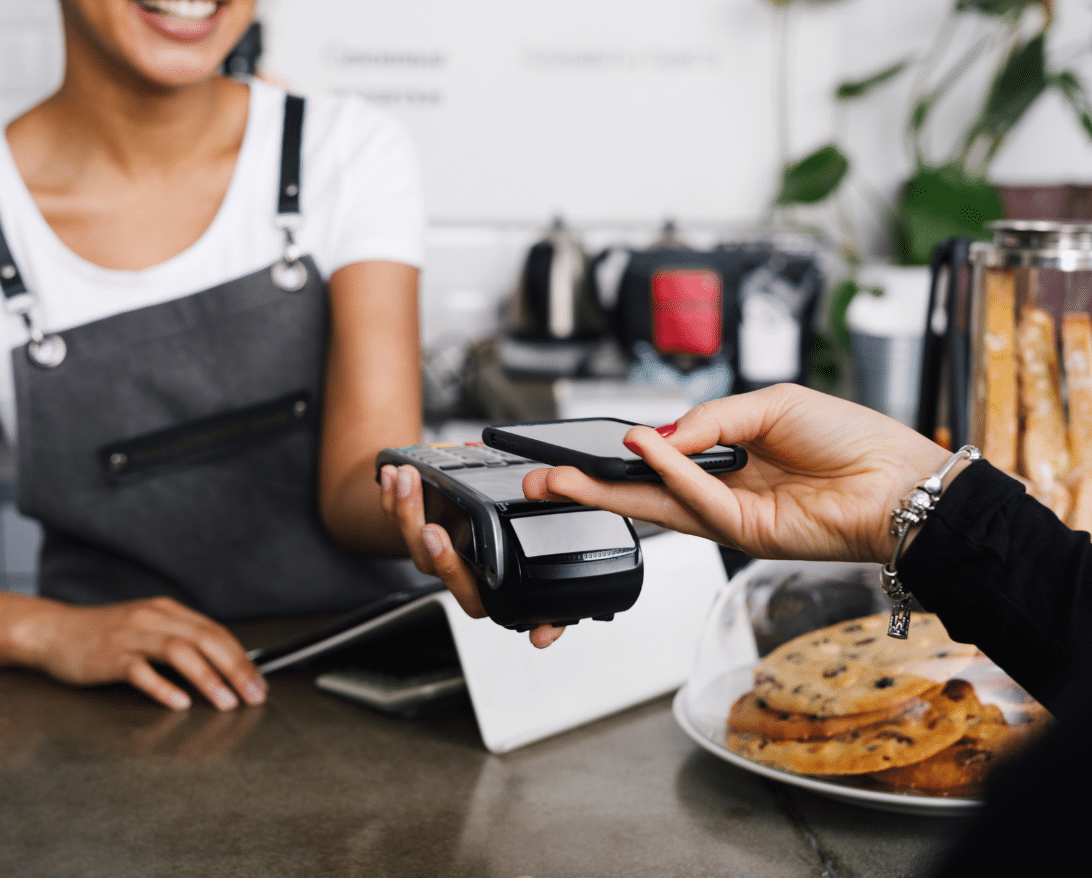
Today, many customers prefer a third option: contactless cards. These cards have chips that are equipped with tiny radio antennas. To transmit their account information, the customer taps the card on the reader — it sends the information over radio waves using radio frequency identification (RFID). Systems like Apple Pay use similar near-field communication (NFC) technology, enabling customers to pay with cards stored on their smartphones.
Keeping up with these latest trends in restaurant technology can help make your menu more accessible to customers. In fact, 80% of consumers have used contactless payments. If you fall into the 67% of US retailers who don’t offer this payment method, you could be missing out.
What to look for in a credit card processor
A high-performing credit card processor enables you to complete transactions quickly and create a better customer experience. When you’re choosing a credit card processor, consider these factors:
- Payment processing types. Select a processor that accepts a wide variety of in-person and online transactions. At a minimum, this includes swipe, chip, and contactless cards. RFID or NFC payments are particularly important; more than 50% of Americans use contactless payments. Most models also enable you to manually type in the customer’s credit card number for phone transactions or as a backup if other methods fail. If your restaurant participates in off-site events, look for a processor that allows mobile payment processing.
- Fees. Credit card processors charge a variety of fees for their services. Verify the percentages and calculate how they’ll affect your profit margins.
- Customer service options. Make sure an agent is available around the clock to help you if a problem arises. Read customer reviews; if you see a pattern of complaints about service, proceed with extreme caution. Regular outages or payment problems can damage customer relationships.
- Physical hardware. Investigate the type of hardware the processor offers and make sure it’s appropriate for your restaurant. It’s also a good idea to check whether the card reader is separate or built into a proprietary POS.
- compatibility. Verify that the system is compatible with your existing POS, CRM, and bookkeeping software.
- Terms. Check the terms of the agreement to find out how long it takes before funds are deposited into your account, verify the length of the contract, and learn about the fees for early termination.
Common credit card processing fees to be aware of
Accepting credit card payments involves multiple parties; each one typically charges a small processing fee for every transaction you make. They usually include:
- Merchant service fees. This is what your payment processor charges for its processing services.
- Interchange fees. This payment goes to the customer’s credit card issuer.
- assessment fee. This fee is charged every month as a percentage of your total sales. It goes to the credit card associations for the different types of cards you accept.
Actual fee amounts can vary considerably but usually range between 1.5% and 3.5% of each transaction. Each payment processor has its own pricing structure, so it’s important to compare quotes. The most expensive options tend to be those that charge a percentage of the sale plus an additional fee. Even though the flat fee is usually small, it can add up significantly over time. You can avoid high fees by choosing a provider that eliminates charges for renting equipment and sending statements.
Keep in mind that fees can vary between transaction types. To find the best deal, compare your sales data to the processor’s costs for in-person transactions, online sales, contactless app payments, and non-preferred cards.
Benefits of using credit card processing at your restaurant
Despite credit card processing fees, it’s almost always beneficial for your business to accept debit cards and credit card payments. Doing so helps you deliver a more convenient experience — customers can enjoy your food without a trip to the ATM. And because they don’t have to worry about having enough cash on hand, diners are free to spend more.
Modern consumers are accustomed to paying by card; in 2022, 41% of Americans made all their regular purchases without cash. Accepting cards lets you bring in more revenue from these cash-free customers.
Credit card processing also benefits your employees. The digital system reduces the risk of human error, making it easier to balance the till. Because customers don’t have to wait for change, transactions move more efficiently.
While credit cards have both benefits and drawbacks, you can minimize risk with these best practices:
- Ask for customer IDs.
- Use the chip instead of the magnetic stripe whenever possible.
- Offer contactless payments.
- Give a receipt for every transaction.
- Partner with a secure, reputable processor.
For most restaurants, the benefits of credit card processing far outweigh the fees. By choosing a payment processor carefully, you can minimize costs and deliver a fast, seamless checkout experience. Looking for more ways to integrate technology into your restaurant? Partner with Grubhub today to explore POS integrations, online ordering and delivery.
Ready, get set, say cheese toastie please at 185 eaters! –
Ready to titillate tastebuds around the country, the annual Great New Zealand Toastie Takeover is back for 2023 and kicking it up a gear, with a record number of toasties on offer from Kororāreka to Invercargill.
A firm feature on the culinary calendar, this annual celebration of the humble toasted sandwich keeps growing, with a record 185 eateries participating for 2023 – an increase on last year’s competition which saw a massive 140,000 toasted sandwiches consumed.
With this year’s competition now officially underway, toastie fans can look forward to three glorious months of sizzling sandwich goodness and some fierce competition at the grill, as venues battle it out for the title of the nation’s top toasted sandwich between now and late June.
Open to all New Zealand eateries, this year’s participants range from sandwich specialists, to fine dining restaurants, breweries and food trucks, with a vegan fast food chain, a subterranean cocktail bar, Wellington Airport, the Bluebridge Cook Strait ferry and even a retirement village in the mix.
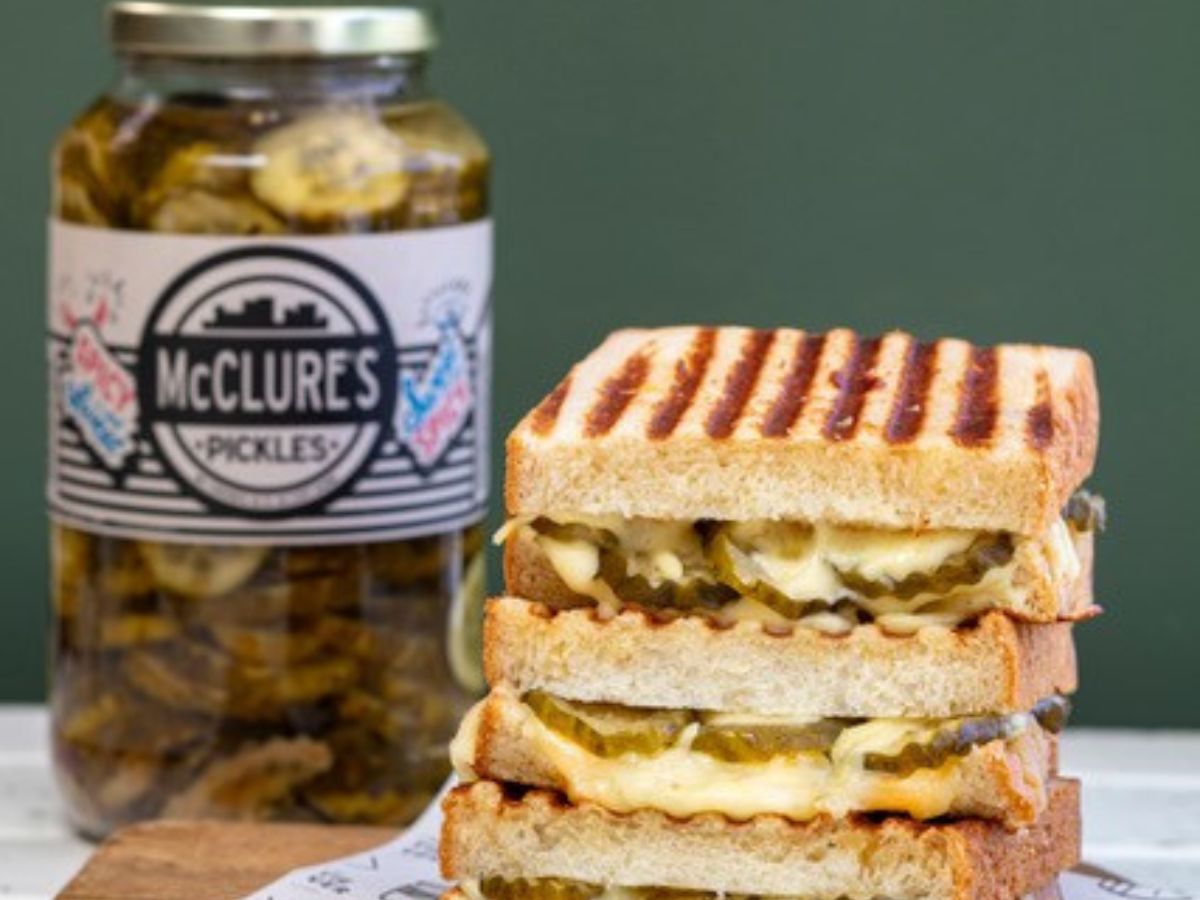
Competition rules remain the same as previous years. Each toastie must be sandwiched between two slices of bread and able to be eaten by hand if necessary. The toasted sandwich must contain cheese (or an acceptable vegan substitute) and pickles from the McClure’s Pickles range. Everything else is up to the maker’s imagination.
As always originality and innovation are on show in this year’s entries, with smoked eel, gabagool, crayfish, wagyu steak tartare, pork belly, lamb pastrami, smoked prawns, wild deer, beef short rib, braised ham hock, smoked brisket, apple cider pulled pork, and sustainable line caught fish all featuring as hero ingredients.
Equally adventurous condiments range from kawakawa aioli, to blueberry balsamic jam, pinot noir jelly, banana chips, consommé dipping broth, pickle juice gel and McClure’s pickle caviar. While notable breads include gold leaf brioche, ramen noodle buns, pickle brine sourdough and beef fat brushed New York deli roll.
The trend towards vegetarian or plant-based entrants continues, with 10 vegan and 5 vegetarian entries, with ingredients like crispy tofu schnitzel, roasted ‘duck’ cheese, housemade ‘not salmon’, and ‘faux shore tuna’ made from lemon roasted chickpeas on the menu.
Also notable this year is the multitude of cuisines on offer – everything from Korean, to Japanese, Vietnamese, Filipino, Chinese, Indian, Mexican, Cuban, Jamaican and American – and of course Māori and Kiwiana-style entries.

Last year’s winner, Chef Rich Johns from Rotorua’s Okere Falls Store and Craft Beer Garden, is hoping to take out the top award again with a whiskey BBQ glazed smoked brisket, Swiss, cheddar and mozzarella cheese, leftover pickle chilli wholegrain mustard, McClure’s Sweet & Spicy Pickles, Pantry D’or pickle brine sourdough brushed with whiskey compound butter and dusted with dill pickle salt. Served with a pickle shot of brine to wash it down – road-trip anyone?
In Ponsonby, Sid Sahrawat’s KOL is serving the ‘Eel-legal Toastie’ – smoked eel mixed with fennel, capers and McClure’s pickles, Evansdale Tania smoked cheese, on white bread toasted on fire in an Indian jaffle maker.
Also in Auckland, Brothers Brewery is offering its take on a ‘Turducken Toastie’ – buttermilk fried chicken, smoked turkey breast, duck bacon and housemade cornbread stuffing, with mozzarella, Swiss cheese, McClure’s sweet and spicy pickles and house made garlic aioli, all sandwiched between crispy buttered slabs of sourdough and served with a beer gravy for dunking. And extra pickles on the side of course for a palate cleanser.
In Havelock North, Te Mata Figs’ The Figgery Cafe has taken its gluten free ciabatta-style bread and packed it with succulent fig molasses hot smoked salmon, McClure’s garlic and dill pickle infused cream cheese and fresh baby spinach, topped with a dollop of sweet and savory green fig jam and served with a crunchy McClure’s garlic and dill pickle spear.
While in Ashburton, The Fine Lion is serving Lumina lamb katsu, McClure’s sweet and spicy pickles, daikon, sour plum, pecorino, sheep camembert and smoked kawakawa kewpie mayo on Harvey’s special bread, all served with togarishi spiced spud skins and a pipette of McClure’s pickle hot sauce.
With participating eateries vying for a spot in the competition’s final round, it’s now up to the team of 30 judges – overseen by head judge Kerry Tyack – to eat their way around all 185 venues, in order to decide which sandwiches make it to the final 12. Finalists will be revealed late May, and after a second round of judging – and more opportunity for the public to sample the judges’ top picks – the supreme winner will be announced 20 June.
Kiwis also have the power to vote for their favorite toasted sandwich with the return of the People’s Choice Award. Voting is open now, with the winner announced late May.
Judge and co-founder of McClure’s Pickles, Joe McClure, says he is looking forward to returning to Kiwi shores in June for the final round of judging.
“Every year I am blown away – 185 entries, what an incredible turnout. I love New Zealand and after three long years of being unable to visit, I can’t wait to get back in a few months’ time to help judge this year’s top toastie.”
As the competition’s toastmaster royale, McClure has a message for toastie fans.
“If you’re a toastie lover like me, here’s your chance to support your favorite eateries and sample some of these very innovative and no doubt delicious toastie creations. And don’t forget to vote for your favorite in the People’s Choice Award.”
With school holidays in full swing, now is also the perfect time to check out a few entries while out and about or on the road, says judge Kerry Tyack.
For a list of competing eateries and a description of their toasted sandwich creations, see below or head to toastietakeover.com.
Previous competition winners include Rich Johns from Okere Falls Store and Craft Beer in Rotorua (2022), Steve MacDougall from Mollies, Hotel D’Urville in Blenheim (2021), Romeo Dowling Mitchell from Hungry Hobos Dunedin (2020), and Joseph Walker from the Hokitika Sandwich Company Hokitika (2019).

10 Restaurant Sustainability Tips | Grubhub
The US Department of Agriculture (USDA) estimates that 30% to 40% of the food supply in the United States goes to waste each year. Restaurants are a significant contributor; in fact, between 4% and 10% of the food in commercial kitchens is thrown out before it’s even prepared. That’s a lot of meals thrown in the trash.
If you run a restaurant, this issue may already be on your radar. By finding ways to reduce food waste in your organization, you can ease the financial and environmental impact and set a good example for other businesses in the industry.
But how can your restaurant reduce food waste while maintaining quality? Read on to find out.
The impact of food waste
For restaurant owners, reducing food waste is a financial priority. After all, the ingredients you don’t use can come with significant costs. If you spend $100,000 on food and 4% of it goes to waste, you’re losing $4,000 — plus the costs of labor and storage that come with ordering, handling, and managing inventory.
On a grand scale, wasted food has more serious effects, both for the planet and the human race.
- environmental impacts: The US Environmental Protection Agency (EPA) estimates that food waste accounts for 21.6% of municipal solid waste. Most of that waste ends up in landfills; this cycle wastes all the energy that went into growing, producing, and transporting the food. Because food emits methane as it decays, it contributes to climate change.
- Food insecurity: The USDA found that 13.5 million households in the United States were food insecure in 2021, which means they didn’t have access to enough food at some point during the year. Wasted food can’t be rerouted to families in need.
The causes of restaurant food waste vary. Some food spoils before it can be used, often due to ineffective storage or poor inventory management. In some cases, your kitchen team might prepare too much of a certain dish; if you can’t serve it in time, it ends up in the trash. The same thing happens when customers don’t finish their meals.
7 restaurant sustainability tips to reduce food waste in restaurants
Here’s the good news: There are plenty of things you can do to improve food waste reduction at your restaurant. With small adjustments to your operational practices, you can cut waste, save money and reduce your ecological footprint.
1. Conduct a food waste audit
A food waste audit is one way to track the food that’s thrown out at your restaurant. During the audit period, staff should dispose of all food waste — including kitchen scraps, spoiled food and plate scrapings — into designated bins. In the process, ask your team members to make notes of the following:
- Ingredients, dishes or items that appear frequently
- Items that could be donated
- Food that’s thrown out before it’s used
At the end of the audit, weigh the food waste. Write down the amount, along with the number of meals you served and the revenue you brought in. These numbers serve as a baseline for future comparisons.
The results of the audit can help you find opportunities to reduce waste. If you notice that customers almost always throw out a certain vegetable or side dish, for example, it’s a sign to replace it with something else. If you have a high volume of spoiled food, consider revising your inventory and storage strategy.
2. Recycle used cooking oil
Restaurants use an average of 35 pounds of cooking oil per day. Disposing of it can be a hassle; an environmentally friendly solution is to recycle the oil. Get in touch with an oil-collection company that can pick up your used oil and transport it to a recycling facility. There, the oil is transformed into biodiesel fuel, animal feed, fertilizer and other products.
To reduce the amount of oil you send out for recycling, extend the life of your cooking oil by skimming it every 2 hours. It’s also a good idea to filter it at least twice a day to remove extra food particles and contaminants.
3. Optimize your restaurant storage
A poorly planned storage system can cause food to go to waste before you have a chance to use it. Here are some steps you can take to successfully optimize your restaurant storage:
- Designate storage tasks to specific employees.
- Create a shelf-life chart for quick reference.
- Store and label products immediately after delivery.
- Use ingredients on a first-in, first-out basis.
- Use perishable items as soon as possible.
If you notice that certain items go in the trash frequently, it might be time to remove them from the menu or order them in lower quantities.
4. Donate food whenever possible
Speak to local food banks, soup kitchens, and homeless shelters to identify the foods you can donate. Most organizations have specific rules; for example, they probably won’t accept prepared food that’s been on a buffet line. However, they can typically take non-perishable goods and packaged foods that aren’t expired.
Donating food doesn’t cut your costs, but it can help you earn tax credits. It also keeps food waste out of landfills.
5. Give leftovers to employees
When your restaurant has left over food that can’t be safely stored, donated or used in another dish, invite your employees to take it home. This is a great way to reduce food loss when a specific item doesn’t sell or the kitchen makes too much. It also helps boost employee morale.
To protect your employees, it’s important to follow safe food-handling practices. Don’t let them take food that’s been sitting out too long, and always make sure it’s packaged and stored properly.
6. Consider composting
There’s not much you can do to salvage food scraps left over from food preparation or customer meals. Instead of throwing them in the garbage, turn them into compost. One option is a commercial composter, which works quickly and accepts most types of food. Alternatively, you might be able to send your scraps to an industrial composting company.
If you have the space — and if the local health department allows — you might be able to build a traditional compost bin outdoors. Then, simply donate the compost to a local farm or community garden.
What can be composted in a restaurant kitchen?
- Food and vegetable scraps
- Coffee grounds and paper filters
- Paper tea bags (no staples)
- Eggshells (crushed)
- Shredded paper and cardboard
Meat, dairy products and oils cannot be composted. Cooked food also will not be composted.
7. Reduce portion sizes
Does most of your restaurant’s waste come from customer plate scrapings? Your portion sizes might be too big. Reducing portions is particularly effective if your customers can’t easily take leftovers to go; this is a common issue for restaurants located near hotels and airports. Alternatively, offer popular dishes in multiple size options so customers can order the one that best fits their appetite.
Before you start offering smaller portions, take time to train the staff. Teach them how to measure the correct amount of each item and how to plate it attractively. Depending on current sizes, you might consider using smaller plates or getting creative with presentation.
Additional restaurant sustainability tips
Reducing food waste in restaurants is just the first step toward sustainability. If you want to make a bigger change in your business, try these tips:
- Turn off equipment. By shutting down some kitchen equipment when orders begin to dwindle, you can save hundreds of dollars each year.
- Replace pre-rinse spray valves. Swap them with efficient models that use 20% less than the federal standard of 1.6 GPM; it can help you save $115 to $240 annually on water and energy costs.
- Insulate your water pipes. This low-cost strategy reduces energy loss.
- Become a certified green restaurant. Work with the Green Restaurant Association to get personalized sustainability recommendations. When you meet them, you’ll receive a certification that can be used on your website and marketing materials.
- Invest in sustainable packaging. Swap out plastic and foam options for sustainable to-go containers
- Reduce single-use plastic cutlery. You’ll save money and reduce overall waste. To help, Grubhub has joined the #CutOutCutlery campaign. In addition, delivery orders automatically default to zero utensils, so customers can opt in only if needed.
Grubhub for Restaurants is committed to driving sustainability across the restaurant industry
As a trusted delivery and mobile ordering platform, Grubhub is taking action to boost sustainability and food waste reduction. When you sign up with Grubhub for Restaurants, you’ll gain access to features that include:
- Quick menu edits. It’s easy to remove dishes when an ingredient runs out or you switch to a seasonal menu.
- Promotions. Use sales to move inventory before it expires.
- Virtual restaurants. A virtual restaurant is delivery-only; it gives you the freedom to adjust your menu, ordering and food-prep strategy to reduce waste and use fewer resources.
- Tech integrations. Grubhub uses the latest technology to allow accurate ordering and reduce errors.
When you’re trying to cut back on food waste, every action helps. Whether you choose to compost food scraps or find a food-donation option for surplus food, your efforts can cut costs and help the planet. If environmentally friendly delivery is part of your sustainability plan, Grubhub can help. To try Grubhub for Restaurants, sign up today.
How to get a liquor license
Alcohol can be a profitable revenue stream for your restaurant. It’s an easy win — the markup is high, the labor requirements are low, and the product has a long shelf life. In fact, the average restaurant makes about 20% to 25% of its income from alcohol sales. Before you can add beer, wine or spirits to your menu, however, you’ll need a valid liquor license.
What is a liquor license?
A liquor license is the permit you need to make, distribute or sell alcohol legally. These licenses are usually issued by your state, but counties and cities may also set additional restrictions. While each area has its own rules, most liquor licenses regulate factors such as:
- The types of liquor you can sell
- When you can sell alcohol
- Where customers can consume the alcohol they buy
- Limits on alcohol sales
- Who can buy alcohol from you
- Price limits on alcohol
It’s important to understand the specific liquor laws for your state, county and city — after all, you’ll need a license before you can sell a single drink. Most areas offer several license classes to suit different establishments. Common classes include:
- Beer and wine. These licenses allow you to sell beer, wine, cider and occasionally other malt beverages. Most areas have distinct beer and wine licenses for bars, restaurants, wineries, breweries and catering businesses.
- All-liquor. This license goes by many names, but it typically permits you to sell beer, wine and spirits.
- Tavern. A tavern license is designed for establishments where alcohol makes up the majority of sales.
- Hotel. Hotels that serve alcohol on the premises need this type of license, which may offer both on-premises and off-premises consumption.
- Brewing. A brewing license allows an establishment to brew its own beer and sell it to customers. Other licenses may also be required.
Most states have multiple variations on these licenses that specify whether you need to sell food, if customers can take their drinks to go and rules for live entertainment. Make sure to start early; the application process can take months.
How to get a liquor license
Your state’s liquor-control body, which is often called the Department of Alcoholic Beverage Control (ABC), typically handles the licensing process. It can tell you how to get a liquor license and advise you of any local laws that might affect the process. Some states require you to have a seller’s permit and appropriate business tax registrations before you can apply.
The process can vary by state, county and city but usually involves a variation of these steps:
- File an application. Contact your state’s ABC and file an application. You may be able to apply online; in certain areas, however, you’ll need to bring the application to the nearest ABC office. Expect to pay an application fee. You may also be able to apply for a temporary permit to sell alcoholic beverages before the official review process is complete.
- Post a public notice. Many areas require you to post a public notice in your restaurant to let customers know you’re applying for a liquor license. Certain states have additional rules for publishing a notice in the local newspaper or advising neighboring homes and businesses about your plans.
- Pay license fees. Depending on your area, you can expect to pay anywhere from $500 to $4,000 or more. There may also be additional fees if you need inspections or multiple licenses. You’ll also need to pay a renewal fee every 1 or 2 years.
- Wait for the licensing review. During this process, which can take anywhere from 1 month to 1 year, officials review your application. They’re likely to investigate you and your premises, as well as local laws. If you qualify, the state will either mail or hand-deliver your license.
- Post license and required notices. Most states require you to display your physical liquor license behind glass. Some also require alcohol warnings for minors and pregnant people.
Given the potential length of the application review, it’s important to integrate it into your planning process. Expect delays if issues arise or if your state has met its quota for new liquor licenses. If that’s the case, you will likely need to make do with a beer and wine permit until the next period begins.
Other bar licenses you may need
The liquor licensing process can be complex; you may need more than one permit, depending on the structure of your business. For example, if you plan to host live music, you’ll often need a separate license. In New York, it’s called a cabaret liquor license. Michigan has separate permits for businesses that offer catering, dancing, or entertainment. If you’re offering food, plan to get a health permit and a food service license.
You might also need a special alcoholic beverages license to:
- Offer extended hours
- Sell liquor at a secondary location
- host events
- Have a second bar
- Selling alcohol to members only
- Operate at a private golf club or a ballpark
Each license comes with its own fee, which could be anywhere from $500 to $1,000 or more. Most licenses are administered through the state ABC, but your city council may have additional requirements when you’re applying for a new license; the city clerk can provide details.
Grow your alcohol selection with Grubhub
Since 2020, alcohol delivery has been a growing trend; customers appreciate the ability to enjoy a drink with their meals at home. A number of states now allow restaurants to offer alcoholic beverages in addition to their regular menu. It can be a worthwhile investment — on Grubhub, the average order value increases by $14-$15 when you add alcohol.
If your state permits, Grubhub makes it easy to add alcohol to your delivery menu. You’ll need to package drinks separately and advise customers that delivery drivers will check IDs at the time of drop-off. You can streamline the process by taking steps to optimize your restaurant for beverage delivery. Choose secure packaging, for example, and make sure to provide insulation for hot or cold drinks.
Whether you’re hoping to offer alcohol sales on-site or with delivery orders, a liquor license is a must. Start the process well in advance and you can be ready to serve drinks as soon as you open them to the public.