

Catering Menu Ideas for Your Restaurant to Try
As the restaurant industry slowly rebounds from COVID-19, operators are looking for new ways to diversify their business. One idea that many restaurant owners have capitalized on is catering.
When it reached its peak in 2019, the global catering market was valued at an impressive $64 billion, most of which went to restaurants that offered catering services. Despite two-thirds of operators suspending their catering business during the pandemic, many are bringing it back into the fold.
In other words, it’s time to dust off the catering menu and start cooking up some fresh food ideas. Whether you’ve done it before or you’re brand new to the game, catering menu ideas aren’t easy to come by. To take advantage of this opportunity, you need to get creative — luckily, that’s why we’re here.
Here, we’ll walk you through all there is to know about putting together the perfect catering menu.
What you need to know about catering menus
Before you start coming up with catering menu ideas, you need to take a step back and fully understand the concept. Let’s get down to basics.
What is a catering menu?
A catering menu shows the list of food and drink options that a restaurant offers and the prices for those items and overall catering service. Event catering refers to companies that prepare food for special occasions according to the needs of the customer and their specific event. Unsurprisingly, the catering menu is the most important aspect of any catering business. It’s the first thing potential customers ask for when evaluating their options, which means it’s a make-or-break selling point that needs to be carefully considered.
But don’t be fooled: a catering menu and a typical restaurant menu are not the same. Restaurant menus are generally far more complex and comprehensive than a catering menu and might slow down a busy kitchen. Small menus are essential for event catering because they’re faster and more efficient.
What’s also important to remember is that not every catering business operates the same way. Generally speaking, you can lump them into two categories:
- catering services: A catering service is a company that exclusively caters special events. They don’t operate a brick-and-mortar food service operation.
- Restaurant catering: Not all restaurants are catering companies, but many restaurants cater. Whether they cook primarily on-premises in their kitchen or off-premises at the venue, any brick-and-mortar restaurant can break into the catering business.
How to say restaurant catering work?
Ultimately, you can execute your restaurant’s catering service any way you want. Traditionally, restaurants choose one of two paths:
- Full-service catering: You not only prepare the food but also provide service like you would at your restaurant. That means you supply the kitchen staff, bartenders and waitstaff for the event.
- Delivery and drop-off catering: Your kitchen simply prepares the food rather than serving it to your patrons. A customer might come to your restaurant and pick up the food, or you might arrange for delivery to the venue. Everything else is up to the customer to plan on their own.
Types of catering menus
The type of catering menu you create depends heavily on the type of event you want to cater for. Most catering events fall under the following categories:
- corporate catering: This may include small office meetings, corporate gatherings, training sessions and large regional events.
- wedding catering: A wedding menu is highly variable. Whether it’s a small bite during cocktail hour (like roasted tomatoes and fresh mozzarella) or a larger plate at dinner (like fresh herb grilled chicken), weddings tend to be more elegant and upscale.
- Social event catering: Menus tend to be more casual at social events and may cover a wide variety of options. We’re talking party food: fried chicken, BBQ, etc.
- Concession catering: Concession catering plays into the favorites that a majority of people will enjoy (ie, comfort food). Hot dogs, hamburgers, fries and ice cream are the usual suspects.
Benefits of a catering menu
As a restaurant owner, you already have an established brand, name and menu. That’s a fantastic starting point for adding a catering service to your operation. Here’s how it can benefit your business:
- Diversify your revenue: Before the pandemic, 90% of operators agreed that catering was important to their business. why? Because it increases profitability. Research shows that the average check size at a catering event is $283.
- Supports your workforce: Catering offers an opportunity for staff to earn money outside your restaurant’s regular operating hours.
- Boosts your brand: Launching a catering business is just another way for people to experience your food and can drive customers to eat at your restaurant.
Still curious? Let’s keep it rolling.
Catering menu tips and best practices
Creating a catering menu is a tricky business. Luckily, we’ve put together a recipe for success.
Here are some tips you can use to get started.
Match your concept to your restaurant
Don’t reinvent the wheel. You already have a restaurant menu full of great food ideas. If diners ask you whether or not you cater, chances are they’re loving what you’re already cooking up in the kitchen.
Here’s an idea: take your top-selling items and use them to form the basis of your catering menu. Determine which ones can be made in bulk without sacrificing quality or flavor and which ones can travel well or quickly be prepared at the venue.
Another good idea is to keep your menu short and sweet. Offer enough options for an appetizer, dinner and dessert so that people of all dietary restrictions have something they can enjoy, but only so much that your kitchen can easily master them.
Determine your style
Decide how your food will be served at the event. Here are some standard options:
- Serving stations: Staff serve food at designated locations.
- Action stations: Food is cooked to order in front of guests to ensure freshness.
- Portion controlled buffets: Staff serve dinners as they progress through a buffet.
- Self-serve buffets: Diners serve themselves.
- Plated: Waiters serve food like they would at a sit-down restaurant.
- family style: Every table receives a large platter of food, from which guests serve themselves.
Consider your variables
Before you choose one recipe over another, it’s important to have your bases covered. Many variables may influence this decision, but these three are the most significant:
- Cost per serving: Consider how much each plate will cost your business. You may find that one item is simply too expensive to cook in bulk and that the return doesn’t justify the cost.
- Ingredient availability: If you don’t want to make changes throughout the year, think about which ingredients are seasonally available compared to those that are easy to acquire at a moment’s notice. If a recipe calls for something especially exotic, you may need to order it far in advance. This is an added expense that may subtract from your total profits. To save money on ingredients for catering purposes, use ingredients that can easily be bought in bulk and are already being used in your regular menu items.
- Prep time: No. two recipes are created equal; some take longer to cook than others. If one dish takes too much time to prepare, it can throw off other important tasks in the kitchen.
Price your menu wisely
Obviously, you need to make sure your catering business is worth the effort. Catering costs normally include the price of food, service and additional expenses that may arise. Here are some ways to price your menu:
- Fixed pricing: Every item on the catering menu has a fixed cost. For example, a tray of finger food might cost $30 per order.
- Tiered pricing: This pricing strategy applies best to a buffet. The more guests at the event, the lower the cost per plate.
- Custom pricing: If you have a customizable menu, the price will be set according to the customer’s needs.
Make sure you also determine the markup for your menu. In other words, decide how much you’ll charge customers in addition to the cost of ingredients (ie, the cost of preparing, serving and delivering the food).
Catering menu ideas you can try
One of the biggest challenges of event catering is knowing what to put on your menu. Every recipe matters, which is why it takes so much time to plan.
That’s why we’re helping you cut to the chase. Here are some catering menu ideas you can use for your next event.
Tiny tastes that pack a punch
Pro tip: don’t put all the pressure on your kitchen to cook everything up on the big day, especially if they’re preparing food at the venue. There are plenty of tasty dishes that can be pre-portioned in advance:
- Fingerfoods: Mini sandwiches, charcuterie boards, pigs in a blanket — three fantastic choices that won’t let you down when they travel to the event.
- fruit cups: Who doesn’t love fresh fruit? They’re an easy-to-make snack that’s even easier on your budget.
- Soft pretzel bars: Spice up your buffet with the warm and savory bite of a pretzel that pairs nicely with the dipping sauces.
Vegetarian and eco-friendly food options
Make sure your menu has something for everyone — no matter the dietary restrictions. That means sourcing food mindfully from local vendors who supply natural foods and seasonal ingredients.
- Caprese skewers: Fresh mozzarella, tomatoes, basil and a dash of balsamic vinegar — that’s it! It’s an incredibly simple vegetarian option that delivers a complex and unforgettable flavor.
- Grain bowls: Layer a bowl of grains like farro, quinoa or rice with plenty of locally sourced veggies. Guests can mix and match the bowl as they wish (and even add protein like grilled chicken or beef if they choose).
- Egg plant parmesan: It’s the incredible flavor of chicken parmesan minus the chicken. Not only is it a great vegetarian option, but it’s also one you can easily prepare in advance.
Fan favorites and crowd pleasers
As previously mentioned, don’t stray too far from your restaurant menu. Using your menu as inspiration, think of the classic dishes that your diners can’t seem to get enough of.
- Seafood: People love a good seafood bar during cocktail hour or at a special event. Serve up a variety of shellfish like clams, oysters, shrimp or even lobster.
- Mini sliders: What’s a better way to keep the crowd happy than with comfort food? Whether it’s hamburgers, mac and cheese or another tasty creation, sliders are always a safe bet.
- Skirt steaks: If you’re appealing to an upscale crowd, steak might as well be given. Skirt steak is an especially popular choice of protein that packs a bit of extra elegance.
New to catering? Grubhub is here to help
Whether you’re preparing for your first foray into the catering world or you’re an industry veteran, you need to be ready for what’s ahead. With Grubhub, you can rest assured you have a partner on your side every step of the way.
33+ million diners are looking for their next meal on Grubhub. But did you know that they’re also browsing for catering menus too? When you’re on Grubhub, you can easily add your catering menu to your listing. That means diners can quickly access your menu and place an order — all from the Grubhub website.
Better yet, we make it easy for you to manage catering orders online from the convenience of your Grubhub for Restaurants portal. You can receive orders via email, Grubhub Marketplace or even your Direct online ordering site.
Want to learn more about catering? Check out our blog for more information. But if you’re ready to get started, sign up for Grubhub today!

How to Incorporate Locally Sourced Food Into Your Menu
More and more diners care about a restaurant’s sustainability practices. According to the 2020 National Restaurant Association Industry Report, 76% of adults said they are more likely to visit a restaurant that offers locally sourced food. If your restaurant doesn’t tap into the locally sourced food movement, you may be missing out on potential customers.
Continue reading to discover ways to integrate locally sourced ingredients into your restaurant’s menu.
What are locally sourced goods?
Locally sourced goods typically refer to food, ingredients or other consumable products that are sourced, purchased or procured within a specific radius distance from where they will be used. This definition varies depending on what people consider local, but to consumers, the label “locally sourced” means that the ingredients are healthier and fresher than other products purchased from farther away.
The push for local food and farm-to-table restaurants has grown in recent years due in part to the desire to support local growers and farmers. Buying from those in your community boosts the economy, creates more jobs and helps support produce growers.
Where can you get locally sourced ingredients?
Buying locally sourced food and ingredients can seem daunting at first, but there are many resources available to help connect you to local farmers and suppliers. Visit your local farmers market to meet farmers or network with farm-to-table restaurants in your area to learn which local suppliers they’ve had success with in the past.
Once you’ve found local farmers and suppliers to work with, focus on establishing a meaningful relationship with them. Small gestures, such as thanking your suppliers and keeping them updated on any changes within your restaurant, can go a long way toward showing suppliers that you value them as a business partner.
The more time you invest in building these relationships, the greater chance you’ll have to receive the ingredients you need. You may even enjoy some unexpected benefits such as the first pick of produce or discounts for your continued loyalty.
Even with close relationships built with farmers, there may still be some difficulties you have to overcome when purchasing locally.
How inflation affects local food prices
When inflation rises, so do food prices. Because it costs more to farm during times of high inflation, farmers must raise their produce prices to balance their return on investment. That means that food inflation may affect whether or not your restaurant can afford to purchase locally.
Even with the topic of food inflation being prevalent, it’s still possible to include locally sourced food in your entrées.
Tips for incorporating locally sourced food into your menu
You don’t have to replace every single item on your menu with locally sourced items or break the bank to include local goods. Here are some ideas for adding ingredients that will boost your local economy:
Start slow and set realistic goals
Sourcing local ingredients can be higher-cost due to working with small suppliers, which means switching your menu overnight to feature these ingredients can be costly. Help ease your restaurant’s transition by setting reachable goals, such as purchasing a small amount of locally sourced ingredients or only buying locally sourced food that is close in cost to your traditional ingredients.
It might also make sense for you to test run incorporating locally sourced ingredients into your menu. Consider featuring a special on your menu or even hosting a weekly local foods night that offers a special entrée made entirely from local ingredients.
Offering locally sourced food for sale as a retail model in your restaurant is also a great way to introduce the concept to your customer base. When indoor dining was shut down in New York during the height of the pandemic, The Council Cafe transformed its storefront restaurant into a local market featuring locally produced bread from Naira Bread in New York.
The Council Cafe’s market supported other local businesses and made locally sourced food accessible to their customer base.
Use locally-sourced food to fuel your seasonal menu items
Sticker shock is often enough to keep many restaurant owners from incorporating locally sourced ingredients into their menus, but it doesn’t have to be costly. By purchasing in-season produce, you can include local ingredients that are both more affordable and of higher quality.
Lighthouse, a farm-to-table restaurant in New York City, has found success in leveraging locally sourced ingredients in its seasonal dishes. The staff even put organic food waste to work by using vegetable and fruit scraps to make compost for their herb garden, which is used to create in-house spice mixes.
While buying locally sourced food can seem expensive at first, being strategic with your menu and using in-season ingredients can help reduce the cost of locally sourced food.
Seek out sustainable seafood from local fishermen
According to the World Wildlife Foundation, fishing is one of the largest contributors to the decrease in ocean wildlife populations. While the actual act of fishing is not terrible for the environment, overfishing — which is when fish are removed from the water faster than the species can replenish — is detrimental to our oceans.
Taking the extra step to seek out sustainable seafood options from local fishmongers is not only the right move for the environment but can also help your restaurant reach new diners. According to the Marine Stewardship Council, 70% of North American shoppers would like to hear more from restaurants about the sustainability of their fish and seafood products.
Fish, a sustainable seafood restaurant based in Sausalito, California, has become a success by creating inventive dishes that feature seasonally caught fish. By purchasing directly from local fishers, Fish can confidently communicate to their customers the exact path the seafood took from the water to their plate.
Attract more customers with a locally sourced menu
Tapping into the local food movement is a great way to grow your customer base and positively impact the environment. You may also be surprised by the health benefits that your customers experience from higher-quality food. According to Virtua Health, fruits and vegetables start to lose their nutrients within 24 hours of being picked, so the fresher your restaurant’s food is, the better it will be for those enjoying it.
Using locally sourced ingredients does not need to be an expensive or time-consuming task for your restaurant. Start by developing relationships with local farmers and fishers, creating seasonal dishes and setting realistic sustainability goals for your restaurant model.
Are you interested in learning more restaurant sustainability tips? Check out 10 restaurant sustainability tips that can help you reduce food waste and improve your restaurant’s profit margins.
Grubhub customers are hungry for restaurants that feature fresh ingredients and sustainable practices. Sign up to become a Grubhub restaurant partner today and be introduced to 33+ million diners who are looking for their next delicious meal.

Demand is high – No supply –
Opportunity in the outer suburbs
By Gerrick Numan
The inner suburbs, the ‘cool’ areas, have a lot of restaurants, cafes and bars. The demand is high but so is supply. That doesn’t mean another one won’t work, it just means there are opportunities elsewhere.
In some under-serviced outer suburbs, the demand is high and there’s no supply.
People are there, with money, looking to eat out but they have nowhere to go. If your concept is right, your chances of success are higher in the outer suburbs.
Just look at Peach’s Hot Chicken. We designed a venue for them in Panmure, Auckland, an area better known for pawn shops than dining, and they’ve had crazy queues out the door every single night.
Now they’re moving to a venue twice the size down the road. An excellent concept plus low competition has meant a much more profitable restaurant than if they had opened in the inner suburbs.
We’ve done the same for Sumthin Dumplin in Botany and many others.
Rent
Not only is competition lower in the suburbs, so are the rents.
A shop that costs you $80k per year in rent in an inner suburb, can cost $25k in the outer suburbs. That’s $55k in your pocket, immediately. The old real estate saying that you ‘make your money when you buy’ applies to leasing a space for a hospitality business too.
In an industry where margins are slim, lower rents can make a huge difference.
If you do $15k in sales per week, the lower rent means a drop in your annual rent percentage from 10% to 3% – an additional 7% of profit.
Postpandemic
There is less demand for retail spaces. So you will have increased negotiating power with landlords. This could mean a long rent free period or a significant capital contribution from landlords.
You will also be in a good place to negotiate a ‘sale friendly’ lease
Ie a lease that will be attractive to future buyers of your venue (multiple rights of renewal, annual rental increases capped at CPI, no demolition clauses). Get in touch with me any time if you want me to explain these ideas.
There is potential in failed venues.
The financial and emotional impacts of a failed concept on operators are nothing to be taken lightly. But at some point these venues and their unused fit outs and equipment will need to be used again. This can be an excellent opportunity to open a venue, without the massive expense and risk that comes from setting up a kitchen from scratch.
Where to from here?
If you need any help assessing a site, or tweaking your concept, get in touch with me anytime and let’s figure out a way to keep moving forward. www.mille.co.nz

The ultimate guide to running multiple restaurants
The COVID-19 pandemic altered the restaurant industry considerably, causing many struggling restaurants to shut down or reduce their business hours. But today, many establishments are back in the swing of things and bringing in pre-pandemic restaurant sales numbers.
As many restaurants move forward from the hardships of the previous couple of years, there’s more opportunity to open an additional restaurant location. There are tons of restaurants of all different sizes and styles across the country, and seven out of 10 of them are single-unit operations, according to the National Restaurant Association. This means that there are many managers who may be considering branching out or expanding their operations to different neighborhoods, cities or states.
If the thought of expanding locations is going through your head but you’re undecided, you’ve come to the right place. Let’s take a look at how you can best transition to operating multiple restaurant locations at once, what management styles may work for you and why you should consider opening a second restaurant.
Transitioning from one to multiple restaurants
Whether you choose to open multiple restaurants or simply want a single unit, there’s only one of you, the owner. Because restaurant management can be taxing, running more than one establishment can be challenging. Here are some common factors to consider when making the decision to branch out:
Finances
If your goal is to open another restaurant business, then you must ensure that your finances can support that choice. Opening another location for your business requires a building, new equipment, technology, employee salaries and benefits, raw materials, dining materials and more. There’s a lot to consider! Depending on the financial establishment that you bank with, there should be loans and funding available to you. Some of these options may include equipment and technology loans, working capital loans and lines of credit. It’s important to review your restaurant business plan as you consider your options for expanding.
Delegation
Although you’re the restaurant owner or manager for some reason, owning and operating multiple restaurant locations comes with the need to ask for help. You may think you can do it all on your own, but you’ll most likely end up burnt out and tired.
Be willing to delegate some of the responsibilities to another trusted person’s shoulders so you don’t have to bear the burden of successfully running every aspect of your business. That may mean handing over the financial side of your business and having an accountant or specific money-focused employee handle the cash your restaurant makes. Or, maybe you should take a step back from the employee relations side of restaurant management: hire a designated human resource professional to ensure the people working for you have what they need. Whatever the task may be, ensure that you have other people to help you.
Time and attention
This factor goes hand-in-hand with delegation. Time management is key when it comes to running multiple eaters at once. When you open a new restaurant, you can expect a very work-heavy start full of long hours that require a great deal of commitment. Plan to divide your time between your various restaurant locations as best as you can by scheduling regular visits to check in and see how things are going.
Consistency
If you’re opening a branch of an existing brand or franchise, then you must ensure that your customers will receive the same experience at this new location as the current restaurant. People want the convenience of having a branch of their favorite restaurant near their home or workplace, but they won’t want to sacrifice quality. Give them a positive customer experience by making the additional business an extension of their already beloved restaurant, featuring all the well-known aspects of your brand.
There are many more elements to take into consideration when adding a new restaurant to your portfolio, and, there are as many management styles that you can employ to make this a smooth transition.
Restaurant management types to test out
Being a restaurant manager is a constant balancing act. It’s helpful to pin down your management style and build guidelines for you and your other authoritative figures to follow to ensure a consistent front. Here are some of the more frequently used leadership styles:
Coercive leadership
This is a type of management where the person in charge makes confident decisions and gives very few explanations for why they did something a particular way. You can think of it as the “because I said so” approach to take charge. The benefits of this style include the ability to make decisions on the fly, the appearance of full control and quick reactions during emergencies.
Democratic leadership
In contrast to the previous approach, a democratic leader considers the restaurant staff majority when making decisions. People who use this style of management will ask questions, seek opinions and engage with employees regarding everything that happens at the restaurant. The pros of this approach are that everyone will feel like a part of the decision-making process, and, therefore, it can foster a sense of community. Just be cautious not to allow too many cooks in the kitchen (literally), because this can make coming to a final decision difficult.
Coaching leadership
Just like a sports team, a manager who guides their restaurant staff can work toward future goals and boost morale. This management style is all about instructing new hires, teaching cooking techniques or testing out different equipment. The only issue this style of leadership can have is when someone just isn’t fitting into your restaurant’s culture. It can be difficult for these “coaches” to let people on their team go, even if it’s what’s best for the restaurant.
The benefits of managing multiple establishments
Even with its challenges and obstacles, opening up another restaurant can truly benefit you. One of the main perks of managing more than one establishment at a time is the ability to take advantage of bulk discounts for food and supplies. When you serve more people, you need to purchase more ingredients, and many wholesale food companies will bring down prices when you buy higher quantities of raw goods. You can also share resources like staff and marketing materials across all of your locations.
If you serve a large customer base, your staff may be constantly overwhelmed. By opening another location, you can hire more people, spread the workload between the various locations and give your staff more of a break from constant high-volume shifts. On top of that, you’ll have more flexibility in terms of your employees’ scheduling and delivery hours. With additional staff and locations to choose from, team members can better find replacements for shifts they’re unable to fill and you can move people to specific locations when the restaurants are busier or need backup.
One additional (and recently developed) benefit of owning and operating multiple restaurants is the flexibility of the new establishment’s style. Let’s say that you want to open a new restaurant but don’t want to spend a fortune on a physical location. That’s where virtual restaurants come into the picture. Also called ghost or dark kitchens, virtual restaurants are delivery-only establishments that are located within an existing restaurant. They’re a great way to bring in new customers and more revenue without increasing your overhead costs. You can take advantage of Grubhub Direct online ordering and branded virtual restaurant services that make this type of restaurant a smooth process to open and operate.
Ready to open another restaurant? Take a peek at some tips and tricks for operating several establishments simultaneously.
Tips for running multiple restaurants
As a restaurant owner or manager, you have the power to make the process of opening a new restaurant work. Just implement some of these helpful guidelines to get started:
- Be organised: You may be able to get away with disorganized data, financial documentation and business processes with just one restaurant. However, overseeing multiple establishments requires automated inventory and operations management systems that can keep your reports and business intelligence secure.
- Be consistent: We’ve already mentioned consistency as an important aspect of management, but we’re bringing it up again because it’s so vital to your restaurant’s success. Keep your procedures for all establishments the same by employing a multiple-unit POS restaurant management system to run your locations smoothly. This will also help you share staff across multiple locations without having to show them the ropes.
- Communicate: Using proper and efficient communication in one restaurant is important, but it’s essential for managing multiple-unit establishments. Make it easy for your employees to put their skills to work and understand what’s expected of them by being open and frequently sending messages, calling or meeting in person.
Speaking of helpful technology, Grubhub for Restaurants is specifically designed to streamline your operations and make it easier for you to:
- Be more efficient.
- Make updates to your menu and services.
- Train employees properly and more quickly.
- Deliver to your customers.
You don’t have to manage multiple restaurants on your own. With Grubhub by your side, numerous operations can be a piece of cake!
Take advantage of Grubhub and reach 33+ million diners who are hungry for their next meal which could be from your restaurant. Partner with us today!
Carnival Wants to end Cheap Cruises (Royal Caribbean Agrees)
A hotel room that sells for $100 a night comes with a place to sleep, maybe a pool, and if you’re really lucky, a free, very mediocre breakfast. Buy a cruise cabin for $100 a night — something that’s easy to do right now — and you get your cabin, multiple pools, hot tubs, shows, live music, and as much food as you can eat from multiple venues.
That’s a great deal when cruise prices are relatively in line with land-based vacation prices. While they’re depressed, which they have generally been since the cruise industry returned from its covid-related shutdown in July 2021, both Royal Caribbean Group (RCL) – Get Free Report and Carnival Cruise Lines (CCL) – Get Free Report expect that to change.
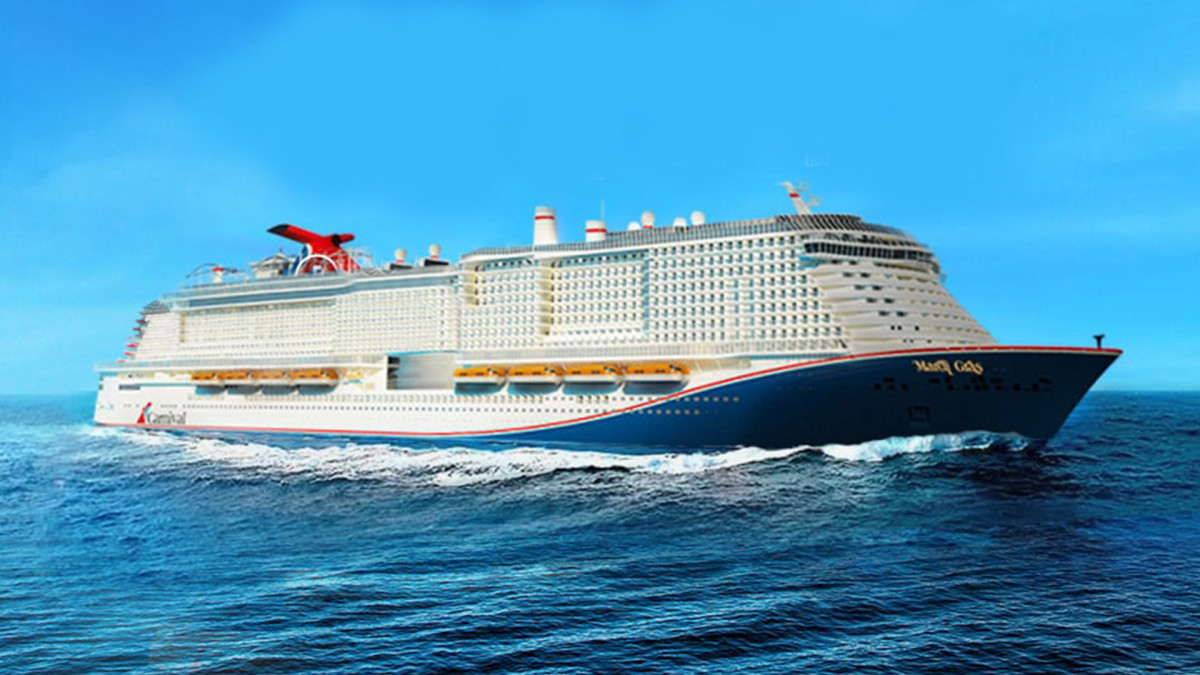
Both cruise lines have been aggressive in positioning their fleets, managing capacity, and building excitement. Carnival recently added Celebration, its newest US flagship, and Royal Caribbean has Wonder of the Seas, which began sailing during the pandemic.
Carnival CEO Josh Weinstein made it clear that he has a plan to bring cruise pricing higher, and he talked about it during the cruise line’s fourth-quarter earnings call.
Carnival Cruise Line
Carnival Sheds Ships, Ramps up Ads
Carnival removed a number of ships from its namesake brand in 2022. It also took three ships from its Costa line, which sails in Europe and has been impacted by both covid and the war in Ukraine, and assigned them to Carnival, giving that cruise line a new experience to market.
Weinstein has been focusing on making the various Carnival brands as efficient as possible. This has included adding new ships and dropping old ones.
“When coupled with the delivery of larger, more efficient ships, including the successful introduction of Carnival Celebration last month and the addition of Arvia for P&O Cruises just last week, this will result in nearly a quarter of our fleet consisting of new capacity,” he said. “This fleet transformation results in an 8-percentage-point increase in balcony cabins, along with a tremendous increase in available real estate on board to deliver even more differentiated onboard experiences and generate associated revenues contributing to durable revenue growth going forward.”
Basically, newer ships come with more revenue opportunities than older ones and Carnival used the pandemic to reset its fleet, adding new ships and phasing out older ones. Weinstein has also taken steps to let customers new and old know what the Carnival cruise lines have done.
“We are capitalizing on the 25% to 50% value gap for land-based alternatives that, frankly, should not exist with new marketing campaigns to communicate our significant value advantage to land-based alternatives, including newly launched digital creatives from several brands, ” the CEO explained. “We plan to continue these increased investments in advertising as we head into next year to promote a strong ‘wave’ season where we capture disproportionately higher bookings for the year, particularly our important summer season.”
Weinstein has his various brands focusing on maximizing revenue with an eye toward bringing higher prices.
“On the revenue management side, we are ensuring that each brand is utilizing pricing philosophies to maximize revenue, from launch to sailing, and sharing best practices across brands,” he added.
Royal Caribbean Wants Higher Prices Too
Royal Caribbean Group President Michael Bayley has also commented on cruise prices being too low. He explained why that has been the case in an interview with TheStreet.
“All of us were coming from very low load factors. And we were trying to get to our model number of 100% plus. And so, yeah, pricing was a challenge during that period,” he said.
The Royal Caribbean executive is confident that higher prices will return in 2023.
“I am more optimistic about pricing now than I’d been before. I think we’ve seen ourselves, our load factors are back, our bookings are solid, and our pricing is recovering,” Bayley said.
Royal Caribbean has Icon of the Seas, the first in a new class of ships, set for delivery late in 2023. Bookings on that new ship have been at record levels. In a broad sense, while cruise prices have been depressed, newer ships have been selling at premium prices.

5 Great Surf Spots in Bali –
Bali is one of the favorite destinations for every surfer in the world. Blessed with a diverse selection of waves making it perfect for surfers of any level. Here are 5 great surf spots in Bali you should try!
1. Batu Bolong Beach
Located in Canggu, this beach is a great place to choose if you are a beginner surfer. The fat and mellow waves make you super comfortable to learn for hours. Sometimes, there is a bit of small swell that might take you closer to a rocky patch, so you need to be aware. The low tide here produces some mushy and messy waves but in general, it is great at high or low. This spot is also perfect if you’re traveling with kids and they want to learn to surf.
2. Green Bowl Beach
After a 30 minute walk around a cliff and down a flight of stairs, you’ll be greeted by a beach that faces south, directly in front of pretty big swells, and is best at high tide. Its currents are super powerful which tend to pull you all over the place, so the paddling doesn’t stop. The tides here are usually very high in the morning, so midday is the best time to visit.
3. Suluban Beach
Suluban Beach is definitely perfect for advanced surfers. The tide produces big and powerful waves all day long that give the surfers perfect left and right breaks. Its beautiful and mystique vibes make us feel like surfing for a movie scene. The beach itself is also very unique since it is mapped out among the caves.
4. Balangan Beach
If you are into picturesque waves and beaches, Balangan Beach is on your number one list. Many surfers come here because it has a feeling of the true surfing culture. The waters chuck out waves no matter the tide and the bay are still really untouched. This spot is suitable for any level of surfers. The beginner can enjoy its smaller swells and when they get bigger that’s when the waves will be lined with the pros.
5. Table Stone
Last but not least, another favorite surf spot especially if you’re a pro one. The waves are super powerful and consistent, making them perfect for advanced surfers. This beach has attracted many surfers both locally and internationally. The perfect conditions are usually between mid and high tide since the low tide is too low over the shallow reef. A heaven for surfers.
Read the more articles here:

Vin Geek | Restaurant Bar with DIY Wine Dispenser
Vin Geek | Restaurant Bar with DIY Wine Dispenser
Restaurant bar Vin Geek quietly opened its doors mid-this year at Pacific Plaza. However, its name is probably known by wine-lovers. Upon entering the restaurant bar, you’ll be greeted by the DIY wine dispenser – with approximately 20+ bottles on tap at any time, a selection of whites, reds and roses. All of them are available in a tasting portion (30ml), half glass (90ml) or full glass (180ml), with prices as low as $2.50+ for a tasting portion.
Ordering is simple: choose a wine, scan the QR code and cart out. The chosen vino will then be dispensed into your glass!


Budget per person: $35 to $50 per person
Related Tags

How to find an eco-friendly hotel

You reduce, reuse, and recycle at home. And when it’s time to stay in a hotel, your desire to be as good to the planet as possible doesn’t go away. But finding an “eco-friendly” hotel can be a challenge. There’s a lot more to reducing a property’s environmental footprint than asking guests to reuse their towels. Hotels need to find ways to conserve energy, reduce water use and waste, source products from local vendors, and eliminate items like single-use plastic.
It’s important to be on the lookout for buzzwords and claims that can’t be backed up with receipts. Some hotels might tout themselves as being green, but their only offering is an electric vehicle charging station. A property that is actually walking the walk will explain its initiatives and share its water and energy reports, which will detail how much each is saved.
There are other questions to ask about an eco-friendly property: What is its waste management plan? Does it source food and other products locally? Does it give back to its local community and pay its staff a fair wage? Does the hotel have LEED certification from the US Building Council, or other official accreditations? If you want to know more or need clarification on any topic, call the hotel and ask to speak with someone who can answer your queries.
Here are a handful of hotels working to reduce their environmental footprints:
1 San Francisco Hotels
At 1 San Francisco Hotels, sustainability meets luxury. The property, open since June 2022, is inspired by nature, and embraces the idea of indoor/outdoor living, with preserved plants and driftwood in the inviting rooms and public spaces. Joel Costa, director of sales and marketing at 1 Hotel San Francisco, told The Week designers utilized locally sourced and repurposed materials for the property, with the lobby flooring consisting of 7,000 square feet of reclaimed barn wood and each guest elevator landing made of redwood lumber from the original San Francisco Bay Bridge. There are also gentle reminders for guests on steps they can take to conserve water, like the 5-minute timers in the showers, and through the 1 Less Thing program, they can leave behind extra clothing and accessories, which is donated to the St. Anthony Foundation, a local social services organization.

Courtesy of 1 Hotel San Francisco
The hotel’s restaurant, Terrene, primarily uses ingredients sourced from within 100 miles, “and we’re fortunate to be in Northern California, where this is possible,” Costa said. The greens don’t have to travel far — they come from the chef’s rooftop garden — and several of the cocktails on the menu are zero-waste. “In the kitchen, we divert about 71 percent of our waste out of landfills,” Costa said, through composting and recycling. The 1 Hotel San Francisco is under certification review for a LEED gold standard hotel.
Catherine Garcia was a guest of 1 Hotel San Francisco. Nightly room rates start at $490.
The Nature Inn at Bald Eagle
Located inside the Bald Eagle State Park, the Nature Inn at Bald Eagle offers a one-of-a-kind experience. There are lake views, forest views, and garden views, all from the comfort of this LEED Gold property in Howard, Pennsylvania. The hotel uses GeoThermal heating and cooling, and its 2,800-gallon rain water harvesting system is used to flush the toilets. Several of the windows are made from fritted glass to reduce bird strikes, and the Forest Stewardship Council certified white oak grown in the state was used to create the mission-style furniture found throughout the property. The patio furniture is made of recycled aluminum, and the counters at the front desk and library were constructed from sunflower seed hulls.
Nightly room rates are seasonal, and start at $115 in the winter.
The Allison Inn & Spa
the Allison Inn & Spa in Newberg, Oregon, is a well-oiled green machine. It received its LEED Gold Certification less than a year after opening in 2009, and since then has been adding to its eco-friendly initiatives. The hotel, which uses solar panels to heat the water used in the spa and across the property, has eliminated the use of plastic bottles and Styrofoam, focuses on bulk products rather than single-use items, and instead of air conditioners, turns to Mother Nature , opening windows so the breeze can cool things down. At the on-site Jory Restaurant, many of the dishes contain ingredients from the chef’s 1.5-acre garden and greenhouse, a welcome addition to the already lush grounds.
Nightly room rates start at $555.
Inn by the Sea
Right on the coast, the Inn by the Sea in Cape Elizabeth, Maine, with its lovely gardens that serve as habitat for wildlife and butterflies, is a charmer. The hotel has Silver LEED certification, and the goal of maximizing its eco-friendly offerings in order to minimize its footprint. The pool is heated by solar panels, while the spa’s sheet rock walls and cork flooring are made of recycled materials. The on-site Sea Glass restaurant works with local fishermen and farmers to get sustainable fish from the Gulf of Maine and organic produce, and all food waste is composted. The Inn by the Sea also partners with local schools by purchasing books from their wish lists and making donations to local environmental organizations.
Nightly room rates start at $284.50.
You may also like
9 brutally funny cartoons about Kevin McCarthy’s speaker vote disaster
Virginia teacher shot and wounded by 6-year-old in classroom
Kevin McCarthy elected House speaker following raucous debate proceedings