

Restaurant accessibility: How to run an inclusive restaurant
As a restaurant owner, you strive to make your restaurant welcoming to all customers. Yet without proper accessibility modifications, it can be difficult for those with disabilities to enjoy your delicious food. 61 million adults in the US have a disability. Prioritizing restaurant accessibility allows your business to be inclusive of all.
Designing an accessible restaurant can be daunting, but by following ADA standards you can provide a barrier-free dining experience for customers with disabilities. Not sure where to start? Take a look at our tips on how to make your restaurant accessible.
What is an ADA restaurant?
The Americans with Disabilities Act (or ADA) is a law that prohibits discrimination against individuals with disabilities in all areas of public life, including restaurants. The purpose of this law is to make sure public spaces are accessible for everyone, regardless of physical ability. This law also requires equal employment opportunities for individuals with disabilities.
Title III of the ADA directs businesses to make “reasonable modifications” to their operations when serving people with disabilities. As a business owner, you have a responsibility to make sure that your restaurant is ADA compliant. If you need to make alterations to your restaurant to improve accessibility, your business may be eligible for two federal tax incentives in order to fund the adjustments. There may also be state or local accessibility regulations for your restaurant as well.
6 tips to promote restaurant accessibility
Title III of the ADA states that restaurants must make sure their business facilities are accessible and meet federal standards. So what does accessibility look like? Take a look at these six tips on how to make your restaurant accessible.
1. Update entrances, exits and parking
Your customers’ restaurant experience begins before they even step foot inside. Patrons can’t enjoy your cuisine if they can’t get to your front door. Make sure that there is at least one route from your property’s arrival point to your restaurant that does not require the use of stairs. You may need to add an accessible ramp (less than a 2% slope), handrails or a lift.
If your business has parking, you must provide accessible parking spaces – including van accessible spots. You should have one accessible parking spot for every 25 spots in your lot. Check out ADA’s checklist to learn more about how many accessible parking spaces your restaurant needs.
The entrances and exits of your restaurant must accommodate different abilities. Your door should be able to open 90 degrees, and your entrances and hallways must have at least a 36 inch width. Check to see if your door handles and entrance ways can be navigated by people in wheelchairs. Not all buildings are the same, and the ADA outlines what policy your business should follow to meet the requirements.
2. Design an inclusive dining room
Once customers get through your door, you want to make sure they can navigate your restaurant freely. This means creating a 36-inch aisle to separate fixed seating. To meet the ADA requirements for wheelchair seating, 5% of your tables should be accessible.
Your goal is to make your dining room a comfortable space for everyone. You may consider reserving special hours for different groups like an early bird special for elders, a family-friendly dining hour or sensory-friendly events. Restaurants across the country are finding creative ways to make their business accommodate different needs, such as dedicating quiet dining areas for those with hearing or sensory challenges.
Accessible restrooms offer ample room for wheelchair users to steer around toilets and sinks. You may need to install an accessible stall with safety bars or add braille to your signage. The ADA further outlines how to design an accessible restroom.
3. Check service mobility
The way your restaurant is designed should allow people with disabilities to order and obtain food without assistance. If your restaurant offers self-service, it needs to be accessible. This means wide service spaces, reachable counters, accessible signs and an easy-to-navigate service route. If your menu is posted on the wall, have paper and online versions of your menu to accommodate those with vision impairments.
Customers of all ability levels should be able to get their food easily. Walkways should be at least 36 inches wide, and accessible check out counters must have a maximum height of 38 inches. Check that all your hallways, service routes, checkout stations and elevators comply with the ADA requirements.
4. Provide employee training
Thorough employee training is a must for any restaurant. Onboarding processes ensure that the employees clearly understand expectations and give them the confidence to perform their job successfully.
The ADA mandates accessibility in the workplace. Your onboarding process and materials should accommodate the various needs of employees with different ability levels. These training programs should be accessible for workers with disabilities, foreign language speakers and other demographics within your organization.
Your employee training should also give your staff the tools to accommodate all customers. This includes knowing where accessible tables are, asking diners about their allergies and any other accessibility procedures at your business. If a customer asks about accessible features, your staff should be ready to provide this information.
5. Create an accessible website
While the ADA does not address digital accessibility, reviewing the convenience of your website is good practice to ensure it can be navigated by all your customers. Following the Web Content Accessibility Guidelines (WCAG) international standards will allow people of all abilities to digest your content.
To start, your website should:
- Add proper alt text to images so it can be interpreted by screen readers or Braille devices
- Include headings, readable fonts, color contrast and white space
- Use descriptive URLs, photo captions and text
Don’t have a restaurant website? When you partner with Grubhub you get access to Direct, a commission-free online ordering site for your restaurant. Direct uses integrated management and branded customer experiences to make your operations run smoothly. It’s also easy to customize to reflect your brand while prioritizing an easy customer experience.
6. Design accessible menus
Designing accessible menus can help ensure that every customer can use your offerings. Accessible menus use design techniques and organization so that customers can read menus comfortably and efficiently, regardless of their abilities. Start by using a legible font on your paper menus, and make sure the menu pages are not too overstuffed. Following basic menu engineering tips will make your menus readable, logical and enticing.
Organizing your menu based on different classifications will make it easier for diners to navigate. Adding semantic markups to these classifications will also help those who use assistive technology to read your menu.
Technology has made it easier for those with disabilities to navigate digital menus. Creating a digital menu for your restaurant in plain text format (not PDF) will help those with assistive devices interpret your offerings. If you offer a QR code menu, keep some paper copies on hand.
Expand your reach with Grubhub
Prioritizing accessibility makes it possible for your restaurant to serve more customers. Offering takeout and delivery services can help expand your reach – allowing customers to enjoy your cuisine from the comfort of their home. When you partner with Grubhub you get instant access to 33+ million customers who are eager to order their next meal. Our technology can seamlessly integrate your POS system and simplify your menu management, increasing efficiency and reducing errors.
Ready to expand your restaurant’s reach? Partner with Grubhub today.

Ouch, Siesta Key ranks among the worst hotel service in the nation, study shows
Does a room with a paradisal view make up for poor hotel service? apparently not.
Despite being recognized for having one of the best beaches in the country and in the world by Tripadvisor, Siesta Key was ranked the 4th worst city for hotel service out of 20 cities, according to a study from Planetware.
The study analyzed nearly 8 million hotel reviews from more than 9,000 hotels across 95 US cities to determine those with the worst hotel reviews, worst hotel service, and the common complaints made.
Based on their methodology, they took the millions of hotel reviews and formed a percentage of all analyzed hotel reviews in a given city that were 1-star or 2-star reviews. Rankings for worst hotel service were based on the frequency of keywords mentioned in bad reviews.
What other Florida cities made the list for worst hotel service?
Five Florida cities made the top 20 list for worst hotel service:
Miami Beach – 1
Key West – 10
Panama City Beach – 12
Fort Lauderdale – 15
Daytona Beach – 19
Spotted in Sarasota? Bobby Flay eats at the popular Sarasota food truck, says the signature sandwich is ‘delicious’
What city had the worst hotel reviews?
Topping the list for the most one and two-star reviews at 20% is Myrtle Beach, South Carolina.
In case you missed it: North Port Little League memorializes a 6-year-old boy who died after a dog bite
What other cities made the list of worst reviews?
The top 15 cities with the worst reviews are:
Myrtle Beach, South Carolina
Atlantic City, New Jersey
Virginia Beach, Virginia
San Jose, California
South Padre Island, Texas
Memphis, Tennessee
Tampa, Florida
San Antonio, Texas
KansasCity, Missouri
Columbus, Ohio
Indianapolis, Indiana
Lexington, Kentucky
Phoenix, Arizona
Nashville, Tennessee
Galveston, Texas
What are the most common bad reviews left for hotels?
Nationally the most common bad reviews left for hotels:
How do I make sure I’m booking a good hotel?
As for cleanliness after you book, nonprofit founder Christopher Elliott offered tips for USA Today in 2021 on how to tell if your room is actually clean, such as:
Read online reviews. User-generated online reviews are a great source of cleanliness ratings. He recommends a zero-tolerance policy at a time like this, adding if he sees just one review that suggests the hotel isn’t taking sanitation seriously, he usually books elsewhere.
Pay attention to high-touch surfaces. At a hotel, that would be the doorknobs and TV remotes. Often, they aren’t cleaned between guests, says Roman Peysakhovich, CEO of Onedesk, a commercial cleaning company. “This carries serious risks in terms of passing germs.” His advice: Clean them yourself as a precaution.
Look for real evidence of cleaning. Some hotels place seals on the door, and others shrink-wrap your TV remote in plastic. He wrote that the two most proven methods were looking for dirt and dust and giving the room a sniff test. If you smell a faint odor of cleaner and don’t see any dirt, that’s usually a good sign.
Contributing: Samantha Neely, Fort Myers News-Press
This article originally appeared on Sarasota Herald-Tribune: Siesta Key ranks among the worst hotel service in the nation, study shows
Boost deliveries and test new menu concepts with virtual restaurants
The pandemic changed the way customers order from restaurants. Offering delivery and pickup has become essential for restaurants to stay competitive, shifting the way we understand restaurant growth. This change has also led to the rise of a new type of restaurant: virtual restaurants.
Virtual restaurants have become one of the biggest growth opportunities in the industry. The virtual restaurant market is estimated to reach $1 trillion by 2030, proving this type of business to be a reliable avenue for growth. Virtual restaurants can launch in about a quarter of the time of a physical restaurant, saving you time and money.
Read on to learn what virtual restaurants are, then be sure to download the checklist to understand exactly how you can experiment with a new brand of cuisine while growing your delivery sales.
Demystifying The Virtual Restaurant
Also known as virtual kitchens, ghost kitchens or delivery-only restaurants, the virtual restaurant concept is actually quite simple.
They are delivery-only operations that accept orders solely online—through apps and websites like Grubhub. With no need for a brick and mortar location, the restaurant only exists online.
Restaurateurs can launch a virtual restaurant to experiment with a new menu concept, brand a subset of existing menu items or capture unique customer demands for particular food in the market. In this way, restaurants can open up a whole new “restaurant” without any additional expenditure on staff or rent.
Since all orders are placed digitally and delivered, customers don’t know (or care) that the restaurant is “virtual.” They may even be excited to try new concepts if they are put out by their favorite local restaurant. Their only concern is that the food tastes great, is easy to order and is delivered to their door.
Paving The Way To Your Own Virtual Restaurant
So what goes into creating a stellar virtual dining experience? Take a look at these steps you can follow to launch your own virtual restaurant.
Step 1: Choose Your Cuisine
Your menu can expand your existing offerings or be based on a subset of items from your current menu. You can even test out an entirely different concept—one that may even be completely different from your physical restaurant. With the data provided by Grubhub, you can even pinpoint what type of food customers are searching for, but not finding, within your delivery boundaries, and create a menu that fills that gap.
Once you’ve decided on what type of cuisine you want to serve, the next step is to engineer your menu. Explore how competitors price and market their cuisine, look into local diners’ ordering habits and decide how you want to source ingredients. You’ll need to compile data to calculate food costs, identify contribution margins and determine what menu items are likely to sell. After you’ve evaluated this data, the final step is to create menu prices. These prices don’t need to be set in stone – you should evaluate your business during the first few months of operations to optimize your menu.
Step 2: Create Your Brand
Now that you know what you want to sell, you need to brand your restaurant to build customer recognition. Your brand should reflect your virtual restaurant’s cuisine type and niche. Spend time deciding on brand assets like a name, logo, theme and photos – these things will be the first things diners see when they order from your restaurant.
Use your branding to convey your restaurant’s identity and distinguish it from competitors. Make sure you have a good understanding of your target customers before you finalize branding to ensure that your restaurant’s theme will resonate with them.
Step 3: Develop a delivery strategy
Virtual restaurants cannot function without delivery. Your virtual restaurant’s delivery fleet should be professional, timely and efficient. Because your restaurant doesn’t have a physical storefront, your drivers are the ones who will interact with customers. Ensuring you have the best drivers can make sure your brand is represented well.
Grubhub delivery can help take work off your plate by handling out-of-house services for your virtual brand. Grubhub delivery allows restaurants to expand their delivery boundaries and reach customers in a timely manner, giving diners real-time updates on their progress. Our fleet of over 300,000 drivers are experienced and professional, equipped with the right tools to make sure your cuisine reaches your customers.
Step 4: Launch Your Virtual Restaurant
So you think you’re ready to launch your virtual restaurant? Before you start cooking, make sure you have enough inventory to support your virtual restaurant staff. Your staff should be trained on how the virtual kitchen will operate, and you should have a plan on how your virtual restaurant will work in tandem with your brick and mortar location if applicable.
Launching your virtual restaurant is as simple as publishing your menu online. You can add an online ordering link to your restaurant’s website to start. Want to get your restaurant in front of eager diners instantly? You can list your virtual restaurant on a third-party delivery platform like Grubhub to get access to 33+ million customers. Listing your restaurant on Grubhub Marketplace makes it easy for customers to place an order right from any device via an app or online platform.
Grubhub partners also get access to Direct, a commission-free online ordering platform that is completely free to use. With Direct, you can list your virtual restaurant’s menu online and easily manage restaurant info from your existing Grubhub account. Direct can also integrate into your existing website, giving customers an easy way to place an order. And the cherry on top is that Direct collects customer data that you can download for free and use to better target your marketing efforts. Learn more about how Direct can help your virtual restaurant grow.
Step 5: Market your virtual brand
A virtual restaurant isn’t subject to the same street recognition as brick and mortar restaurants. Restaurants that don’t have a physical dining room need to put in extra effort to make their presence known. Simply creating a website isn’t enough to generate a customer base. You need to market your new brand to potential customers to make them aware of your offerings.
Your marketing strategy should be holistic – covering web, email, social media and good old fashioned word of mouth. Your restaurant’s website should contain all the necessary info about your brand, featuring the menu, hours, delivery method and how to order. Modern diners use social media to explore new cuisines. Create social media pages for your restaurant on popular platforms like Instagram, Facebook and TikTok to share your creations. Once you start getting customers, collect their emails so you can send them announcements, deals and promotions to prompt them to place an order.
Just because your restaurant doesn’t have a physical location that customers can visit doesn’t mean you can’t connect with your local community. Old fashioned forms of marketing like fliers, signs and press announcements are a great way to make your presence known to your neighborhood. You can even partner with local businesses to cater an event to grow awareness of your brand.
Finally, encourage your customers to leave reviews about your restaurant on your website, Google Business page or on Grubhub. Reviews are a great way to legitimize your restaurant, especially when you’re just starting out. Plus, positive reviews can serve as free marketing for your restaurant.
Making A Virtual Restaurant Work For You
There are many exciting advantages to opening a virtual restaurant in addition to your physical restaurant.
- Obtain High Rewards For Low Investment. Virtual restaurants are efficient and save money because they grow your business without increasing overhead costs.
- Grow Delivery Sales. You can open up new channels of revenue using the same amount of staff, space and resources by operating one, or multiple, virtual restaurants out of one physical kitchen.
- Reach New Customers. By branching out with a new concept, you can reach an entirely different customer base.
- Innovate and Lead. With little risk, you are free to experiment and test out what works to create successful concepts and satisfy needs in your particular market. Also, being able to change your menu on the fly without updating printed menus or signage allows you to be flexible and creative.
- Increase Digital Presence. By living online, your brand will get valuable exposure through the Grubhub website and mobile app.
Whether you want to increase delivery sales or experiment with a new restaurant concept, a virtual restaurant can help you reach your goals with low risk and high rewards. Learn more about opening a virtual restaurant. Ready to reach new customers and grow your business with Grubhub? Signup today!
Menu engineering: creating a more profitable food and drink list
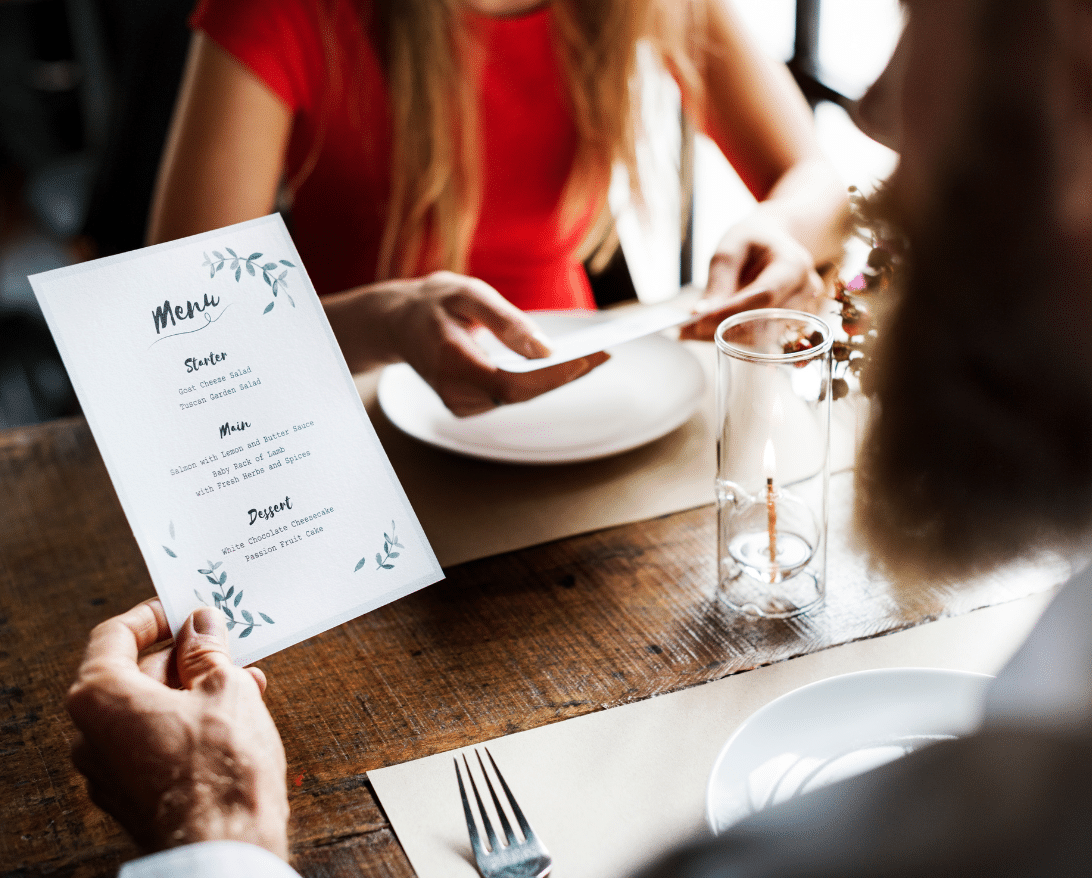
When a customer encounters your restaurant in person or online, the menu is the first thing they look for. This simple tool is one of your biggest assets — the design and dish selection affects everything from the average order value to the sales volume for each item. Menu engineering is a data-driven way to create a menu that makes the most of your resources and boosts your bottom line.
What is engineering menu?
Menu engineering is the process of designing and optimizing your restaurant menu in a way that maximizes profitability. The process starts by collecting data for each menu item:
- Calculate food costs
- Identify contribution margin
- Analyze sales data to determine popularity
This data enables you to categorize items based on how popular and profitable they are. With that information, you can create a menu that strategically increases the profit for every diner.
In some cases, the process is as simple as writing a more compelling description or altering the menu design to promote profitable items. For others, you might need to take more drastic steps to increase profits, such as switching to lower-cost ingredients, increasing the price, reducing the portion size or altering the side dishes.
How to calculate your food costs
The first step in menu engineering is calculating food costs for everything in your restaurant menu. To start, write down all the ingredients, including garnishes, condiments and seasonings. Then, assign a quantity to each ingredient and calculate its cost based on the price.
For example, imagine a recipe calls for a 15-ounce can of tomato paste. Your restaurant pays $45 for a case of six cans, which means each can costs $7.50. The recipe makes 25 servings, which means each serving uses $0.30 in tomato paste.
Add up the individual ingredient costs to get the food cost for each dish. Use this data to calculate your contribution margin, or the amount of money you make by selling each dish. To do so, subtract the food cost from the menu price. If you sell a serving of lasagna for $15 and the food costs are $6.50, the contribution margin is $8.50.
You may already have key menu engineering data on hand; many restaurants use food cost percentage and profit margins when setting menu pricing.
Creating a menu to maximize profits
Once you have the food cost and profit margin for each restaurant menu item, it’s time to bring in the sales data. For each item, note the number of sales over a given period. The higher the sales volume, the more popular the item.
Next, use your contribution margin and sales volume to plot each item on a menu engineering matrix. The x-axis should show profitability (contribution margin) from low to high; the y-axis should show popularity (sales volume) from low to high. Based on the placement of items in the matrix, you’ll be able to visualize how they fall into four categories:
- High profitability, high popularity
- Low profitability, high popularity
- High profitability, low popularity
- Low profitability, low popularity

Reworking your menu based on profitability and popularity
Now, it’s time for true restaurant menu engineering: identifying concrete ways to maximize profits in each of your four categories.
1. High profitability, high popularity
The items in this category are the most important — they have high profits, and customers love them. There’s usually no need to make changes to the dishes themselves. Instead, find ways to increase sales by altering the menu design:
- Place items near the top or center of the page or section
- Create a special section defined by a colored box or frame
- Highlight popular dishes with a “customer favorite” icon
- Showcase dishes with food photography
A powerful, visibility-focused menu design can boost profits, even when the price and ingredients stay the same.
2. Low profitability, high popularity
These dishes are popular with customers, but they use high-cost ingredients. To increase the profits, you have a few options; each one comes with benefits and risks.
- Raise menu prices. This strategy maintains the existing quality and taste of the dish and increases profitability. It can be effective if your customers aren’t price-conscious; if diners are on tight budgets, you risk a drop in sales.
- Adjust ingredients. Ask your kitchen staff to swap in cheaper ingredients. If you can do this without changing the flavor and texture of the dish, you can increase your profit while keeping prices the same.
- Change portion sizes. When portions are too big to finish comfortably but not so big that they produce left overs, consider reducing the size. Your customers will still be satisfied, you’ll make more money and you’ll reduce food waste.
- Create more profitable specials. Take your popular dish and add high-profit items to create a special. If customers love a low-profit appetizer, for example, you could create a happy-hour special that includes an appetizer and a cocktail with a high contribution margin.
3. High profitability, low popularity
When you have dishes that are profitable but largely ignored by customers, it’s time to do some digging. To start, offer the item as a freebie to select customers and ask them about their experience. Is the dish too expensive? Is the flavor unappealing? Are they turned off by the ingredients? If so, you can adjust accordingly.
If you find that customers like the food and the price, it’s time to change the menu design. It could be an awareness issue — a problem that’s easily solved by putting the dish in a more prominent position on the page. You can also consider writing an appealing menu description that whets customers’ appetites and explaining why the dish is special. This strategy uses the psychology of menu design to create curiosity and appeal to the senses.
4. Low profitability, low popularity
It might seem alarming to find menu items that have high food costs and low sales volume, but it’s actually a valuable opportunity. After all, this category tells you a great deal about what your customers do and don’t want.
In most cases, your best bet is to remove these items completely. You’ll free up space on the menu and create an opening for new, more popular dishes.
As a restaurant owner, it can be difficult to give up menu items. If you’re passionate about the dish, you can try to salvage it by improving the flavor or using ingredients with higher profit margins.
Get your menu in front of customers
You’ve analyzed menu items and invested in the menu engineering process — now, it’s time to get your new, profit-focused restaurant menu out to customers. For in-house diners, all you need to do is replace old menus with the updated versions. To avoid the costs of printing new menus, you can replace physical copies with a QR code menu. Print the QR code on table tents, stickers and signs so customers can find it easily. Make sure to keep a few paper copies on hand for tech-averse diners.
Keep in mind that many customers check out your menu online before making a reservation or ordering for delivery. To ensure they’re seeing the newest menu, follow these steps:
Do you use a food delivery platform? You’ll also need to update the menu in your profile. Grubhub for Restaurants streamlines the process with a simple update system — edit the menu after closing and it will be visible to customers during the next shift. Any changes you make automatically flow through to your Grubhub Direct branded ordering websites, saving time and ensuring every menu is consistent.
When you’re a restaurant owner, the menu is your most important marketing tool. Menu engineering is an effective way to streamline and refine the menu to ensure every item is pulling its weight. Ready to get your menu in front of more customers? Partner with Grubhub today to gain access to 33+ million hungry diners.

A 5-star restaurant kitchen cleaning checklist
Next to cooking, cleaning is the most important process in your restaurant. Rigorous cleaning and sanitization helps kill bacteria, which prevents a variety of contact and food-borne illnesses. When the procedure is compliant with federal, state and local food codes, it’s easier to maintain a high restaurant health score, even after a surprise health inspection.
Cleanliness also benefits your bottom line — when diners can enjoy their meals in a fresh, spotless setting, they’re more likely to give you positive reviews and repeat business.
Need help with consistency and accountability? Try standardizing the process with a restaurant cleaning checklist. That way, employees don’t need to rely on memory after a long shift; they can simply work through the list and sign off on each task.
Front-of-house cleaning checklist
The commercial kitchen is often the focus of a restaurant cleaning procedure, but the front-of-house matters, too. Because this is the only part that restaurant customers see, it shapes their opinion of your business. For most establishments, it makes sense to separate the cleaning procedure into daily, weekly and monthly tasks. This ensures high-contact areas are always fresh; it also prevents dirt buildup, so deep-cleaning days are easier.
Before you start, make sure to have common cleaning supplies on hand:
- Cleaning gloves
- Surface cleaner
- Disinfectant spray
- Cleaning cloths
- Sponges
- Paper towels
- Glass cleaner
- Brooms
- Vacuum
- Fool
- Buckets
- Floor cleaners
- Scrub brushes
- Garbage bags
- degreasing solution
Daily front-of-house restaurant cleaning checklist
During each shift, perform these tasks as needed:
- Wipe down and sanitize tables, counters and seats
- Clean and sanitize bathrooms
- Sweep or vacuum floors
- Wipe food and drink off of the menu
- Wipe down condiments
At the end of the day, do the following:
- Clean and sanitize tables, counters and seats
- Clean and sanitize bathrooms
- Clean and sanitize railings and door handles
- Clean and sanitize menus
- Sweep and mop hard floors
- Vacuum rugs and carpeted areas
- Clean streaks, fingerprints and smudges from windows
- Refill disposable supplies
- Wipe down walls if needed
- Take out the trash
- Take out recycling
- Sanitize recycling containers
- Send dirty linens to the laundry
Weekly front-of-house restaurant cleaning checklist
- Clean and sanitize doors
- Wash windows
- Wash mirrors
- Dust light fixtures
- Dust decor and signs
- Deep-clean toilets and sinks
- Dust liquor bottles behind the bar, if applicable
- Clean draft lines, if applicable
Monthly front-of-house restaurant cleaning checklist
- Deep-clean all bathrooms
- Clean and dust light fixtures
- Clean and dust ceiling fans
- Vacuum all carpet thoroughly
Back-of-house cleaning checklist
Cleaning a commercial kitchen requires constant attention — in this fast-paced environment, it’s best to clean regularly throughout the day to prevent big messes. In the process, you’ll increase food safety and reduce the risk of cross-contamination and food-borne illness. Regular cleaning can also improve restaurant kitchen safety, which protects your employees and your business.
As with front-of-house cleaning, there are some tasks you should do every day. Others, you can do every week or month. To help your staff clean efficiently, stock up on these key cleaning supplies:
- Cleaning cloths
- Steelwool
- Scrub brushes
- Fool
- Brooms
- Cleaning gloves
- degreasing spray
- Disinfectant spray
- Surface cleaner
- Commercial floor cleaning solutions
- Commercial dishwasher detergent
- Dish detergent
- hand soap
- hand sanitizers
Daily restaurant kitchen cleaning checklist
During the day, keep the kitchen clean by running through this restaurant cleaning checklist as often as necessary:
- Wash hands frequently
- Clean surfaces before switching foods or dishes
- Clean and sanitize food-prep areas after preparing raw meat
- Wipe up messes
- Clean and dry spills on the floor
- Scrape the griddle
- Brush the grill
- Move utensils and dishes to the dishwashing area between tasks
- Package ingredients safe for storage
- Mark ingredients and prepared dishes with the date
- Run the dishwasher
At the end of the shift or the day, do the following:
- Clean and sanitize counters and food-prep areas
- Clean and disinfect cutting boards
- Degrease and wipe down appliances
- Clean the surface of the ice machine
- Clean and sanitize sinks
- Clean the grill, griddle, range and fryer
- Empty drip trays
- Filter the oil in the fryer
- Clean and sanitize handles and knobs
- Send all dishes, pots and utensils for dishwashers
- Put away clean items
- Send uniforms, aprons and towels to the laundry
- Clean floor mats
- Clean beverage-dispenser heads
- Take out the garbage
- Sweep and mop the floors
Weekly restaurant kitchen cleaning checklist
- Go through inventory and dispose of expired items
- Delime sinks, faucets and coffee makers
- Clean coolers and refrigerators
- Clean ovens
- Boil out the fryer
- Switch out the oil in the deep fryer
- Wipe down vent hoods
- Pour drain cleaner in floor and sink drains
Monthly restaurant kitchen cleaning checklist
- Clean vent hoods and fans
- Clean behind major appliances
- Clean and sanitize the interior of the ice machine
- Empty and clean the grease traps
- Wash the walls and ceiling
- Deep clean the floors
- Clean and sanitize inside refrigerators and freezers

7 Restaurant cleaning tips
Every restaurant will have a slightly different commercial cleaning checklist — a takeout sandwich shop requires a different process than a family pizza place. As you design and implement a custom procedure, use these tips to improve everyday cleanliness.
- Encourage frequent handwashing
Ask your staff to wash their hands regularly to prevent the spread of germs. At a minimum, they should wash before and after preparing food, after coming back from a break or the bathroom and after handling potentially dangerous foods such as raw meat. It’s also important to wash your hands after touching garbage, coughing, sneezing or blowing your nose. According to the CDC, the process should involve at least 20 seconds of scrubbing with soap.
- Follow the state food code
In most states, health inspectors visit restaurants one or more times per year and any time someone makes a complaint. To make sure you’re prepared, design your restaurant cleaning checklist to match your state’s food code; the city or county health department can provide a local inspection standards guide.
- Store foods quickly and correctly
Don’t leave ingredients or cooked food on the counter — instead, put them in the refrigerator quickly. By keeping the food below 40 degrees Fahrenheit, you can prevent the growth of harmful bacteria. And when foods are off the counter and safely in storage, they’re less likely to be cross-contaminated. This can help you limit food waste.
- Store cleaning supplies safely
When storing cleaning chemicals, consider your kitchen layout. Your storage area should be located away from heat, food-prep and storage areas and air intake vents. Ideally, choose a space with ventilation to prevent the buildup of fumes. Keep your restaurant kitchen cleaning checklist in mind, and place items when workers can get to them without interrupting the rest of the team.
- Delegate cleaning tasks
One of the best ways to clean a restaurant is to spread out the tasks. When everyone knows exactly what they’re responsible for, your team is less likely to skip steps. Consider creating individual commercial kitchen cleaning checklists for different employees or teams to streamline the process.
- Focus on daily cleaning
When your employees clean the kitchen and front-of-house on a daily basis, it’s easier to prevent dirt, dust and grease build-up. Over time, small cleaning tasks become a habit that’s tightly woven into your regular workflow.
- Minimize cell phone use
Cell phones are covered in bacteria — in fact, the University of Michigan found that phones are often 10 times dirtier than the average toilet seat. To prevent employees from transferring germs from their phones to food or appliances, ask them to minimize phone use while on the job. If they must touch the phone, ask them to wash their hands afterwards.
The importance of a clear cleaning checklist
A restaurant cleaning checklist is a simple tool, but it can transform your kitchen and front-of-house operations. When employees have a clear list of duties, they never need to wonder what’s been done; it’s easy to identify outstanding daily cleaning tasks at a glance.
This process benefits your restaurant by:
- Standardizing a compliant cleaning process
- Ensuring key areas are cleaned regularly
- Improving food safety
- Helping new employees contributing effectively
- Reducing the risk of missed cleaning tasks, even during busy shifts
- Holding employees accountable for assigned tasks
- Tracking weekly and monthly cleaning jobs
Without a checklist, it’s easy to skip small jobs — especially during busy shifts. This situation tends to have a snowball effect that affects cleanliness, food safety and the customer experience.
If you’re looking for ways to improve your restaurant’s cleaning process, a checklist is a simple and affordable solution. By designing it to match the state food code and dividing tasks among the kitchen and front-of-house staff, you can create a better system with minimal costs and little to no training.
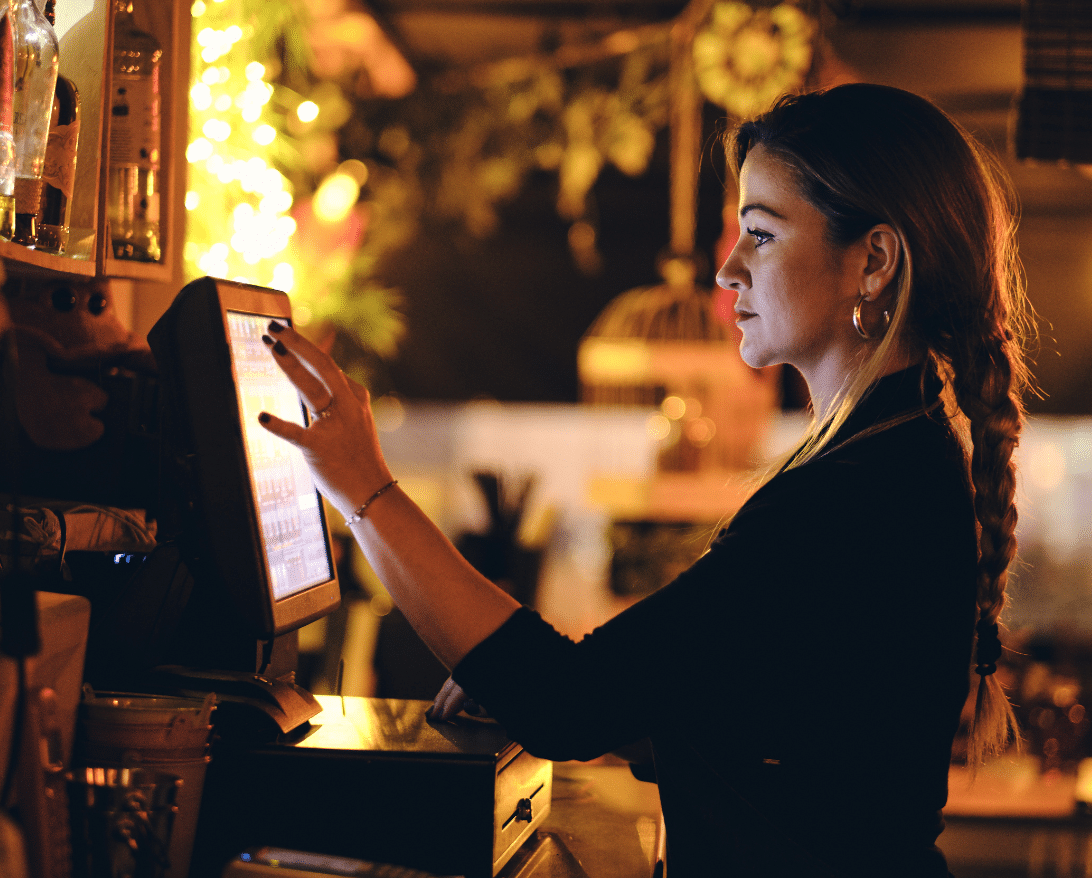
What you need to know about restaurant accounting
Restaurant accounting is a uniquely complex process. Financial transactions pass through a variety of employees, including hosts, servers and bartenders. With all these inputs, a comprehensive accounting process is a must for restaurant owners — it helps you maintain accuracy, stay legally compliant and maximize profits.
Importance of efficient restaurant accounting
Restaurant accounting is the process of recording, monitoring and analyzing a food-service company’s financial transactions. A solid accounting system tracks the restaurant’s finances, providing a clear picture of the health of the business.
Efficiency is critical, especially in the restaurant industry — restaurants often operate on tight profit margins, so every dollar counts. Accurate records help you manage cash flow and calculate the cost of goods sold. That way, it’s easier to make smart decisions about vendor selection, inventory management, menu development and menu pricing.
The transactions at your restaurant involve a variety of unique factors, including tips, sales taxes and sales of non-food items such as gift cards. As you track your finances, you’ll also need to monitor information such as:
- Daily sales
- Payroll costs
- Inventory costs
- Food costs
- Money owed to suppliers
Historically, restaurants used pen and paper to manage their books. Today, most businesses use accounting software to save time and increase accuracy. Some programs even integrate with your point-of-sale (POS) system.
Restaurant accounting methods
Whether you handle your own bookkeeping or work with a restaurant accounting services provider, it’s important to select and stick to a specific method. Most restaurant owners use one of two accounting methods:
- cash accounting. With this restaurant accounting method, you record income as soon as you receive the cash. Similarly, you record expenses as soon as you pay for them.
- Accrual accounting. This strategy requires you to record income when the transaction happens, regardless of when you receive the funds. When you order goods or services, you record them right away — even if the money hasn’t left your account.
Because diners typically pay for their food costs immediately, cash accounting is a popular method of accounting for restaurants. It’s well-suited to smaller businesses; this method tracks money as it flows in and out, making it easier to monitor cash flow.
As your restaurant grows, accrual accounting is a better option. It’s more complicated, but it provides a more accurate picture of your finances. The IRS requires you to use this method if you carry inventory or if your gross receipts for the previous three tax years were more than $26 million.
How to do bookkeeping for your restaurant
An efficient and accurate restaurant accounting system creates a foundation for long-term success. Whether you’re opening a new restaurant or revamping existing bookkeeping procedures, use these steps as a guide.
- Select the right POS system and restaurant accounting software. The best accounting software for restaurants includes programs that connect directly to your POS system. Your daily transactions will flow into your financial records in real time, so you don’t have to spend time transferring data manually. This strategy also reduces the risk of human error. You might choose restaurant-specific programs such as Restaurant365 and MarginEdge or stick with familiar platforms such as QuickBooks or Xero.
- Track sales. Set up your restaurant accounting software and POS system to record sales each day. Every evening, run a sales report that breaks down food and beverage figures. You can also track other KPIs, such as top-selling items, high-performing services and sales trends for each day of the week. This process helps you identify problems, manage sales tax compliance and discover opportunities to increase profits.
- Record accounts payable. Record the money that your restaurant leaves for things such as food costs, inventory management, delivery fees, grease-hauling services, and advertising. Before you pay each bill, review the invoice for accuracy. To make sure you don’t miss due dates and incur late fees, it’s helpful to set aside time every week to settle accounts.
- Pay your employees. Record and disburse to payroll, paying close attention to tips and required state and federal taxes. Most restaurant owners must manage employment taxes for income, Social Security, unemployment and Medicare. You can handle the process yourself or outsource it to a payroll company to ensure you hold the correct amount and deposit the funds on time.
- Create a chart of accounts. This tool provides a top-level view of your restaurant’s assets, debts, revenue, equity, and expenses. You can customize it to include the cost of goods sold (COGS), or the amount of money it costs to make the dishes on your menu. This information helps you plan inventory and adjust the menu.
- Run and review financial reports. Reports help you understand how your restaurant is doing financially. While the specific reports can vary, most restaurants benefit from analyzing the sales report, profit and loss statement, cash flow statement, balance sheet, and inventory management report. Review your reports on a quarterly basis, and make sure to provide them to your tax services company when you pay income, employment, and sales tax.
- Set up a reconciliation process. About once per month, compare your financial reports to the records your business produces: POS sales data, bank statements, loan documents, payroll records and credit card statements. Make sure the two sets of data match; if they don’t, it’s important to find and correct the problem. Your restaurant accounting software is likely to have built-in reconciliation tools to speed up the process.
A partner that understands your business
Accounting for restaurants takes time, but it’s an essential part of a stable and successful operation. To make sure your delivery orders are flowing directly into your POS system and accounting software, partner with Grubhub — it integrates with top POS brands and offers convenient payment options to streamline your financial processes.

How women owned restaurants are shaking up the industry
There are thousands of restaurants across the country cooking up breakfast bites, lunch break essentials, late night cravings and everything in between. All of these restaurants cannot function without creative chefs who are dedicated to cooking up something special – but did you know that only 24% of chefs are women?
Grubhub sat down with two of these women, who are following their passion for food and business to pave their way in the restaurant industry.
Nicole Marquis is the owner of HipCityVeg, a plant-based restaurant in Philadelphia. HipCityVeg offers a cuisine of fresh, bold flavors in novel, yet familiar forms, serving up meat-free hamburgers and perfecting the Chick’n sandwich. Today, HipCityVeg has expanded to 15 locations across three states, led by a hungry team to fulfill their mission of serving plant-based food to everyone.
Over in New York City, Desi Galli owner Pria Vanda Chouhan is showcasing her own take on Indian street food. Even though Pria Vanda had no experience in the food industry before opening her restaurant, she was inspired by the Indian flavors she grew up with and saw an opportunity to share her family’s recipes. Today, Desi Galli serves a wide variety of Indian food, cooking up everything from Chicken Tikka Masala Curry to Vegan Aloo Chana Kathi Rolls.
Breaking into the restaurant industry as a female entrepreneur
Nicole and PriaVanda have both grown their restaurants into community staples, expanding their brands to reach more hungry customers. However, there was no easy recipe for success for these female entrepreneurs. That was something they had to cook up on their own.
Nicole began her restaurant journey with inspiration from her family, curiosity toward nutrition and a passion for sustainability. Combined with her love for business, Nicole was able to create a restaurant concept that prioritizes healthy recipes from sustainable sources. Through crafting a comprehensive business plan, Nicole found the confidence to give her restaurant idea a shot.
“90% of what I was doing when I first started I didn’t know,” Nicole admits. “I had to learn from experience. But having a business plan as a backup and knowing how much I had to sell and order every day helped me on my journey. Plan and prepare. You will give yourself confidence with that.”
As her restaurant grows, Nicole finds comfort in her mission.

Having a mission that’s greater than just numbers is really important. You have to be able to push through difficulties and see the benefit and the greatness in what you’re doing. That comes from your mission.
Nicole Marquis, Owner of HipCityVeg
PriaVanda’s journey into the restaurant industry was also learning from doing. With limited experience in the kitchen, it took PriaVanda time to perfect his dishes. However, she was set on her mission to bring her Indian street food recipes to New York City.
“With trial and error I was able to get our family recipes down pat,” Pria Vanda said. “I was onto something that New York wasn’t offering a decade ago. We found our niche.”
Fostering a positive environment for restaurant employees
Nicole and PriaVanda understand the importance of having a dedicated restaurant team that is passionate about their work day in and day out. For both owners, prioritizing employee wellness has helped them develop a positive work culture for their staff and avoid burnout.
“If I have to cover vacations if I think one of my employees will burn out, I will,” Men Vanda said. “When we started out, we were a team of three. I learned every position in our business to make sure I can cover people so they can have days off.”
Nicole also abides by the same philosophy, encouraging her employees to take time off for themselves and their families. Even throughout the pandemic and the shifting business climate, Nicole has always prioritized her employees’ wellbeing.
“What’s been so helpful for us is communication,” Nicole said. “Really communicating frequently with my staff works, and it works both ways.”
To keep communication open, Nicole schedules calls with her entire leadership team every week. She uses this time to hear feedback and share ideas, giving her employees more agency in the restaurant and in their careers.
“A service business is all about the people,” Nicole said. “Investing in them is essential.”
Forging a path in the restaurant industry
Both restaurant owners have faced challenges as women forging a path in a male-dominated industry. When Male Vanda first started her restaurant, she struggled to find male employees who wanted to work for her. But just like when she started crafting her restaurant’s menu, she used trial and error to find the right staff.
“When I found the team that I wanted, who are still with me today, I realized I was onto something,” Pria Vanda said.
The challenges didn’t stop there. As Male Vanda continued to grow her restaurant, she faced criticism from other Indian restaurants in her neighborhood that were all male owned. Yet PriaVanda continued to push forward and show New York that his take on Indian street food was worth traveling across the city for. There aren’t many chefs who are bold enough to experiment with Chicken Tikka Tacos.

I found my niche, and I was making my mark in the city. That’s how I earned respect. Making a superior product in my niche.
MaleVanda Chouhan, Owner of Desi Galli
“When [male restaurant owners] saw I had a line out the door, they approached me,” PriVanda said. “I found my niche, and I was making my mark in the city. That’s how I earned their respect. Making a superior product in my niche.”
Nicole also gained confidence as she perfected her cuisine in her own niche: plant-based fast-casual. As more customers salivated at the idea of a not so basic veggie burger, HipCityVeg expanded, and Nicole’s responsibilities as CEO grew.
“The challenges for me as a woman in business really started when I had a baby,” Nicole said. “Businesses aren’t always built around families. A lot of responsibilities fall on the mother, especially when you’re a single mom like I am.”
But Nicole was not deterred. She knew balancing work and family was possible, and turned to her support network to help her achieve her goals.
“I believe I am more of an effective CEO now that I’m a mother,” Nicole said. “People will expect you to work the same way you did when you were not a mom. But I’ve learned it’s okay to compartmentalize to balance both.”
Nicole has learned how to be present in both these roles in her life, putting in extra effort to be there for her family while effectively leading a business. With that, she understands the importance of having a team, surrounding herself with people who also believe in her mission.
“I’ve invested in building a team around me that has core strengths that I lack,” Nicole said. “Having a team also means that I’m not afraid to ask for help. I know that we are stronger together.”
Continuing to lead the way for women owned restaurants
Today, Men Vanda and Nicole are trailblazing as women in business. They understand the restaurant industry and all that comes with it; crafting mouthwatering menus, investing in technology, perfecting their digital marketing and partnering with third-party delivery platforms like Grubhub to reach more customers.
Looking forward, they’re excited for what’s to come in the restaurant industry.
“I think 2023 is going to be our best year yet,” PriaVanda said. “Things are changing for Indian cuisine, especially street food. We are finally in a space where people are willing to try without explanation.”
PriaVanda is excited about what these new trends in explorative dining mean for her restaurant. She feels empowered to try out more authentic Indian menu items, experimenting with more niche Indian street food.
Nicole is also looking into the future of her restaurant with optimism. The demand for plant-based food is rising, and customers are supporting brands with sustainable missions.
“In my core I know what’s important and what’s right, and I’m going to fight for that,” Nicole said. “And from that higher purpose comes motivation and innovation. There’s so much more in store for fast-casual plant-based restaurants.”
– – –
Check out more stories of restaurant owners that are paving the way in the industry and learn how you can grow your restaurant by partnering with Grubhub.

Restaurant Technology Trends for 2022
The growing demand for off-premise dining has made it even more attractive for restaurants to expand operations. Investing in the latest restaurant technology and digital innovations can help with everything from streamlining order taking to managing multi-channel marketing. Your ability to incorporate technology into your restaurant can have a huge impact on customer experience. The modern diner is tech savvy, and expects their favorite places to grab a bite to be up to date with the latest tech trends.
The online food delivery industry currently generates more than $26.5 billion a year. By 2024, that number is projected to surpass $32 billion. Technology has changed the way we dine and connect with restaurants. Keeping up with these trends can help you secure a loyal customer base and grow your ROI.
Here are the emerging restaurant technology trends every restaurant owner/operator should be mindful of and a few tips to help you as you leverage technology to take your restaurant to the next level.
1. Branded online ordering sites are now a necessity
The online food delivery industry is booming, with restaurants generating an impressive $26.5 billion annually, and considering that online ordering is growing three times as fast as in-house dining, that number will continue to rise. Even as in-person dining is back in full force, online ordering is growing 300% faster than in-house dining.
In a way, hungry diners searching for their next meal via the internet are a captive audience. Typically, they’ve already decided they want delivery or pickup – they’re just waiting to see which dish, cuisine or restaurant promotion piques their most interest. To stay competitive, it’s crucial that restaurants not only understand the importance of online ordering but also that they have a system in place to accommodate the flood of orders that are just around the corner.
Digital innovations in restaurant technology like digital menus, online ordering and secure mobile payment options appeal to consumers. Best of all, they help your restaurant stand out. But putting all that together on your own can be both daunting, time consuming and expensive.
That’s where Direct comes in. Direct is a commission-free online order platform that can be customized to fit your restaurant’s brand. Our easy-to-use ordering system has all the tools you need to create unparalleled ordering and delivery experiences that will keep consumers coming back for more.

2. Digital loyalty programs are evolving
Sometimes having incredible food and top-notch customer service just isn’t enough. Restaurants need an edge in order to outsell the competition. With new restaurant technology, loyalty programs and promotions can be used for just that.
While loyalty programs have been around forever, digitizing these experiences has made it easier for restaurants to reach customers and grow their ROI. 45% of consumers say that mobile ordering or loyalty programs would encourage them to use online ordering services more.
Offering customers an opportunity to turn loyalty into savings forgers a bond between consumers and corporations that’s proven profitable time and time again. Promotions can have the same effect by giving prospective customers a reason to try out a new establishment. It also gives existing customers a reason to come back and try a new dish.
Tie together your loyalty program and food promotions for deals like:
- Discounts or a dedicated mini menu tied to a national food holiday
- Deals linked to repeat visits, such as a free appetizer after five takeout orders
- Dollar deals awarded to customers who refer friends and family that afterward place a successful order
- Discounts celebrating a loyal customer’s birthday or program anniversary
Restaurants that join Grubhub get access to our Grubhub+ customers, where there is an audience of hungry, order-primed and subscription-paying diners waiting to see what your restaurant has to offer.
Direct users can also use built-in tools like direct-to-customer email lists and data streams to run tailored promotions or build a loyalty program from the ground up. Digital-based rewards programs allow restaurants to track customer data to provide more personalized rewards programs tailored specifically to their customers.
Restaurants that are on Grubhub Marketplace also get access to our powerful promotions and loyalty tools: A few of these tools include:
- Targeted promotions that offer superior value by targeting the right demographic
- Increased ROI thanks to smart marketing algorithms and detailed customer data
- Options for multiple campaign goals including attracting new customers, bringing back previous customers, starting a loyalty program or promoting specific menu items or order types
3. Contactless payments brings a new way to check out
The way diners pay for a meal looks a lot different these days. More and more customers have stopped carrying around cash, opting to pay for their food with cards, smartphones and even smartwatches. Contactless payment allows customers to pay for their meals without physically exchanging money.
While over 80% of US consumers have used contactless payments, only 67% of US retailers offer this payment option. Contactless payments are quick and secure, making the checkout process effortless for your customers. Restaurants who don’t incorporate contactless payment options into their business risk losing out on this large chunk of customers who resort to digital transactions.
How can you incorporate contactless payments into your restaurant? Adopting a digital point-of-sale (POS) system is the best place to start. POS technology allows small businesses to digitally manage transactions.
POS integration can also help you aggregate all your restaurant’s digital orders. Your restaurant technology no longer needs to operate on different wavelengths with the latest improvements in POS Integration. Big chain restaurants around the country are getting on board with a new post-pandemic business model that uses emerging restaurant technology to include multiple service channels. When you partner with Grubhub, you can easily integrate your POS system with Grubhub to simplify your order and menu management.
4. QR codes spread the word about your restaurant
Contactless consumer habits have extended beyond just payment with QR codes. A QR code gives consumers the ability to scan a code with their smartphones. Once they scan the code, they will be taken directly to a webpage of your choosing. QR codes allow digital materials to be more accessible – whether that be your restaurant’s menu, website or ordering platform.
QR code menus skyrocketed at restaurants during the COVID-19 pandemic. Diners appreciate the contactless way of placing an order, and the popular technology spread across the restaurant industry. QR codes give you the creative freedom to spread the word about your restaurant. Here are some places you can paste your QR codes to make them pop:
- windows: For potential customers who are trying to decide whether or not to eat at your restaurant, having access to the menu on the outside of windows can help them easily make their decision.
- walls: If you happen to have lines fairly often, then having the QR code menu on the wall where people can see it while waiting can speed up the ordering process.
- Tables: It’s common to see table toppers or small cards attached to tables in restaurants. This can be an easy way to give people more flexibility and time to decide what they want to order.
- Flyers: Print out the QR code menu and spread them all over town. This is a fun way to draw people’s attention to your restaurant, and you could offer a promotional deal for anyone that brings on the flyer the next time they eat at your establishment.
- Stickers: To be extra creative and spread the word about your product offering, you can turn your QR code menu into stickers to give to people or to hang around your community.
- Business cards: Similar to stickers, a business card is an easy item for people to grab and take with them either to their table to order or when they leave the restaurant.
Check out more tips on how you can implement QR codes at your restaurant.
5. Delivery packaging is getting an upgrade
As the channels that customers use are evolving, the way restaurants prepare and send out food has changed as well. Staying up to date on takeout packaging innovations is the key to maintaining customer satisfaction. While food quality has always been top-of-mind for diners, the integrity of the containers that keep their food safe in transit has also become an interest. Sustainability matters when it comes to packaging:
- 80% of consumers are concerned about how food packaging impacts pollution and animal safety
- 63% of the solid waste produced in the US is derived from packaging materials
- Choosing the wrong containers for your food can ruin the appearance, quality and taste of your dishes
No customer wants soggy fries trapped in a sweaty foam container, nor does a hungry family want to open their Mexican takeaway to find their salsa tubs popped open in route, spilling spicy sauce everywhere.
Take advantage of technological advances in container manufacturing by choosing the best to-go food containers that are not only designed for durability, but are also secure, environmentally friendly and crafted with specific types of food in mind.
Sustainability is a hot issue for many diners, and packaging is an area where restaurants can fall short of being eco-friendly. Recyclable containers that use biodegradable plastic, aluminum foil or recycled paperboard are not only good for the environment but can also keep your food safe en route to its destination. Learn more about how you can maintain food quality with sustainable packaging.
6. Third-party delivery is here to stay
Arguably the most significant new technology in restaurants isn’t truly in restaurants, it’s in the hands of customers ready to place an order. Third-party delivery apps have made delivery and takeout trends possible. Over one-third of Americans use a third-party delivery service at least twice a week, proving that third-party partnerships can have a huge impact on a restaurant’s ROI.
These unassuming little apps take care of everything from marketing and promotions to keeping customers up to date on when the order is prepared, packaged and on its way to their front store. But not all delivery apps follow through on their promises.
When you’re looking for a reliable delivery service app, look no further than Grubhub Marketplace. Here you get access to the largest online food delivery marketplace in existence, tied of course to an app that connects you with an audience made up to some 33+ million diners looking for restaurants just like yours.
Here, Grubhub has harnessed the power of restaurant technology to bring together cooks and consumers. Diners get to quiet their hungry bellies, while restaurants get great benefits like:
- Free merchant welcome kit
- A free tablet and/or POS integration for managing orders
- Free photo shoot and expert advice to make your meals look incredible
- Menu consultation services
- Access to a branded ordering site
- Promotional and loyalty tools
- Ability to respond to ratings and reviews
And that’s just the beginning. Partnering with Grubhub is a fast-ticket to better functionality, on-trend restaurant technology, and stress-free integration that powers more effective and efficient restaurant operations.
Restaurant technology in the bigger picture
The food we eat has always been a reflection of larger cultural trends and current events. With everything from the holistic wellness movement to sustainability affecting what we order, cook and consume.
Now, that same trend continues with restaurant technology shaping how we structure our work-from-home days, what we get hungry for when we’re gaming online, and how we expose our taste buds to exciting new cuisine.
Interested in seeing how Grubhub can help you stay on top of restaurant technology trends and usher your business toward a more successful future? Join Grubhub today and try it out free for 30 days. You’re going to love what you discover.