

Happy hour menu ideas for your restaurant
There’s nothing like kicking back and relaxing with a cheap drink after a hard day’s work. As most people have returned to in-person activities, the demand for happy hour has risen. Whether you offer a nice selection of wines or are known for your fun cocktails, featuring happy hour discounts is a sure way to get more customers to place an order. It’s 5 o’clock somewhere, right?
When you’re looking for ways to maximize restaurant revenue, happy hour is a cost-effective option — you can start with just a few fun menu ideas and your regularly scheduled staff. This classic afternoon event tends to attract groups, which boosts order value and introduces a wide range of diners to your restaurant.
What’s the point of a happy hour?
Happy hour is a period of time — usually, 2-3 hours in the late afternoon or early evening — when bars and restaurants offer discounted alcoholic drinks and appetizers. The exact times vary by establishment and day of the week but usually fall somewhere between 4 pm and 8 pm on weekdays. Weekend happy hours might start as early as 2 pm
The point of a happy hour is to increase revenue during the slow period between lunch and dinner. It’s particularly effective if you want to attract an after-work crowd; drink specials can bring in professionals who are looking to wind down at the end of a long day.
As an extra incentive, many restaurants offer free cocktail-hour finger foods or deals on appetizers to tide customers over until dinner. Some restaurants create a dedicated menu; others come up with new happy hour ideas every day to give guests a reason to come back.
In addition to increasing foot traffic, happy hour offers several important business benefits for restaurants. You can take advantage of the relaxed atmosphere to try out new cocktail trends and appetizer recipes; it’s a great way to gauge the customer response before you change the permanent menu. You can also feature seasonal offerings on a limited-time menu. When you have a surplus of a kitchen ingredient or type of alcohol, use happy-hour discounts to boost orders and run inventory through faster.
Happy hour menu ideas customers will love
As you plan a happy hour menu, it’s important to decide whether it will be permanent or revolving. Both have advantages — a permanent menu streamlines your ordering and prep processes, but a revolving menu offers more flexibility.
Start with alcoholic beverages; they’re the foundation of a good happy hour. Accommodate a variety of tastes by offering a small selection of discounted beer, wine and mixed drinks. You can still offer the regular menu, of course, but expect happy-hour deals to get the most attention. The drinks you choose will depend on factors that include:
- How easy the drink is to prepare and serve
- Whether the bartender can make a large batch in advance
- Profit margins with the discounted price
- Seasonal trends and flavor preferences
- The popularity of the beverage during regular hours
- Current inventory and bartender preferences
When it comes to food, the best happy hour menu ideas prioritize big flavors and bite-size servings. That way, customers can take the edge off their appetites without filling up before dinner. If you’re serving beer in a casual environment, aim for popular finger foods that are easy to eat: soft pretzels and cheese, nachos, bacon-cream cheese roll-ups, or street tacos, for example. For a restaurant with a more elevated vibe, consider gastropub-style appetizers such as stuffed mushrooms, crostini with goat cheese, or charcuterie platters.
If you’re developing a seasonal menu for your restaurant, consider extending it to happy hour, too. Create dishes that feature local in-season produce, for example, or offer holiday-themed snacks and drinks. In the winter, you might add hot drinks to the menu, such as mulled wine or spiced apple cider.
Looking for ways to boost both food and beverage sales? Experiment with different happy-hour specials to encourage bigger orders:
- Discounted wine or beer flights
- Combo deals for an appetizer and two drinks
- Discount code just for social media followers
- $5 local beer or wine
- Four drinks for the price of three
- Buy one, get one half off the deal on appetizers
What happy hour drinks are trending?
The types of drinks customers turn to quench their thirst often change season to season. However, there are a few drinks that stand out all year round. What were the top ordered alcoholic beverages on Grubhub in 2022?
- Beer: This classic drink is a happy hour must have. Consider offering local brews and seasonal lagers to keep it fresh.
- margaritas: Whether they prefer it with salt or sugar on the ream, there’s no doubt customers can’t get enough of this sweet cocktail. Offer a variety of flavors and let customers dictate if they want it on the rocks.
- Hot Sake: This Japanese specialty has risen in popularity in the past year. Known as ‘okan’ or ‘kanzake’ in Japanese, this stronger drink comes in a variety of flavors and can be served at different temperatures depending on your diners’ liking.
- Piña Colada: Rum, coconut cream and pineapple juice are a dreamy mix of ingredients that many customers can’t turn down. Serve frozen with a slice of pineapple and a maraschino cherry to make diners feel like they’re at the beach all year round.
- White Wine: Wine is also a happy hour must-have. You can serve wine in mini pre-sealed to-go bottles to make your happy hour deal part of your delivery menu.
Happy hour doesn’t only mean spiked drinks. It can pay to offer non-alcoholic beverages at a happy hour discount to include everyone in your afternoon special. What non-alcoholic beverages were customers ordering on Grubhub?
- cola
- Lemon Lime Soda
- Iced Tea
- Iced Coffee
- Thai Iced Tea
Tips for a successful happy hour
Done well, happy hour can be good for your restaurant’s business; it boosts your revenue without excessive labor costs or major menu modifications. To get the most from the event, follow a few happy hour best practices:
- Stick to the same hours every week to set expectations
- Consider profit margins when evaluating happy hour menu ideas and discounts
- Choose finger foods when possible to reduce utility usage and streamline cleanup
- Offer happy hour exclusives to attract your regular lunch and dinner customers
- Ask for guest feedback on new recipes and drinks
- Choose times that fit between your restaurant’s specific rush periods
- Keep customers interested with themes, live entertainment and partnerships
Marketing is essential for a successful happy hour, especially in the first few months. Build excitement by mentioning the times and discounts on your website, in marketing emails and in advertisements. While you’re at it, try sending flyers to nearby businesses. Make sure to promote daily or weekly specials on social media to motivate spur-of-the-moment visits.
To get more customers in on the fun, offer happy hour appetizer specials and alcohol for delivery. It’s easy with Direct — you can build a commission-free branded ordering platform that enables customers to order snacks and drinks to enjoy at the comfort of their home. Your bottom line benefits as well; adding alcohol to your Grubhub menu can boost your average order value by up to $15. When you’re ready to expand your restaurant’s happy hour to your delivery menu, get started with Grubhub today.
How To Make a Restaurant Schedule
Restaurant scheduling is both an art and a science — it must simultaneously serve the business, satisfy customer demand, and account for employees’ needs. Given the complex factors involved, it’s safe to expect a certain amount of trial and error. Stick with it and you can create a workable restaurant schedule that keeps operations running smoothly and efficiently.
Why is restaurant scheduling important?
Restaurant scheduling creates the framework for your operations. A predictable schedule makes it easier to assign duties, plan deliveries and ensure busy shifts are adequately staffed. It also helps you spread out the workload, ensuring every employee has a chance to work lucrative shifts. That balance is critical, given that hiring is one of the biggest restaurant challenges in 2023; a fair distribution of labor can keep employees happy and boost retention.
The restaurant schedule you choose depends primarily on your business hours. Some common types of schedules are:
- 5-2-2-5. Employees work 12-hour shifts in the pattern of 5 days on, 2 days off, 2 days on, and 5 days off. While the shifts are tiring, this schedule enables employees to work full-time while enjoying long stretches of time off.
- 2-2-3. If your restaurant is open 24 hours a day, this schedule might be the right choice. Employees work 2 days, have 2 days off, and work 3 days. To make it work, you need four separate teams of employees who are willing to work 12-hour shifts.
- 5-4-9. This schedule follows a 2-week pattern and requires a 5-day work week. The first week, an employee works 4 9-hour days and 1 8-hour day. The second week, they work 4 9-hour days and get the fifth day off. You might also see this method called a 9/80 schedule.
- open. With an open-hour schedule, you publish available shifts in advance. Staff members can then sign up to fill the time slots that fit their schedule.
Instead of sticking to a rigid schedule template, many restaurants opt to split longer shifts into two shorter shifts. Instead of one 12-hour shift, you might plan an 8-hour shift and a 4-hour shift, for example. This strategy limits long, stressful work days, which reduces burnout and employee turnover.
How to build a shift schedule
When you’re building a shift schedule for your restaurant, there are a few key components to keep in mind. First, consider whether you’re using a fixed or rotating schedule. In a fixed schedule, employees work the same days and hours each week. With a rotating schedule, employees move through different shifts; that way, everyone has a chance to work busy hours with the biggest potential for tips. It’s also important to determine the shift length and the ratio of work days to days off.
Policies are another key component of employee scheduling. These rules govern the process and help employees understand what to expect. At a minimum, your restaurant should have written policies for:
- Requesting time off
- Claiming shifts (if applicable)
- Swapping shifts or covering for other workers
- Overtime pay and limits
- Back-to-back shifts
- Maximum hours per week
As you’re creating a shift schedule, follow these basic steps:
- Set the shifts. Determine the number of shifts you need and the best length for each one. The shift structure should typically be the same each week — that way, you can simply use a restaurant schedule template to speed up the process — but you might occasionally need to make small changes based on employee availability and special events.
- List duties for each shift. Examine the calendar for the upcoming week to determine what needs to be done during each shift. Include tasks such as kitchen preparation, sidework, training new employees and setting up for special events.
- Estimated diner volume. Examine your reservations log and historical sales data to determine the expected sales volume for each shift. Make sure to check local event calendars; if there’s a festival or conference happening nearby, you may need a larger staff to handle the extra foot traffic.
- Consider employee needs. Check for time-off requests and employee conflicts for the upcoming week to determine who’s available for each shift.
- Assign employees to each shift. Determine how many people you need for each open shift. Schedule more employees for busy periods; keep staffing light for slow periods to save on labor costs and help workers maximize tips. If some of your staff members work on a fixed schedule, this process might simply involve adding extra workers to busy shifts.
Restaurant schedule: tips for happy employees
Fair, consistent staff scheduling is an essential part of a productive restaurant culture. To make sure the process accommodates your employees’ needs, follow these best practices:
- Publish the schedule as early as possible.
- Use scheduling templates for consistency and speed.
- Select a digital format for convenience and accessibility.
- Make sure employees understand scheduling policies.
- Be flexible to account for employees’ life events.
- Ensure shifts are adequately staffed to avoid overwork.
- Consider employees’ skills and preferences when scheduling.
- Use a central communication hub to keep each shift updated.
Keep in mind that it will take time to develop a schedule that works well for your team and business. Restaurant managers should observe employees, watch the time clock and monitor labor data to make sure the process is equitable. For example, a pattern of excessive shift swaps could indicate your current schedule is at odds with employees’ personal commitments. If you notice certain shifts are consistently understaffed, it might be time to recruit new restaurant staff to provide extra coverage and enable a better distribution of labor.
By adapting the restaurant scheduling system to help employees maintain a better work-life balance, you can increase job satisfaction and increase retention. While you work to find the right solution, employee recognition incentives can encourage staff members to be patient and stick with the company.
Useful restaurant schedule software
If you have a sizable workforce and multiple daily shifts, building a restaurant schedule is a time-consuming task. Restaurant scheduling software can speed up the process and free you up to tackle revenue-generating projects. These programs benefit your business by:
- Enabling you to edit the schedule from anywhere
- Forecasting demand using historical labor data
- Generating automatic schedules
- Allowing employees to request changes digitally
- Adjusting automatically to shift swaps and other staff scheduling changes
- Providing customizable notifications for managers and staff
The right software program improves the experience for everyone on your team. Employees can log in at any time to see their schedule, eliminating confusion and allowing for advance planning. Workers can request changes quickly and conveniently, giving you more time to cover open shifts.
A variety of manufacturers offer scheduling software; popular options include Paycor, 7shifts, Jolt and ToastTab. Like Grubhub, many scheduling programs are engineered to integrate with your POS system for a seamless employee experience. Be sure to check compatibility with your delivery and POS programs before you invest; software that works with your existing tech stack helps the process move faster.
Don’t have a delivery platform? Grubhub makes it easy to connect your POS software and restaurant scheduling programs. To try it out, get started today.
How To Prevent Cross Contamination at Your Restaurant
When you’re running a restaurant, food safety is a top priority. Proper food handling and storage, combined with strict cleaning procedures, can prevent cross-contamination and reduce the risk of food-borne illnesses.
What is cross contamination?
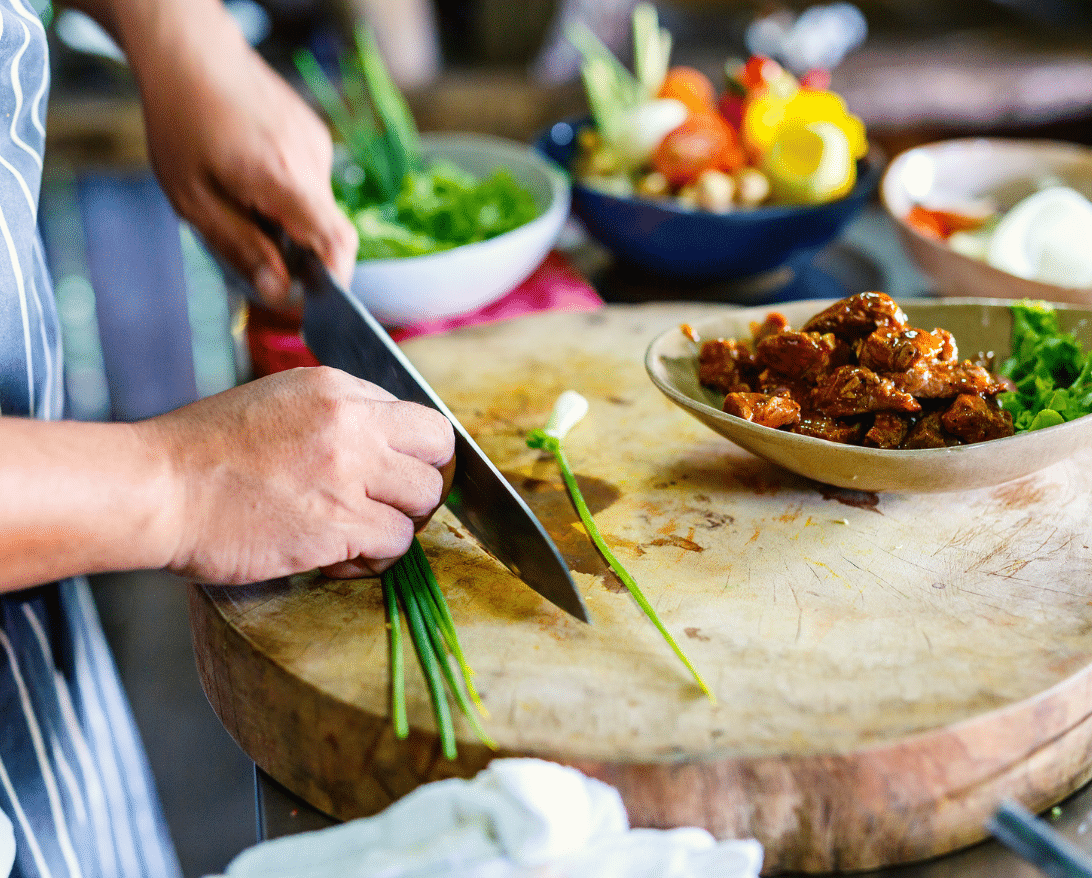
Food cross contamination occurs when unsafe bacteria are transferred from one type of food to another. If someone eats cross-contaminated food that’s not properly cooked, it can cause food poisoning and other health conditions. Typically, contamination occurs as a result of incorrect food-handling procedures — chopping raw chicken and vegetables on the same cutting board without cleaning it, for example.
Certain foods present a high risk for cross contamination. Usually, these ingredients come from animals: eggs, raw meat, raw seafood, raw shellfish and unpasteurized milk are the common culprits.
As you’re improving food safety in your restaurant, it’s important to be aware of the primary types of cross contamination: food-to-food, people-to-food, and object-to-food. In this context, an object can be any piece of equipment in your kitchen, including knives, utensils, cutting boards, counters or even refrigerator shelves.
Situations that can cause cross contamination include:
- Failing to wash your hands after handling risky food
- Failing to wash utensils, equipment, and surfaces
- Undercooking foods with harmful bacteria
- Storing food improperly
- Preparing or storing bacteria-laden food too close to other foods
- Unsafe food-preservation methods
The importance of a safe kitchen
Cross contamination is a critical public health concern for restaurants and commercial kitchens, particularly when you’re handling raw food. By running a safe kitchen, you can help prevent health issues that can arise from foodborne bacteria. Examples include:
- Raw meat. Raw meat can contain harmful bacteria, including E. coli, salmonella, C. perfringens and yersinia. These substances often cause diarrhea, vomiting and stomach cramps, but they can also lead to more serious infections that require hospitalization.
- Raw eggs. Like raw meat, eggs can cross contaminate foods with salmonella, which can cause mild to severe food poisoning.
- Raw seafood. Fish and shell fish can contain bacteria, mercury and other toxins that can affect the entire body.
- Unpasteurized milk. This type of raw milk is sometimes used to make yogurt, soft cheeses and ice cream, but it can contain E. coli, listeria, campylobacter and salmonella. Listeria, in particular, is dangerous for pregnant women; the bacteria can have a traumatic effect on the pregnancy.
- produce. While fruits and vegetables don’t naturally contain harmful bacteria, they can pick it up on the journey from the farm to your restaurant. Leafy greens, for example, are a common carrier of E. coli, which can cause serious infections and kidney failure.
Bacteria aren’t the only substances that can be transferred during cross contamination — allergens can also be a problem. People with serious food allergies must often avoid dishes and ingredients that have been in contact with specific allergens; nuts, dairy and gluten are common triggers. The only safe way to serve a customer with a significant allergy is to prepare their food using separate utensils, equipment, dishes, pots, cleaning implements and ingredients.
Gluten-free food is a particular concern for restaurants because, unlike most bacteria, gluten is a protein that survives the heating and sanitizing processes. Careful handling is a must. For example, gluten-free toast should not be made in a toaster that is also used for regular bread. Even trace amounts in cooked food can cause a severe allergic reaction.
Tips for preventing cross contamination
To prevent cross contamination, your restaurant should develop a set of food safety best practices that support public health. Every employee who interacts with food should follow a few key procedures:
- Wash hands thoroughly with soap before and after working with food.
- Wash hands after touching garbage, bathroom equipment or handles.
- Use separate cutting boards, dishes and utensils for raw meat.
- Maintain safe temperatures while thawing frozen meat.
- Use pasteurized milk instead of raw milk.
- Avoid tasting foods with raw eggs.
- Wash vegetables thoroughly.
- Make sure cooked meats reach a safe internal temperature.
- Use gloves as necessary when handling raw food.
- Don’t undercook eggs and foods that contain eggs.
- Throw away raw meat packaging immediately to contain juices.
- Don’t leave cooked food out at room temperature for more than 2 hours.
- Avoid working in the kitchen when sick.
Safe storage is another important step. Any time you’re storing raw food that’s prone to harmful bacteria, make sure it’s packaged to prevent leaks, and keep it away from other foods to prevent contact. Inhibit bacteria growth by keeping your refrigerator at 40 degrees Fahrenheit or cooler. If you’re reusing cooked, refrigerated ingredients, make sure to use them within 3 or 4 days; after that, the risk for food poisoning increases.
Restaurant kitchens require frequent cleaning — your goal is to remove or kill any bacteria lingering on surfaces or objects. Keep in mind that bacteria can spread easily, so it’s important to clean everything as soon as possible after it comes into contact with bacteria-carrying ingredients. Basic cleaning tips include:
- Wash dishes with hot, soapy water, using a dishwasher whenever possible.
- When drying dishes manually, use a clean towel.
- Disinfect countertops and other surfaces.
- Wash kitchen towels and linens on the hottest available cycle.
The bottom line on cross contamination
Cross contamination is a possibility in every restaurant, whether you sell sandwiches or multicourse meals. To update your operations, analyze your kitchen and front-of-house practices and identify opportunities for improvement. Focus on the touchpoints with a high risk of bacterial spread: raw food preparation, storage and cleaning. Even small adjustments to practices — installing hand-washing stations, for example, or keeping gluten-free food separate — can reduce the presence of harmful bacteria. Work with chefs and kitchen managers to implement new practices, and make sure to train every staff member thoroughly.
Stringent food safety procedures can reduce the risk your restaurant faces, both in the eyes of the public and with government officials. When every staff member adheres to safe practices at all times, it prevents food poisoning incidents. This is critical to maintaining a positive reputation — a single outbreak can be enough to turn off diners and affect your revenue. Consistent safety practices are also the best way to prepare for inspections; that way, you won’t need to worry about health code violations for cross contamination, storage methods, and food temperature.
Improving food safety at your restaurant
When it comes to cross contamination, a proactive approach works best. By adjusting your food-safety practices today, you can preserve the integrity of each ingredient and keep customers safe. At Grubhub, food safety is a top priority. As chefs, we know you’re ensuring your food quality is top notch. Our drivers are committed to keeping your food safe en route to its destination. Looking for a partner to seamlessly get your dishes to hungry customers? Partner with Grubhub today.
/cloudfront-us-east-1.images.arcpublishing.com/dmn/AGPQSNCM4ZCQVPB7OWA6NP4WFA.jpg "McKinney’s Denizen Hotel eyes summer groundbreaking")
McKinney’s Denizen Hotel eyes summer groundbreaking
Developers working for more than a year on a new McKinney hotel hope to break ground on the project in the coming months.
The Denizon Hotel is planned on State Highway 121 at Alma Road in the huge Craig Ranch development.
Archstreet Hotel Partners will build the more than 100-room hotel as part of the mixed-use District 121 project. The almost 20-acre development also includes a new office building plus restaurant and retail space. The four-story hotel building is expected to cost about $20 million.
“We hope to start work this summer and open in the fall of 2024,” Archstreet founder Michael Mueller said. He previously founded Nylo Hotels, which built properties in Las Colinas and Plano.
Dallas architect 5G Studio Collaborative is designing the luxury hotel.
The Denizen Hotel will be the latest addition to the hospitality market along SH 121 between Frisco and McKinney – a corridor that’s seen dramatic growth.
The Craig Ranch development includes thousands of homes plus commercial and retail construction.
Dallas-Fort Worth is the country’s fastest growing hotel market with more than 170 projects in the development pipeline.
How Restaurants Should Be Using Sustainable Food Containers
As younger, environmentally conscious diners become a majority of the food-industry customer base, many restaurants are making sustainability a top priority. To-go containers are a key focus — disposable packaging is a significant contributor to commercial waste. The right sustainable products can help you protect the environment while maintaining food quality.
Why sustainability matters
Increasing restaurant sustainability is one way to reduce your impact on the environment, especially when it comes to takeout containers. According to the EPA, containers and packaging are responsible for more than 23% of all the trash that goes to landfills in the United States. By switching to compostable, reusable, or recyclable to-go container alternatives, you can minimize your ecological footprint.
Your bottom line will also benefit — after all, customers care about sustainability. Millennials and Gen Z diners, in particular, are likely to pay attention to your company’s environmental practices. In fact, 71% of millennials and 75% of Gen Z consumers consider sustainability when making purchasing decisions. As these two generations wield $65 billion and $100 billion in purchasing power, respectively, paying attention to their preferences can give you a competitive advantage. If you’re currently sending out food in plastic containers with clear lids, it could be time to rethink your restaurant’s sustainability practices.
Sustainability made simpler
Sometimes, boosting restaurant sustainability is as simple as choosing different to-go containers and lids. Start by considering your use of plastic; it’s one of the biggest contributors to ocean pollution and accounts for 12.2% of solid waste. While it may not be feasible to completely eliminate plastic packaging, reducing your usage can help.
You might also consider joining Grubhub in the CutOutCutlery campaign, which is designed to help address the issue of plastic waste in the restaurant industry. The aim is simple — by requiring that customers opt in to receive plastic cutlery with their food, you can help reduce the amount of utensils that are thrown out unused. It’s an easy action, but it can go a long way toward reducing the 40 billion pieces of disposable cutlery American diners use each year.
When you partner with Grubhub for delivery orders, it’s easier than ever to be sustainable. Each order automatically defaults to a no-cutlery setting, cutting back on plastic waste immediately.
Some additional ways to increase sustainability in your restaurant include:
- Educate. Let customers know what they can do with their takeout containers when they’re done eating. Depending on the container, this might include recycling them or reusing them as food storage.
- Reduce. Streamline your packaging and use disposable items to minimize waste. While you’re at it, you might adjust portion sizes or kitchen practices to reduce food waste.
- Go local. Incorporate locally sourced food into your menu whenever possible; it requires less fuel, produces fewer emissions and supports the local economy.
- Recycle. For convenience, offer on-site recycling to help customers separate their plastic, paper, food scraps and landfill waste.
If you decide to implement a recycling program, make sure you understand what each recycling symbol means. The most recognizable symbol features a triangle made with three arrows. It indicates that the item can be recycled, and the number in the center explains how. If you don’t see this symbol on paper or plastic products, they may not be recyclable.
You may also see symbols that indicate a product is compostable or biodegradable. Compost symbols vary; some feature a circle with an apple core in the center, while others look like a ribbon loop with leaves at one end. Biodegradable products often feature a triangle or circle made of leaves.
What are the best to-go containers for restaurant delivery?
When you’re choosing the best takeout container for your restaurant, sustainability is a top factor. The most sustainable food containers are compostable or biodegradable; they’re usually made from compostable paper, sugarcane, wheat straw or bamboo. Recyclable paper, plastic, or aluminum boxes and hot cups are the next best solution.
Make sure to consider other factors, including:
- durability. Your container should be strong enough to support the weight of the food without sagging or collapsing. For heavy, wet items, a container with a clear lid is often a sturdy option.
- Sizing. To-go containers should be sized to fit the portion. Go too big and your servings will look small; too small and the contents will be challenging to eat without spills.
- Loose lids. The lid should fit tightly, even when the package shifts during transit.
- Branding. Customize takeout containers with branding to support your marketing efforts. Depending on your delivery and takeout volume, you might order preprinted packages or personalize them with a stamp.
The best takeout containers fulfill each of these categories. You can order them from restaurant wholesalers. If sustainability is a top priority, work with a sales representative to identify boxes that are both secure and environmentally friendly.
How can you package food for delivery to ensure quality?
After you choose to-go containers, it’s important to train your kitchen staff in proper food packaging. When everyone in your restaurant understands best practices, it helps ensure each meal arrives in good condition.
As you’re packaging food, follow these steps:
- Separate hot and cold items. Keeping them in separate bags makes it easy to maintain the correct temperature in transit. Use insulated bags to help keep hot foods hot during delivery.
- Package liquids carefully. Choose containers with tight lids, and ensure they’re secure before packing them. Use cup carriers for extra stability, and make sure glass bottles are protected.
- Follow alcohol delivery rules. For beverage delivery, make sure to label drinks as alcoholic and package them in a separate container. Clear labels keep you compliant and make it easier for delivery drivers to follow local laws.
- Vent fried foods. Keep fried items crispy by choosing vented boxes that let out condensation.
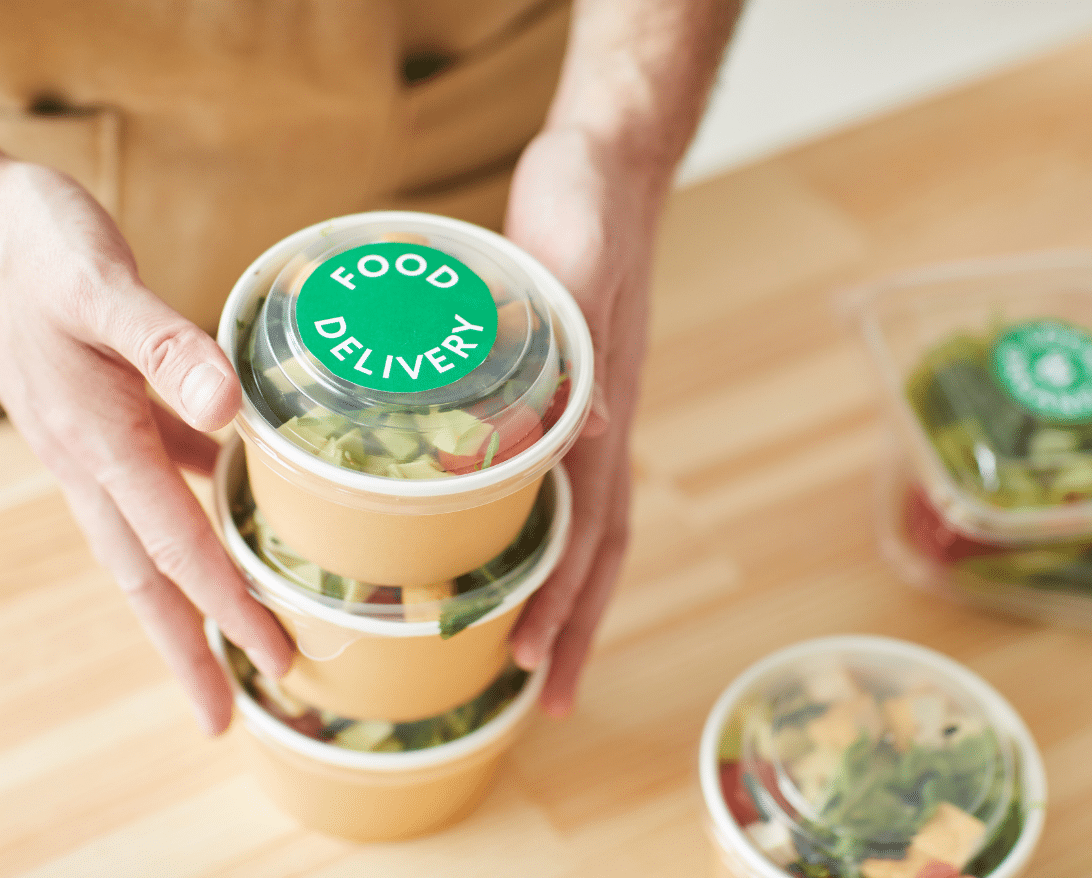
- Labels and seals. Give customers extra confidence by sealing plastic and paper food containers to ensure food safety. It’s also a good idea to label hot liquids to prevent spills and injuries to both delivery drivers and diners.
Partner with Grubhub for sustainable food delivery
Safe packaging is the first step; it’s also important to work with a reliable delivery partner. At Grubhub, our platform optimizes punctuality and efficiency to maximize food quality. Drivers can pick up orders within minutes of preparation, and delivery zone boundaries ensure meals arrive quickly. With the integrated utility opt-in, sustainability is built into the process.
Sign up for Grubhub today to start serving sustainable customers.
How to control your food expenses
alone — the rising price of food is one of the biggest challenges for restaurant owners in 2023. While costs are always subject to fluctuation, this year brings a perfect storm of economic forces. Inflation, persistent supply chain disruptions, and a possible recession are driving increases of 10% or more across the board. By finding ways to control costs, you can maintain a positive cash flow and protect your bottom line.
What impacts the cost of food?
The global food market is complex and interconnected, which means an incident across the world can have a significant impact on your restaurant’s operations. For example, Ukraine typically produces 10% of the world’s wheat and 13% of its barley; the Russian invasion has affected crops and exports, reducing the global supply and increasing prices.
Some other factors that affect the cost of food include:
- Supply chain problems. Ongoing disruptions to the global supply chain slow the supply of both food and the packaging it comes in.
- Natural disasters. Storms and unexpected climate conditions can wipe out crops, destroy stored food, or disrupt shipments.
- Disease outbreaks. Diseases that affect crops or animals can drastically reduce the available food supply. In late 2022, for example, an outbreak of avian flu caused egg prices to rise by nearly 60%.
- Labor issues. Food producers rely heavily on human labor; when they have staffing shortages, it can affect supply and drive up prices.
- energy prices. High energy prices make it more expensive to process and transport food.
Types of restaurant food expenses
When you run a restaurant, there are three primary types of food expenses to consider when you’re building a menu: recipe cost, plate cost and period cost.
- Recipe cost is the amount of money you need to spend to make a recipe. To find it, calculate the price of each ingredient. If a recipe takes 1 pound of flour and you spend $30 on a 50-pound bag, the cost for that ingredient would be 60 cents.
- Plate cost refers to the cost of a meal on your menu. If it’s part of a larger recipe, you can simply divide the recipe cost by the number of servings. Otherwise, add the cost of each ingredient or element of the dish.
- period cost is the amount you spend on food over a specific period of time. To calculate it, take the dollar value of your inventory at the beginning of the period and add the value of any purchases you make during the period. Then, subtract the value of the remaining inventory at the end of the period to get your total food cost.
When you understand each type of food expense, it’s easier to set appropriate menu prices. Track each cost regularly — that way you can spot seasonal increases for specific ingredients and adjust your menu accordingly. If blueberries are more expensive in the winter, you might focus on desserts that incorporate cheaper, in-season ingredients such as lemons or oranges. Adopt a seasonal menu to keep up with changing flavor profiles.
Current food-expense data also helps you react quickly when customers reduce spending on restaurants and entertainment.
Food cost percentage: how to calculate it and why it’s important
Food cost percentage is the expense of your ingredients expressed as a percentage of your revenue. This number is an important reference point when you’re keeping tabs on food expenses and profits. If your food cost percentage is too high, you may need to reduce food spending or increase prices to avoid diminishing your restaurant’s profit margin.
In general, a good food cost percentage for restaurants falls between 25% and 40%, but the ideal target depends on your restaurant’s typical meal expense. If you run a fine-dining business that serves caviar and prime cuts of beef, you might have a food cost percentage between 35% and 40%; for a sandwich shop, this number might be closer to 25%.
To calculate your food cost percentage, follow these steps:
- Choose a specific period of time and calculate the period cost for your food (value of beginning inventory + value of purchases – value of ending inventory).
- Calculate the total menu item food sales for the same period of time.
- Divide the period cost by the total food sales and multiply by 100 to get the food cost percentage.
3 ways to control your food expenses
When prices are high, it’s more important than ever to control food costs. Reducing meal expenses creates more wiggle room in the budget to cover incidental expenses.
As you adjust your restaurant’s practices, it’s important to move gradually and keep an eye on the latest USDA food plans. Small, sustainable changes enable you to keep expenses in check while maintaining a consistent customer experience during a business meal or family dinner.
1. Get the best prices
When you need to control food costs, start by examining your supplier agreements. Some ways to get a good deal include:
- Shop around. Get quotes from multiple vendors to make sure you’re getting a fair price.
- Negotiate. If you’re happy with your current supplier, see if you can negotiate a better deal. You may need to offer something in return — sign a long-term commitment, for example, or order more products in return for discounted prices.
- Consolidate orders. Save money on shipping fees by consolidating your orders. Instead of ordering pasta and other dry goods every week, order once every 2 or 3 months. As a bonus, this strategy also makes it easier to get bulk discounts.
- Pay on time. Timely payments help your suppliers manage their cash flow. If you have a solid history, they may be more likely to cut you a deal to secure your loyalty.
- Find a local supplier. If your restaurant specializes in seasonal ingredients, consider partnering with a local farmer. You’ll pay less for transportation, and you can often negotiate a reasonable price for higher-quality foods.
Once you’ve found a satisfactory balance between food quality and cost, you can revisit your menu pricing strategy to ensure your food cost percentage falls within an acceptable range.
2. Customize your menu
Compare your menu to the last 3-12 months of sales data. What dishes sell consistently? What are the lowest-performing items? Do certain dishes sell only during specific months?
With these insights, customize your menu by:
- Eliminating low-performers. If certain dishes rarely or never sell, cut them from the menu. That way, the ingredients won’t take up valuable storage space, and you won’t need to worry about spoilage.
- Creating rotating offerings. If customers only order specific dishes during certain times, remove them from the menu the rest of the year.
- Focusing on seasonal ingredients. Ingredients are more plentiful when they’re in season, so prices tend to be lower. Create a seasonal menu that highlights these ingredients, and builds excitement among diners by writing mouthwatering menu descriptions.
Adjusting your menu on a regular basis helps you save money, but it also gives customers a reason to come back. To ensure diners are aware of the latest updates, make sure to communicate the changes in your restaurant with social media posts and marketing emails.
3. Control your inventory
When your inventory goes bad, it’s essentially wasted money. To control costs, manage your inventory carefully. Some ways to do so include:
- Track ingredients. Use software to track every ingredient; note which ingredients sit longer and adjust your ordering process accordingly.
- Order perishable ingredients locally. Locally sourced food has shorter transport times and more frequent deliveries, which can help reduce spoilage.
- Use promotions. If you notice that an ingredient is getting close to its expiration date, offer a special price on dishes that feature it. Grubhub Promotions makes it easy to increase visibility and increase sales for these menu items so you can quickly run through your inventory.
Cutting back on food waste
The food waste in your restaurant consists of the ingredients and leftovers you throw away every day. Spoiled food, returned meals, dropped trays, and inefficient preparation can all contribute to waste. By identifying the most wasteful aspects of your operations, you can get more mileage from your inventory and simultaneously reduce spending. Some ways to reduce food waste and manage your food costs include:
- Order ingredients to align with sales volume.
- Train kitchen staff in low-waste prep for each menu item.
- Prevent spoilage by using ingredients with a “first-in, first-out” approach.
- Standardize your recipes and portion sizes.
A low-waste operation benefits your bottom line — it cuts costs and keeps your food expenses under control, which leads to higher revenue.
Partner With Grubhub
As you find ways to control food costs in your restaurant, Grubhub can help. Your latest sales data is always available, enabling efficient analysis. Need to customize your menu items? The platform streamlines the process, so you can update the seasonal menu or push new promotions with just a few clicks. To get started, sign up for Grubhub today.

March game day promotion ideas for your restaurant
The college basketball tournament is coming. 67 games, 179,560 heart-wrenching, bracket-busting, Cinderella-storytelling minutes of action – and your restaurant can’t miss a single one. With over 10 million people tuning in for each basketball game in 2022 there are endless opportunities to score big this March.
Use these tips on how to grow your business, along with Grubhub, to conveniently offer the delicious food, tasty snacks, refreshing drinks and other essentials your hungry diners need to enjoy every minute of the mania.
How to capture more customers on game days
While the college basketball teams battle it out all month long, fans are eager to build their own brackets and follow their favorite teams to the end. The college basketball tournament tips off on March 14, and in the championship game on April 3. That means you have over 20 days to reach basketball fans and encourage them to include your restaurant in their game day strategy.
1. Offer game day deals
Promotions are the easiest way to bring the fans to your restaurant and a great way to encourage on-premise and off-premise dining. An irresistible deal could influence a diners’ game decision and motivate them to order from your restaurant, especially for those who are balling on a budget.
Is your restaurant listed on Grubhub Marketplace? With Marketplace, your restaurant can easily deploy mouthwatering promotions. You can offer a dollar off or a percentage off an order, or gift your customers with free delivery or a free menu item. You can also use promotions to encourage diner loyalty all tournament long. While diners are watching the game and enjoying delicious food, offer them a deal on their next delivery order to enjoy the next game.
Your game day deals can encourage in-person patronage as well.
Is your restaurant located near a college or university? College basketball is a perfect opportunity to get students to stop by. Offer a student discount for those who show you their student ID. Your restaurant can even host a tournament bracket contest where customers with the closest to perfect brackets win a prize.
If your restaurant is the perfect location for game day viewing, offer deals that will keep customers coming back all month long. Go old school and give out punch cards to diners that they can bring each time they visit your restaurant. After five punches, they can get a drink, an appetizer or even a meal for free. Make sure your restaurant is ready for game day viewing – that means televisions, plenty of seating and a stocked bar. You also want to schedule your staff to cover the game time crowd.
2. Create a special game-day menu items
It’s not just the fans cheering who can have all the fun. Use the tournament to create special game-day food bundles and party packages in your delivery menu on Grubhub. Include restaurant favorites or name each combo after one of the NCAA teams playing. Appetizers are likely to be the winning item, so make sure to prepare for larger volumes of orders.
What menu deals are sure to be a slam dunk?
- Game day basketball are great additions to your take out and delivery menus. Feed a watch party with shareable appetizers and drinks.
- happy hour deals score big during the March tournament. Start your happy hour earlier to align with game schedules.
- Team-themed drinks and dishes not only make your restaurant a big tournament contender, but also give you the opportunity to creatively rebrand your menu items all month long.
Is your restaurant located in a team’s homebase? This year there will be games hosted in over a dozen cities across the country. For the fans who made it to the watch party, offer a free drink if your team wins! Or better yet, if they lose, nothing cures the basketball blues like an ice-cold beer, right?
3. Use alcohol to increase online order sales
There’s no doubt alcohol plays a part in the madness this March. As a restaurant, this is a perfect time to promote your drink offerings.
Offering beverage delivery can be a buzzer beater shot that can put your restaurant on top. What are the top drinks during the March tournament? Beer is a must for any game day menu. Canned hard ciders and seltzers are also popular among fans and are easy to add to a delivery order. It’s also a good idea to offer cocktails – you can get creative and make themed cocktails based on the teams in the tournament. Take a look at more tips on how to optimize your restaurant for beverage delivery.
Adding alcohol and cocktails has become a huge opportunity for restaurants on Grubhub to easily increase the average order volume by a whopping $14-15. Read how restaurants are incorporating the latest to-go cocktail trends in their Grubhub delivery strategy.
4. Encourage online dining engagement
It’s no doubt that in order for restaurants to be successful, a strategic online presence is vital, especially during tournament season. In fact, 52% of March basketball tournament viewers were active on social media during the games last year. Twitter is a big hub for basketball fans, with tournament related topics reaching over 576,000 engagements and 1.57 billion impressions.
Does your restaurant have a winning social media presence? Easily connect with your audience online by taking part in the March mania on social media. If your restaurant has that perfect game-day setup, use social media and your restaurant’s website to promote viewing parties on-premises. Get your diners involved by creating a bracket of your restaurant’s best appetizers for hungry customers to vote on which will be half-off on their game day delivery orders.
Use Canva to find tournament-themed graphics and create shareable content to get your restaurant noticed. Check out more tips on how to grow your social media presence.
No restaurant’s digital presence is complete without online ordering. That’s why many restaurants are turning to Direct, our customizable online ordering site that is completely commission-free. With the ability to download diner data and reach out to those owned customers on their own, Direct restaurants are using this data to target loyal customers and boost their orders.
Promote your online ordering platform and restaurant’s website on your social media to turn curious scrollers into raving fans of your food.
What type of tournament promotions should your restaurant run?
It doesn’t matter what type of restaurant you run, there are opportunities to get in on the March tournament madness. Games start in the early afternoon and stretch into the night, giving more opportunities for restaurants to get in on the tournament.
Bars and pubs are the most popular spots for basketball watch parties. The casual atmosphere, big screen TVs and the flow of alcohol and appetizers make for a perfect spot to watch all the action unfold. If you run one of these establishments, encourage customers to dine in and stay awhile while they watch the game at your restaurant.
If you run a casual or a fast casual restaurant, the tournament is the perfect time to double down on delivery. While you may not have the space to host a watch party, your restaurant can still be the center of at-home gatherings if you offer to-go deals. Want to expand your delivery before tipping off? Partner with Grubhub to get your to-go offerings in front of more customers.
Make this tournament season a slam dunk with Grubhub
No matter what restaurant you run there are dozens of opportunities to get in on the basketball madness this March. 92% of basketball fans said they plan to purchase food from bars or restaurants during the game. Turn customers into loyal fans by giving them opportunities to score delicious deals.
Need a teammate to help your restaurant grow? Partner with Grubhub today.
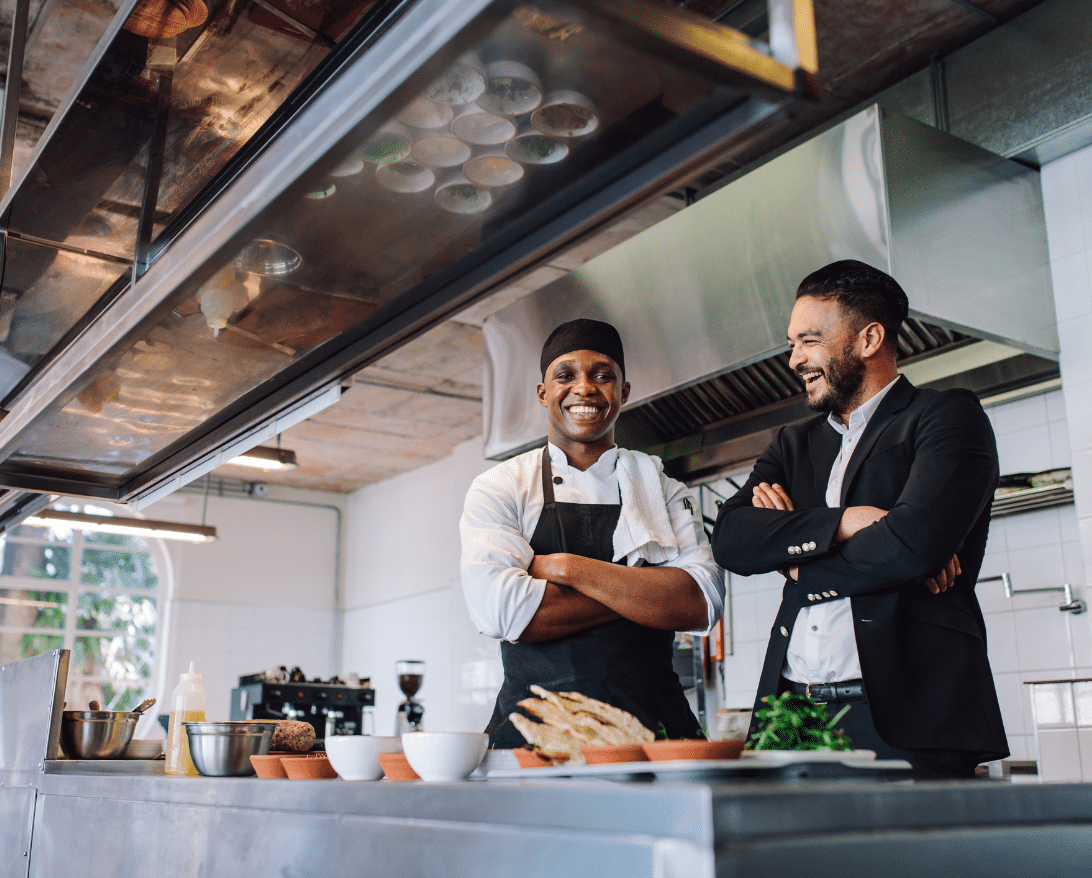
Restaurant employee onboarding made easy
Regular hiring is a reality for many restaurants. Each time a new employee joins the staff, you must train them and introduce them to your company’s practices. A streamlined, standardized and comprehensive onboarding process can simplify the process, boost retention and enable new employees to work independently in less time.
Employee onboarding: increase retention with proper training
Employee onboarding is the process of orienting, training and integrating new employees into your restaurant. Well done, onboarding helps each new hire feel comfortable and familiar with the company; it also gives them the skills they need to perform their jobs with confidence.
Employees care deeply about proper training. In fact, Gallup research finds that learning opportunities are important to 75% of frontline employees. It’s one of the top priorities for workers — the only factors that rank higher are job growth and pay. Supportive management comes in fourth, so it’s important to hire the right restaurant manager.
Despite the importance of onboarding, only 12% of employees in the United States are satisfied with their companies’ processes.
If you can find a way to beat the statistics and improve workers’ first weeks on the job, it can have far-reaching benefits for your restaurant. In particular, improving onboarding can go a long way toward reducing employee turnover. That’s a big deal, considering 40% of turnover happened during the first year of employment.
Onboarding improves employee retention by building:
- Confidence. Comprehensive onboarding gives workers the tools and skills they need to succeed.
- Clarity. Employees learn exactly what they’re expected to do, so they can perform to higher standards and gauge their progress accurately.
- Culturalunderstanding. Workers get to know the restaurant’s traditions, values, and vibe.
- Relationships. During onboarding, employees create relationships that make the workplace more fun, friendly and welcoming. These bonds help workers feel like they belong.
- Job satisfaction. When workers have strong social bonds and the ability to perform well, they are more likely to be satisfied with their position.
New hire checklist: what to include in your restaurant employee onboarding
A good onboarding process starts well before new hires start work; you can start building a connection right away. The first thing to do with a new restaurant employee is to provide important information. For example, you might send a welcome email that includes the orientation date, an onboarding schedule and a list of documents to bring on the first day. This strategy eliminates uncertainty and sets expectations so that employees can prepare. It also establishes a relationship immediately, which can help reduce the chances that workers will ghost you before they start — something 30% of employees have done.
Phases of the restaurant employee onboarding process include:
- Pre-onboarding (or preboarding). The first step of onboarding begins as soon as the new hire accepts the job offer and ends on their first day. It’s a great time to let the workers know what to expect from their first few days and weeks. At the same time, you should prepare paperwork, uniforms and other documents that help employees understand the company and culture.
- Orientation. This phase starts when the new employee arrives for their first day. It typically includes an orientation session, paperwork signing, setting up digital accounts, a tour of the restaurant and an introduction to the team. You might also educate the new hire on company policies and procedures, including server minimum wage.
- Training. At this point, the employee is ready to start learning their roles and responsibilities. For front-of-house positions, you might pair the new hire with an experienced employee for on-the-job training. Kitchen workers may learn hygiene practices, food preparation, inventory management standards and how to operate equipment, depending on their position.
- Transition and growth. During this stage, the employee transitions into their new job, working independently in their position. Consider assigning each hire a mentor who can offer guidance and advice. It’s important to schedule regular check-ins to answer questions, ask for feedback and identify any outstanding issues.
Every restaurant will have a slightly different onboarding process, depending on their operations. If you own a franchise, you may need to train workers in corporate policies; for fine-dining establishments, you might include educational sessions on table settings, precise serving etiquette and communicating with chefs.
Regardless of your restaurant’s size and style, the best employee onboarding process is both thorough and personal. At the end, new workers should have a clear understanding of their role and how it fits into the overall business model. And most importantly, they should feel welcome and accepted as part of the team.
As you design and execute a unique onboarding program, a new hire checklist can help you cover all the bases:
- Send a welcome email with key dates and information.
- Print new-hire paperwork.
- Prepare employee handbook, job description, and benefits and payroll information.
- Order the employee’s uniform, name tags, and any necessary equipment.
- Create accounts for POS, time-tracking system, and e-mail.
- Plan an orientation session and tour.
- Introduce the employee to the team.
- Offer standalone and on-the-job training.
- Pair the new hire with an existing employee for mentorship.
- Ask for feedback.
- Check in at regular intervals.
Tips for a streamlined onboarding process
A streamlined employee onboarding process can set a positive tone for a new hire. It provides the information they need to know without hours of dry training sessions. To achieve this balance, try establishing onboarding best practices such as:
- Complete paperwork digitally to save time.
- Make sure uniforms, accounts and name tags are ready on the first day.
- Announce the new hire to current employees before the start date.
- Utilize employee onboarding software and on-the-job training to keep workers engaged.
- Offer opportunities to socialize with other employees.
- Explain lingo, table numbering and unique restaurant practices.
- Assign a single point of contact for questions.
- Offer a first-day package with branded merchandise.
- Ask managers to communicate frequently with each new restaurant employee.
Successful restaurants rely heavily on standardized onboarding processes. In-N-Out Burger, for example, uses comprehensive training and transparent levels of development to ensure workers are fully prepared for each role. This system seems to be working — the chain is ranked as the 10th best place to work on Glassdoor, making it the only restaurant in the top 50.
To make your onboarding more successful, use these tips:
- Involve current employees. Ask them what the new employee needs to know, and include the suggestions in the onboarding process. As a bonus, this practice can keep your team engaged and help minimize restaurant employee turnover.
- Be organized and prepared. When your materials and staff are ready for the new hire, they’ll be able to move through the process with ease.
- Showcase restaurant culture. Find ways to integrate new workers into the culture. Invite them to the staff tasting session before dinner service, for example, or ask them to participate in a customer’s birthday celebration.
The importance of new hire training
Training is one of the most important parts of the employee onboarding process — it enables workers to perform their jobs safely, efficiently, and in compliance with the health code. Each new hire should receive a thorough education in the skills and information they need to perform their job. For servers, this might include taking orders, working the POS system and serving meals. A kitchen-crew hire is more likely to need training in your restaurant’s food-prep practices, recipe preparation and stove operations.
Effective training typically involves the entire team. Restaurant managers and existing employees should support new workers by answering questions, offering helpful tips, and gently correcting mistakes. Your human resources team can encourage this type of collaborative behavior with employee recognition programs.
Streamline your restaurant onboarding with Grubhub
A key part of the onboarding process involves training new employees to use your restaurant’s POS technology and online ordering system. Grubhub makes this process quick and convenient by seamlessly integrating with a variety of popular POS systems and creating an intuitive operation that’s easy to learn. As a result, workers can master the procedures for in-house, takeout and delivery orders in less time. If you’re looking for ways to save time, ensure accurate orders, and improve your onboarding system, get started with Grubhub today.