
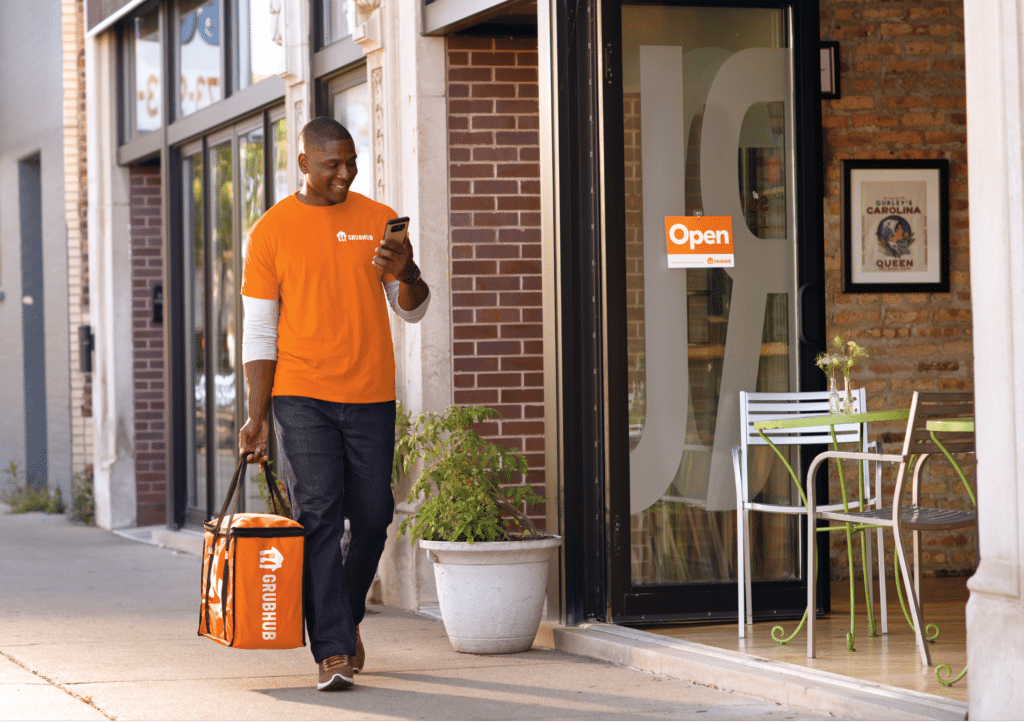
How to sell on Grubhub
Technology is no longer optional for food-service businesses — it’s an industry standard. Diners expect their favorite restaurants to offer convenient tech solutions, such as mobile ordering, contactless payments and QR-code menus.
If you’re planning to sell on Grubhub to meet these demands, you’re not alone. Restaurants often partner with food delivery apps to streamline the technology integration process. With Grubhub’s industry-leading platform, it’s easy to add mobile ordering, reach new customers, increase revenue, create loyalty programs, and market your business.
The importance of delivery
Food delivery is an essential part of your restaurant’s operations, especially post-pandemic. The delivery market has doubled in 2020, and although growth has slowed, it is still expected to increase dramatically in the coming years. By 2027, experts expect the US online food delivery market to reach a value of $95.68 billion — $33.25 billion more than the market was worth in 2022.
It’s important to note that as delivery service becomes more popular, customers have developed high expectations. At a minimum, they want seamless online ordering, easy payments and real-time order tracking. They also want the flexibility to opt for pickup on days when they prefer to eat takeaway meals.
What does that mean for your restaurant? It’s not enough to simply offer delivery — you also need to offer a fast, convenient experience. That starts with a high-functioning online ordering system.
At a minimum, your system should:
- Securely store customer payment information
- Create a fast, easy checkout experience
- Come with built-in marketing and promotional tools
- Offer on-platform branding for your restaurant
- Provide access to customer data
A comprehensive ordering platform benefits your customers and your restaurant. Customers can order and pay quickly, so it’s easy to satisfy a craving without unnecessary roadblocks. Each order goes right to your kitchen, reducing labor requirements and streamlining order management. And because you have access to customer data, you can encourage repeat business with targeted promotions right inside the platform.
Ordering systems such as Grubhub also help protect your reputation by connecting you to professional delivery drivers. They know exactly how to pack and transport each meal so it arrives hot and on time.
Boost your restaurant marketing
When you’re learning how to sell on Grubhub, marketing is a key part of the process. Done well, it helps you reach new diners, increase order revenue, and build customer loyalty. With Grubhub, you’re not on your own — your restaurant account comes with marketing tools and resources to help promote your business, both online and offline.
It all starts with the Grubhub Marketplace, which automatically boosts your visibility among local customers. Grubhub is more than a food delivery company; the platform also doubles as a discovery engine. In fact, more than 70% of Grubhub’s 33+ million users have used Marketplace to find new restaurants.
Once you’ve set up a restaurant account, you have access to Grubhub’s resources and built-in marketing tools. The restaurant marketing guide helps you set goals, establish a budget and design a promotional strategy that’s targeted to your audience. You’ll also discover the key elements of restaurant marketing, including an optimized website, a social media presence, email marketing, professional photography and a loyalty program.
Grubhub also offers additional marketing resources.
- Marketing toolkit. Let your dine-in and takeout customers know that you’re on Grubhub by downloading free, professionally designed window signs, order inserts, social media graphics, and email marketing templates in the marketing tool kit.
- Free menu photo shoot. Grubhub accounts include a free professional menu photo shoot to showcase your restaurant.
- Free branded ordering website. As soon as you’re on the Grubhub Marketplace, you get free access to Grubhub Direct. This service enables you to build a custom ordering website with ownership of customer data and no commission fees.
- Promotion and loyalty tools. Some account types come with access to Grubhub’s promotion and loyalty tools. With a few clicks, you can create special deals to bring in new customers or establish a loyalty program to keep past diners coming back for more.
Each account comes with different resources; check out Grubhub pricing and fees to find the option that’s right for your restaurant.
Why Grubhub?
Running a restaurant can be challenging; that’s why Grubhub goes to great lengths to create an easy, seamless food delivery experience. You can sign up for free and try the platform with no commitment.
After that, there are a few simple steps to get started with Grubhub:
- Set up and manage your menus. Add each of your restaurant’s dishes to your menu, write descriptions and upload photos. You can also assign categories, create different size options, add modifiers and schedule items when they are available. You can edit or manage the menu at any time. Grubhub also enables you to sell alcohol for delivery as state and local laws allow.
- Add a payment account. With Grubhub, you can choose to be paid by a monthly check or direct deposit on a weekly, semiweekly or overnight basis.
- Integrated Grubhub technology. Your Grubhub welcome box comes with a tablet you can use to accept and manage orders. You’ll also need to connect a compatible printer to print orders. Alternatively, you can integrate Grubhub with your POS system to ensure each delivery order flows right into your system.
That’s it — your restaurant is ready to start accepting delivery orders on Grubhub. Once you’re up and running, it’s important to monitor and respond to reviews. Professional, helpful responses improve your reputation and build rapport with customers. The reviews themselves can help you tweak and optimize your system for the best possible customer experience.
In addition to the easy setup and built-in marketing tools, Grubhub offers a variety of benefits that make it the ideal strategic partner for your restaurant:
- Established trust and name recognition
- Easy menu management
- Professional, streamlined food delivery
- Flexible account options
- Convenient ordering via app or website
- Dedicated account advisor
- Restaurant data insights
- Options for customers who want to order delivery or eat takeaway
Get started today
If you want to expand your restaurant’s food delivery service, Grubhub makes the process easier. You can join for free, with no platform or maintenance fees. The Grubhub service fee varies based on the type of account you choose but can be as low as 5%.
Ready to get started? Signing up is quick and easy — just enter a few details about your restaurant. As soon as you create an account, you can add users, set business hours, and create separate hours for customers who want to order delivery or eat takeaway. To try Grubhub for free for 30 days, get started today.

Restaurant advertisement: growing awareness of your brand
Restaurants rely on local business, which means awareness is everything. Before they can stop in for a meal, customers need to know your establishment exists. That’s the role of marketing and advertising: to build awareness and familiarity in your target audience as a way to boost sales.
Get your brand out there
Marketing is one of the most important aspects of operating a restaurant. An effective marketing strategy helps your business succeed by:
- Building brand awareness and name recognition
- Creating relationships with your target audience
- Distinguishing your restaurant from competitors
- Convincing customers to try your food
- Increasing sales and revenue
The way you market your restaurant also strengthens its brand — the way the public perceives and identifies the business. It’s hard to overestimate the value of a compelling and powerful brand. It builds familiarity, trust, and loyalty in your customers, making them more likely to choose your restaurant over competitors.
What’s the difference between marketing and restaurant advertising? Advertising is one facet of marketing; a restaurant advertisement typically involves promoting your restaurant through paid channels.
How to market your restaurant
The most effective restaurant marketing strategies use a multi-pronged approach. By showing your food and brand on a variety of channels, it’s possible to reach different sectors of your target audience.
This strategy also increases the number of times customers are exposed to your brand. That’s important for the legendary “Rule of Seven,” which states that viewers need to see an ad or marketing campaign seven times before they take action.
As you write a restaurant marketing plan, make sure to include a broad selection of platforms.
1. Email marketing
Email marketing is one of the most valuable forms of marketing for the food industry. You own the email list, which means you can communicate with recipients at any time — without relying on a search engine algorithm or a platform to show your content to followers.
Email is particularly effective for restaurants because it enables you to control when viewers see marketing messages. Want to boost midday sales? Send out an email with the daily lunch specials at 10:30 am, when office workers are starting to think about lunch. Is Mother’s Day coming up? Help customers decide how to celebrate by sending an email announcing a holiday brunch.
2. social media
When diners are trying to pick a restaurant, they often scroll through locations or relevant hashtags on social media to find an appealing option. Social media marketing increases your chances of showing up in those searches.
To build a powerful social media presence for your restaurant, you must capture diners’ attention when they’re ready to buy. This process typically involves:
- Selecting the platforms that are popular among your customers
- Post beautiful food photography and videos
- Humanizing your brand with “behind the scenes” content
- Boosting engagement with content and special discounts
- Including links to your website and online ordering system
It can pay to create accounts for your restaurant on Facebook, Instagram and TikTok. Utilizing a social media calendar can help you post on a consistent cadence.

3. Paid restaurant ads
Advertising usually requires you to pay for placement. Your restaurant advertisement strategy should include both print and digital ads, including:
- Social media advertising. Instagram and Facebook ads can be targeted to reach your ideal customer. You can customize them with photos of food, interiors or employees.
- Google display ads. By joining the Google ad network, you can position your restaurant’s advertisements on participating websites.
- Restaurant billboards. Billboards are essentially supersized print ads that sit in high-traffic areas.
- Print ads in newspapers and magazines. This type of traditional advertising tends to work well for an older demographic.
- Radio ads. Reach customers while they’re driving with paid radio ads that promote your food or special deals.
- Podcast ads. Like radio ads, these promotions are audio-only. They typically appear during podcast breaks. Podcasting is a popular medium for younger listeners.
- Advertising videos. Video promotions often appear in television commercials; you can also use them as display ads on websites and YouTube.
- Direct mail. Send restaurant ads through the physical mail. This is an effective way to stand out from online noise and promote a grand opening, special event or new menu. You can even include discount coupons as an added incentive.
A great restaurant ad is attention-grabbing and easy to understand — viewers should be able to comprehend the message in seconds. In many cases, effective ads use emotions to create fast, powerful connections with customers. Finally, make sure to include a call to action to convince the audience to visit your website, follow you on social media, sign up for the email list or stop by your restaurant.

4. Printmarketing
Digital marketing has gained traction in recent decades, but traditional print marketing can still be a powerful tool. You might create flyers to put up on local billboards or print a brochure to leave at hotels in the area. You can also staple your print marketing materials or special deals for customers’ takeout and delivery order bags. If your restaurant offers catering services, a printed catalog with a food menu can help event planners and wedding venues share your business with clients.
Other types of print marketing include:
- Business cards
- Table tents
- Posters
- Signs
- Bag inserts

5. Content marketing
Content marketing is the process of creating and sharing blog posts, videos and social media content to promote your restaurant. You can include both direct and indirect promotions. A social media post might announce your latest special outright; a blog post could take a more indirect route by sharing a popular recipe or discussing the food scene in your city.
Tips and tricks for marketing a restaurant
No matter what platform you choose, use these restaurant advertising and marketing tips to attract more customers:
- Invest in high-quality photography and video to showcase your food and restaurant in the best light.
- Include deals and discounts to give customers an additional reason to come in.
- Keep an eye on competitors and stay up-to-date with their marketing strategies.
- Engage customers by asking for feedback, particularly on social media.
- Fill out your Google Business profile completely.
- Experiment with advertisements in a variety of locations and refine your strategy to include the ones with the highest response.
How much should you spend on advertising?
Restaurant advertising can be as affordable or as expensive as your budget allows. As a rule of thumb, marketing experts suggest that small businesses spend between 7% and 8% of their revenue on marketing. For most companies, advertising spend should account for no more than 20% of the total marketing budget.
If your restaurant had yearly revenue of $1 million, the marketing budget would be $70,000 to $80,000. Your maximum advertising budget would fall between $14,000 and $16,000.
The actual budget can vary significantly from restaurant to restaurant. Some businesses see a high return on their ads, so they spend more. Others may be more successful with other types of marketing and choose to invest accordingly.
When you’re just starting out, you might want to spend more on paid ads. As soon as your organic marketing strategies catch up — you build a social media following or bring in traffic to blog posts, for example — you can reduce the advertising budget.
Calculating the ROI of your restaurant marketing efforts
At the end of the day, the goal of promotional activities is to bring in new customers and increase food sales. As a restaurant owner, it’s helpful to monitor the return on investment (ROI) of your restaurant marketing and advertising campaigns. The results can help you design a targeted strategy and set an appropriate budget. To calculate the ROI, use this formula:
(sales growth – marketing costs)/marketing costs = ROI
For example, if you spent $1,500 on marketing in a quarter and saw a $5,000 increase in sales during the same period, you would calculate ROI with this equation: ($5,000-$1,500)/$1,500 = 2.33%.
There are no set rules for an acceptable ROI. In general, the higher the ROI, the more successful the strategy. To find the strategies that work best for your restaurant, calculate the ROI for different advertising and marketing campaigns.
As you create a marketing and advertising plan for your restaurant, remember that it’s a process. With trial and error and regular attention, you can develop a refined strategy that brings in customers and increases sales.
Growing your advertising reach with Grubhub
Reaching customers is difficult for any restaurant. That’s why it helps to have a trusted partner like Grubhub by your side. When you list your restaurant on Grubhub Marketplace, you have instant access to 33+ million paying customers. You can run promotions and get access to loyalty tools to advertise your business, grow your brand.
Ready to grow your business? Sign up for Grubhub today.
Park Hotels & Resorts Inc. (NYSE:PK) Shares Sold by Dimensional Fund Advisors LP
 Dimensional Fund Advisors LP decreased its holdings in Park Hotels & Resorts Inc. (NYSE:PK – Get Rating) by 4.9% in the fourth quarter, according to its most recent filing with the Securities and Exchange Commission (SEC). The institutional investor owned 2,908,699 shares of the financial services provider’s stock after selling 148,720 shares during the quarter. Dimensional Fund Advisors LP’s holdings in Park Hotels & Resorts were worth $34,293,000 as of its most recent SEC filing.
A number of other institutional investors have also recently made changes to their positions in the business. Treasurer of the State of North Carolina boosted its position in shares of Park Hotels & Resorts by 1.3% in the 4th quarter. Treasurer of the State of North Carolina now owns 96,741 shares of the financial services provider’s stock worth $1,141,000 after purchasing an additional 1,230 shares in the last quarter. HighTower Advisors LLC raised its stake in Park Hotels & Resorts by 35.9% in the 4th quarter. HighTower Advisors LLC now owns 25,685 shares of the financial services provider’s stock worth $305,000 after acquiring an additional 6,790 shares during the last quarter. Coombe Bender & Co LLC raised its stake in Park Hotels & Resorts by 2.3% in the 4th quarter. Coombe Bender & Co LLC now owns 269,042 shares of the financial services provider’s stock worth $3,172,000 after acquiring an additional 6,082 shares during the last quarter. Van ECK Associates Corp raised its stake in Park Hotels & Resorts by 79.9% in the 4th quarter. Van ECK Associates Corp now owns 23,250 shares of the financial services provider’s stock worth $274,000 after acquiring an additional 10,326 shares during the last quarter. Finally, Russell Investments Group Ltd. raised its stake in Park Hotels & Resorts by 2.4% in the 4th quarter. Russell Investments Group Ltd. now owns 482,138 shares of the financial services provider’s stock worth $5,684,000 after acquiring an additional 11,212 shares during the last quarter. Institutional investors and hedge funds own 89.42% of the company’s stock.
Wall Street Analyst Weigh In
A number of equity analysts recently issued reports on the company. Truist Financial raised their target price on Park Hotels & Resorts from $19.00 to $20.00 in a research note on Tuesday, May 2nd. Deutsche Bank Aktiengesellschaft lifted their price objective on Park Hotels & Resorts from $20.00 to $21.00 in a research note on Tuesday, May 2nd. TheStreet upgraded Park Hotels & Resorts from a “d+” rating to a “c” rating in a research note on Wednesday, February 22nd. Morgan Stanley reduced their price objective on Park Hotels & Resorts from $14.00 to $13.00 and set an “equal weight” rating for the company in a research note on Monday, April 17th. Finally, Wells Fargo & Company cut Park Hotels & Resorts from an “overweight” rating to an “equal weight” rating and dropped their target price for the company from $17.00 to $12.50 in a research report on Thursday, March 30th. Eight investment analysts have rated the stock with a hold rating and one has assigned a buy rating to the company. According to data from MarketBeat.com, the stock currently has a consensus rating of “Hold” and an average target price of $17.55.
Park Hotels & Resorts Trading Up 0.4 %
PK stock opened at $12.99 on Friday. The company has a current ratio of 3.05, a quick ratio of 3.05 and a debt-to-equity ratio of 1.09. Park Hotels & Resorts Inc. has a 12-month low of $10.70 and a 12-month high of $19.47. The stock has a market cap of $2.80 billion, a price-to-earnings ratio of 11.70, a PEG ratio of 0.70 and a beta of 1.95. The business’s 50-day moving average is $12.46 and its 200 day moving average is $12.70.
Park Hotels & Resorts (NYSE:PK – Get Rating) last issued its earnings results on Monday, May 1st. The financial services provider reported $0.15 earnings per share for the quarter, missing the consensus estimate of $0.32 by ($0.17). The company had revenue of $648.00 million for the quarter, compared to analyst estimates of $617.04 million. Park Hotels & Resorts has a return on equity of 5.90% and a net margin of 9.44%. The company’s revenue for the quarter was up 35.3% on a year-over-year basis. During the same quarter in the prior year, the firm earned $0.08 earnings per share. On average, sell-side analysts anticipate that Park Hotels & Resorts Inc. will post 1.93 EPS for the current fiscal year.
Park Hotels & Resorts Cuts Dividends
The business also recently announced a quarterly dividend, which was paid on Monday, April 17th. Stockholders of record on Friday, March 31st were issued a dividend of $0.15 per share. This represents a $0.60 annualized dividend and a dividend yield of 4.62%. The ex-dividend date of this dividend was Thursday, March 30th. Park Hotels & Resorts’s dividend payout ratio is currently 54.05%.
Park Hotels & Resorts Profile
(Get Rating)
Park Hotels & Resorts, Inc operates as a real estate investment trust, which owns and operates hotels and resorts. It operates through the Consolidated Hotels and Unconsolidated Hotels segments. Its portfolio of hotels and resorts includes the Waldorf Astoria Hotels and Resorts, Conrad Hotels & Resorts, Hilton Hotels & Resorts, DoubleTree by Hilton, Embassy Suites by Hilton, Hilton Garden Inn, Hampton by Hilton, and Curio.
Recommended Stories
Want to see what other hedge funds are holding PK? Visit HoldingsChannel.com to get the latest 13F filings and insider trades for Park Hotels & Resorts Inc. (NYSE:PK – Get Rating).
Receive News & Ratings for Park Hotels & Resorts Daily – Enter your email address below to receive a concise daily summary of the latest news and analysts’ ratings for Park Hotels & Resorts and related companies with MarketBeat.com’s FREE daily email newsletter.

How to Recruit New Restaurant Staff
Delicious food is only half the battle in building a successful restaurant — you also need exceptional employees. Restaurant staff are responsible for providing high-quality service, humanizing the business and embodying the values and personality of the brand. With a finely honed recruiting and hiring process, you can build a high-performing team.
What restaurant positions do you need to fill?
Every restaurant has different hiring requirements; your staffing needs will depend on the size of the restaurant, the type of service, and the average number of customers. Counter-service restaurants typically require fewer employees than traditional eaters, for example. An average casual restaurant might need 1 server per 5-7 tables, 4 kitchen workers and 2 support workers for each shift.
Some of the restaurant staff positions you may need to fill include:
- restaurant manager. The manager ensures the restaurant runs smoothly. They hire staff, manage finances and maintain the staff schedule. In many cases, they interact with customers and handle complaints.
- Food and beverage manager. In some restaurants, this manager oversees the ordering process for food and drinks. They typically collaborate with bartenders and chefs to ensure a careful inventory balance.
- executivechef. This chef is in charge of the kitchen. They oversee the menu, manage inventory, supervise kitchen staff and ensure each dish is up to par.
- Cooks/chefs. These restaurant employees are responsible for making the food. Prep cooks prepare the ingredients and workstations, while head chefs, sous chefs and line cooks handle most of the cooking.
- Bartenders. Bartenders make and pour drinks, clean glassware and ensure the bar is stocked.
- hosts. Hosts greet customers and guide them to their seats. They also take reservations, answer phone calls and maintain a waiting list.
- servers. Servers take orders and educate customers about menu items. In many restaurants, they also handle payments. They may also serve food and refill water, although some businesses hire food runners or expediters for those tasks. Servers typically make a special minimum wage that’s supplemented with tips.
- Busser. A busser is an employee who clears tables and brings dishes to the kitchen.
- Cashier. Cashiers handle money. At fast-food restaurants, they may also be responsible for food preparation.
- Dishwashers. These workers run dishes and utensils through industrial cleaners as they come into the kitchen, ensuring cooks and front-of-house staff have a supply of clean options.
Fine-dining restaurants usually have more staff members working at any given time. That’s because each person has a specialized and limited role. In addition to the general restaurant staff, you might also need a sommelier, a maître d’ and a pastry chef. High-end restaurants often have a larger hierarchy of chefs, each with distinct roles.
Importance of a Skilled Restaurant Staff
A skilled restaurant staff is the element that takes a restaurant from good to great. After all, your employees play a big role in the customer experience. Every employee, from the manager to the dishwasher, plays a part — hosts ensure guests are seated efficiently, the chef provides excellent food and the bussers keep the tables free of empty dishes. Servers are particularly important; they set the tone for the meal, making diners feel welcome and anticipating their needs. If something goes awry in the kitchen, an experienced server knows how to communicate the situation and maintain a positive vibe.
Capable restaurant employees also contribute to the back-end functionality of your business, keeping operations running smoothly. Tables are flipped quickly between guests, the dining area stays clean and food quality stays consistent.
If you focus on hiring and training skilled workers, it can create ripple effects that extend through the business. When everyone is pulling their weight, employees can focus on their own responsibilities instead of covering for others. The resulting positive atmosphere can help reduce employee turnover. In fact, the National Restaurant Association has found that 17% of employees quit because of workplace culture.
Tips for Recruiting New Restaurant Staff
When you’re hiring restaurant workers, it’s helpful to develop a set of best practices. An established set of standards creates a more consistent experience for the hiring manager and the new employees. A few practices to adopt are:
- Write job descriptions that are detailed but not overwhelming.
- Use a realistic job preview to communicate positive and negative aspects of each position.
- Be transparent about the pay up front.
- Design an onboarding practice that integrates each new restaurant employee into the company culture.
- Train restaurant staff thoroughly before they start working.
Once your hiring practice is set, use these tips to refine your recruitment and hiring strategies:
- Expand your reach. Ask the HR team to post job openings in more places. Include a mix of popular hiring methods, such as digital job boards and print publications. Don’t be afraid to post job flyers on community bulletin boards — it’s an effective way to reach job seekers when they’re visiting the local coffee shop or grocery store.
- Consider soft skills. Look for workers who have strong soft skills, such as personal communication and conflict resolution. Then, you can train them in the necessary hard skills.
- Move quickly. Keep the hiring process short and sweet; it demonstrates respect for candidates’ time and reduces the risk that applicants will take other job offers while they wait.
- Anticipate hiring needs. Ensure your restaurant is fully staffed by starting the hiring process as early as possible. This is particularly important if you hire seasonal workers, since competition for talent is higher during the busy season.
- Ask for referrals. Chances are your employees know other people in the restaurant industry. Ask them to refer strong candidates, and provide a bonus if you hire a referral. It’s a great way to find talented workers and recognize your employees’ contributions.
Challenges of Hiring Restaurant Workers
If you run a restaurant, hiring challenges are inevitable. Employee churn is one of the biggest issues; the restaurant industry is notorious for high turnover. In fast-food restaurants, the monthly turnover rate is 144%.
Every time an employee leaves, your management team must spend time and money hiring replacement staff. That’s not always easy in 2023; the ongoing global labor shortage is making it harder to find qualified restaurant workers.
Once you hire restaurant employees, your next challenge becomes retention. If you can find ways to keep workers longer, it cuts costs, saves time and creates a consistent experience for customers.
One way to boost job satisfaction and retention is to build an order-management process that makes employees’ lives easier. That’s where Grubhub can help — the platform integrates with your POS system, empowering workers to do their jobs more efficiently. When they’re spending less time on technology, your team can focus on preparing delicious food and providing top-notch service.
If you’re curious about how Grubhub can support your restaurant’s hiring and retention, as well as the customer experience, get started today.

Social Media Holidays Your Restaurant Marketing Can’t Miss
There are thousands of restaurants in the United States serving up dishes from juicy hamburgers to steamy ramen and everything in between. Depending on the specific area, consumers may have dozens or even hundreds of restaurants to choose from. So how are diners deciding where they’ll ultimately eat?
It turns out there are lots of reasons consumers might choose a particular restaurant. About one-third of people consider guest reviews, and some 90% check out restaurants online before dining there. It’s hard to pinpoint what exactly each potential guest is looking for, but it’s likely a combination of these factors:
- Does the food seem appealing?
- Do the menus, ingredients, and overall aesthetics reflect seasonality?
- What promotions are in place that make the restaurant seem especially enticing?
When all three of those factors are in play, you hopefully have an important aspect to convey to consumers: excitement. Luckily, incorporating social media holidays into your marketing strategy helps you do just that.
Creative marketing promotions are one of the keys to attracting guests to your restaurant. This same inspiration can be used to fuel seasonal menus, the look and feel of your restaurant’s social media presence, and so much more.
Here’s a look at social media holidays that you can use to get diners hyped up enough to either make a reservation or order delivery all summer long.
Why are social media calendars important?
As a restaurant owner, you have a lot on your plate. With plenty going on, you shouldn’t be spending hours every day trying to figure out what kind of post should go on your social media and how promotions can shape your menu. This is why having a marketing calendar is so important.
Having a social media calendar to follow, similar to our 2023 National Food Holiday calendar, gives you a road map. By using a calendar, you’ll have all your promotions laid out so you can batch content (AKA, create a bunch of collateral at one time so you can schedule posts in advance).
This way, you’ll streamline your marketing operations and free up both time and money so you’re not rushing around figuring out what to promote next and how you should do it.
Use these affordable marketing tools to help with everything from content creation to email marketing to commission-free online ordering.
“Micro holidays” Random and weird days worth celebrating
Micro holidays are those not-quite-real holidays like World Emoji Day (July 17) and National Pizza Party Day (May 19) that may not get you a day off school, but are still fun to observe.
Many people call these micro holidays “social media holidays” because they’re so popular on platforms like Facebook, Instagram, TikTok and Twitter. Companies use micro holidays in their marketing campaigns as a way to connect with consumers and encourage engagement.
Restaurants can do the exact same thing. By harnessing the power of social media holidays and national food holidays, restaurants can drum up positive interest and engagement.
How to incorporate 2023 social media holidays in your restaurant promotions
While many social media holidays involve non-food people, places or things — Talk Like a Pirate Day, anyone? — there are also a ton of National Food Holidays that are tailor-made for restaurants.
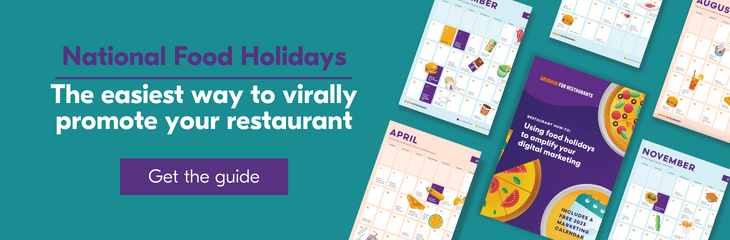
Download our Guide to National Food Holidays to learn how to level up your promotional marketing as well as to spruce up your social media food grams. Don’t miss out on holidays that give your customers an excuse to celebrate food and gift themselves or a loved one with some delicious restaurant delivery.
Take National Ice Cream Day, for example. Bloomberg research shows that 391,000 posts were made with the hashtag #NationalIceCreamDay in 2022, and there were more than 6.6 million YouTube videos made on the same topic. Major traction. And that translates into sales too, with ice cream sellers seeing a sales spice of 15-20% on average.
Pick a holiday that resonates with your restaurant or one you think will resonate with guests. Then create fun graphics to promote the holiday itself, with additional content ready to highlight any deals you’re running, such as a special menu item or a limited-time discount.
When you sign up for Direct, you also get access to customer data you can use to spread the word, including powering your own branded email campaigns. With your own free ordering website and zero marketing fees, your restaurant can invest in the promotions your diners deserve.
Visit our blog post for even more ideas on how to use the top National Food Holidays of 2022 for your restaurant marketing strategy.
What 2023 social media holidays are coming up next?
Once you’ve downloaded the National Food Holiday calendar, be sure to check out and incorporate a few non-food related social media holidays, too. These holidays may not be solely food-focused, but that doesn’t mean you can’t incorporate ingredients, dishes, and drinks that are on theme.
Think of each holiday as an opportunity. You’ll want to grab some with both hands, peppering your social media with hilarious memes giving a nod to National Selfie Day, while piggybacking on popular associated hashtags to help consumers discover your restaurant.
You can also celebrate holidays that align with your restaurant’s values, like posting a screenshot of a donation your restaurant made in honor of #EndangeredSpeciesDay (May 19).
Or, kick off a cross-promotional campaign to deal with other restaurants by sharing a picture of your staff eating a neighboring eatery’s signature donuts for #NationalDonutDay (June 2).
A few quick tips:
- Use hashtags to take advantage of algorithms and become more discoverable for consumers interested in that particular social media holiday
- Avoid going overboard — pick a few holidays to concentrate on rather than posting about every single one of them
- Always aim for authenticity. Go all out for the holidays that make the most sense for your restaurant and underlying mission, then add just a few extra fun ones to keep up with the trends
Luckily, we’ve done the work for you and gathered all the major summer social media holidays. Add these opportunities to your social media calendar and get to work on some fun promotional posts!
May 2023 Social Media Holidays
May is a major month for food holidays, including celebrations like Cinco de Mayo that aren’t necessarily about food but certainly contain a lot of it. This is also a big month for alcohol delivery. Be sure to read up on alcohol to-go trends of 2023 to make sure you have the right systems in place to succeed.
May is also Asian Heritage Month, Skin Cancer Awareness Month and Mental Health Awareness Month.
- May 1: International Workers Day #IntWorkersDay
- May 3: National Teacher Appreciation Day #ThankATeacher
- May 4: Star Wars Day #StarWarsDay and #Maythe4thBeWithYou
- May 5: Cinco de Mayo #CincoDeMayo
- May 6: National Nurses Day #NursesDay
- May 9: Europe Day #EuropeDay
- May 10: National Receptionist Day #NationalReceptionistDay
- May 14: Mother’s Day #MothersDay
- May 15: International Day of Families #FamilyDay
- May 16: Love a Tree Day #LoveATreeDay
- May 17: International Day Against Homophobia and Transphobia #IDAHOT2023 and World Baking Day #MakingDay
- May 18: Global Accessibility Awareness Day #GAAD
- May 19: National Bike to Work Day #BTWD
- May 21: World Meditation Day #WorldMeditationDay
- May 29: Memorial Day #MemorialDay
June 2023 Social Media Holidays
June brings us food holiday winners like National Rotisserie Chicken Day, National Cheese Day and National Smoothie Day. You’ve also got Father’s Day on the way – perhaps a great day to advertise picnic baskets or BBQ? June is also Pride Month, Great Outdoors Month and National Adopt a Cat Month.
- June 1: Global Day of Parents #GlobalDayOfParents
- June 4: National Donut Day #NationalDonutDay
- June 5: World Environment Day #EnvironmentDay
- June 6: National Higher Education Day #HigherEducationDay
- June 7: Global Running Day #GlobalRunningDay
- June 8: National Best Friends Day #BestFriendsDay and World Oceans Day #WorldOceansDay
- June 11: International Children’s Day #ChildrensDay
- June 12: Superman Day #SupermanDay
- June 14: World Blood Donor Day #GiveBlood and Flag Day #FlagDay
- June 18: International Picnic Day #Picnic Day, Autistic Pride Day #AutisticPride and Father’s Day #HappyFathersDay
- June 19: Juneteenth (Freedom Day) #Juneteenth
- June 20: World Refugee Day #WithRefugees
- June 21: National Selfie Day #NationalSelfieDay and World Music Day #WorldMusicDay
- June 23: Take Your to Work Day #TakeYourDogToWorkDay
- June 30: Social Media Day #SMDay #SocialMediaDay
July 2023 Social Media Holidays
Bring on the ballpark snacks and summer treats! July is a foodie’s dream, with National Food Holidays like Blueberry Muffin Day, National Drive-Thru Day and National Hot Fudge Sundae Day all on the calendar.
The month offers lots of opportunities for creativity, as July is National Disability Pride Month, National Ice Cream Month and National Make a Difference to Children Month, too.
- July 1: National Postal Worker Day #NationalPostalWorkerDay
- July 3: International Plastic Bag Free Day #PlasticBagFree
- July 4: Independence Day #Happy4th #JulyFourth
- July 7: World Chocolate Day #WorldChocolateDay
- July 11: Cheer Up the Lonely Day #CheerUpTheLonelyDay
- July 12: Simplicity Day #SimplicityDay
- July 16: National Ice Cream Day #IceCreamDay
- July 17: World Emoji Day #WorldEmojiDay
- July 20: Get to Know Your Customers Day #GetToKnowYourCustomersDay
- July 21: Junk Food Day #JunkFoodDay
- July 23: Parents’ Day #ParentsDay
- July 24: International Self-Care Day #SelfCareDay
- July 30: International Day of Friendship #DayOfFriendship
- July 31: National Avocado Day #NationalAvocadoDay #AvocadoDay
August 2023 Social Media Holidays
Wind up your summer social media holiday calendar with August’s slate of yummy days, including National Ice Cream Sandwich Day, National Fajita Day and National Chop Suey Day. Yum!
August is also Black Business Month, Back to School Month and National Sandwich Month.
- August 1: National Girlfriends Day #GirlfriendsDay
- August 2: National Coloring Book Day #NationalColoringBookDay
- August 3: National Watermelon Day #NationalWatermelonDay
- August 4: International Beer Day #InternationalBeerDay
- August 8: Happiness Happens Day #HappinessHappensDay and International Cat Day #CatDay
- August 10: National Lazy Day #LazyDay
- August 11: National Son and Daughter Day #SonsAndDaughtersDay
- August 12: International Youth Day #YouthDay
- August 13: Left-Handers Day #LeftHandersDay
- August 15: Relaxation Day #RelaxationDay
- August 16: National Tell a Joke Day #NationalTellAJokeDay
- August 17: National Nonprofit Day #NationalNonprofitDay
- August 19: World Photography Day #WorldPhotographyDay and World Humanitarian Day #WorldHumanitarianDay
- August 21: Senior Citizens Day #SeniorCitizensDay
- August 26: Dog Appreciation Day #DogAppreciationDay #NationalDogDay and National Women’s Equality Day #Women’sEqualityDay
Market your restaurant with Grubhub
It’s crucial that restaurants find ways to reach diners year-round. One of the easiest ways to do this is to leverage holidays — both the official ones and the social media holidays designed with fun and creativity in mind.
Make life easier by creating a strategic marketing plan ahead of time, and use the list above along with our National Food Holidays guide to shape your calendar and choose points of focus. For even more help, make sure you’re a part of the best and fastest-growing third-party delivery app to ensure your promotions and delicious menus are being seen by diners in your area.
Sign up for Grubhub Marketplace today to see how you can build a competitive marketing and promotional strategy using our expertise and tools.

How To Make a Restaurant Schedule
Restaurant scheduling is both an art and a science — it must simultaneously serve the business, satisfy customer demand, and account for employees’ needs. Given the complex factors involved, it’s safe to expect a certain amount of trial and error. Stick with it and you can create a workable restaurant schedule that keeps operations running smoothly and efficiently.
Why is restaurant scheduling important?
Restaurant scheduling creates the framework for your operations. A predictable schedule makes it easier to assign duties, plan deliveries and ensure busy shifts are adequately staffed. It also helps you spread out the workload, ensuring every employee has a chance to work lucrative shifts. That balance is critical, given that hiring is one of the biggest restaurant challenges in 2023; a fair distribution of labor can keep employees happy and boost retention.
The restaurant schedule you choose depends primarily on your business hours. Some common types of schedules are:
- 5-2-2-5. Employees work 12-hour shifts in the pattern of 5 days on, 2 days off, 2 days on, and 5 days off. While the shifts are tiring, this schedule enables employees to work full-time while enjoying long stretches of time off.
- 2-2-3. If your restaurant is open 24 hours a day, this schedule might be the right choice. Employees work 2 days, have 2 days off, and work 3 days. To make it work, you need four separate teams of employees who are willing to work 12-hour shifts.
- 5-4-9. This schedule follows a 2-week pattern and requires a 5-day work week. The first week, an employee works 4 9-hour days and 1 8-hour day. The second week, they work 4 9-hour days and get the fifth day off. You might also see this method called a 9/80 schedule.
- open. With an open-hour schedule, you publish available shifts in advance. Staff members can then sign up to fill the time slots that fit their schedule.
Instead of sticking to a rigid schedule template, many restaurants opt to split longer shifts into two shorter shifts. Instead of one 12-hour shift, you might plan an 8-hour shift and a 4-hour shift, for example. This strategy limits long, stressful work days, which reduces burnout and employee turnover.
How to build a shift schedule
When you’re building a shift schedule for your restaurant, there are a few key components to keep in mind. First, consider whether you’re using a fixed or rotating schedule. In a fixed schedule, employees work the same days and hours each week. With a rotating schedule, employees move through different shifts; that way, everyone has a chance to work busy hours with the biggest potential for tips. It’s also important to determine the shift length and the ratio of work days to days off.
Policies are another key component of employee scheduling. These rules govern the process and help employees understand what to expect. At a minimum, your restaurant should have written policies for:
- Requesting time off
- Claiming shifts (if applicable)
- Swapping shifts or covering for other workers
- Overtime pay and limits
- Back-to-back shifts
- Maximum hours per week
As you’re creating a shift schedule, follow these basic steps:
- Set the shifts. Determine the number of shifts you need and the best length for each one. The shift structure should typically be the same each week — that way, you can simply use a restaurant schedule template to speed up the process — but you might occasionally need to make small changes based on employee availability and special events.
- List duties for each shift. Examine the calendar for the upcoming week to determine what needs to be done during each shift. Include tasks such as kitchen preparation, sidework, training new employees and setting up for special events.
- Estimated diner volume. Examine your reservations log and historical sales data to determine the expected sales volume for each shift. Make sure to check local event calendars; if there’s a festival or conference happening nearby, you may need a larger staff to handle the extra foot traffic.
- Consider employee needs. Check for time-off requests and employee conflicts for the upcoming week to determine who’s available for each shift.
- Assign employees to each shift. Determine how many people you need for each open shift. Schedule more employees for busy periods; keep staffing light for slow periods to save on labor costs and help workers maximize tips. If some of your staff members work on a fixed schedule, this process might simply involve adding extra workers to busy shifts.
Restaurant schedule: tips for happy employees
Fair, consistent staff scheduling is an essential part of a productive restaurant culture. To make sure the process accommodates your employees’ needs, follow these best practices:
- Publish the schedule as early as possible.
- Use scheduling templates for consistency and speed.
- Select a digital format for convenience and accessibility.
- Make sure employees understand scheduling policies.
- Be flexible to account for employees’ life events.
- Ensure shifts are adequately staffed to avoid overwork.
- Consider employees’ skills and preferences when scheduling.
- Use a central communication hub to keep each shift updated.
Keep in mind that it will take time to develop a schedule that works well for your team and business. Restaurant managers should observe employees, watch the time clock and monitor labor data to make sure the process is equitable. For example, a pattern of excessive shift swaps could indicate your current schedule is at odds with employees’ personal commitments. If you notice certain shifts are consistently understaffed, it might be time to recruit new restaurant staff to provide extra coverage and enable a better distribution of labor.
By adapting the restaurant scheduling system to help employees maintain a better work-life balance, you can increase job satisfaction and increase retention. While you work to find the right solution, employee recognition incentives can encourage staff members to be patient and stick with the company.
Useful restaurant schedule software
If you have a sizable workforce and multiple daily shifts, building a restaurant schedule is a time-consuming task. Restaurant scheduling software can speed up the process and free you up to tackle revenue-generating projects. These programs benefit your business by:
- Enabling you to edit the schedule from anywhere
- Forecasting demand using historical labor data
- Generating automatic schedules
- Allowing employees to request changes digitally
- Adjusting automatically to shift swaps and other staff scheduling changes
- Providing customizable notifications for managers and staff
The right software program improves the experience for everyone on your team. Employees can log in at any time to see their schedule, eliminating confusion and allowing for advance planning. Workers can request changes quickly and conveniently, giving you more time to cover open shifts.
A variety of manufacturers offer scheduling software; popular options include Paycor, 7shifts, Jolt and ToastTab. Like Grubhub, many scheduling programs are engineered to integrate with your POS system for a seamless employee experience. Be sure to check compatibility with your delivery and POS programs before you invest; software that works with your existing tech stack helps the process move faster.
Don’t have a delivery platform? Grubhub makes it easy to connect your POS software and restaurant scheduling programs. To try it out, get started today.
How To Prevent Cross Contamination at Your Restaurant
When you’re running a restaurant, food safety is a top priority. Proper food handling and storage, combined with strict cleaning procedures, can prevent cross-contamination and reduce the risk of food-borne illnesses.
What is cross contamination?
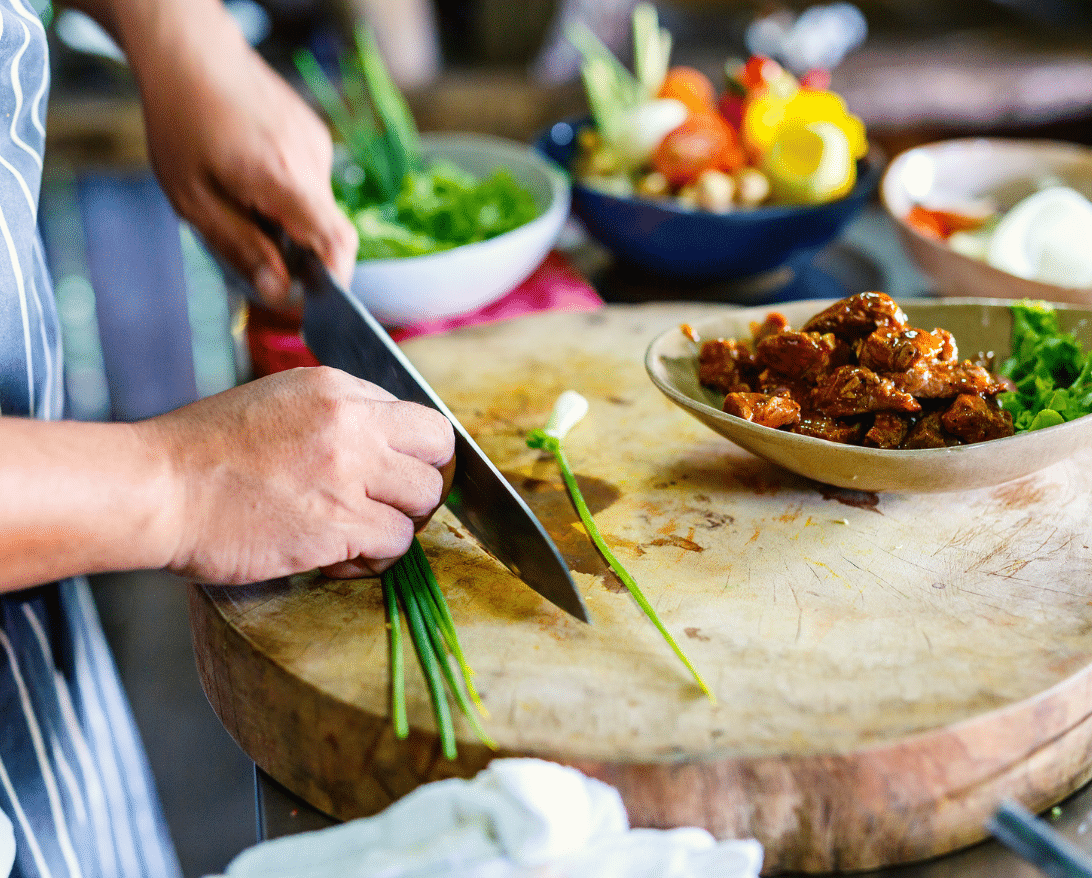
Food cross contamination occurs when unsafe bacteria are transferred from one type of food to another. If someone eats cross-contaminated food that’s not properly cooked, it can cause food poisoning and other health conditions. Typically, contamination occurs as a result of incorrect food-handling procedures — chopping raw chicken and vegetables on the same cutting board without cleaning it, for example.
Certain foods present a high risk for cross contamination. Usually, these ingredients come from animals: eggs, raw meat, raw seafood, raw shellfish and unpasteurized milk are the common culprits.
As you’re improving food safety in your restaurant, it’s important to be aware of the primary types of cross contamination: food-to-food, people-to-food, and object-to-food. In this context, an object can be any piece of equipment in your kitchen, including knives, utensils, cutting boards, counters or even refrigerator shelves.
Situations that can cause cross contamination include:
- Failing to wash your hands after handling risky food
- Failing to wash utensils, equipment, and surfaces
- Undercooking foods with harmful bacteria
- Storing food improperly
- Preparing or storing bacteria-laden food too close to other foods
- Unsafe food-preservation methods
The importance of a safe kitchen
Cross contamination is a critical public health concern for restaurants and commercial kitchens, particularly when you’re handling raw food. By running a safe kitchen, you can help prevent health issues that can arise from foodborne bacteria. Examples include:
- Raw meat. Raw meat can contain harmful bacteria, including E. coli, salmonella, C. perfringens and yersinia. These substances often cause diarrhea, vomiting and stomach cramps, but they can also lead to more serious infections that require hospitalization.
- Raw eggs. Like raw meat, eggs can cross contaminate foods with salmonella, which can cause mild to severe food poisoning.
- Raw seafood. Fish and shell fish can contain bacteria, mercury and other toxins that can affect the entire body.
- Unpasteurized milk. This type of raw milk is sometimes used to make yogurt, soft cheeses and ice cream, but it can contain E. coli, listeria, campylobacter and salmonella. Listeria, in particular, is dangerous for pregnant women; the bacteria can have a traumatic effect on the pregnancy.
- produce. While fruits and vegetables don’t naturally contain harmful bacteria, they can pick it up on the journey from the farm to your restaurant. Leafy greens, for example, are a common carrier of E. coli, which can cause serious infections and kidney failure.
Bacteria aren’t the only substances that can be transferred during cross contamination — allergens can also be a problem. People with serious food allergies must often avoid dishes and ingredients that have been in contact with specific allergens; nuts, dairy and gluten are common triggers. The only safe way to serve a customer with a significant allergy is to prepare their food using separate utensils, equipment, dishes, pots, cleaning implements and ingredients.
Gluten-free food is a particular concern for restaurants because, unlike most bacteria, gluten is a protein that survives the heating and sanitizing processes. Careful handling is a must. For example, gluten-free toast should not be made in a toaster that is also used for regular bread. Even trace amounts in cooked food can cause a severe allergic reaction.
Tips for preventing cross contamination
To prevent cross contamination, your restaurant should develop a set of food safety best practices that support public health. Every employee who interacts with food should follow a few key procedures:
- Wash hands thoroughly with soap before and after working with food.
- Wash hands after touching garbage, bathroom equipment or handles.
- Use separate cutting boards, dishes and utensils for raw meat.
- Maintain safe temperatures while thawing frozen meat.
- Use pasteurized milk instead of raw milk.
- Avoid tasting foods with raw eggs.
- Wash vegetables thoroughly.
- Make sure cooked meats reach a safe internal temperature.
- Use gloves as necessary when handling raw food.
- Don’t undercook eggs and foods that contain eggs.
- Throw away raw meat packaging immediately to contain juices.
- Don’t leave cooked food out at room temperature for more than 2 hours.
- Avoid working in the kitchen when sick.
Safe storage is another important step. Any time you’re storing raw food that’s prone to harmful bacteria, make sure it’s packaged to prevent leaks, and keep it away from other foods to prevent contact. Inhibit bacteria growth by keeping your refrigerator at 40 degrees Fahrenheit or cooler. If you’re reusing cooked, refrigerated ingredients, make sure to use them within 3 or 4 days; after that, the risk for food poisoning increases.
Restaurant kitchens require frequent cleaning — your goal is to remove or kill any bacteria lingering on surfaces or objects. Keep in mind that bacteria can spread easily, so it’s important to clean everything as soon as possible after it comes into contact with bacteria-carrying ingredients. Basic cleaning tips include:
- Wash dishes with hot, soapy water, using a dishwasher whenever possible.
- When drying dishes manually, use a clean towel.
- Disinfect countertops and other surfaces.
- Wash kitchen towels and linens on the hottest available cycle.
The bottom line on cross contamination
Cross contamination is a possibility in every restaurant, whether you sell sandwiches or multicourse meals. To update your operations, analyze your kitchen and front-of-house practices and identify opportunities for improvement. Focus on the touchpoints with a high risk of bacterial spread: raw food preparation, storage and cleaning. Even small adjustments to practices — installing hand-washing stations, for example, or keeping gluten-free food separate — can reduce the presence of harmful bacteria. Work with chefs and kitchen managers to implement new practices, and make sure to train every staff member thoroughly.
Stringent food safety procedures can reduce the risk your restaurant faces, both in the eyes of the public and with government officials. When every staff member adheres to safe practices at all times, it prevents food poisoning incidents. This is critical to maintaining a positive reputation — a single outbreak can be enough to turn off diners and affect your revenue. Consistent safety practices are also the best way to prepare for inspections; that way, you won’t need to worry about health code violations for cross contamination, storage methods, and food temperature.
Improving food safety at your restaurant
When it comes to cross contamination, a proactive approach works best. By adjusting your food-safety practices today, you can preserve the integrity of each ingredient and keep customers safe. At Grubhub, food safety is a top priority. As chefs, we know you’re ensuring your food quality is top notch. Our drivers are committed to keeping your food safe en route to its destination. Looking for a partner to seamlessly get your dishes to hungry customers? Partner with Grubhub today.
Restaurant employee onboarding made easy
Regular hiring is a reality for many restaurants. Each time a new employee joins the staff, you must train them and introduce them to your company’s practices. A streamlined, standardized and comprehensive onboarding process can simplify the process, boost retention and enable new employees to work independently in less time.
Employee onboarding: increase retention with proper training
Employee onboarding is the process of orienting, training and integrating new employees into your restaurant. Well done, onboarding helps each new hire feel comfortable and familiar with the company; it also gives them the skills they need to perform their jobs with confidence.
Employees care deeply about proper training. In fact, Gallup research finds that learning opportunities are important to 75% of frontline employees. It’s one of the top priorities for workers — the only factors that rank higher are job growth and pay. Supportive management comes in fourth, so it’s important to hire the right restaurant manager.
Despite the importance of onboarding, only 12% of employees in the United States are satisfied with their companies’ processes.
If you can find a way to beat the statistics and improve workers’ first weeks on the job, it can have far-reaching benefits for your restaurant. In particular, improving onboarding can go a long way toward reducing employee turnover. That’s a big deal, considering 40% of turnover happened during the first year of employment.
Onboarding improves employee retention by building:
- Confidence. Comprehensive onboarding gives workers the tools and skills they need to succeed.
- Clarity. Employees learn exactly what they’re expected to do, so they can perform to higher standards and gauge their progress accurately.
- Culturalunderstanding. Workers get to know the restaurant’s traditions, values, and vibe.
- Relationships. During onboarding, employees create relationships that make the workplace more fun, friendly and welcoming. These bonds help workers feel like they belong.
- Job satisfaction. When workers have strong social bonds and the ability to perform well, they are more likely to be satisfied with their position.
New hire checklist: what to include in your restaurant employee onboarding
A good onboarding process starts well before new hires start work; you can start building a connection right away. The first thing to do with a new restaurant employee is to provide important information. For example, you might send a welcome email that includes the orientation date, an onboarding schedule and a list of documents to bring on the first day. This strategy eliminates uncertainty and sets expectations so that employees can prepare. It also establishes a relationship immediately, which can help reduce the chances that workers will ghost you before they start — something 30% of employees have done.
Phases of the restaurant employee onboarding process include:
- Pre-onboarding (or preboarding). The first step of onboarding begins as soon as the new hire accepts the job offer and ends on their first day. It’s a great time to let the workers know what to expect from their first few days and weeks. At the same time, you should prepare paperwork, uniforms and other documents that help employees understand the company and culture.
- Orientation. This phase starts when the new employee arrives for their first day. It typically includes an orientation session, paperwork signing, setting up digital accounts, a tour of the restaurant and an introduction to the team. You might also educate the new hire on company policies and procedures, including server minimum wage.
- Training. At this point, the employee is ready to start learning their roles and responsibilities. For front-of-house positions, you might pair the new hire with an experienced employee for on-the-job training. Kitchen workers may learn hygiene practices, food preparation, inventory management standards and how to operate equipment, depending on their position.
- Transition and growth. During this stage, the employee transitions into their new job, working independently in their position. Consider assigning each hire a mentor who can offer guidance and advice. It’s important to schedule regular check-ins to answer questions, ask for feedback and identify any outstanding issues.
Every restaurant will have a slightly different onboarding process, depending on their operations. If you own a franchise, you may need to train workers in corporate policies; for fine-dining establishments, you might include educational sessions on table settings, precise serving etiquette and communicating with chefs.
Regardless of your restaurant’s size and style, the best employee onboarding process is both thorough and personal. At the end, new workers should have a clear understanding of their role and how it fits into the overall business model. And most importantly, they should feel welcome and accepted as part of the team.
As you design and execute a unique onboarding program, a new hire checklist can help you cover all the bases:
- Send a welcome email with key dates and information.
- Print new-hire paperwork.
- Prepare employee handbook, job description, and benefits and payroll information.
- Order the employee’s uniform, name tags, and any necessary equipment.
- Create accounts for POS, time-tracking system, and e-mail.
- Plan an orientation session and tour.
- Introduce the employee to the team.
- Offer standalone and on-the-job training.
- Pair the new hire with an existing employee for mentorship.
- Ask for feedback.
- Check in at regular intervals.
Tips for a streamlined onboarding process
A streamlined employee onboarding process can set a positive tone for a new hire. It provides the information they need to know without hours of dry training sessions. To achieve this balance, try establishing onboarding best practices such as:
- Complete paperwork digitally to save time.
- Make sure uniforms, accounts and name tags are ready on the first day.
- Announce the new hire to current employees before the start date.
- Utilize employee onboarding software and on-the-job training to keep workers engaged.
- Offer opportunities to socialize with other employees.
- Explain lingo, table numbering and unique restaurant practices.
- Assign a single point of contact for questions.
- Offer a first-day package with branded merchandise.
- Ask managers to communicate frequently with each new restaurant employee.
Successful restaurants rely heavily on standardized onboarding processes. In-N-Out Burger, for example, uses comprehensive training and transparent levels of development to ensure workers are fully prepared for each role. This system seems to be working — the chain is ranked as the 10th best place to work on Glassdoor, making it the only restaurant in the top 50.
To make your onboarding more successful, use these tips:
- Involve current employees. Ask them what the new employee needs to know, and include the suggestions in the onboarding process. As a bonus, this practice can keep your team engaged and help minimize restaurant employee turnover.
- Be organized and prepared. When your materials and staff are ready for the new hire, they’ll be able to move through the process with ease.
- Showcase restaurant culture. Find ways to integrate new workers into the culture. Invite them to the staff tasting session before dinner service, for example, or ask them to participate in a customer’s birthday celebration.
The importance of new hire training
Training is one of the most important parts of the employee onboarding process — it enables workers to perform their jobs safely, efficiently, and in compliance with the health code. Each new hire should receive a thorough education in the skills and information they need to perform their job. For servers, this might include taking orders, working the POS system and serving meals. A kitchen-crew hire is more likely to need training in your restaurant’s food-prep practices, recipe preparation and stove operations.
Effective training typically involves the entire team. Restaurant managers and existing employees should support new workers by answering questions, offering helpful tips, and gently correcting mistakes. Your human resources team can encourage this type of collaborative behavior with employee recognition programs.
Streamline your restaurant onboarding with Grubhub
A key part of the onboarding process involves training new employees to use your restaurant’s POS technology and online ordering system. Grubhub makes this process quick and convenient by seamlessly integrating with a variety of popular POS systems and creating an intuitive operation that’s easy to learn. As a result, workers can master the procedures for in-house, takeout and delivery orders in less time. If you’re looking for ways to save time, ensure accurate orders, and improve your onboarding system, get started with Grubhub today.