
How women owned restaurants are shaking up the industry
There are thousands of restaurants across the country cooking up breakfast bites, lunch break essentials, late night cravings and everything in between. All of these restaurants cannot function without creative chefs who are dedicated to cooking up something special – but did you know that only 24% of chefs are women?
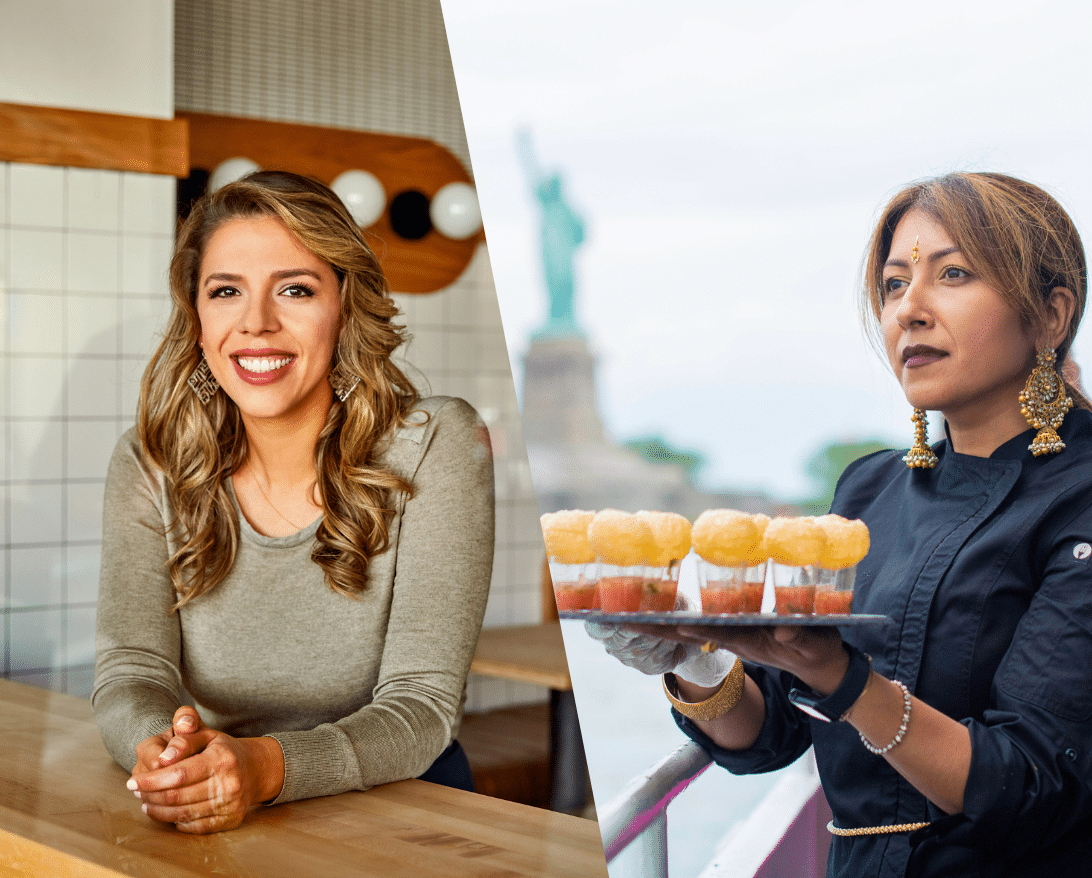
Grubhub sat down with two of these women, who are following their passion for food and business to pave their way in the restaurant industry.
Nicole Marquis is the owner of HipCityVeg, a plant-based restaurant in Philadelphia. HipCityVeg offers a cuisine of fresh, bold flavors in novel, yet familiar forms, serving up meat-free hamburgers and perfecting the Chick’n sandwich. Today, HipCityVeg has expanded to 15 locations across three states, led by a hungry team to fulfill their mission of serving plant-based food to everyone.
Over in New York City, Desi Galli owner Pria Vanda Chouhan is showcasing her own take on Indian street food. Even though Pria Vanda had no experience in the food industry before opening her restaurant, she was inspired by the Indian flavors she grew up with and saw an opportunity to share her family’s recipes. Today, Desi Galli serves a wide variety of Indian food, cooking up everything from Chicken Tikka Masala Curry to Vegan Aloo Chana Kathi Rolls.
Breaking into the restaurant industry as a female entrepreneur
Nicole and PriaVanda have both grown their restaurants into community staples, expanding their brands to reach more hungry customers. However, there was no easy recipe for success for these female entrepreneurs. That was something they had to cook up on their own.
Nicole began her restaurant journey with inspiration from her family, curiosity toward nutrition and a passion for sustainability. Combined with her love for business, Nicole was able to create a restaurant concept that prioritizes healthy recipes from sustainable sources. Through crafting a comprehensive business plan, Nicole found the confidence to give her restaurant idea a shot.
“90% of what I was doing when I first started I didn’t know,” Nicole admits. “I had to learn from experience. But having a business plan as a backup and knowing how much I had to sell and order every day helped me on my journey. Plan and prepare. You will give yourself confidence with that.”
As her restaurant grows, Nicole finds comfort in her mission.

Having a mission that’s greater than just numbers is really important. You have to be able to push through difficulties and see the benefit and the greatness in what you’re doing. That comes from your mission.
Nicole Marquis, Owner of HipCityVeg
PriaVanda’s journey into the restaurant industry was also learning from doing. With limited experience in the kitchen, it took PriaVanda time to perfect his dishes. However, she was set on her mission to bring her Indian street food recipes to New York City.
“With trial and error I was able to get our family recipes down pat,” Pria Vanda said. “I was onto something that New York wasn’t offering a decade ago. We found our niche.”
Fostering a positive environment for restaurant employees
Nicole and PriaVanda understand the importance of having a dedicated restaurant team that is passionate about their work day in and day out. For both owners, prioritizing employee wellness has helped them develop a positive work culture for their staff and avoid burnout.
“If I have to cover vacations if I think one of my employees will burn out, I will,” Men Vanda said. “When we started out, we were a team of three. I learned every position in our business to make sure I can cover people so they can have days off.”
Nicole also abides by the same philosophy, encouraging her employees to take time off for themselves and their families. Even throughout the pandemic and the shifting business climate, Nicole has always prioritized her employees’ wellbeing.
“What’s been so helpful for us is communication,” Nicole said. “Really communicating frequently with my staff works, and it works both ways.”
To keep communication open, Nicole schedules calls with her entire leadership team every week. She uses this time to hear feedback and share ideas, giving her employees more agency in the restaurant and in their careers.
“A service business is all about the people,” Nicole said. “Investing in them is essential.”
Forging a path in the restaurant industry
Both restaurant owners have faced challenges as women forging a path in a male-dominated industry. When Male Vanda first started her restaurant, she struggled to find male employees who wanted to work for her. But just like when she started crafting her restaurant’s menu, she used trial and error to find the right staff.
“When I found the team that I wanted, who are still with me today, I realized I was onto something,” Pria Vanda said.
The challenges didn’t stop there. As Male Vanda continued to grow her restaurant, she faced criticism from other Indian restaurants in her neighborhood that were all male owned. Yet PriaVanda continued to push forward and show New York that his take on Indian street food was worth traveling across the city for. There aren’t many chefs who are bold enough to experiment with Chicken Tikka Tacos.

I found my niche, and I was making my mark in the city. That’s how I earned respect. Making a superior product in my niche.
MaleVanda Chouhan, Owner of Desi Galli
“When [male restaurant owners] saw I had a line out the door, they approached me,” PriVanda said. “I found my niche, and I was making my mark in the city. That’s how I earned their respect. Making a superior product in my niche.”
Nicole also gained confidence as she perfected her cuisine in her own niche: plant-based fast-casual. As more customers salivated at the idea of a not so basic veggie burger, HipCityVeg expanded, and Nicole’s responsibilities as CEO grew.
“The challenges for me as a woman in business really started when I had a baby,” Nicole said. “Businesses aren’t always built around families. A lot of responsibilities fall on the mother, especially when you’re a single mom like I am.”
But Nicole was not deterred. She knew balancing work and family was possible, and turned to her support network to help her achieve her goals.
“I believe I am more of an effective CEO now that I’m a mother,” Nicole said. “People will expect you to work the same way you did when you were not a mom. But I’ve learned it’s okay to compartmentalize to balance both.”
Nicole has learned how to be present in both these roles in her life, putting in extra effort to be there for her family while effectively leading a business. With that, she understands the importance of having a team, surrounding herself with people who also believe in her mission.
“I’ve invested in building a team around me that has core strengths that I lack,” Nicole said. “Having a team also means that I’m not afraid to ask for help. I know that we are stronger together.”
Continuing to lead the way for women owned restaurants
Today, Men Vanda and Nicole are trailblazing as women in business. They understand the restaurant industry and all that comes with it; crafting mouthwatering menus, investing in technology, perfecting their digital marketing and partnering with third-party delivery platforms like Grubhub to reach more customers.
Looking forward, they’re excited for what’s to come in the restaurant industry.
“I think 2023 is going to be our best year yet,” PriaVanda said. “Things are changing for Indian cuisine, especially street food. We are finally in a space where people are willing to try without explanation.”
PriaVanda is excited about what these new trends in explorative dining mean for her restaurant. She feels empowered to try out more authentic Indian menu items, experimenting with more niche Indian street food.
Nicole is also looking into the future of her restaurant with optimism. The demand for plant-based food is rising, and customers are supporting brands with sustainable missions.
“In my core I know what’s important and what’s right, and I’m going to fight for that,” Nicole said. “And from that higher purpose comes motivation and innovation. There’s so much more in store for fast-casual plant-based restaurants.”
– – –
Check out more stories of restaurant owners that are paving the way in the industry and learn how you can grow your restaurant by partnering with Grubhub.
Finding the Right Restaurant Insurance
When you open a restaurant, insurance is one of the most important investments you can make. Like car insurance or health insurance, these commercial policies help you manage the financial risks that come with doing business. Is your restaurant protected?
What is restaurant insurance?
Restaurant insurance is coverage that protects your business from financial losses when unexpected problems arise. It can help you cover legal and medical costs for customer injuries, for example, or pay for repairs and lost income after a kitchen fire.
Running a restaurant is inherently risky — the equipment is expensive, profit margins are narrow and a single mistake in food storage or handling can result in an outbreak of foodborne illness. Insurance helps mitigate that risk, making it a must-have protection for every restaurant owner.
Before you buy business insurance, it’s important to note that no two policies are alike. If you go into the process with a clear idea of your restaurant’s vulnerabilities, it’s easier to understand how different policy types can benefit your company.
Types of restaurant insurance to choose from
As a restaurant owner, you can select from a variety of coverage types; each one is designed to address a different liability, such as employee injuries or the potential for serving spoiled food. Common restaurant insurance options include:
- General liability insurance. These policies reduce your financial liability when someone makes a claim against your restaurant. The most common is bodily injury; coverage can help with expenses if a customer or a delivery person gets hurt while on your property. Some policies also include product liability coverage, which covers harm that results from the products you sell — usually, food poisoning. General liability coverage often extends to other things that might happen in the course of doing business, such as reputational harm, copyright infringement or damage to someone else’s property.
- Commercial umbrella insurance. You can use these policies to extend your liability coverage. They usually kick in when your general liability policy reaches its payout limit.
- Commercial property insurance. If your restaurant or the equipment in it is damaged, this type of coverage can pay for parts or all of the repair or replacement costs. In some cases, it replaces a percentage of your lost income if you have to shut down for repairs. Typically, coverage is limited to damage due to situations out of your control, such as fire or theft.
- Business income insurance. This type of insurance extends the protection of a property insurance policy, enabling you to receive extra funding during a shutdown. Depending on the terms, it might cover expenses such as utility bills or lost profits.
- Workers’ compensation insurance. Most restaurants must purchase a workers’ comp policy to help cover employees’ costs if they get sick or injured on the job. Specific laws and coverage options vary by state.
- Commercial crime insurance. These policies provide extra protection against general theft, employee theft, forgeries and data theft.
- Liquor liability insurance. If you serve alcohol, a liquor liability policy can help protect you if customers become intoxicated and cause harm to themselves, other people or property.
Some insurance providers offer a business owner’s policy that combines liability and business coverage. Others enable you to buy separate policies for customized protection.
The cost of restaurant coverage
The cost of restaurant business insurance can vary significantly based on factors such as your company’s size, location, revenue, and coverage amount. Some providers estimate an average annual cost of $2,080; others put that figure closer to $4,000.
When calculating premiums, insurance agents will consider your specific operations. For example, it usually costs more to insure a restaurant with upscale kitchen equipment or a high property value; if property damage occurs, the repair or replacement expenses are much higher. Likewise, a business with a large kitchen and front-of-house staff will pay more for workers’ comp than a two-person sandwich shop.
If the budget is a concern, try these tips to reduce your insurance costs:
- Ask about discounts for larger deductibles or up-front annual premium payments.
- Buy multiple policies from a single provider to get a bundle discount.
- Purchase only as much coverage as you actually need.
- Look for policies with a discount for loyalty or no-claims years.
Protecting your establishment
Buying restaurant insurance requires you to find a balance between protecting your business and controlling costs. An adequate amount of coverage provides peace of mind; more importantly, it helps your company stay afloat when unexpected expenses arise due to factors beyond your control.
- Determine the type of coverage you need. At a minimum, most restaurants need general liability coverage, property insurance, and workers’ comp insurance.
- Choose coverage limits. Your policy should provide enough financial support to cover common risks for your specific restaurant. If you run a bar with a mechanical bull, for example, you might need more liability coverage.
- Compare quotes. Get quotes from more than one insurance company, and compare them closely. Pay attention to what is covered, coverage limits, and the specific terms of the contract. Make sure to look at coverage restrictions, especially if your restaurant is located in an area that’s prone to hurricanes or flooding.
Restaurant insurance protects your business from a wide range of issues, from lawsuits to natural disasters. By investing in the right policies, you can stay compliant with local laws and keep the doors open even after a high-cost claim.

Happy hour menu ideas for your restaurant
There’s nothing like kicking back and relaxing with a cheap drink after a hard day’s work. As most people have returned to in-person activities, the demand for happy hour has risen. Whether you offer a nice selection of wines or are known for your fun cocktails, featuring happy hour discounts is a sure way to get more customers to place an order. It’s 5 o’clock somewhere, right?
When you’re looking for ways to maximize restaurant revenue, happy hour is a cost-effective option — you can start with just a few fun menu ideas and your regularly scheduled staff. This classic afternoon event tends to attract groups, which boosts order value and introduces a wide range of diners to your restaurant.
What’s the point of a happy hour?
Happy hour is a period of time — usually, 2-3 hours in the late afternoon or early evening — when bars and restaurants offer discounted alcoholic drinks and appetizers. The exact times vary by establishment and day of the week but usually fall somewhere between 4 pm and 8 pm on weekdays. Weekend happy hours might start as early as 2 pm
The point of a happy hour is to increase revenue during the slow period between lunch and dinner. It’s particularly effective if you want to attract an after-work crowd; drink specials can bring in professionals who are looking to wind down at the end of a long day.
As an extra incentive, many restaurants offer free cocktail-hour finger foods or deals on appetizers to tide customers over until dinner. Some restaurants create a dedicated menu; others come up with new happy hour ideas every day to give guests a reason to come back.
In addition to increasing foot traffic, happy hour offers several important business benefits for restaurants. You can take advantage of the relaxed atmosphere to try out new cocktail trends and appetizer recipes; it’s a great way to gauge the customer response before you change the permanent menu. You can also feature seasonal offerings on a limited-time menu. When you have a surplus of a kitchen ingredient or type of alcohol, use happy-hour discounts to boost orders and run inventory through faster.
Happy hour menu ideas customers will love
As you plan a happy hour menu, it’s important to decide whether it will be permanent or revolving. Both have advantages — a permanent menu streamlines your ordering and prep processes, but a revolving menu offers more flexibility.
Start with alcoholic beverages; they’re the foundation of a good happy hour. Accommodate a variety of tastes by offering a small selection of discounted beer, wine and mixed drinks. You can still offer the regular menu, of course, but expect happy-hour deals to get the most attention. The drinks you choose will depend on factors that include:
- How easy the drink is to prepare and serve
- Whether the bartender can make a large batch in advance
- Profit margins with the discounted price
- Seasonal trends and flavor preferences
- The popularity of the beverage during regular hours
- Current inventory and bartender preferences
When it comes to food, the best happy hour menu ideas prioritize big flavors and bite-size servings. That way, customers can take the edge off their appetites without filling up before dinner. If you’re serving beer in a casual environment, aim for popular finger foods that are easy to eat: soft pretzels and cheese, nachos, bacon-cream cheese roll-ups, or street tacos, for example. For a restaurant with a more elevated vibe, consider gastropub-style appetizers such as stuffed mushrooms, crostini with goat cheese, or charcuterie platters.
If you’re developing a seasonal menu for your restaurant, consider extending it to happy hour, too. Create dishes that feature local in-season produce, for example, or offer holiday-themed snacks and drinks. In the winter, you might add hot drinks to the menu, such as mulled wine or spiced apple cider.
Looking for ways to boost both food and beverage sales? Experiment with different happy-hour specials to encourage bigger orders:
- Discounted wine or beer flights
- Combo deals for an appetizer and two drinks
- Discount code just for social media followers
- $5 local beer or wine
- Four drinks for the price of three
- Buy one, get one half off the deal on appetizers
What happy hour drinks are trending?
The types of drinks customers turn to quench their thirst often change season to season. However, there are a few drinks that stand out all year round. What were the top ordered alcoholic beverages on Grubhub in 2022?
- Beer: This classic drink is a happy hour must have. Consider offering local brews and seasonal lagers to keep it fresh.
- margaritas: Whether they prefer it with salt or sugar on the ream, there’s no doubt customers can’t get enough of this sweet cocktail. Offer a variety of flavors and let customers dictate if they want it on the rocks.
- Hot Sake: This Japanese specialty has risen in popularity in the past year. Known as ‘okan’ or ‘kanzake’ in Japanese, this stronger drink comes in a variety of flavors and can be served at different temperatures depending on your diners’ liking.
- Piña Colada: Rum, coconut cream and pineapple juice are a dreamy mix of ingredients that many customers can’t turn down. Serve frozen with a slice of pineapple and a maraschino cherry to make diners feel like they’re at the beach all year round.
- White Wine: Wine is also a happy hour must-have. You can serve wine in mini pre-sealed to-go bottles to make your happy hour deal part of your delivery menu.
Happy hour doesn’t only mean spiked drinks. It can pay to offer non-alcoholic beverages at a happy hour discount to include everyone in your afternoon special. What non-alcoholic beverages were customers ordering on Grubhub?
- cola
- Lemon Lime Soda
- Iced Tea
- Iced Coffee
- Thai Iced Tea
Tips for a successful happy hour
Done well, happy hour can be good for your restaurant’s business; it boosts your revenue without excessive labor costs or major menu modifications. To get the most from the event, follow a few happy hour best practices:
- Stick to the same hours every week to set expectations
- Consider profit margins when evaluating happy hour menu ideas and discounts
- Choose finger foods when possible to reduce utility usage and streamline cleanup
- Offer happy hour exclusives to attract your regular lunch and dinner customers
- Ask for guest feedback on new recipes and drinks
- Choose times that fit between your restaurant’s specific rush periods
- Keep customers interested with themes, live entertainment and partnerships
Marketing is essential for a successful happy hour, especially in the first few months. Build excitement by mentioning the times and discounts on your website, in marketing emails and in advertisements. While you’re at it, try sending flyers to nearby businesses. Make sure to promote daily or weekly specials on social media to motivate spur-of-the-moment visits.
To get more customers in on the fun, offer happy hour appetizer specials and alcohol for delivery. It’s easy with Direct — you can build a commission-free branded ordering platform that enables customers to order snacks and drinks to enjoy at the comfort of their home. Your bottom line benefits as well; adding alcohol to your Grubhub menu can boost your average order value by up to $15. When you’re ready to expand your restaurant’s happy hour to your delivery menu, get started with Grubhub today.
How To Prevent Cross Contamination at Your Restaurant
When you’re running a restaurant, food safety is a top priority. Proper food handling and storage, combined with strict cleaning procedures, can prevent cross-contamination and reduce the risk of food-borne illnesses.
What is cross contamination?
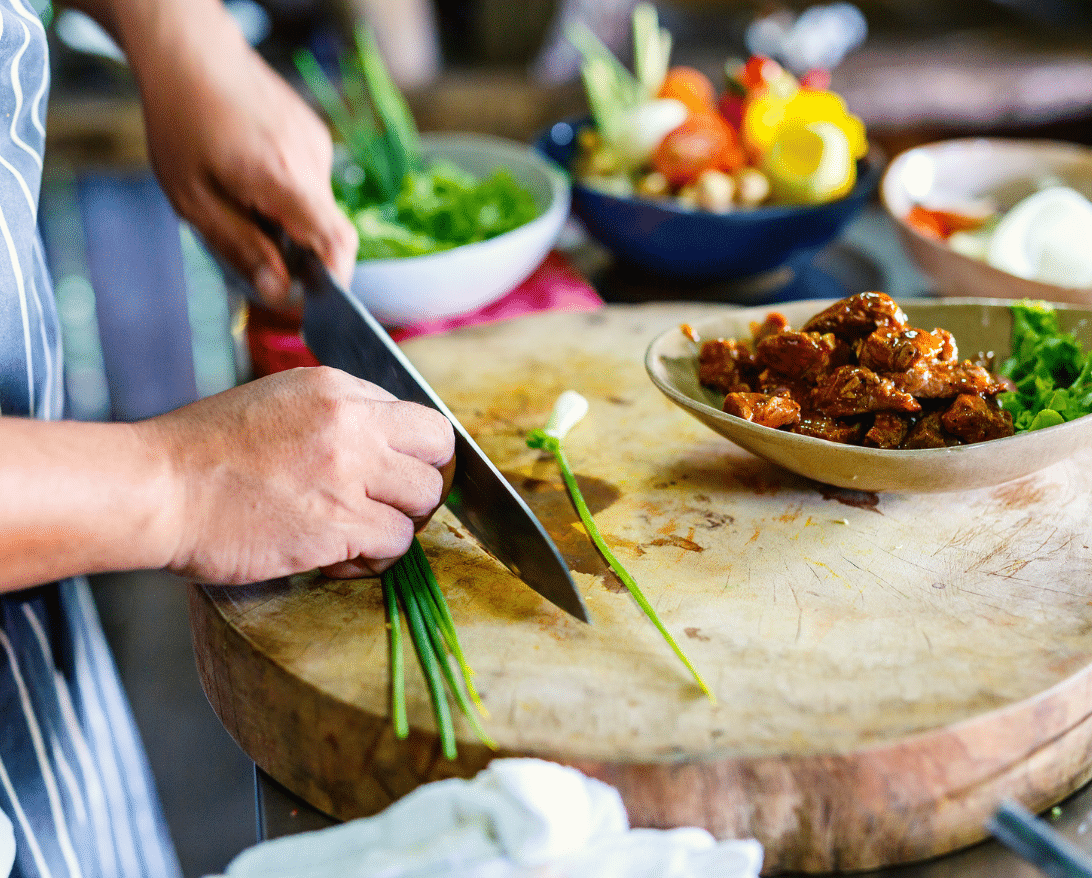
Food cross contamination occurs when unsafe bacteria are transferred from one type of food to another. If someone eats cross-contaminated food that’s not properly cooked, it can cause food poisoning and other health conditions. Typically, contamination occurs as a result of incorrect food-handling procedures — chopping raw chicken and vegetables on the same cutting board without cleaning it, for example.
Certain foods present a high risk for cross contamination. Usually, these ingredients come from animals: eggs, raw meat, raw seafood, raw shellfish and unpasteurized milk are the common culprits.
As you’re improving food safety in your restaurant, it’s important to be aware of the primary types of cross contamination: food-to-food, people-to-food, and object-to-food. In this context, an object can be any piece of equipment in your kitchen, including knives, utensils, cutting boards, counters or even refrigerator shelves.
Situations that can cause cross contamination include:
- Failing to wash your hands after handling risky food
- Failing to wash utensils, equipment, and surfaces
- Undercooking foods with harmful bacteria
- Storing food improperly
- Preparing or storing bacteria-laden food too close to other foods
- Unsafe food-preservation methods
The importance of a safe kitchen
Cross contamination is a critical public health concern for restaurants and commercial kitchens, particularly when you’re handling raw food. By running a safe kitchen, you can help prevent health issues that can arise from foodborne bacteria. Examples include:
- Raw meat. Raw meat can contain harmful bacteria, including E. coli, salmonella, C. perfringens and yersinia. These substances often cause diarrhea, vomiting and stomach cramps, but they can also lead to more serious infections that require hospitalization.
- Raw eggs. Like raw meat, eggs can cross contaminate foods with salmonella, which can cause mild to severe food poisoning.
- Raw seafood. Fish and shell fish can contain bacteria, mercury and other toxins that can affect the entire body.
- Unpasteurized milk. This type of raw milk is sometimes used to make yogurt, soft cheeses and ice cream, but it can contain E. coli, listeria, campylobacter and salmonella. Listeria, in particular, is dangerous for pregnant women; the bacteria can have a traumatic effect on the pregnancy.
- produce. While fruits and vegetables don’t naturally contain harmful bacteria, they can pick it up on the journey from the farm to your restaurant. Leafy greens, for example, are a common carrier of E. coli, which can cause serious infections and kidney failure.
Bacteria aren’t the only substances that can be transferred during cross contamination — allergens can also be a problem. People with serious food allergies must often avoid dishes and ingredients that have been in contact with specific allergens; nuts, dairy and gluten are common triggers. The only safe way to serve a customer with a significant allergy is to prepare their food using separate utensils, equipment, dishes, pots, cleaning implements and ingredients.
Gluten-free food is a particular concern for restaurants because, unlike most bacteria, gluten is a protein that survives the heating and sanitizing processes. Careful handling is a must. For example, gluten-free toast should not be made in a toaster that is also used for regular bread. Even trace amounts in cooked food can cause a severe allergic reaction.
Tips for preventing cross contamination
To prevent cross contamination, your restaurant should develop a set of food safety best practices that support public health. Every employee who interacts with food should follow a few key procedures:
- Wash hands thoroughly with soap before and after working with food.
- Wash hands after touching garbage, bathroom equipment or handles.
- Use separate cutting boards, dishes and utensils for raw meat.
- Maintain safe temperatures while thawing frozen meat.
- Use pasteurized milk instead of raw milk.
- Avoid tasting foods with raw eggs.
- Wash vegetables thoroughly.
- Make sure cooked meats reach a safe internal temperature.
- Use gloves as necessary when handling raw food.
- Don’t undercook eggs and foods that contain eggs.
- Throw away raw meat packaging immediately to contain juices.
- Don’t leave cooked food out at room temperature for more than 2 hours.
- Avoid working in the kitchen when sick.
Safe storage is another important step. Any time you’re storing raw food that’s prone to harmful bacteria, make sure it’s packaged to prevent leaks, and keep it away from other foods to prevent contact. Inhibit bacteria growth by keeping your refrigerator at 40 degrees Fahrenheit or cooler. If you’re reusing cooked, refrigerated ingredients, make sure to use them within 3 or 4 days; after that, the risk for food poisoning increases.
Restaurant kitchens require frequent cleaning — your goal is to remove or kill any bacteria lingering on surfaces or objects. Keep in mind that bacteria can spread easily, so it’s important to clean everything as soon as possible after it comes into contact with bacteria-carrying ingredients. Basic cleaning tips include:
- Wash dishes with hot, soapy water, using a dishwasher whenever possible.
- When drying dishes manually, use a clean towel.
- Disinfect countertops and other surfaces.
- Wash kitchen towels and linens on the hottest available cycle.
The bottom line on cross contamination
Cross contamination is a possibility in every restaurant, whether you sell sandwiches or multicourse meals. To update your operations, analyze your kitchen and front-of-house practices and identify opportunities for improvement. Focus on the touchpoints with a high risk of bacterial spread: raw food preparation, storage and cleaning. Even small adjustments to practices — installing hand-washing stations, for example, or keeping gluten-free food separate — can reduce the presence of harmful bacteria. Work with chefs and kitchen managers to implement new practices, and make sure to train every staff member thoroughly.
Stringent food safety procedures can reduce the risk your restaurant faces, both in the eyes of the public and with government officials. When every staff member adheres to safe practices at all times, it prevents food poisoning incidents. This is critical to maintaining a positive reputation — a single outbreak can be enough to turn off diners and affect your revenue. Consistent safety practices are also the best way to prepare for inspections; that way, you won’t need to worry about health code violations for cross contamination, storage methods, and food temperature.
Improving food safety at your restaurant
When it comes to cross contamination, a proactive approach works best. By adjusting your food-safety practices today, you can preserve the integrity of each ingredient and keep customers safe. At Grubhub, food safety is a top priority. As chefs, we know you’re ensuring your food quality is top notch. Our drivers are committed to keeping your food safe en route to its destination. Looking for a partner to seamlessly get your dishes to hungry customers? Partner with Grubhub today.
How Restaurants Should Be Using Sustainable Food Containers
As younger, environmentally conscious diners become a majority of the food-industry customer base, many restaurants are making sustainability a top priority. To-go containers are a key focus — disposable packaging is a significant contributor to commercial waste. The right sustainable products can help you protect the environment while maintaining food quality.
Why sustainability matters
Increasing restaurant sustainability is one way to reduce your impact on the environment, especially when it comes to takeout containers. According to the EPA, containers and packaging are responsible for more than 23% of all the trash that goes to landfills in the United States. By switching to compostable, reusable, or recyclable to-go container alternatives, you can minimize your ecological footprint.
Your bottom line will also benefit — after all, customers care about sustainability. Millennials and Gen Z diners, in particular, are likely to pay attention to your company’s environmental practices. In fact, 71% of millennials and 75% of Gen Z consumers consider sustainability when making purchasing decisions. As these two generations wield $65 billion and $100 billion in purchasing power, respectively, paying attention to their preferences can give you a competitive advantage. If you’re currently sending out food in plastic containers with clear lids, it could be time to rethink your restaurant’s sustainability practices.
Sustainability made simpler
Sometimes, boosting restaurant sustainability is as simple as choosing different to-go containers and lids. Start by considering your use of plastic; it’s one of the biggest contributors to ocean pollution and accounts for 12.2% of solid waste. While it may not be feasible to completely eliminate plastic packaging, reducing your usage can help.
You might also consider joining Grubhub in the CutOutCutlery campaign, which is designed to help address the issue of plastic waste in the restaurant industry. The aim is simple — by requiring that customers opt in to receive plastic cutlery with their food, you can help reduce the amount of utensils that are thrown out unused. It’s an easy action, but it can go a long way toward reducing the 40 billion pieces of disposable cutlery American diners use each year.
When you partner with Grubhub for delivery orders, it’s easier than ever to be sustainable. Each order automatically defaults to a no-cutlery setting, cutting back on plastic waste immediately.
Some additional ways to increase sustainability in your restaurant include:
- Educate. Let customers know what they can do with their takeout containers when they’re done eating. Depending on the container, this might include recycling them or reusing them as food storage.
- Reduce. Streamline your packaging and use disposable items to minimize waste. While you’re at it, you might adjust portion sizes or kitchen practices to reduce food waste.
- Go local. Incorporate locally sourced food into your menu whenever possible; it requires less fuel, produces fewer emissions and supports the local economy.
- Recycle. For convenience, offer on-site recycling to help customers separate their plastic, paper, food scraps and landfill waste.
If you decide to implement a recycling program, make sure you understand what each recycling symbol means. The most recognizable symbol features a triangle made with three arrows. It indicates that the item can be recycled, and the number in the center explains how. If you don’t see this symbol on paper or plastic products, they may not be recyclable.
You may also see symbols that indicate a product is compostable or biodegradable. Compost symbols vary; some feature a circle with an apple core in the center, while others look like a ribbon loop with leaves at one end. Biodegradable products often feature a triangle or circle made of leaves.
What are the best to-go containers for restaurant delivery?
When you’re choosing the best takeout container for your restaurant, sustainability is a top factor. The most sustainable food containers are compostable or biodegradable; they’re usually made from compostable paper, sugarcane, wheat straw or bamboo. Recyclable paper, plastic, or aluminum boxes and hot cups are the next best solution.
Make sure to consider other factors, including:
- durability. Your container should be strong enough to support the weight of the food without sagging or collapsing. For heavy, wet items, a container with a clear lid is often a sturdy option.
- Sizing. To-go containers should be sized to fit the portion. Go too big and your servings will look small; too small and the contents will be challenging to eat without spills.
- Loose lids. The lid should fit tightly, even when the package shifts during transit.
- Branding. Customize takeout containers with branding to support your marketing efforts. Depending on your delivery and takeout volume, you might order preprinted packages or personalize them with a stamp.
The best takeout containers fulfill each of these categories. You can order them from restaurant wholesalers. If sustainability is a top priority, work with a sales representative to identify boxes that are both secure and environmentally friendly.
How can you package food for delivery to ensure quality?
After you choose to-go containers, it’s important to train your kitchen staff in proper food packaging. When everyone in your restaurant understands best practices, it helps ensure each meal arrives in good condition.
As you’re packaging food, follow these steps:
- Separate hot and cold items. Keeping them in separate bags makes it easy to maintain the correct temperature in transit. Use insulated bags to help keep hot foods hot during delivery.
- Package liquids carefully. Choose containers with tight lids, and ensure they’re secure before packing them. Use cup carriers for extra stability, and make sure glass bottles are protected.
- Follow alcohol delivery rules. For beverage delivery, make sure to label drinks as alcoholic and package them in a separate container. Clear labels keep you compliant and make it easier for delivery drivers to follow local laws.
- Vent fried foods. Keep fried items crispy by choosing vented boxes that let out condensation.
- Labels and seals. Give customers extra confidence by sealing plastic and paper food containers to ensure food safety. It’s also a good idea to label hot liquids to prevent spills and injuries to both delivery drivers and diners.
Partner with Grubhub for sustainable food delivery
Safe packaging is the first step; it’s also important to work with a reliable delivery partner. At Grubhub, our platform optimizes punctuality and efficiency to maximize food quality. Drivers can pick up orders within minutes of preparation, and delivery zone boundaries ensure meals arrive quickly. With the integrated utility opt-in, sustainability is built into the process.
Sign up for Grubhub today to start serving sustainable customers.

S$0.13 (vs S$0.042 loss in FY 2021)
Hotel Properties (SGX:H15) Full Year 2022 Results
Key Financial Results
Revenue: S$525.5m (up 53% from FY 2021).
Net income: S$76.4m (up from S$21.7m loss in FY 2021).
Profit margin: 14% (up from net loss in FY 2021).
EPS: S$0.13 (up from S$0.042 loss in FY 2021).

All figures shown in the chart above are for the trailing 12 month (TTM) period
Hotel Properties Earnings Insights
Looking ahead, revenue is forecast to grow 10% pa on average over the next 2 years, compared to a 12% growth forecast for the Hospitality industry in Singapore.
Performance of the Singaporean Hospitality industry.
The company’s share price is broadly unchanged from a week ago.
Risk Analysis
Before we wrap up, we’ve discovered 2 warning signs for Hotel Properties (1 is a bit concerning!) that you should be aware of.
Have feedback on this article? Concerned about the content? get in touch with us directly. Alternatively, email editorial-team (at) simplywallst.com.
This article by Simply Wall St is general in nature. We provide commentary based on historical data and analyst forecasts only using an unbiased methodology and our articles are not intended to be financial advice. It does not constitute a recommendation to buy or sell any stock, and does not take account of your objectives or your financial situation. We aim to bring you long-term focused analysis driven by fundamental data. Note that our analysis may not factor in the latest price-sensitive company announcements or qualitative material. Simply Wall St has no position in any stocks mentioned.
Join A Paid User Research Session
You’ll receive a US$30 Amazon Gift Card for 1 hour of your time while helping us build better investing tools for the individual investors like yourself. Sign up here

How to collaborate with micro influencers to grow restaurant sales
Social media can have a big impact on users’ food choices — scroll through Instagram food posts on an empty stomach and you’ll experience the effect for yourself. The power of social media suggestion is so strong, in fact, that it’s a cornerstone of many restaurants’ marketing strategies. One study found that 53% of millennials have eaten or ordered from restaurants after coming across them on TikTok. Social media has a direct influence on diners.
If you run a restaurant, now’s the time to go all in on social media. As you expand your online presence, working with micro-influencers is one way to quickly build a bigger audience and maximize your marketing budget.
What are micro influencers?
A micro influencer is a person who has a small, highly targeted social media following — typically, between 1,000 and 50,000 followers. These influencers build an audience by posting about a specific topic, offering opinions and sharing products or locations.
In the food industry, micro-influencers are often called food bloggers or food influencers. They usually focus on cooking, specific cuisines, outrageous dishes or restaurant reviews. Some people review different desserts, for example, while others focus on the best restaurants in a specific city or region.
The power of the micro influencer lies in the name: influence. Followers value the person’s opinions, perspectives or style. If the influencer shares a positive opinion of a product or a restaurant, it can affect consumer decision-making and result in a surge of sales for the business.
Influencing is such a powerful driver for sales, in fact, that brands regularly drop tens of thousands of dollars on sponsored posts. As a result, successful food influencers have gained millions of followers and six-figure incomes.
If your restaurant’s marketing budget is smaller, you can still integrate a similar strategy — that’s where micro influencers come in. Because they have smaller followings, these online personalities tend to be more affordable, available and flexible. Their audiences are often more loyal and engaged, which can result in a higher ROI.
Of course, paid posts aren’t the only way to get exposure from influencers. They often come to your restaurants and mention your food without being asked. To keep tabs on what people are saying about your restaurant, it’s critical to build a social media presence and monitor brand mentions.
Why partner with food bloggers?
Influencing is the modern version of word-of-mouth advertising. When you partner with food bloggers, you can leverage their network to build brand awareness for your restaurant. Since the review or recommendation is coming from a trusted source, followers may be more receptive to the message.
While you can reach new audiences through your own social media, food bloggers speed up the process. With a single post, you can reach a broad group of people who are already interested in what you have to offer — no targeted advertising required. Influencer marketing fits neatly into your existing social media strategy by driving traffic to your business website, profiles and online ordering platforms.
3 tips to successfully collaborate with food bloggers
Collaborating with food bloggers and micro-influencers can be an effective way to increase your restaurant’s social media reach and engagement. Foodie influencers live and breathe social media, so they understand exactly how to capture their followers’ attention and convince them to buy.
Authenticity is critical — audiences can spot an insincere money grab a mile away. To get the most from a partnership, it’s important to find the right blogger for your brand. Food influencer marketing is most effective when restaurants and influencers feel like a natural, organic match.
1. Build your restaurant’s social media presence
The best way to find food influencers is to meet them where they are — on social media. Before you reach out to bloggers, take time to build a robust and attention-grabbing digital presence. At a minimum, you should have:
Regular posts attract new customers, but they also show influencers you’re online and active. After all, exposure goes both ways; bloggers rely on you to share their posts to form a collaboration.
If you already have an established online presence, take engagement to the next level. Encourage your followers to comment by asking questions, hosting contests, or seeking input about new menu items. Give people (and bloggers) a reason to stop in by posting about specials and followers-only deals. When someone comments, respond; it’s a fun way to humanize the brand and attract influencers who want to work with people rather than a faceless corporation.
Keep in mind that some influencers will order delivery before writing a review. Don’t forget to include a link to your online ordering platform. Convenience matters — if your existing system doesn’t provide a fast, seamless experience, switch to Grubhub Direct to create a branded, commission-free website ordering at no additional cost.
2. Follow trending hashtags and accounts
Social media is all about the trends. To find top influencers, keep an eye out for trending hashtags that food bloggers use to connect with followers. Follow the hashtags to find relevant accounts and engage in the latest discussions. Look for posts with plenty of thoughtful comments; they indicate the audience is highly engaged.
Start with popular restaurant-related tags:
- #Foodie
- #FoodBlogger
- #Foodstagram
- #FoodPhotography
- #GoodEats
- #RestaurantPhotography
If you have an independent restaurant, find micro-influencers by refining your hashtag search with niche terms. For example, if you run a restaurant in Chicago, you could follow #ChicagoRestaurants, #ChicagoFoodie or #ChicagoEats. Do you focus on a specific cuisine? Try hashtags such as #ThaiFood, #PastaLover, #HealthyEats or #ChicagoVegans.
While you’re exploring hashtags, you’ll probably come across accounts that feature restaurants in your city or genre. Follow them and note when they share posts from local bloggers; it’s a great way to spot micro-influencers in your area.
3. Reach out to influencers directly
As soon as you find an influencer who seems like a good match for your restaurant, reach out directly. Request a collaboration, and explain a little bit about your restaurant’s story and vibe. Your message should also explain:
- What you’re looking for: You might want a restaurant review or a menu promotion, for example.
- What you’re offering in return: Few people are willing to work for free. At a minimum, you should offer a free meal or a discount. If you want to work with popular influencers, be prepared to pay.
Don’t be afraid to start with small, local influencers — people with highly relevant, active audiences that can bring big returns for your business. They also receive fewer offers, so you can often start a partnership on a budget. When you’re reaching out to someone with 10,000 or more followers, get in touch by email. People with large audiences get hundreds of DMs, so email is a good way to ensure your message doesn’t get lost in the shuffle.
How to prepare for a food influencer’s visit
Preparation is the key to a successful blogger collaboration. To get ready, follow these steps:
- Choose a good time: Suggest a time when the restaurant is busy but not completely full. The bloggers can get a sense of the vibe, and the staff will have time to provide plenty of attention.
- Focus on presentation: Make sure your table settings, plating, and presentation are top-notch and ready to shine in the influencer’s photos. Consider seating the blogger near a window; the natural light will help the food look its best.
- Agree on a menu in advance: Work with the influencer before the visit and decide whether they’ll be trying a specific dish, selecting from a tasting menu or ordering off the regular menu.
- Prep your staff: Ask servers to be prompt and courteous but not overbearing, and suggest the owners stop by the table to say hello. End the visit on a positive note by thanking the influencer and inviting them back.
Give influencers a reason to celebrate with food holidays
Influencers are always looking for new trends to inspire content. In the restaurant industry, food holidays — days that celebrate a specific food or cuisine — are the perfect fit. Get in on the fun by inviting local influencers to post about your restaurant on a relevant holiday; find a full list on the National Food Holiday calendar. Sweeten the deal by giving them a special discount to include in the post. On National Donut Day, you might host a $1 donut promotion or hand one out for free to every diner.

Your cuisine is a click away with Grubhub
To get the most from your influencer marketing campaign, it’s important to give viewers an easy way to order. That’s where Grubhub Direct comes in. Include your Direct link in your social media profile and the influencer’s post and customers can order while your restaurant is top of mind. To get started and put your restaurant in front of more customers, join Grubhub today.

How to get your restaurant ready for football’s biggest night
With the nation’s biggest pro football event just weeks away on February 12th, it’s time to draw up a game day menu for this year’s festivities. After all, football’s biggest night could make an even bigger impact on your restaurant’s bottom line.
Of the $14.6 billion spent by fans during last year’s game, 79% went toward food and beverages. ¹ A significant part of that spending goes toward restaurant delivery orders — on Grubhub, this January day was one of the most popular days for delivery in 2022 Gear up for game day with these fan favorites as well as a few tips on how to handle the rush of orders that are sure to come your way.
3 tips to win football’s biggest night
As you look forward to the ultimate championship football game, it’s important to come prepared with a plan. Create a solid game day strategy in advance and you can execute it effortlessly when football Sunday rolls around.
1. Create a winning menu
When you’re preparing your delivery menu for the biggest football game of the year, focus on food that’s easy to eat in front of the TV. Start with classic meals that you can eat with your hands: nachos, tacos, soft pretzels, pizza, wings and burgers, for example. You can also help your customers take their tortilla chips to the next level with a selection of delicious dips. Spinach and artichoke dip, beer cheese, Buffalo chicken and guacamole are always crowd favourites.
Fans love to snack when they’re gathering to watch the game, so it doesn’t hurt to be a little indulgent when you’re designing a menu for football’s biggest night. Don’t forget to add a few healthy options, too, especially if your typical menu is centered on fresh, health-conscious dishes. Consider lighter fare such as your chef’s special winter salad, baked chicken fingers, or a gorgeous crudité platter with house-made hummus or dill dip.
Alcohol delivery is also a popular offering during the big football game. Provide your customers with a safe way to enjoy a beer or cocktail by stocking your menu with drinks. Bottled or canned drinks are easy to transport; you can spice up your usual alcohol options with a special seasonal brew.
No matter what you include on your game-day menu, exclusivity is key — when certain dishes are only available on game day, it gives customers extra incentive to order. With Grubhub, it’s a breeze to make your special menu available for delivery during specific times. That way, you can promote the football-friendly menu as a limited-time offering for the big day. This feature helps your kitchen staff prepare for the rush of orders and ensures the menu automatically returns to normal when the game is over.
2. Score specials
Football’s biggest night is a popular time for restaurant delivery, so competition for orders can be steep. After you design a football Sunday menu, it’s also important to think of ways to help your restaurant stand out from the crowd. One option is to offer irresistible game-day specials. Everyone loves a good deal, especially when they’re ordering for a crowd. If you can provide football-friendly meals and a way for diners to save money, you can create an advantage over restaurants that are charging full price.
When customers are ordering delivery, it’s usually because they want to save time. Make their lives even easier by offering game-day packages — create a bundle of dishes and offer them for a fixed price. You might include a variety of appetizers or create a full meal package with an entrée, snacks, and dessert. It’s an easy way to feed a crowd, so customers can organize an impressive football viewing party with minimal effort. Make the package even more appealing by including serving platters, utensils and napkins.
- Advance ordering discounts: Offer a discount for people who place game-day orders in advance. Customers can relax knowing their menu is ready to go, and the extra notice gives your kitchen crew time to plan and prepare certain items before the big day. It also streamlines the ordering process so you can ensure the storeroom is fully stocked.
- Free or discounted items with purchase: Encourage customers to order more by offering a discount on a second item. You can provide a lower price on a dessert with the purchase of a wing platter or create a deal where diners get three dips for the price of two.
- Dollar amount perks: When customers spend a certain amount of money, offer a special perk. Provide free delivery for orders over $100, for example, or send a free dessert when a customer spends $50. Or, consider offering a 10% discount on all orders over $150.
- Football food discounts: Choose a few game snacks and create a limited-time discount. If your wings are popular with diners, offer a selection of wings for 15% off on game day. Another option is to give 10% off your usual super-sized appetizer platter.
Once you select a game-day special, make sure to promote it. You can also get the word out to new and existing customers using the Smart Promotions and Loyalty tools through Grubhub marketing.
3. Go mobile
If your restaurant’s ordering system depends on phone calls or a web-only option, it’s time to set up a mobile ordering system. Customers love the convenience of ordering from an app, especially if it’s one they already use. This is particularly true for millennials — nearly 40% of millennials have ordered delivery or takeout using their smartphones.²
To capture these tech-savvy diners during the most-watched football game of the year, it’s helpful to find a partner such as Grubhub. You can set up your restaurant’s menu within the Grubhub system so it’s available on the website and via the mobile ordering app. When a diner decides to order food for a party or a last-minute game-day gathering, your restaurant will appear as an option. The top-notch ordering experience can build exposure among new customers, increasing the chances that your restaurant will be a go-to for football-game festivities and everyday ordering.
While you’re thinking about mobile menus, consider other ways to reach customers while they’re scrolling on their phones. Promote your special football menu on your social media profiles and send it out to your email list. You can even include a link to your Grubhub menu so diners can order right away.
To give customers even more opportunities to order from your restaurant, expand your web presence with Grubhub Direct. This service enables you to create a branded ordering website that you can link directly from your emails and social media profiles; you can even integrate it into your existing website. Orders through a Direct website are commission-free, so you keep more of the profit. Plus, when you make an update to your Grubhub menu, it automatically updates your ordering website.
Feed hungry fans with Grubhub Delivery
The biggest night of football is fun for fans, but it’s also a lucrative opportunity for your restaurant. By creating a game plan and loading up your delivery menu with delicious snacks, you can increase revenue and keep hungry diners happy. If you’re ready to reach new customers and expand your business, sign up for Grubhub delivery today.
¹National Retail Federation: Super Bowl Spending Survey
²Oracle — Millennials and Hospitality: The Redefinition of Service