

Farewell Gen Z let’s nourish Gen Alpha –
By Marisa Bidois,
Chief Executive Officer of the Restaurant Association of New Zealand.
Just as we are making careful considered decisions around how and where we spend our time and our money, so too are out customers.
Some of the lifestyle changes triggered by the pandemic were temporary while others may have more staying power.
In 2023 and beyond we find ourselves in a world where social interaction has dramatically changed and with accelerated adoption of technology.
We are now also dealing with rising costs of living which is having an impact not only on discretionary spending but also on crime levels. Interactions between customers and staff are sometimes more tense as people deal with the fallout of the challenges they are now facing.
There has been a shift in what people prioritize and want from their lives. The experience of living through a global health crisis and the resulting changes and challenges have prompted people to re-evaluate their values, goals, and perspectives.
Personal wellbeing, relationships, work life balance, purpose and meaning, adaptability and resilience, simplicity and sustainability. These are now core values by which current and future generations are measuring themselves against.
It was through this lens that our Hui panellists and speakers considered how we might reimagine our business for the future.
And the future has arrived in the form of Generation Alpha which is much more engaged in what it eats than previous generations.
In his presentation “forget about Gen Z, how do we prepare for Gen Alpha’, food futurist Tony Hunter highlighted the range of issues this generation will consider when it comes to what to have for dinner. From food shortages to 3D printed food, the consideration set for this generation of diners may be vast.
Born after 2010, Generation Alpha kicked off the same year that Apple launched its iPad. This generation have been surrounded by technology from the get-go and view digital tools as an integral part of the way they live their lives.
Hunter pointed out that Gen Alpha has an outsized influence on family purchasing.
Where once children were seen and not heard, Hunter informed us that a large percentage of parental purchases were influenced by their children.
The choices that digital technology has afforded them are now being extended into the food space with this generation expecting a level of personalization not seen in previous generations.
Keynote speaker Chip Klose invited us to develop a unique selling point that will enable us to sell our products at a higher price point through tapping into the luxury mindset – one in which people are prepared to wait for an hour on the street for a slice of authentic New York pizza from Di Farra’s in Brooklyn or pay more for a negroni that comes with an element of theater.
As a restaurant strategist, Klose has identified the all too common issue of a commodity mindset in restaurateurs. One in which we fight it out on price but fail to deliver a unique experience that would see the price become less relevant.
In a time when discretionary income is under pressure, we must not forget that dining out is a luxury experience and that if we fail to differentiate ourselves, we fall into the trap of being seen as a commodity.
As he closed his presentation, Klose dared us to consider what we would do differently in our businesses if we were forced to charge double for our product and then invited us to make those changes today.
Food Hui offers us an opportunity to reflect on the challenges we’ve faced but also to imagine the future. Participating in active learning allows us to seed the opportunities of today and stay at the forefront of change.
By working alongside our fellow hospitality community, we can shift the future of our industry to a place that serves us all better.
Thank you to everyone who came out to support our Hospo Hui, we hope you find it nourishing.

RateGain Empowers Virgin Voyages with Rate Intelligence
New Delhi, June 27, 2023: RateGain Travel Technologies Limited (RateGain), the leading SaaS (Software as a Service) provider for travel and hospitality, announced today that it has been selected by the North American-headquartered, Virgin Voyages to provide comprehensive Cruise Rate Intelligence data. Virgin Voyages, an innovative cruise line co-owned by the Virgin Group and Bain Capital, is redefining sea travel for the modern traveler set to enhance its competitive edge with the deployment of RateGain’s advanced data analytics and connectivity solutions.
With the global cruise industry on the road to recovery and an expected influx of passengers in the coming seasons, Virgin Voyages will be implementing RateGain’s award-winning rate intelligence solutions. The primary focus will be to capture and analyze competitive cruise data, enabling Virgin Voyages to remain on top of market shifts and seize growth opportunities effectively.
The continuous volatility in travel demand, coupled with an ever-evolving landscape of digital channels, necessitates robust tools to identify new trends and business opportunities in real-time. Virgin Voyages has responded to this need by choosing RateGain’s innovative technology, which is trusted by over 2800+ leading brands. This will furnish them with real-time competitive pricing intelligence and enhanced connectivity to a global network of demand partners.
Leveraging RateGain’s unrivaled expertise and cutting-edge product tailored for the Cruise Data sector, Virgin Voyages will gain access to real-time price intelligence solutions, enabling them to align their pricing strategy with the latest market trends and competitor rates. Concurrently, RateGain’s data analytics platform will empower Virgin Voyages to track rates across multiple channels, bolstering their global visibility and facilitating the delivery of unique booking experiences to their customers.
Expressing her views on the partnership, Jessica Fleisher, Vice President of Revenue for Virgin Voyages, said, “As we navigate the strong return of cruise travel, it is vital that we stay ahead of the curve by optimizing our pricing and enhancing our visibility across global demand partners. Partnering with RateGain gives us access to a single platform for real-time intelligence and connectivity, making our operations more seamless and efficient.”
Commenting on the partnership, Vinay Varma, Senior Vice President and General Manager at AirGain, said, “We are thrilled to provide our robust data analytics solution to Virgin Voyages. Our combined capabilities of delivering actionable data and improved visibility will help Virgin Voyages unlock new revenue streams. It’s a privilege to support Virgin Voyages’ revolutionary portfolio through the current recovery and beyond.”
About Virgin Voyages
Set Sail the Virgin Way with Virgin Voyages, the irresistible travel brand founded by Sir Richard Branson. Delivering epic vacations at sea, Virgin Voyages launched at the end of 2021. The brand’s four Lady Ships – inspired by 50+ years of Virgin history — including Scarlet Lady, Valiant Lady, Resilient Lady and Brilliant Lady. Designed for discerning travelers, Virgin Voyages offers relaxing, exclusively adult (18+) sailings. Working with a Creative Collective of the world’s most sought-after designers, performance artists and architects, Virgin Voyages delivers an enchanting boutique hotel at sea with fresh, elevated spaces that strike the perfect balance of nautical chic and glamor. Currently departing from the sun-soaked cities of Miami, Barcelona and Athens – and soon to include San Juan and Melbourne – the fleet offers itineraries to more than 100 awe-inspiring destinations across four continents. Virgin Sailors are spoiled for choice with 20 eateries offering Michelin-star culinary experiences all included, a festival-like line-up of entertainment, stylish and comfortable cabins, Rockstar Quarters, authentic and locally inspired shore excursions, and a dose of Vitamin Sea with well-being naturally intertwined throughout the experience. Promising to Create an Epic Sea Change for All, Virgin Voyages also puts sustainability front and center.
About RateGain
RateGain Travel Technologies Limited is a global provider of SaaS solutions for travel and hospitality that works with 2800+ customers and 700+ partners in 100+ countries helping them accelerate revenue generation through acquisition, retention, and wallet share expansion.
RateGain today is one of the world’s largest processors of electronic transactions, price points, and travel intent data helping revenue management, distribution and marketing teams across hotels, airlines, meta-search companies, package providers, car rentals, travel management companies, cruises, and ferries drive better outcomes for their business.
Founded in 2004 and headquartered in India, today RateGain works with Top 23 of 30 Hotel Chains, Top 25 of 30 Online Travel Agents, and all the top car rentals including 8 Global Fortune 500 companies in unlocking new revenue every day. For more information, please visit www.rategain.com.
Forward-looking Statements
Certain statements in this release are forward-looking statements, which involve some risks, uncertainties, assumptions and other factors that could cause actual results to differ materially from those in such forward-looking statements. All statements, other than statements of historical fact are statements that could be deemed forward-looking statements, including but not limited to the statements containing the words ‘planned,’ ‘expects,’ ‘believes’, ‘strategy,’ ‘opportunity,’ ‘anticipates,’ ‘hope’, or other similar words. The risks and uncertainties relating to these statements include, but are not limited to, risks and uncertainties regarding the impact of pending regulatory proceedings, fluctuations in earnings, our ability to manage growth, intense competition in IT services, data services, and consulting services including those factors which may affect our cost advantage, wage increases in India, customer acceptance of our services, products and fee structures, our ability to attract and retain highly skilled professionals, our ability to integrate acquired assets in a cost-effective and timely manner, time and cost overruns on fixed-price, fixed-timeframe contracts, client concentration, restrictions on immigration, our ability to manage our international operations, reduced demand for technology in our key focus areas, disruptions in telecommunication networks, our ability to successfully complete and integrate potential acquisitions, the success of our brand development efforts, liability for damages.
Contact Media
Ankit Chaturvedi
[email protected]
Global Head-Marketing
An all-inclusive guide to restaurant branding
The food-service industry is both competitive and crowded; new establishments enter the market every day. In this environment, strong restaurant branding is a must. Well done, it can help your business stand out from the crowd and build customer loyalty.
What is restaurant branding?
Restaurant branding is the process of creating a recognizable identity for your restaurant. A great brand is both visual and experiential; it encompasses the different ways customers interact with the company. This includes visual components, such as your logo design, menu layout and signature colors, as well as big-picture elements, such as the brand voice and core values.
Branding helps you carve out a place for your restaurant in a challenging industry. It communicates how your establishment is different from competitors so customers can make an informed choice.
Think about the most popular restaurants you know — chances are, they have strong brand identities. That’s because successful restaurant branding comes with a few key benefits:
- Easier customer acquisition. A strong identity builds brand awareness and recognition, ensuring potential customers know about your restaurant and understand your unique selling proposition (USP). This familiarity increases the chances that diners will choose your establishment for their next meal.
- Higher customer retention rates. After a customer dines at your restaurant, your branding reminds them of the experience and encourages them to come back for more. Because it’s cheaper to retain existing customers than to find new ones, this perk can boost your bottom line.
- Better brand loyalty. When your brand messaging resonates deeply with customers who share the same values or preferences, it can build long-lasting brand loyalty. Loyal customers are more likely to try new foods, attend events and spend more money at your business.
- Consistent customer experience. When your branding is clear across all touchpoints, guests know they can rely on you to deliver a consistent experience. This can give your restaurant a competitive advantage when customers are in the mood for something specific.
- Increased order volume and revenue. If a customer loves your brand, they’re more likely to share it with friends and family. In many cases, a personal referral is all it takes to convince a new customer to try your restaurant.
- Easier hiring. A recognizable brand helps attract job seekers who fit your restaurant’s personality and values — a big advantage when it comes to hiring and retaining employees.
How to build a brand in the restaurant industry
Next to creating the menu, building a strong brand identity is one of the most impactful things you can do as a restaurant owner. Take your time with each step — an intentional, thoughtful process helps you get it right on the first try.
1. Research your target audience
Restaurants get nearly all of their business from dine-in customers and delivery orders. To succeed, your brand must meet the needs of the local market.
To start, determine how many of your customers are:
- Local residents
- Just passing through
- Tourists in the city or region
Then, break down each group into different demographics. How old are they? Why are they dining out? What are their dietary preferences? What are their priorities? What food do they like?
The more you know about your target audience, the easier it is to identify what they look for in a restaurant brand. Local health-conscious diners might want fresh ingredients, while college students are likely to prioritize price. People who are just passing through probably want a convenient location and fast service.
2. Define your restaurant brand
This is the most important step in the restaurant branding process: defining your brand. Your goal is to distill your business ideas into a clear, concise concept. Start by identifying key elements:
- Mission. This statement describes what your restaurant does. For example, the mission of sweetgreen is “building healthier communities by connecting people to real food.”
- Vision. A vision statement explains what you want your restaurant to achieve in the future. It gives your brand something to strive for.
- Brand values. These are the core beliefs that inform all your business decisions. For example, Chipotle’s brand values include “making food fresh every day,” “fighting for our planet” and “treating our people right.”
- Unique selling proposition. Your USP is the element that distinguishes you from competing restaurants in your area. It should be something that benefits customers, such as a unique atmosphere, new cuisine or fast service. Think about what sets your restaurant apart.
- brand positioning. This concept refers to how you position your brand to affect customer perception; it’s directly connected to your USP. You might position yourself as the go-to spot for healthy lunchtime takeout or the most romantic date-night restaurant in town. Think of how your restaurant will serve customers.
- Concept. A restaurant concept defines the overall theme, atmosphere and service type. This will help you when you start physically planning your restaurant.
- Signature dishes or ingredients. Identify the foods that will be the stars of your menu. This might include the chef’s specialty dishes, a unique local ingredient or seasonal ingredients.
- Aesthetic. Describe how you want the restaurant branding to look. It might be clean and modern, bold and colorful, or cozy and earthy.
It’s not uncommon to discover areas of overlap between different restaurant branding ideas. If you’re opening the only counter-service spot in town, for example, your restaurant concept might also be its USP.
3. Develop your brand identity
Now that you have a clear understanding of your restaurant brand, it’s time to create a brand identity — the elements that help customers recognize your company.
First, develop a strong foundation:
- Brand name. This is the name of your restaurant. It often conveys something specific about your location, personality, style or cuisine.
- Brand personalities. List the characteristics of your restaurant to explain the vibe and diner experience. You might use words such as fun, sophisticated, youthful, innovative or healthy.
- Brand voice. Your brand voice is the way you use words to express the restaurant’s personality in marketing materials, menu descriptions and customer communications. Consider your tone, vocabulary choices and style. A trendy bistro might use slang terms, and if you run a cozy local coffee shop, you could write as though you’re speaking to a friend.
- Brand stories. Write a short narrative that explains your restaurant’s origins, mission, vision and values. Keep this handy so you can add an “about us” section to your restaurant’s website further down the line.
Finally, it’s time to create the most recognizable part of a brand: the visual elements. These are the things that create the look and feel of your brand. At a minimum, you should:
As you develop these visual brand elements, ensure each one reflects the intangible elements of your restaurant — namely, its personality and style. If you’re building a fun, family-friendly restaurant, you can use playful fonts, bold colors and saturated food photos on the menu. A fine-dining establishment might opt for script fonts, a sparse menu design and black-and-white photos.
For a restaurant, interior design is an extension of the brand’s visual identity. It should match the overall aesthetic of your logo, fonts and colors to create a cohesive brand image and a consistent experience.
4. Create a restaurant branding strategy
The last step in restaurant branding is getting your new brand in front of your target audience. Use a variety of marketing tactics to build name recognition and awareness.
- social media Build profiles on popular social media apps like Facebook, Instagram and TikTok. This is one of the best ways to directly connect with customers and introduce them to your brand. Use your visual identity elements wherever possible to help customers recognize your brand. Individual posts are a great place to showcase and refine your brand voice.
- Email marketing. Collect email addresses from your guests and/or buy access to local mailing lists. Send marketing emails to promote specials, new menu items and events.
- Influencer marketing. Pay local micro food influencers to promote your restaurant to their blog readers and social media followers. Social media influencers can have a direct impact on growing your brand’s reach.
- Online ordering. Build visibility among local diners by putting your restaurant on an online ordering platform such as Grubhub. This will give your restaurant instant access to a large cohort of customers.
Branding best practices
Restaurant branding is different for every company; your brand strategy should be tailored to your business, food and guests. To build a successful restaurant brand, use these best practices:
- Create brand guidelines to maintain consistency for visual elements and food photos.
- Make sure your messaging is clear and consistent from channel to channel.
- Build brand integrity with friendly, helpful customer service.
- Respond to customer comments and reviews using your brand voice.
- Share your brand story on social media accounts.
- Post regularly on your blog and social media to increase brand awareness.
- Hone in on your company’s unique qualities to develop a one-of-a-kind brand.
- Add branding elements to your to-go and delivery packaging.
By following these tips you can design a restaurant brand that will strongly resonate with customers and grow your ROI.
Grow your brand with a trusted partner
The more exposure customers have to your restaurant branding elements, the more familiar they become. Your delivery partner can be a valuable asset — a reputable platform like Grubhub gets your restaurant and menu in front of customers who are actively looking for new places to eat. Sign up today to start increasing order volume and building brand awareness.
Busy start to Fine Food New Zealand –
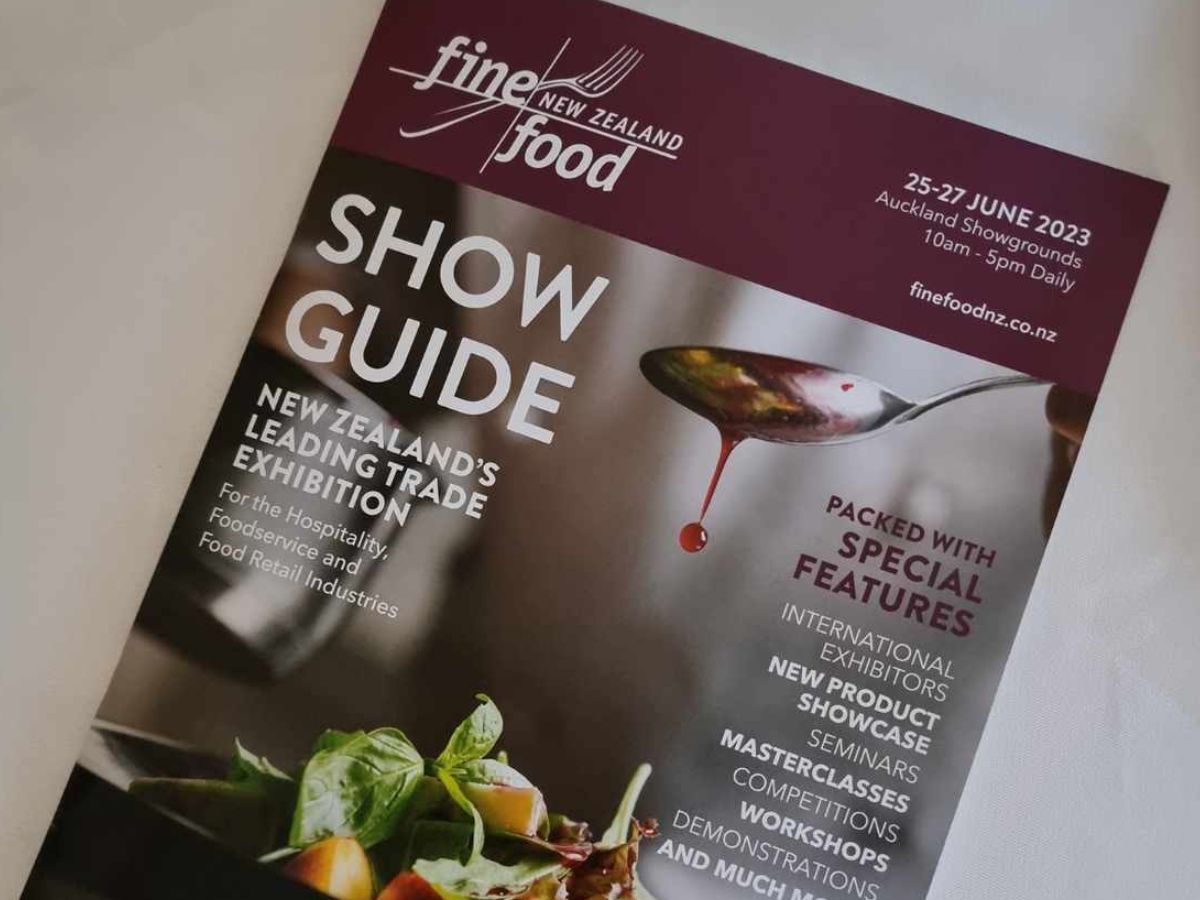
New Zealand’s premier trade event for the hospitality, food retail and food service industries, Fine Food New Zealand, has opened on June 25 with visitors from throughout the country attracted to the more than 250 exhibitors, at the Auckland Showgrounds.
Displays include the very latest commercial kitchen equipment available, local produce suppliers and IT software system professionals for restaurant bookings, to name just a few.
A packed agenda over the three day event includes seminars, training and education, equipment and food demonstrations; the NZ Chefs Championships and Global Chefs Challenge plus the Restaurant Association of New Zealand’s ‘Hospo Hui’.

The Hui’s keynote speaker is Chip Klose, a leading expert in restaurant consulting. Having worked with a diverse range of clients from ‘mom and pop’ shops to Michelin starred establishments, he has honed his skills in all aspects of restaurant management. Klose has a proven track record of revitalizing underperforming establishments, earning a reputation as a trailblazer in the industry.

“We are thrilled to have the biggest event ever for 2023, says Deb Haines, Fine Food NZ Event Manager. “With a combination of international and local exhibitors covering everything from paddock to plate, there’s a huge variety for every delegate. This makes the show an ideal opportunity to expand visitor’s knowledge, make valuable connections and discover new suppliers.”
The show is also running a seminar series offering a range of thought provoking topics, including health and wellness tips for staff; how to get products into major supermarkets and how to attract and retain domestic and international staff for hospitality businesses. Another seminar provides updated food labeling information required under the Food Act.
Keep up with international food and beverage trends through the featured exhibits such as Taste Of The World, which brings together exhibitors from across the globe. Artisan Alley has also established itself as a popular showcase for small batch, handmade and traditional goods in demand by discerning patrons.

The show is open from 10 am daily until June 27.
For more information go to www.finefoodnz.co.nz and https://www.restaurantnz.co.nz/

ARTBAT: The Ukrainian Electronic Music Duo Taking the Global Scene by Storm perform live in Bali next Sunday.

ARTBAT, the dynamic duo consisting of Artur and Batish, has emerged as a force to be reckoned with in the world of electronic music. With their distinctive blend of melodic techno and deep house, ARTBAT has gained widespread acclaim and captivated audiences worldwide.
Renowned for their exceptional talent and innovative sound, ARTBAT has made a significant impact through their releases on esteemed labels such as Diynamic, Afterlife, and Watergate Records.
Notably, ARTBAT has showcased their prowess through mesmerizing live stream parties in extraordinary locations. Their performance atop Sugar Loaf Mountain in Rio de Janeiro, in collaboration with Cercle, captivated millions of viewers. Additionally, the duo has embarked on a global tour, gracing prestigious festivals including Awakenings, EDC, Tomorrowland, Fusion and Untold.
The accolades bestowed upon ARTBAT further solidify their status as trailblazers in the industry. In 2019, they were honored as Beatports “Artist of the Year” and received the “Breakthrough Prize of the Year” at the international DJ Awards. Additionally, they were recognized as the “Best Breakthrough Artist” at the Ibiza DJ Awards.
As ARTBAT continues to push boundaries and redefine electronic music, their captivating performances and innovative productions promise to leave an indelible mark on the industry.
See and hear ARTBAT for yourself at Savaya next Sunday, June 24, 2023 as part of the highly anticipated Law of the Jungle Weekend of events, also featuring Diplo (Friday) and Lil Jon (Saturday).
TICKETS

FY2024 EPS Estimates for Host Hotels & Resorts, Inc. Raised by Analyst (NASDAQ:HST)

Host Hotels & Resorts, Inc. (NASDAQ:HST – Get Rating) – Zacks Research increased their FY2024 earnings estimates for shares of Host Hotels & Resorts in a note issued to investors on Thursday, June 22nd. Zacks Research analyst N. Dass now anticipates that the company will post earnings per share of $1.87 for the year, up from their previous estimate of $1.86. The consensus estimate for Host Hotels & Resorts’ current full-year earnings is $1.91 per share.
HST has been the subject of several other research reports. Morgan Stanley upped their price objective on shares of Host Hotels & Resorts from $18.00 to $19.00 in a research report on Friday, May 12th. StockNews.com started coverage on Host Hotels & Resorts in a report on Thursday, May 18th. They issued a “hold” rating for the company. Citigroup lowered their price objective on Host Hotels & Resorts from $22.00 to $21.00 and set a “buy” rating for the company in a research note on Friday, March 3rd. Wells Fargo & Company cut their price target on shares of Host Hotels & Resorts from $21.00 to $18.00 and set an “overweight” rating on the stock in a report on Thursday, March 30th. Finally, Compass Point upgraded Host Hotels & Resorts from a “neutral” rating to a “buy” rating and set a $22.00 price objective for the company in a report on Friday, May 5th. Three equity research analysts have rated the stock with a hold rating and seven have given a buy rating to the company. Based on data from MarketBeat.com, the company has an average rating of “Moderate Buy” and an average price target of $20.86.
Host Hotels & Resorts Trading Down 1.6 %
HST stock opened at $16.24 on Monday. The company has a debt-to-equity ratio of 0.61, a current ratio of 5.44 and a quick ratio of 5.44. The company has a fifty day moving average price of $17.10 and a two-hundred day moving average price of $16.46. Host Hotels & Resorts has a one year low of $14.51 and a one year high of $19.76. The stock has a market cap of $11.55 billion, a price-to-earnings ratio of 14.50 and a beta of 1.29.
Hedge Funds Weigh In On Host Hotels & Resorts
Several hedge funds have recently modified their holdings of the stock. Ronald Blue Trust Inc. increased its position in Host Hotels & Resorts by 96.7% during the fourth quarter. Ronald Blue Trust Inc. now owns 1,617 shares of the company’s stock valued at $25,000 after acquiring an additional 795 shares during the last quarter. Allworth Financial LP lifted its stake in Host Hotels & Resorts by 82.3% in the first quarter. Allworth Financial LP now owns 1,506 shares of the company’s stock worth $25,000 after acquiring an additional 680 shares during the period. GPS Wealth Strategies Group LLC purchased a new stake in Host Hotels & Resorts in the first quarter worth about $26,000. Brown Brothers Harriman & Co. lifted its stake in Host Hotels & Resorts by 1,921.5% in the first quarter. Brown Brothers Harriman & Co. now owns 1,314 shares of the company’s stock worth $26,000 after acquiring an additional 1,249 shares during the period. Finally, Belpointe Asset Management LLC lifted its stake in Host Hotels & Resorts by 66.2% in the first quarter. Belpointe Asset Management LLC now owns 1,871 shares of the company’s stock worth $31,000 after acquiring an additional 745 shares during the period. Hedge funds and other institutional investors own 97.92% of the company’s stock.
Insider Transactions at Host Hotels & Resorts
In related news, Director Walter C. Rakowich sold 3,688 shares of the business’s stock in a transaction that occurred on Monday, June 5th. The shares were sold at an average price of $17.47, for a total transaction of $64,429.36. Following the completion of the sale, the director now directly owns 58,616 shares in the company, valued at $1,024,021.52. The sale was disclosed in a document filed with the Securities & Exchange Commission, which is accessible via this link. Company insiders own 1.20% of the company’s stock.
Host Hotels & Resorts Increases Dividends
The business also recently declared a quarterly dividend, which will be paid on Monday, July 17th. Stockholders of record on Friday, June 30th will be paid a $0.15 dividend. The ex-dividend date of this dividend is Thursday, June 29th. This is a positive change from Host Hotels & Resorts’s previous quarterly dividend of $0.12. This represents a $0.60 dividend on an annualized basis and a dividend yield of 3.69%. Host Hotels & Resorts’s payout ratio is currently 53.57%.
About Host Hotels & Resorts
(Get Rating)
Host Hotels & Resorts, Inc is an S&P 500 company and is the largest lodging real estate investment trust and one of the largest owners of luxury and upper-upscale hotels. The Company currently owns 72 properties in the United States and five properties internationally totaling approximately 41,900 rooms.
Further Reading
Receive News & Ratings for Host Hotels & Resorts Daily – Enter your email address below to receive a concise daily summary of the latest news and analysts’ ratings for Host Hotels & Resorts and related companies with MarketBeat.com’s FREE daily email newsletter.

Your guide to creating a restaurant membership program
As a restaurant owner or operator, you know customer retention and loyalty can help your business thrive over the long term. If you’re looking for a new way to encourage repeat business and build a community, consider one of the newest trends in the food-service industry: restaurant membership programs.
What’s a restaurant membership program?
In a restaurant membership program, your customers pay a one-time or recurring fee to gain instant access to exclusive perks or discounts. The benefits vary by restaurant but might include free delivery, food discount codes or invitations to special tasting sessions.
Think of a membership program as a paid version of a traditional loyalty program. Because you collect membership fees, you can afford to provide more valuable perks.
Your restaurant benefits, too. The program creates an additional revenue stream that’s both steady and predictable. Assuming membership stays high, this extra cash flow can create a financial cushion that protects your business against volatility in the industry. And when diners are paying for memberships, they’re more likely to visit frequently to maximize the benefits. This builds loyalty and boosts order volume.
Are restaurant memberships here to stay?
Although membership in a restaurant might seem like a novel idea, the concept isn’t new. Businesses, including Costco, Peloton and Amazon Prime, have been using the subscriptions model successfully for years.
Dining memberships are still an emerging trend. In 2022, PF Chang’s introduced Platinum Rewards. In return for a $6.99 monthly fee, members enjoy benefits such as VIP concierge access, free delivery and extra reward points. Panera Bread’s $11.99-monthly Unlimited Sip Club comes with free delivery and a selection of free drinks.
It remains to be seen whether restaurant subscriptions are sustainable. After all, the perks come at a cost, and there’s always the risk that customers will cancel the membership unexpectedly. Taco Bell manages this uncertainty by offering its Taco Lover’s Pass sporadically and only for limited periods of time.
Memberships and subscriptions may become an industry staple, but only if restaurants see an adequate return on investment. Independent establishments experimenting with the model have expressed optimism, but they also emphasize the need to control labor and ingredient costs.
How to build a membership program into your customer retention strategy
With a sustainable price point and the right benefits, a membership program can be an effective way to increase your revenue and customer retention rates. Successful memberships are strategically designed to suit your restaurant’s margins, clientele and menu.
1. Choose member benefits
Restaurant membership programs are all about the benefits. To start, figure out what you can offer customers that’s worth the monthly or yearly fee. Consider common perks:
- Free delivery
- Free drinks, sides or dessert
- Priority reservations
- event invitations
- Members-only tasting events
- Dedicated support channel
- Input on new menu items
- Meal kits
- Special monthly takeout meals
If you already have a loyalty program, you might consider adding a premium tier with extra points for each purchase or more valuable reward options.
When choosing benefits, don’t be afraid to get creative. For inspiration, look to the take-care-of-me club at the El Lopo bar in California. When a member arrives, employees automatically bring drinks and dishes that are hand-picked based on the customer’s unique preferences. Members also get free event entrance and the option to try any wine by the glass instead of buying a full bottle.
It’s important to choose perks that are cost-effective for you and valuable to customers. For example, El Lopo gives its members discounted cases of wine — in essence, passing on the restaurant’s wholesale discount. It doesn’t cost the business extra, and customers get access to a perk that’s hard to find elsewhere.
2. Set membership pricing
Once you have a list of potential perks, decide how much you’ll need to charge to make the program worthwhile. The goal is to set a price that’s attractive to customers and beneficial for the restaurant.
Keep in mind that while it’s nice to make a profit on a membership fee, that’s not the only goal; you’re also trying to increase order volume and encourage repeat business.
Say you charge a membership fee of $85 per month and give customers a $100 dining credit plus other benefits that are free for your restaurant, such as priority access to reservations or VIP seating. You lose out on $15, but you also gain a guaranteed $85 in revenue that you might not have gotten otherwise.
Your overall revenue will probably rise as well. McKinsey found that when members pay to join this type of program, they’re 60% more likely to increase their spending at the business.
3. Issue membership cards
Remind guests of their special status by issuing a membership card to everyone who signs up. You can opt for a physical card, a digital card or both. Digital cards are convenient; a physical card is a clever way to keep your restaurant at the top of customers’ minds. When a member glimpses the card in their wallet, it reminds them of their benefits. This small nudge can motivate customers to choose your restaurant instead of a competitor.
The importance of customer experience
The customer experience is a big factor in the success of a restaurant — especially when you cater to locals rather than tourists. A positive, rewarding experience keeps diners coming back. The more you can do to improve guests’ interactions and visits, the easier it is to boost loyalty and retention.
Done well, a restaurant membership program enhances the customer experience. It makes members feel like part of a community, and the perks provide value diners can’t get anywhere else. You can enhance these positive feelings by:
- Greeting members by name
- Remembering members’ preferences and providing personalized food and drink recommendations
- Hosting members-only discounts and customer appreciation events
- Introducing members to chefs and managers
To ensure members have a great experience whether they’re dining in or ordering out, extend the program benefits to your delivery platform. With Grubhub’s promotions and loyalty tools, it’s easy to set up a rewards system that operates automatically.
How to encourage diners to sign up for your loyalty program
When your membership program is ready to launch, it’s time to start marketing it to customers. Promote the membership incentives on your:
Each time you mention the program, let customers know how they can sign up. Consider adding a small sign to each table with a QR code; diners can join before they place their orders and start using their benefits right away.
Want to build a buzz? Offer the first memberships to a select group of regulars. This strategy creates a sense of exclusivity — and as word gets out, it’s likely to inspire curiosity and desire among other customers. Ask your first group for feedback about the program; you’ll give them a sense of ownership and encourage long-term participation. After you open the program to the public, you might offer special “founders” benefits to your original members as a thank you and an incentive to stay.
You can also use the customer data your restaurant collects to promote the program to past diners. Simply send out an email or text with a link to the sign-up page. If you use Grubhub for Restaurants or Grubhub Direct, your customer data is always available in the Customer Insights dashboard. Whether you run a national chain or an independent restaurant, Grubhub can help you promote your membership program to more customers. Ready to grow your business? Sign up for Grubhub today.
Preparing Restaurant Delivery for the Summer Months
Rain or shine, humidity or snow, food delivery is a year-round business. But for restaurants that offer delivery, the same rules that apply to winter meal transportation don’t always hold during the summer. That’s why it’s important to make sure you’re prepared for summer restaurant deliveries.
Food delivery in the warmer months presents new opportunities and challenges. Here are a few ways to capitalize on the sunshine and keep your delivery cool during the summer rush:
Create a summer delivery menu
The warmer months bring new seasonal ingredients, making it a great time to update your menu. Investigate what local ingredients are in season and feature them in your summer dishes. Many customers will be in search of summer menu classics like cold drinks, fresh fruit, barbecue and seafood. Adding light and fresh dishes to your menu can make your restaurant the go-to summer spot.
Run a summer promotion
Nothing gets a customer more excited to place an order than a good deal. This summer, take advantage of the summer rush by offering exclusive promotions that highlight your seasonal offerings.
Looking for ideas to promote your restaurant on social media? Consider using social media holidays to give customers a reason to celebrate your cuisine. Pick a holiday food that coincides with your menu offerings, and run a discount on that item to celebrate the holiday. On National Ice Cream Day (July 16), give out a free cone with every purchase. Posting about your promotions on social media using hashtags like #NationalIceCreamDay will help spread the word.
With more potential customers out and about, summer is a great time to double down on advertising. Emails, billboards, fliers, social posts and delivery inserts are all great ways to let diners know about your promotions.
Assemble a bike delivery staff
Sunshine and mild temperatures open up a whole new food delivery alternative: bikes. Consider augmenting your existing pool of delivery drivers with cyclists who can fulfill nearby orders. But when it comes to long-distance deliveries, sushi and smoothies still hold up better in an air-conditioned car than on two wheels.
When you partner with Grubhub, your restaurant can get access to our experienced drivers who can be trusted to get your dishes to customers safely. Learn more about how Grubhub delivery protects your restaurant’s reputation.
Stock up on the right packaging
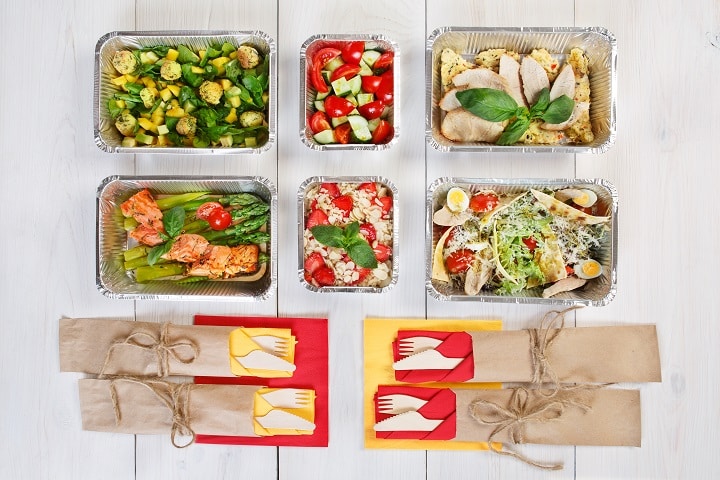
In the summertime, food delivery packaging needs to control for seasonal variables such as humidity and scorching heat along with everyday challenges such as potholes and other road turbulence. When it comes to popular warm weather menu items – such as salads – make sure the delivery drivers are equipped with plenty of ice to keep the salads fresh. Similarly, you’ll want durable drink packaging on hand so cold beverages aren’t lukewarm by the time they’re delivered.
Take a look at these tips on how to select packaging that is both high quality and sustainable.
Accommodate catering delivery
For a lot of diners, summer means picnics in the park, backyard BBQs and neighborhood block parties. If you don’t already, now might be the time to offer food delivery for larger groups and event orders. Your restaurant can offer full-service catering for events, or opt for delivery and drop-off catering for a cheaper price. Adding catering to your restaurant is a great way to diversify your revenue this summer.
Before promoting this specific service, be sure to accumulate the right hot/cold packaging (and insulated travel bags or boxes) that can handle bulk orders.
Partner with a food delivery service provider
More likely than not, your existing delivery employees will be requesting time off this summer for their own vacations. By outsourcing your food delivery to a service provider like Grubhub, you can guarantee access to a steady stream of drivers whenever orders come through – and save yourself the scheduling headache.
Ready to reach new customers and grow your business with Grubhub? Signup today!