
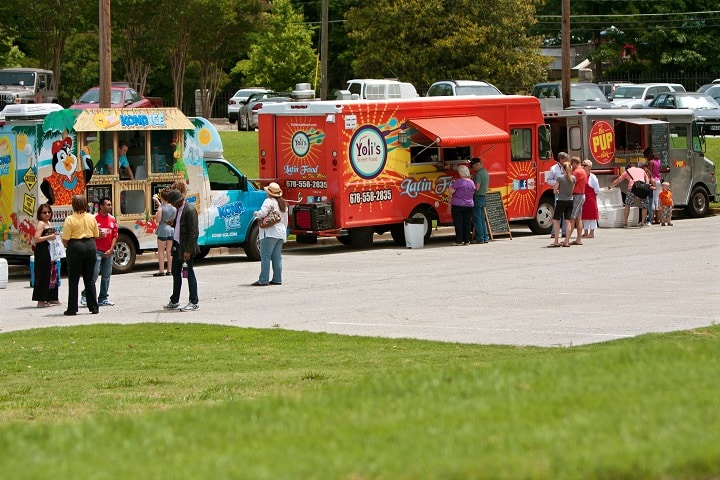
Tips for Starting a Food Truck
Food trucks have evolved over the past decade — they started as a fun trend, but they’re now a staple of the food-service industry. In 2023, more than 36,000 food trucks were in business across the United States. If you’re interested in starting a new food venture or expanding an existing establishment, a restaurant on wheels can be a cost-effective option.
Ready to move forward? Before you start shopping for vehicles, make sure you understand exactly what it takes to start a food truck restaurant.
Food truck restaurants: what you need to know
Food trucks seem simple on the surface — you choose a menu and start serving delicious treats. The reality is more complicated, so it’s important to understand the practicalities that are involved.
Securing licenses and permits
Like any type of food-service business, a food truck restaurant requires the right permits and licenses. Regulations vary by city and state; check with your local health department and business development office for specifics.
Common requirements include:
- Driver’s license
- Business license
- Health permit
- Seller’s permit
- Food handler’s permit
- Food service license
- Food seller permit
- Catering license
- Mobile food facility permit
- Liquor license
- Employer identification number (EIN)
- Fire certificate
Depending on how and where you plan to park your food truck, you may also need a parking permit and a special event permit or license. If you use a commercial kitchen to store and/or prepare your food, you’ll likely need a mobile commissioner agreement.
Choosing a food truck
The food truck model you choose can make or break your business — so while it’s tempting to snag the first one you find on Craigslist, it’s important to do your research.
To start, decide what type of vehicle or food truck rental you want. You can opt for a self-driving vehicle, a small rolling street food cart or a separate food trailer you can pull with a truck. The option you choose will depend on your budget and the type of food you plan to serve. You can sell gourmet ice cream sandwiches from a freezer cart, but freshly prepared hot food will probably require a trailer or truck.
As you evaluate different vehicles, consider the following factors:
- budget. Determine how much money you have to spend on a food truck restaurant. CNBC estimates that it costs an average of $100,000 to open a food truck, including buying a vehicle and getting permits, insurance, supplies and equipment.
- Condition. Based on your budget, decide whether you want a new or used food truck. According to Square, new trucks can cost between $75,000 and $150,000, while used trucks cost between $40,000 and $80,000. As you estimate costs, make sure to factor in renovations and licensing. In some cases, it’s more cost-effective to buy new; you might also have an easier time finding financing and insurance.
- space. Your food truck must have enough room to store and prepare food. If you choose a smaller truck, you might need to bake bread or do other prep tasks at a commercial kitchen and use the truck for service only. Lay out a basic floor plan before you start searching; it can help you determine the baseline square footage and approximate dimensions.
- Required renovations. Determine what renovations you’ll need to complete to get the food truck up to code. This is especially important if you’re converting a vehicle that was used for a different purpose.
- Hookups. Food trucks usually require electric hookups to power lights and appliances. Refrigeration is key, especially if you’re serving cold items such as Greek salad, craft beer, cocktails or fresh garnishes such as lemon, red onion and tomato. You might also choose a model with propane hookups if you prefer to cook with gas. The options you need will vary based on your menu and any expansions you want to make in the future.
- Accessories. Look for trucks that have or are compatible with the accessories you need — an awning or exterior lighting, for example.
Developing a menu
Next to securing and renovating the vehicle, developing a profitable menu is the most important part of starting a food truck business. In general, it’s best to choose a limited selection of high-quality, delicious food. Consider where and when you’ll be serving customers, and choose items that will appeal to customers in that environment. For example, the average person might want lighter items at lunch and richer flavors in the evening. You can also set a theme, such as vegan food, fried chicken dishes or Thai cuisine.
To make the most of your storage, choose menu items that share common ingredients or use foods that can be prepared in bulk, such as cookies or macaroni and cheese. Because diners will be waiting in line outside the truck, it’s usually best to pick meals you can prepare quickly. Examples include grilled cheese, burgers, waffles, street tacos, hot dogs and pulled-pork sandwiches.
Don’t forget about your restaurant menu design; it helps customers get a sense of your food and identify the dishes they want. A clean, uncluttered, and easy-to-read menu helps you stand out, especially when you’re operating at events with the best food trucks in the area.
Marketing your food truck
When your food truck is ready to roll, start spreading the word. Social media is a great tool; you can post in real time to update followers about where you’ll be next. Email marketing can also be useful, especially if you have different locations or daily specials.
Posts that can attract attention include:
- Photos of your food truck and menu items
- Photos of the food trucks in beautiful or exciting locations
- Video reviews from actual customers
- Images of the menu
If you’re parking your food truck at a local event, don’t forget to mark your location or tag the organizers to help customers find you. You can also use event-specific hashtags to build awareness.
Benefits of operating a food truck
With all the work it takes to open a food truck, is it worth it? For many restaurant owners, the answer is yes. Food trucks offer unique benefits that set them apart from traditional establishments.
The benefits of being a food truck owner include:
- Flexibility. In a food truck, you’re not tied to one location. You can rove around town as zoning requirements allow and attend a wide variety of food truck events. Some food trucks even serve as caterers at weddings and other private gatherings.
- Reasonable start-up costs. Compared to a brick-and-mortar restaurant, food trucks cost less to start. Because you’ll have fewer employees to pay, it’s easier to control expenses.
- Low overheads. Payments and insurance on a food truck are usually cheaper than a commercial property, which means you can operate with a higher restaurant profit margin.
- Affordable advertising. Food trucks typically rely on free or low-cost social media advertising. If you’re participating in events, the marketing materials will often include your business’ name in marketing materials for no extra fee. Plus, your food truck is an advertisement in itself — just make sure to include your website URL or social media handles.
- Easy payment processing. As an owner, you can decide which forms of payment to accept. With a convenient mobile payment processor, customers can tap their cards or phones to reduce transaction time and help the line move faster.
Use Grubhub to market your food truck
Whether you’re serving burritos or cheese fries, the success of your food truck restaurant depends on reaching the right customers. Grubhub can help you build brand awareness. With Grubhub for Restaurants, you get specific help from a dedicated restaurant success manager who can assist with your restaurant goals and get your food truck in front of local diners.
Sign up today to get your food truck on the right road.

Cold food storage: benefits, challenges and considerations
Cold food storage is a fundamental aspect of food safety. If you’re operating a restaurant or managing a commercial kitchen, it’s critical to learn the basics of cold storage and understand how it can help you deliver a safe, efficient food service experience for your customers.
What is cold food storage?
Cold storage is the process of storing perishable food items at a low temperature to maintain food safety and improve food preservation. Foods that require cold storage include meat, cheese, fruits, vegetables, eggs, fish and dairy products such as ice cream.
You’ll find cold storage facilities and equipment throughout the food and restaurant industries. As foods make their way from a farm, processing plant or manufacturing facility to the end buyer, they’re often transported in refrigerated vehicles. Along the route, they may be kept temporarily in cold storage warehouses. This network is typically called the cold chain.
Individual restaurants and grocery stores also use cold food storage on a smaller scale. This might include commercial freezers and refrigerators; larger restaurants may opt for walk-in freezers or refrigerators, which are also known as cold rooms.
Why is it important to store food in cold storage?
Cold storage helps prevent food poisoning in your restaurant — an important consideration, given that 1 in 6 Americans get sick from food-borne diseases every year. Low temperatures inhibit the growth of bacteria and pathogenic microorganisms, keeping food safe until you’re ready to prepare it. The cold, controlled environment also keeps parasites out and slows down processes that cause food to spoil, including enzyme reactions, oxidation and light exposure.
Maintaining correct food temperature levels also affects your bottom line. Cold storage helps prevent perishable foods from going bad, so you can save money on food spoilage.
Benefits of cold food storage
As a restaurant owner, investing in a high-quality cold storage system comes with a few important benefits:
- Keeps customers safe. By reducing the risk of food poisoning bacteria, you can create a better customer experience and maintain a positive reputation.
- Complies with industry regulations. Health inspectors look closely at how your restaurant stores foods. Sticking to proper temperature levels helps you stay compliant with the food code.
- Reduces food waste. Cold storage slows down the spoilage rate for foods, which reduces food waste.
- Lowers your prices. When you’re not wasting money on cold foods, you can pass the savings on to your customers.
- Improves food quality. Low temperatures slow the deterioration rate of food, ensuring high-quality taste, texture and appearance for longer.
7 cold storage best practices
Many restaurants develop unique cold food storage systems to suit their order volume, menu, workflow, and available space. Whether you’re using an enormous walk-in or a collection of smaller refrigerators and freezers, standard best practices can increase food safety.
1. Avoid the temperature danger zone
According to the USDA, the “danger zone” ranges from 40ºF to 140ºF. When food reaches these temperatures, bacteria grow quickly — in fact, it can double in just 20 minutes. Make sure your refrigeration units are always below 40ºF, keep freezers at a minimum of 0°F, and avoid leaving food out for too long. As a rule of thumb, perishable items should never be out for more than 1 to 2 hours, depending on the room temperature.
2. Constantly maintain and monitor your storage temperature
As with any other electronic device, cold-storage equipment needs regular maintenance. Monitor your refrigerators and freezers consistently using a separate internal thermometer. If you notice that the temperature is starting to rise in a refrigeration unit, bring in a repair person immediately. A proactive approach can head off major problems, saving money and preventing food loss.
3. Organize foods according to their required degree of cooking
Proper cold-storage organization can help prevent cross contamination between foods. Items that can be eaten right out of the fridge, including packaged desserts and cut vegetables, should be stored on the top shelf. The foods that require the highest cooking temperatures should always be on the bottom — that way, they’re less likely to drip on other foods and transport bacteria.
From top to bottom, here’s where you should place each type of prepared and raw food in the refrigerator based on the required cooking temperature:
- Washed produce and other foods that are ready to eat
- Items that will be put in hot food holding
- Eggs, seafood and raw meats including beef, lamb, veal and pork
- Marinated, tenderized or ground meats and eggs that will go into hot holding
- Poultry and meals that include temperature-controlled ingredients or cooked meat, such as casseroles or stuffing
4. Refrigerator or freeze perishables right away
When you’re receiving a shipment, aim to get perishable items into a cold storage space as soon as possible to minimize warming, reduce bacteria growth and help food stay good for longer. The same goes for food prep; ask your kitchen staff to return unused portions to the fridge or freezer quickly.
If you need to store cooked food in the refrigerator or freezer, aim to do it within 2 hours. If your kitchen is 90ºF or warmer, transfer food to cold storage within 1 hour. You don’t need to wait for it to cool first — just put it in a shallow container to help it cool down faster in the fridge.
5. If you lose electricity, keep doors closed as much as possible
Reduce food loss during a power outage by keeping refrigerator and freezer doors closed. Every time you open the door, it lets in warmer air and increases the internal temperature. When the power comes back on, check the internal thermometer — if the temperature is below the danger zone, your food is still safe to use. If the interior is too warm, you’ll need to dispose of all the food to prevent foodborne illnesses.
6. Allow circulation
As you place food in the refrigerator or freezer, don’t pack the space too full. Leave room for air to circulate and keep the food cool. If your inventory size doesn’t allow for extra space, you may need to invest in additional refrigeration units.
7. Labels and date everything
It’s easy to lose track of use-by dates in a busy restaurant kitchen. To make sure you’re not keeping foods too long in the refrigerator, label everything with large, easy-to-read dates. Then, train your kitchen crew to use the oldest items first. This practice, which is called first in, first out (FIFO), can reduce food waste and improve food safety.
While you’re labeling food for freezing, make sure it’s packaged correctly. To prevent freezer burn on frozen food items, use freezer bags; standard plastic bags and plastic wrap may allow too much air in.
Improving food safety at your restaurant
Proper cold food storage is one of the best things you can do to improve food safety and protect your inventory. Your delivery strategy matters, too; keeping prepared food hot, both while awaiting pickup and in transit, can stave off harmful bacteria and maintain excellent quality.
Grubhub can help — every aspect of our platform and delivery process is optimized to help your restaurant provide a safe and healthy dining experience. The Grubhub system finds a delivery driver while your cooks are preparing the food, ensuring fast pickup. To reduce heat loss during the journey, Grubhub drives store meals in insulated delivery bags. If your restaurant can benefit from fast, efficient delivery, partner with Grubhub today.
Menu engineering: creating a more profitable food and drink list
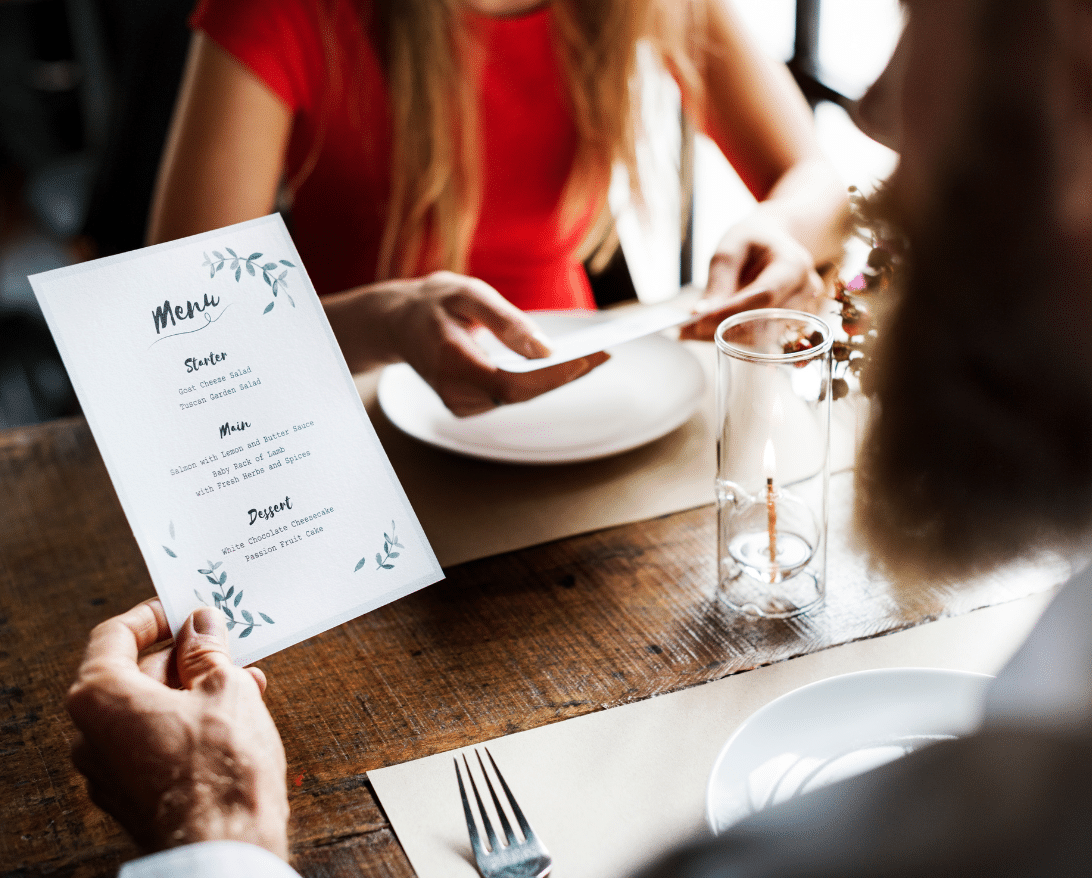
When a customer encounters your restaurant in person or online, the menu is the first thing they look for. This simple tool is one of your biggest assets — the design and dish selection affects everything from the average order value to the sales volume for each item. Menu engineering is a data-driven way to create a menu that makes the most of your resources and boosts your bottom line.
What is engineering menu?
Menu engineering is the process of designing and optimizing your restaurant menu in a way that maximizes profitability. The process starts by collecting data for each menu item:
- Calculate food costs
- Identify contribution margin
- Analyze sales data to determine popularity
This data enables you to categorize items based on how popular and profitable they are. With that information, you can create a menu that strategically increases the profit for every diner.
In some cases, the process is as simple as writing a more compelling description or altering the menu design to promote profitable items. For others, you might need to take more drastic steps to increase profits, such as switching to lower-cost ingredients, increasing the price, reducing the portion size or altering the side dishes.
How to calculate your food costs
The first step in menu engineering is calculating food costs for everything in your restaurant menu. To start, write down all the ingredients, including garnishes, condiments and seasonings. Then, assign a quantity to each ingredient and calculate its cost based on the price.
For example, imagine a recipe calls for a 15-ounce can of tomato paste. Your restaurant pays $45 for a case of six cans, which means each can costs $7.50. The recipe makes 25 servings, which means each serving uses $0.30 in tomato paste.
Add up the individual ingredient costs to get the food cost for each dish. Use this data to calculate your contribution margin, or the amount of money you make by selling each dish. To do so, subtract the food cost from the menu price. If you sell a serving of lasagna for $15 and the food costs are $6.50, the contribution margin is $8.50.
You may already have key menu engineering data on hand; many restaurants use food cost percentage and profit margins when setting menu pricing.
Creating a menu to maximize profits
Once you have the food cost and profit margin for each restaurant menu item, it’s time to bring in the sales data. For each item, note the number of sales over a given period. The higher the sales volume, the more popular the item.
Next, use your contribution margin and sales volume to plot each item on a menu engineering matrix. The x-axis should show profitability (contribution margin) from low to high; the y-axis should show popularity (sales volume) from low to high. Based on the placement of items in the matrix, you’ll be able to visualize how they fall into four categories:
- High profitability, high popularity
- Low profitability, high popularity
- High profitability, low popularity
- Low profitability, low popularity

Reworking your menu based on profitability and popularity
Now, it’s time for true restaurant menu engineering: identifying concrete ways to maximize profits in each of your four categories.
1. High profitability, high popularity
The items in this category are the most important — they have high profits, and customers love them. There’s usually no need to make changes to the dishes themselves. Instead, find ways to increase sales by altering the menu design:
- Place items near the top or center of the page or section
- Create a special section defined by a colored box or frame
- Highlight popular dishes with a “customer favorite” icon
- Showcase dishes with food photography
A powerful, visibility-focused menu design can boost profits, even when the price and ingredients stay the same.
2. Low profitability, high popularity
These dishes are popular with customers, but they use high-cost ingredients. To increase the profits, you have a few options; each one comes with benefits and risks.
- Raise menu prices. This strategy maintains the existing quality and taste of the dish and increases profitability. It can be effective if your customers aren’t price-conscious; if diners are on tight budgets, you risk a drop in sales.
- Adjust ingredients. Ask your kitchen staff to swap in cheaper ingredients. If you can do this without changing the flavor and texture of the dish, you can increase your profit while keeping prices the same.
- Change portion sizes. When portions are too big to finish comfortably but not so big that they produce left overs, consider reducing the size. Your customers will still be satisfied, you’ll make more money and you’ll reduce food waste.
- Create more profitable specials. Take your popular dish and add high-profit items to create a special. If customers love a low-profit appetizer, for example, you could create a happy-hour special that includes an appetizer and a cocktail with a high contribution margin.
3. High profitability, low popularity
When you have dishes that are profitable but largely ignored by customers, it’s time to do some digging. To start, offer the item as a freebie to select customers and ask them about their experience. Is the dish too expensive? Is the flavor unappealing? Are they turned off by the ingredients? If so, you can adjust accordingly.
If you find that customers like the food and the price, it’s time to change the menu design. It could be an awareness issue — a problem that’s easily solved by putting the dish in a more prominent position on the page. You can also consider writing an appealing menu description that whets customers’ appetites and explaining why the dish is special. This strategy uses the psychology of menu design to create curiosity and appeal to the senses.
4. Low profitability, low popularity
It might seem alarming to find menu items that have high food costs and low sales volume, but it’s actually a valuable opportunity. After all, this category tells you a great deal about what your customers do and don’t want.
In most cases, your best bet is to remove these items completely. You’ll free up space on the menu and create an opening for new, more popular dishes.
As a restaurant owner, it can be difficult to give up menu items. If you’re passionate about the dish, you can try to salvage it by improving the flavor or using ingredients with higher profit margins.
Get your menu in front of customers
You’ve analyzed menu items and invested in the menu engineering process — now, it’s time to get your new, profit-focused restaurant menu out to customers. For in-house diners, all you need to do is replace old menus with the updated versions. To avoid the costs of printing new menus, you can replace physical copies with a QR code menu. Print the QR code on table tents, stickers and signs so customers can find it easily. Make sure to keep a few paper copies on hand for tech-averse diners.
Keep in mind that many customers check out your menu online before making a reservation or ordering for delivery. To ensure they’re seeing the newest menu, follow these steps:
Do you use a food delivery platform? You’ll also need to update the menu in your profile. Grubhub for Restaurants streamlines the process with a simple update system — edit the menu after closing and it will be visible to customers during the next shift. Any changes you make automatically flow through to your Grubhub Direct branded ordering websites, saving time and ensuring every menu is consistent.
When you’re a restaurant owner, the menu is your most important marketing tool. Menu engineering is an effective way to streamline and refine the menu to ensure every item is pulling its weight. Ready to get your menu in front of more customers? Partner with Grubhub today to gain access to 33+ million hungry diners.
19 June food holidays for your restaurant to celebrate
Did you know 45% of US customers say they’ve tried a new restaurant after seeing a restaurant’s post on social media? That’s why it’s more important than ever to make sure your restaurant is establishing an effective social media strategy to grab customers’ attention. One great way to make your restaurant stand out online is to celebrate national food holidays on social media.
Take a look at these tips on how you can take advantage of food holidays this month and keep scrolling to get the full June calendar.
What are national food holidays?
National food holidays are micro holidays that center around a certain cuisine. They are often celebrated on social media and encourage diners to band together to show appreciation for everything from veggie burgers (June 5) to cannolis (June 16). While these holidays don’t warrant a day off, they can still be fun to observe and celebrate. As a restaurant owner, a food holiday is the perfect excuse to offer an irresistible promotion that will encourage diners to place an order.
Why your restaurant should celebrate national food holidays
Everyone loves having something to celebrate, and restaurants can use food holidays to build excitement around their dishes. Food holidays are particularly popular on social media as diners go online to share what cuisine they’re celebrating. Acknowledging a food holiday on social media by using the holiday’s hashtag can instantly make your restaurant relevant to a wider audience.
Food holidays put specific dishes top of mind. When diners are craving pizza on National Vanilla Milkshake Day (June 20), you want your frosty creation at the center of the celebration. Posting about your food can motivate diners to order from your restaurant. In fact, 53% of millennial TikTok users visited a restaurant after seeing it on the app. Incorporating food holidays in your social media strategy incentivizes hungry diners to check out your cuisine.
3 tips for marketing national food holidays
A successful food holiday marketing strategy begins with a strong digital presence. Modern diners flock online to discover new restaurants and place orders. Digital tactics are important for your restaurant marketing strategy.
To make your national food holiday celebrations as effective as possible, tie them into a larger restaurant marketing strategy that looks at the big picture, not just a single opportunity. A restaurant marketing strategy is a formal plan that documents, tracks and analyzes all your marketing efforts and activities.
1. Pile on promotions
Nothing motivates a diner to press ‘order now’ more than a discount. Rolling out promotions not only attracts more customers to your menu, but also encourages loyalty. Diners are more likely to place repeat orders if they think a restaurant has a good deal. In fact, 81% of consumers would switch restaurants if they saw a good deal. Your food holiday promotions can be the first thing that catches a potential customer’s eye.
Here are some promotion ideas that can get diners drooling for your dishes:
- Discount dollar amounts: On National Smoothie Day (June 21), offer $1 off your smoothies.
- Discounted items: Celebrate National Strawberry Shortcake Day (June 14) by offering 50% off a slice of shortcake when a customer purchases an entrée.
- Discount-themed ingredients: Celebrate Cheese Day (June 4) by offering 20% off all cheesy menu items.
- Free items with purchase: On National Donut Day (June 2) offer a free donut to every customer that orders from your app.
When you partner with Grubhub, launching promotions is as easy as pie. Restaurants that partner with Grubhub gain access to free-to-use promotional and marketing tools that are proven to increase orders and customers.
With Grubhub’s Promotions and Loyalty Tools, you can:
- Run seasonal promotions to make the most of national food holidays
- Offer your customer the right discount at the right time
- Increase your ROI with our advanced technology and huge volumes of restaurant and customer data
2. Highlight online ordering
Getting customers excited about a food holiday is great, but unless you give them an easy avenue to place an order, all that momentum around your dishes will be lost.
Your restaurant’s website serves as the backbone of your digital presence. Your website should have all things a diner needs to know about your restaurant – this includes your menu, hours, location, story and an online ordering platform. Finding a platform that converts curious diners into satisfied customers can be difficult. That’s why restaurants are turning to Direct to reach more customers, drive online ordering and establish their advertising efforts with zero commission costs.
88% of restaurant operators stated a branded experience is very important for sales. With Direct, your restaurant can create an online ordering web page that’s designed and branded to match your existing restaurant’s look and feel. It can be easily integrated into your existing website (if you have one) or can act as your main site if need be. Learn more about how Direct can drive online ordering.

Once your website is up and running, you want to make sure it’s searchable. When potential diners search your restaurant on Google, your Business Profile is usually the first thing to pop up. Claim your restaurant’s Google Business Profile so that you can make sure it correctly displays your hours, address, pricing and website link. When your Business Profile features the correct info and links, it’s far more likely a customer will place an order or come in to check you out.
3. Get social
Nobody will know your restaurant is celebrating a national food holiday unless you spread the word. That’s where social media comes in. TikTok, Instagram and Facebook are all powerful places to establish a restaurant social media presence.
Looking for some tips to make your restaurant pop on social media? Try these ideas:
- Showcase your dishes by posting delectable photos and videos of them on national food holidays.
- Use trending hashtags like #NationalCheeseDay or #NationalDonutDay to reach a larger audience beyond your social media followers.
- Use local hashtags like #BostonFoodie or #NYCeats to connect with customers nearby.
- create a quiz about your dishes to boost engagement with your national food holiday promotions.
- Launch a contest with prizes that relate to your restaurant and die in with your national food holiday promotion.
It’s easy for restaurant owners’ plates to pile up, leaving little time to strategize about marketing. That’s why developing a social media calendar is essential for planning out how you will roll out your promotions.
A social media calendar is a way to organize your upcoming social media posts and promotions by date. Planning posts in advance gives you time to lay out promotions, batch content and solidify your menu to align with your offerings.
Check out these tips on how to market national food holidays on social media.
What social media holidays are coming next?
June signals the start of summer where customers are eager to celebrate everything from veggie burgers (June 5) to ice cream cake (June 27). June also brings Pride Month, Juneteenth and Father’s Day. Last year, over 450,000 orders were placed on Father’s Day. Is your restaurant prepared for this top ordering holiday? No matter what cuisine you’re celebrating, it pays to run a food holiday promotion.
Download our Guide to National Food Holidays to learn how to spearhead your promotional marketing and elevate your digital presence. Use your new calendar to create a marketing plan or amplify your existing one. National food holidays could be your next step toward increased sales and a wealth of new customers.

June national food holidays
June is National Soul Food Month and National Steakhouse Month.
- June 2: National Donut Day
- June 3: National Egg Day
- June 4: National Cheese Day
- June 5: National Veggie Burger Day
- June 6: National Churros Day
- June 7: National Chocolate Ice Cream Day
- June 9: National Strawberry Rhubarb Pie Day
- June 10: National Egg Roll Day
- June 11: National Corn on the Cob Day
- June 12: National Falafel Day
- June 14: National Strawberry Shortcake Day
- June 16: National Cannoli Day
- June 18: Father’s Day
- June 20: National Vanilla Milkshake Day
- June 21: National Smoothie Day
- June 22: National Onion Ring Day
- June 24: National Pralines Day
- June 26: National Chocolate Pudding Day
- June 27: National Ice Cream Cake Day

New York lawmaker connected to nonprofit accused of lying about homeless vets being pushed out of hotel for migrants says he’s no longer affiliated with
CNN
—
A New York state assemblyman and former volunteer spokesperson for the nonprofit was accused of lying about homeless veterans being pushed out of a hotel to make room for migrants is no longer affiliated with the foundation, he told CNN.
Republican State Assemblyman Brian Maher said in a statement to CNN he was devastated and disheartened” to learn claims homeless veterans were pushed out of the hotel to make room for migrants were false.
On Friday, CNN reported two homeless men said they were part of a group of 15 who were offered money to pose as veterans and said they were asked to leave the Crossroads Hotel in Newburgh, New York. They claimed Sharon Toney-Finch, a non-profit leader who houses the homeless, was the person who allegedly offered the money and never paid up.
Toney-Finch is the founder and chairman of the Yerik Israel Toney Foundation, which helps veterans in need of living assistance. On Friday, she denied the allegations to CNN, saying she had never offered money to homeless men to say they had to leave the hotel.
CNN reached out to Toney-Finch on Saturday regarding Maher’s statement and did not receive an immediate response.
The situation elevated tensions between the area and New York City, as earlier this week a New York state Supreme Court judge granted a temporary restraining order blocking New York City Mayor Eric Adams’ plan to send asylum seekers to Orange County, where Newburgh is located.
Maher said in his statement Saturday, “I am devastated and disheartened upon a conversation with Sharon Toney-Finch at approximately 3:15 pm Thursday, May 18, where I learned that the information regarding the YIT Foundation about homeless veterans being displaced is false. Their gross misrepresentation of the facts surrounding our homeless veterans is appalling.”
“The YIT Foundation purports to protect and support veterans, but the dishonest claims and fabrication of the facts by YIT does enormous harm to our homeless veterans by creating mistrust,” the statement continued.
On Friday, Toney-Finch said, “I never promised to pay anybody,” adding that she only told Maher that she had homeless veterans who were displaced, not that it was because of asylum seekers.
Maher, who was a volunteer spokesperson for the nonprofit, said he is “no longer affiliated in any capacity with YIT nor offering it any more of my help.”
The state assemblyman called for an investigation into the nonprofit by the New York State Attorney General’s office and the Orange County District Attorney “based on the new information that came to light today,” his statement said.
A spokeswoman for New York State Attorney General Letitia James told CNN Friday the office is reviewing the details of the incident to determine whether they will open a formal investigation.
“While I believed Sharon was telling the truth, I would like to apologize to those who have been negatively impacted since this news broke,” Maher wrote in the statement.

How to Recruit New Restaurant Staff
Delicious food is only half the battle in building a successful restaurant — you also need exceptional employees. Restaurant staff are responsible for providing high-quality service, humanizing the business and embodying the values and personality of the brand. With a finely honed recruiting and hiring process, you can build a high-performing team.
What restaurant positions do you need to fill?
Every restaurant has different hiring requirements; your staffing needs will depend on the size of the restaurant, the type of service, and the average number of customers. Counter-service restaurants typically require fewer employees than traditional eaters, for example. An average casual restaurant might need 1 server per 5-7 tables, 4 kitchen workers and 2 support workers for each shift.
Some of the restaurant staff positions you may need to fill include:
- restaurant manager. The manager ensures the restaurant runs smoothly. They hire staff, manage finances and maintain the staff schedule. In many cases, they interact with customers and handle complaints.
- Food and beverage manager. In some restaurants, this manager oversees the ordering process for food and drinks. They typically collaborate with bartenders and chefs to ensure a careful inventory balance.
- executivechef. This chef is in charge of the kitchen. They oversee the menu, manage inventory, supervise kitchen staff and ensure each dish is up to par.
- Cooks/chefs. These restaurant employees are responsible for making the food. Prep cooks prepare the ingredients and workstations, while head chefs, sous chefs and line cooks handle most of the cooking.
- Bartenders. Bartenders make and pour drinks, clean glassware and ensure the bar is stocked.
- hosts. Hosts greet customers and guide them to their seats. They also take reservations, answer phone calls and maintain a waiting list.
- servers. Servers take orders and educate customers about menu items. In many restaurants, they also handle payments. They may also serve food and refill water, although some businesses hire food runners or expediters for those tasks. Servers typically make a special minimum wage that’s supplemented with tips.
- Busser. A busser is an employee who clears tables and brings dishes to the kitchen.
- Cashier. Cashiers handle money. At fast-food restaurants, they may also be responsible for food preparation.
- Dishwashers. These workers run dishes and utensils through industrial cleaners as they come into the kitchen, ensuring cooks and front-of-house staff have a supply of clean options.
Fine-dining restaurants usually have more staff members working at any given time. That’s because each person has a specialized and limited role. In addition to the general restaurant staff, you might also need a sommelier, a maître d’ and a pastry chef. High-end restaurants often have a larger hierarchy of chefs, each with distinct roles.
Importance of a Skilled Restaurant Staff
A skilled restaurant staff is the element that takes a restaurant from good to great. After all, your employees play a big role in the customer experience. Every employee, from the manager to the dishwasher, plays a part — hosts ensure guests are seated efficiently, the chef provides excellent food and the bussers keep the tables free of empty dishes. Servers are particularly important; they set the tone for the meal, making diners feel welcome and anticipating their needs. If something goes awry in the kitchen, an experienced server knows how to communicate the situation and maintain a positive vibe.
Capable restaurant employees also contribute to the back-end functionality of your business, keeping operations running smoothly. Tables are flipped quickly between guests, the dining area stays clean and food quality stays consistent.
If you focus on hiring and training skilled workers, it can create ripple effects that extend through the business. When everyone is pulling their weight, employees can focus on their own responsibilities instead of covering for others. The resulting positive atmosphere can help reduce employee turnover. In fact, the National Restaurant Association has found that 17% of employees quit because of workplace culture.
Tips for Recruiting New Restaurant Staff
When you’re hiring restaurant workers, it’s helpful to develop a set of best practices. An established set of standards creates a more consistent experience for the hiring manager and the new employees. A few practices to adopt are:
- Write job descriptions that are detailed but not overwhelming.
- Use a realistic job preview to communicate positive and negative aspects of each position.
- Be transparent about the pay up front.
- Design an onboarding practice that integrates each new restaurant employee into the company culture.
- Train restaurant staff thoroughly before they start working.
Once your hiring practice is set, use these tips to refine your recruitment and hiring strategies:
- Expand your reach. Ask the HR team to post job openings in more places. Include a mix of popular hiring methods, such as digital job boards and print publications. Don’t be afraid to post job flyers on community bulletin boards — it’s an effective way to reach job seekers when they’re visiting the local coffee shop or grocery store.
- Consider soft skills. Look for workers who have strong soft skills, such as personal communication and conflict resolution. Then, you can train them in the necessary hard skills.
- Move quickly. Keep the hiring process short and sweet; it demonstrates respect for candidates’ time and reduces the risk that applicants will take other job offers while they wait.
- Anticipate hiring needs. Ensure your restaurant is fully staffed by starting the hiring process as early as possible. This is particularly important if you hire seasonal workers, since competition for talent is higher during the busy season.
- Ask for referrals. Chances are your employees know other people in the restaurant industry. Ask them to refer strong candidates, and provide a bonus if you hire a referral. It’s a great way to find talented workers and recognize your employees’ contributions.
Challenges of Hiring Restaurant Workers
If you run a restaurant, hiring challenges are inevitable. Employee churn is one of the biggest issues; the restaurant industry is notorious for high turnover. In fast-food restaurants, the monthly turnover rate is 144%.
Every time an employee leaves, your management team must spend time and money hiring replacement staff. That’s not always easy in 2023; the ongoing global labor shortage is making it harder to find qualified restaurant workers.
Once you hire restaurant employees, your next challenge becomes retention. If you can find ways to keep workers longer, it cuts costs, saves time and creates a consistent experience for customers.
One way to boost job satisfaction and retention is to build an order-management process that makes employees’ lives easier. That’s where Grubhub can help — the platform integrates with your POS system, empowering workers to do their jobs more efficiently. When they’re spending less time on technology, your team can focus on preparing delicious food and providing top-notch service.
If you’re curious about how Grubhub can support your restaurant’s hiring and retention, as well as the customer experience, get started today.

American Hotel Income Properties REIT (OTCMKTS:AHOTF) Price Target Raised to C$3.00 at National Bank Financial
 American Hotel Income Properties REIT (OTCMKTS:AHOTF – Get Rating) had its price objective hoisted by National Bank Financial to C$3.00 in a research report released on Monday morning, The Fly reports.
Separately, Scotiabank dropped their price objective on American Hotel Income Properties REIT from C$3.75 to C$3.50 in a report on Tuesday, March 7th.
American Hotel Income Properties REIT Stock Performance
AHOTF opened at $1.90 on Monday. American Hotel Income Properties REIT has a one year low of $1.69 and a one year high of $3.06. The business’s 50-day simple moving average is $1.84 and its 200-day simple moving average is $1.97.
About American Hotel Income Properties REIT
(Get Rating)
American Hotel Income Properties REIT LP engages in investing in hotel real estate properties. Its long-term objectives are to: increase the value of its hotel properties through operating excellence, active asset management and invest in value-added capital expenditures, expand its hotel portfolio through acquisitions on an accretive basis, and increase unitholder value and distributions to unitholders .
See Also

Receive News & Ratings for American Hotel Income Properties REIT Daily – Enter your email address below to receive a concise daily summary of the latest news and analysts’ ratings for American Hotel Income Properties REIT and related companies with MarketBeat.com’s FREE daily email newsletter.
Chef vs Cook: What’s the Difference?
The terms “chef” and “cook” are often used interchangeably. While they’re similar, the two positions often have different backgrounds and responsibilities. When you’re hiring restaurant employees, it’s important to understand the nuances of chef vs. cook roles.
Chefs vs. cook: what each role means
The concept of chef vs. cook can vary from restaurant to restaurant. After all, both positions are responsible for preparing ingredients and cooking the food that’s served to customers.
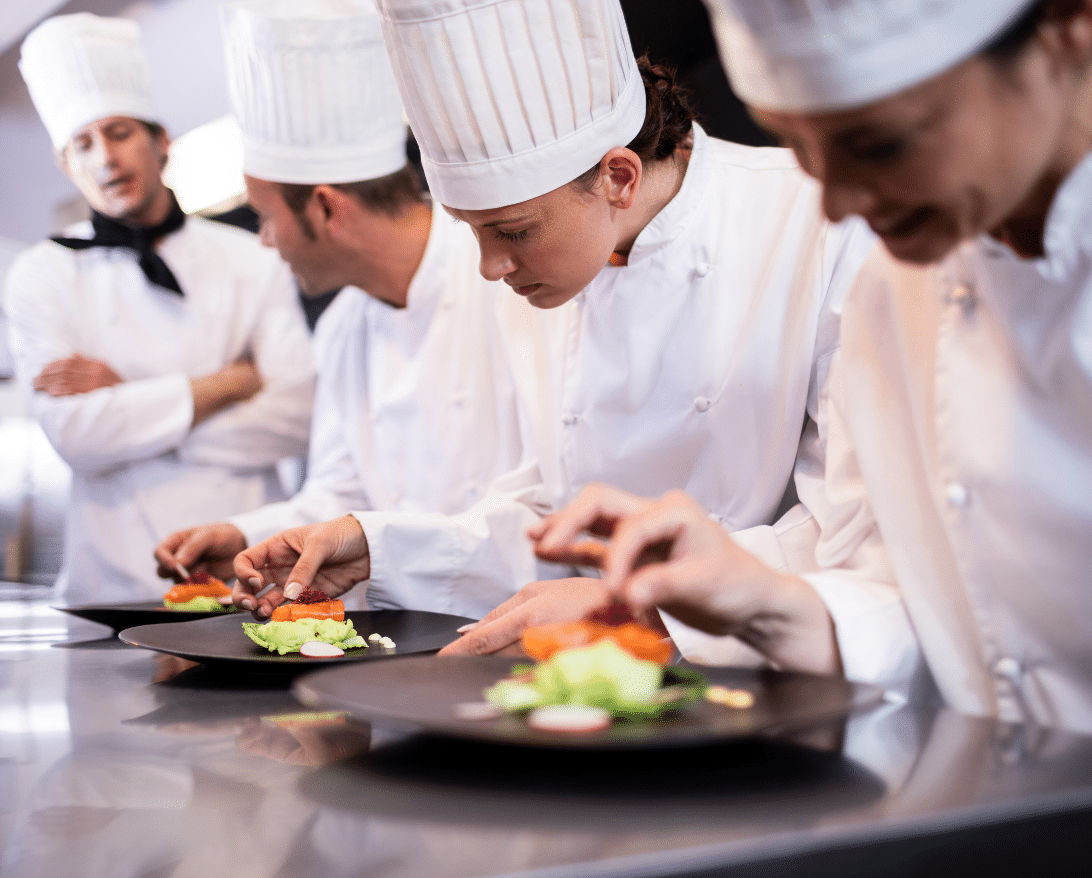
In a commercial kitchen, a chef usually has formal culinary training and experience — and high-level responsibilities. They might supervise lower-level employees, develop recipes, cook food and ensure the kitchen runs smoothly.
Cooks also prepare food, but they have more flexibility in terms of education and experience. Small, casual restaurants may not require formal training at all; cook jobs may be entry level or have minimal experience requirements.
Some restaurants have both chefs and cooks; others have one or the other. In a small restaurant, the chef and cook may be the same person. Larger kitchens typically have multiple types of chefs and/or cooks, each with nuanced roles.
In general, cooks are more common in chains, casual restaurants and small eaters. You’ll often find chefs in high-end restaurants and fine-dining establishments.
How do you become a chef or cook?
Education is the core of the difference between chef vs. cook roles. To become a chef, workers must typically attend culinary school. After that, they often start with a commis chef position and work their way up through the ranks of different restaurant kitchens.
Cook positions don’t usually require a culinary school degree. Many cooks start out with entry-level prep cook jobs. As they learn new recipes, build food-prep skills and gain experience, they can move up to line cook and head cook jobs.
What are the different classifications of kitchen roles?
“Chefs vs. cook” is a high-level classification; many restaurants have multiple positions within each category.
Common chef jobs include:
- executivechef. The highest-ranking chef in a kitchen, this person is in charge of top-level tasks such as developing a menu, creating recipes, tracking kitchen operations, managing the food-purchasing process, maintaining inventory and creating and sticking to a budget. Interestingly, executive chefs don’t typically spend much time cooking on a daily basis; their duties are primarily managerial.
- headchef. This role, also called the chef de cuisine, has a more hands-on supervisory role in the kitchen. They manage meal service, track food quality, and make sure kitchen staff members are working efficiently throughout each shift. Many head chefs spend time cooking. In smaller restaurants, the head chef may also take on the responsibility of the executive chef.
- Souschef. “Sous” means “below” in French; in a restaurant hierarchy, the sous chef is directly below the head chef and/or executive chef. They cook and help manage other kitchen staff, particularly when the head chef is unavailable. This position is common in restaurants with large kitchen teams.
- Chefs de partie. These chefs are responsible for individual stations in a kitchen. They might specialize in tasks such as making sauces, pastries, or vegetables. In some restaurants, they handle tasks including frying, grilling or roasting.
- Commischef. The lowest-ranked chefs, these workers support chefs de partie. They might prepare ingredients, help with cooking, or take on any task that occurs during a shift.
Types of cooks include:
- Head cook. This person is in charge of the kitchen; in a small business, the owner may even take on the role. They manage workers, train other cooks, and ensure dishes are prepared correctly and consistently. Head chefs are usually highly experienced; many have formal culinary education.
- Linecook. Line cooks have jobs that are similar to a chef de partie — the person responsible for a specific part of the “line,” or the kitchen operations.
- Prep cook. The lowest-ranking cooks in a kitchen, these employees get ingredients ready for a meal service. They might chop food, prepare cuts of meat, make salads or help chefs with simple cooking tasks. Prep cooks may also ensure that their areas are clean and sanitized.
The number of kitchen roles your restaurant needs depends on a number of factors. Restaurants with high-end or highly specialized menus often need more chefs, each with targeted experience or a unique set of skills. Bigger restaurants often require a larger staff to maintain consistent food quality and manage the sheer volume of customer orders.
Pros and cons of being a chef
For people who are considering a chef vs. cook career, the right path isn’t always clear. After all, a professional chef title commands respect, but it also takes time and money to earn high-ranking positions. The process can be so demanding, in fact, that many people choose to skip culinary school and work their way into a head cook position. Naturally, there are pros and cons to both approaches.
Pros of being a chef
- High earning potential
- Flexible career paths
- Skill-building opportunities
Cons of being a chef
- Requires a culinary degree
- Long hours
- Requires physical work
Hire a chef or cook for your restaurant
If you’re deciding whether to hire a chef or a cook for your restaurant, consider your priorities. A seasoned cook can offer practical knowledge and exceptional cooking skills, and they may accept a lower salary than a formally trained chef.
It doesn’t matter who you hire to lead your kitchen, it’s always important to create a good relationship with your staff to curb turnover. Implementing employee recognition ideas can make everyone who works at your restaurant feel valued — from the executive chef down to commission chefs and hosts.
Professional chefs require higher salaries, but they bring the benefits of a professional culinary education — specialized training, industry insights and connections that can benefit your business. Chefs can be a valuable resource in helping you grow the restaurant while controlling costs and maintaining food quality. No matter where your restaurant falls on the chef vs. cook spectrum, a skilled professional can help you build a stable, lasting business. As you look for ways to expand operations or increase revenue, a strong delivery presence is a must. Partner with Grubhub to reach a variety of local customers and introduce more diners to your food.